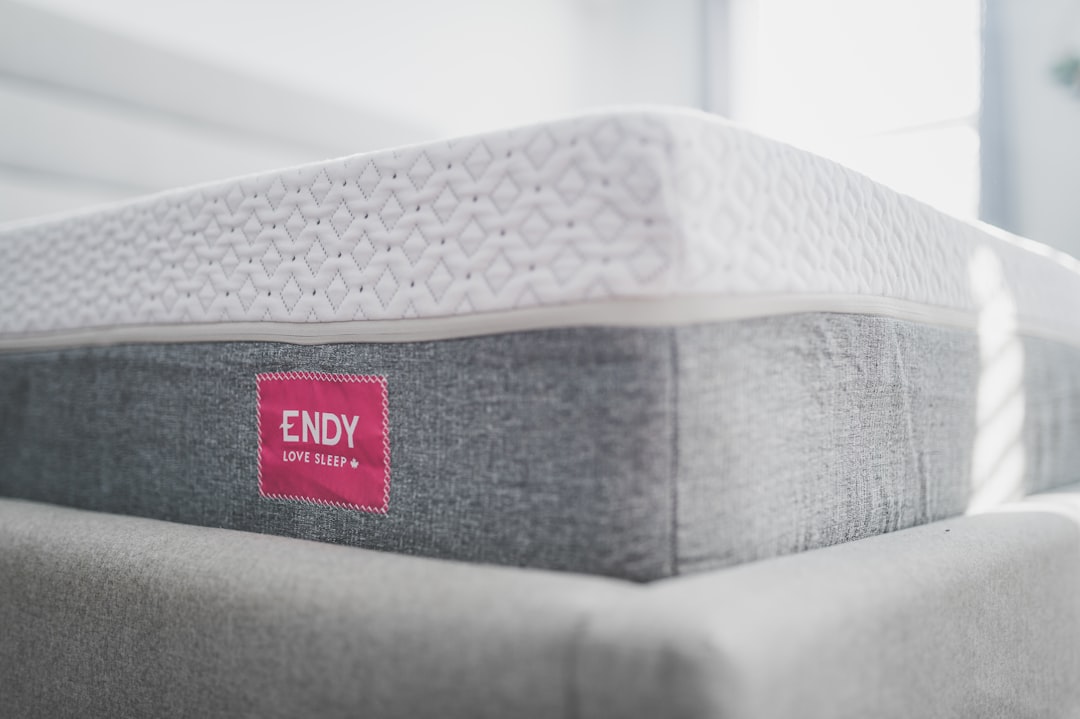
You wake up at two, sticky and disoriented. The air is still, a heavy blanket of heat even with the windows open. Your memory foam mattress feels like a sponge that soaked up all your body warmth and now refuses to let it go. The sheets are damp, clinging in a way that makes you want to peel them off entirely. That’s the moment, isn’t it? When you realise you’re not just a hot sleeper—you’re sleeping on a heat trap.
It’s a specific kind of discomfort that pushes you past simple fixes. A cooling pick sits within the wider memory foam versus hybrid guide , so it's worth seeing the full spread — memory foam, latex, pocket spring, and hybrid, with cooling features across several of them. Browsing the range shows where the coolest-sleeping options sit against the rest. In the tropics it's worth filtering for breathability and temperature regulation early. Choose the construction for how you sleep, then weight cooling heavily in the final call.. Buying a bamboo cover or a lighter duvet won’t cut it. Those are surface-level bandaids for a problem that’s coming from the core. Your mattress itself is holding onto the heat, acting like an insulator against the already-warm 29-degree room. That’s when the search shifts from passive to active. You start looking for solutions that work from the inside out, technologies that actively pull heat away from your body rather than just letting a bit more air through.
For a typical 4-room BTO master bedroom, the Queen size is the default. But if that mattress is a heat sink, it’s a big surface area of misery. The solution isn’t just a different cover fabric; it’s a re-engineered bed. You need materials that don’t just absorb but dissipate—things like gel-infused foams that feel cool to the touch, or ventilated coil systems that let air move through the mattress structure itself. Latex can be a good option here, naturally aerated and less heat-retentive than traditional memory foam. Phase-change materials are another route, actually absorbing and releasing heat to maintain a stable temperature.
The takeaway is clear: if you’ve experienced that 2am awakening, you’re not shopping for a mattress anymore. You’re shopping for a climate-control system for your sleep. The exception? If your bedroom is air-conditioned all night and you keep it at a crisp 24 degrees, maybe you can get by with a standard model. But for the majority in non-air-conditioned rooms, or facing hormonal changes that turn you into a furnace, that singular sticky discomfort is the call to action. It tells you to look deeper, beyond the top layer, to what’s inside.
mattress for Singapore's weather .Walk into a showroom and ask about a cooling mattress, you’ll often hear “gel foam” thrown around. That’s the common one, the stuff that feels cool when you first touch it. But phase change materials are a different league altogether. They aren’t just a static cool layer; they’re a dynamic system that actively manages your temperature throughout the night. Gel foam works by conduction—it’s cool to the touch because it’s designed to absorb heat slowly from your body. PCMs, on the other hand, operate through a phase transition. They contain microscopic capsules that literally melt to absorb excess heat when you get too warm, then solidify again to release that stored warmth back when your body cools down. The whole case for cooling is the climate, and the guide to choosing a latex mattress lays it out — at high humidity and warm temperatures year-round, a mattress that breathes and regulates temperature decides whether you sleep through the night. It walks through the cooling materials worth seeking and why they matter here more than almost anywhere. For the cooling decision specifically, the queen size is the one to read — hybrids generally breathe better than solid foam because the pocketed coils let heat escape beneath the comfort layer, while cooling memory foam tackles heat with gel and open-cell designs. For a hot sleeper, that airflow difference is the crux. The guide weighs both for the tropical climate, which is exactly the cooling trade-off you're deciding.. The takeaway: in the tropics, how cool and dry a mattress sleeps is as important as how supportive it is.. It’s a buffer, not a one-way sink.
This makes them particularly effective for hot flushes, where your body temperature spikes suddenly. Gel foam might struggle to catch that rapid heat surge, but PCMs are designed for it. They soak up the peak, keeping your skin from that prickly, overheated feeling, and then gradually give it back as you settle. The key is that they’re not a magic sheet you just lay on top. They need a proper foundation. If the foam core underneath is low-density and starts to sag after a few months, the PCM layer gets compressed and can’t work properly. The capsules need space and support to do their job.
So, a mattress boasting PCMs but built on a cheap, soft foam base is a bit of a waste. You’re paying for the technology but not getting the performance. Look for a resilient, high-density foam or a sturdy spring system that will maintain its shape. That core has to be steady enough to keep the PCM layer intact and functional for years, not just the first few weeks. In our climate, where the bedroom itself is often warm, this combination is what actually delivers a regulated sleep temperature night after night.
There’s one scenario where I’d say the simpler gel foam might suffice: if your heat discomfort is mild and constant, not sudden and intense. For that steady, low-grade warmth, a good gel-infused layer combined with a breathable cover can be enough. But for those sharp, unpredictable spikes—the ones that really wreck your sleep—the active, buffering action of phase change materials is the thing that makes a difference. Just remember, the foundation matters as much as the fancy top layer.
Phase change materials are clever, absorbing heat spikes to keep the surface cooler for a while. They tackle the temperature, alright, but they don’t touch the moisture at all. In a non-air-conditioned room, especially those west-facing ones baking in afternoon sun, the air stays thick with water vapour. That means even if your mattress feels cool at first, you’re still lying in a blanket of damp air. The PCMs can’t wick away sweat or dry out the microclimate around your body. So you end up cool but clammy, which is its own kind of miserable sleep experience.
A cooling mattress topper guide is naturally one of the cooler constructions — its open structure lets air circulate freely, so it breathes better than traditional foam without needing added gel. Latex is responsive, pressure-relieving, hypoallergenic, and durable, which makes it a strong cooling choice for the tropics. For a sleeper who wants cool, breathable support from the material itself rather than a cooling additive, latex is the natural pick..This is where the mattress cover becomes the real hero, not just a decorative layer. You need a fabric that actively pulls moisture away from your skin and lets it evaporate. Bamboo-derived viscose is a popular choice because it’s naturally breathable and does a decent job. Tencel, made from lyocell, often performs even better, with a silky feel and strong moisture management. Some advanced polyesters are engineered specifically for this purpose, offering durability and consistent performance. Ignoring the cover spec is a sure way to undermine the whole cooling investment.
Perspiration isn’t just about feeling wet; it’s about creating a sticky barrier that traps heat. In our climate, humidity around eighty percent means sweat doesn’t evaporate quickly on its own. A moisture-wicking cover works by moving that liquid through the fabric to the surface where air can reach it. This process, coupled with the PCM’s temperature regulation, creates a more complete cooling system. Without it, you’re just shifting the heat problem to a dampness problem. For hot flashes or anyone sleeping warm, managing sweat is half the battle.
Bamboo covers are common and affordable, offering a soft feel and decent breathability, though their performance can vary between brands. Tencel tends to be more consistently effective and feels luxe, but it might come at a higher price point. The advanced polyesters are the unsung stars—often overlooked because people think polyester is cheap and hot. Newer versions are woven differently, creating channels that move moisture efficiently while remaining durable and easy to care for. Your choice here depends on budget and priority, but each has a role in the fight against humidity.
In a typical resale flat bedroom, especially west-facing, the afternoon heat load is intense and the night-time humidity lingers. The room itself, often around twelve square metres, doesn’t have the airflow of an air-conditioned space to dry things out. This environment tests any mattress system to its limits. A PCM alone will be outmatched by the persistent damp; it’s a temporary relief. Pairing it with the right cover turns it into a round-the-clock defence. That’s the non-obvious point: the technology inside needs the right partner on the outside to win in real Singapore conditions.
A cooling mattress relies on specific materials to draw heat away from the body. Phase change materials (PCMs) absorb and release thermal energy, providing a consistent cool-to-touch surface. Breathable covers like Tencel or bamboo enhance airflow, while ventilated coil systems or aerated latex layers prevent heat from getting trapped. This material science is critical for managing night sweats in Singapore's 80%+ humidity.
The tropical climate tests a mattress's resilience, especially for cooling components. High humidity can compromise materials if they aren't properly engineered to resist moisture. Look for foams with open-cell structures and covers with inherent antimicrobial properties to prevent mould and maintain performance. A mattress that can't handle the damp won't stay cool—or hygienic—for long.
Spend two thousand on a mattress, you’re paying for the core, not the topper. That’s the real shift in this price bracket. Below about $1,500, what you’re often getting is a decent foam or spring base with a cooling layer added on top—like a PCM-infused pad glued to the surface. It works, but the integration isn’t deep. The cooling effect sits on top, and over time, you might feel the two layers behaving differently. Edge support in this range tends to be simpler, a basic reinforced foam border that’s okay but won’t hold up if you regularly sit on the edge to read or put on shoes.
Once you’re looking at mattresses above $2,200, the whole approach is integrated. Here, you’re typically buying a hybrid: a multi-layer stack where the cooling technology is engineered into specific foam layers, paired with a high coil count for airflow and a robust edge-to-edge support frame. The PCM isn’t an add-on; it’s a designed component of the sleep surface. This tier also uses higher-density foams throughout, which resist sagging and maintain their shape under our humidity. For a hot sleeper in a non-air-conditioned room, this integrated approach is what actually keeps the cool feeling consistent night after night, not just during the first half-hour.
Cross the $1,800 mark, and the construction starts to change. The PCM or cooling gel isn’t just a topping anymore; it’s woven into a middle layer, often with a ventilated foam core or a pocketed coil system beneath. This creates a more unified feel—the cooling regulates temperature from within the comfort zone, not just at the surface. You’ll also notice a better edge support system, usually a higher-density foam encasement or firmer coils around the perimeter. If replacing the mattress isn't on the cards, the foam mattress is the cheaper route to a cooler bed — a gel-infused or phase-change topper sits over your existing mattress, absorbing and dispersing heat and wicking moisture. It won't transform a worn mattress, but it noticeably drops the surface temperature. The guide also covers the surrounding fixes: breathable bedding, room ventilation, a cooler bedtime routine. A practical first step before a full upgrade.. That matters in a smaller HDB bedroom where you might need to use every inch of the mattress surface.
The exception? If you’re buying strictly for a single sleeper in a Super Single bed. A simpler, cheaper mattress with a good topper might suffice, because you’re not dealing with two bodies heating up the centre. But for a Queen or King, where heat builds across a larger surface, the integrated systems in the higher bracket are worth the jump. The difference isn’t just about initial coolness; it’s about whether the mattress can still manage heat after eight hours in a 28°C room. That’s where the layered engineering shows its value.

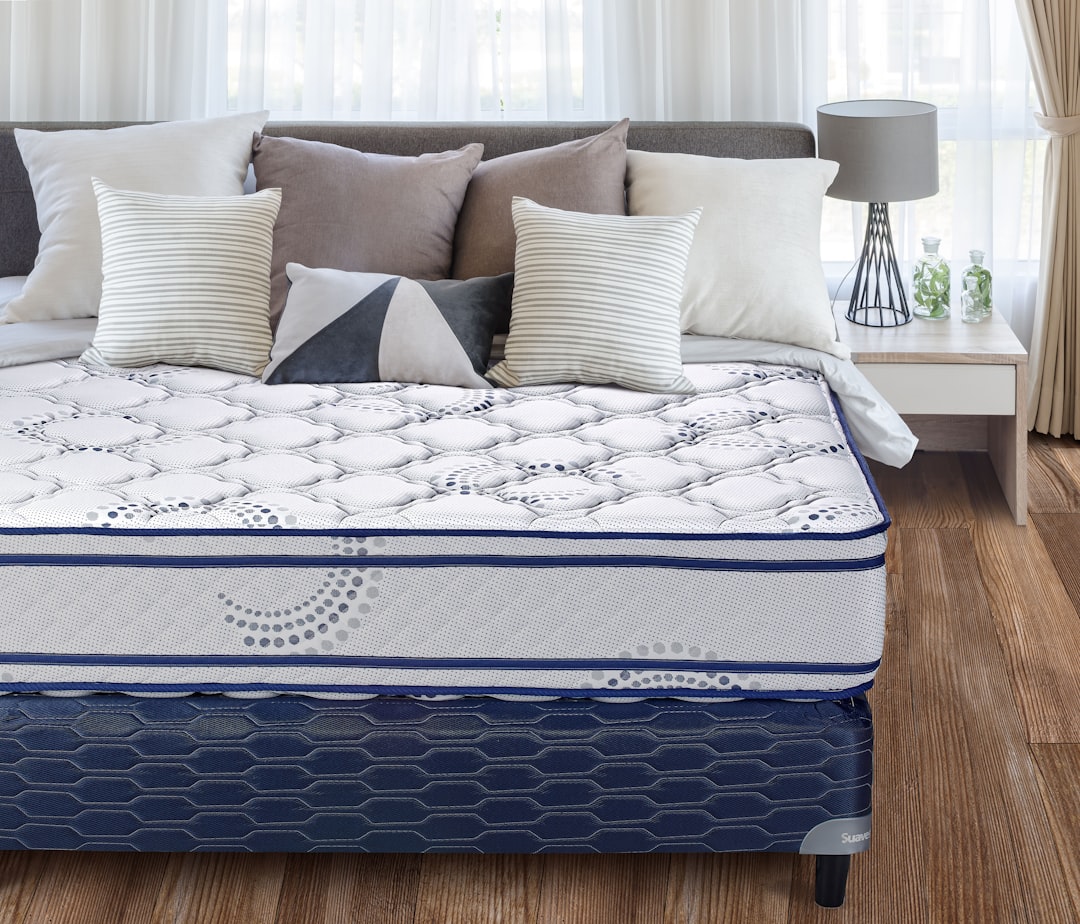
You’ll see plenty of mattresses touting cooling tech online, but a phase-change material layer isn’t something you can judge from a thumbnail image. That’s why a trip to a showroom isn’t just about browsing—it’s a necessary diagnostic step. The whole point is to lie down and actually feel what happens. A fifteen-minute test isn’t excessive; it’s the minimum time needed for your body to settle and the material to respond. You’re checking if that initial cool touch stays superficial, like a chilled surface that warms up quickly, or if it genuinely penetrates and regulates throughout the contact.
Body weight distribution matters enormously here. A mattress might feel perfectly supportive when you’re standing, but once you’re horizontal, your hips and shoulders sink differently. Testing the firmness options against your actual weight reveals whether the cooling layer adapts or gets compressed into inefficiency. Don’t just flop down and get up. Shift positions, roll onto your side, mimic how you actually sleep. The difference between a medium and a firm variant can be subtle on paper, but under your own frame it becomes obvious—one might let your spine sag while the other keeps the PCM layer properly engaged.
There’s a counterintuitive point many overlook: your own body heat is the test instrument. A showroom’s ambient air conditioning can mask a mattress’s true performance. You need to generate your own warmth on the spot to see if the material absorbs and dissipates it effectively. That’s something you can’t simulate at home before buying. If the cooling sensation feels strong for the first five minutes but then plateaus into a standard mattress feel, it’s likely not doing the deeper work you need for a whole night in a non-air-conditioned room.
So make the trip. It’s the only way to know if the technology is integrated properly or just a surface treatment. A mattress type can sleep cool when it's the right type — gel-infused or open-cell foam tackles the heat retention that plain foam is prone to, at a value price. It's worth treating cooling as a deciding factor rather than an afterthought when choosing foam in the tropics. Look for the cooling technology named explicitly, not just "breathable". For a budget-friendly cooling option, the gel and open-cell foam models are where to look.. The exception would be if you’re perfectly familiar with a specific brand’s feel and are simply reordering the same model—then you can skip. But for any new purchase, especially with a specialised feature like this, the in-person assessment is non-negotiable. You’ll save yourself the hassle of a return and the disappointment of a hot, restless night.
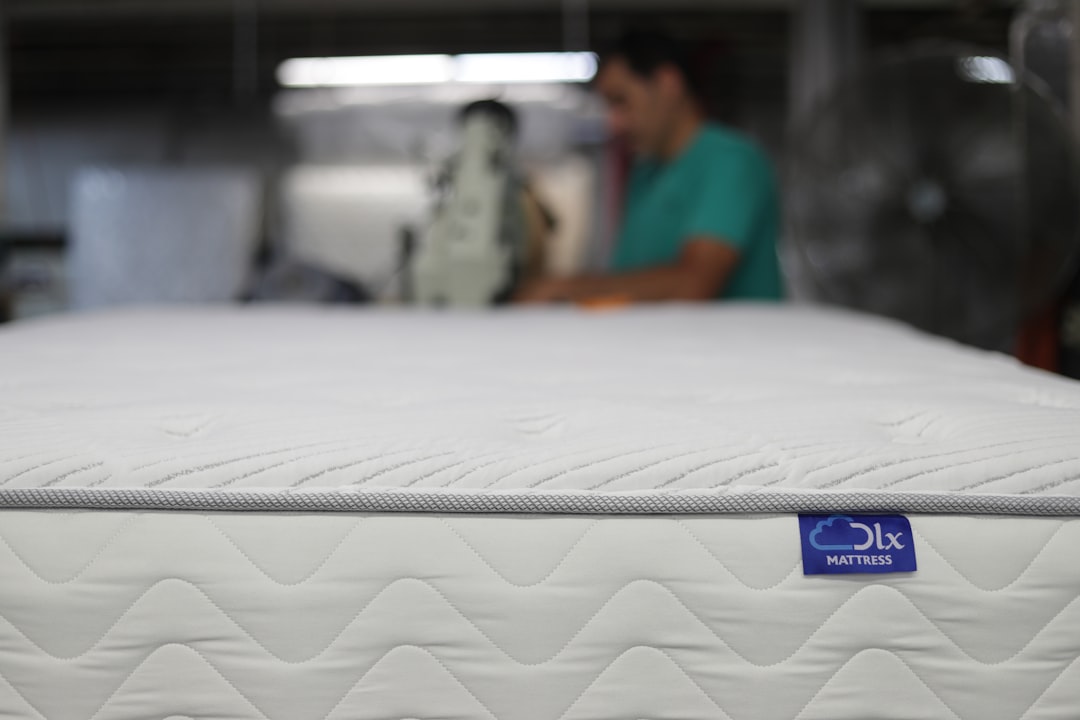
A quick search shows the same few cooling mattress queries popping up again and again. Singapore buyers are practical—they want to know if the tech actually works in their specific situation.
Do cooling mattresses work without aircon? They do, but the effect is different. In a non-aircon room, the mattress can’t lower the ambient temperature, which might stay at 28°C or higher. What it does is actively pull heat away from your body, so you’re sleeping on a surface that feels neutral, not a heat trap. You won’t get a ‘cold’ bed, but you’ll avoid that sweaty, stuck feeling that regular foam gives you in our climate. It’s a noticeable upgrade, even with the windows open.
Is a cooling mattress good for menopause? For hot flushes, it’s one of the better investments you can make. The sudden heat surge isn’t coming from the room—it’s coming from you. A cooling mattress with phase-change materials or gel foam absorbs that spike, bringing your skin temperature back down faster. It doesn’t stop the flush, but it stops you from lying in a pool of your own heat, which can make the whole episode less miserable and help you get back to sleep. It’s a targeted solution for a very specific problem.
What is the lifespan of a phase change mattress? The phase-change layer itself is durable, often lasting the full lifespan of the mattress, which is typically around seven to ten years with proper care. The concern isn’t the cooling tech wearing out; it’s the surrounding foam layers compressing over time. Cooling shows up differently across constructions, so browsing by Somnuz helps — gel memory foam cools a contouring feel, latex breathes naturally, and hybrid uses its coil base for airflow. Each keeps you cool by a different mechanism, so the type shapes how the cooling works. Pure traditional foam without cooling tech is the one to be wary of in the heat. Matching the type to how cool you need to sleep narrows the field fast.. A good hybrid design, with the phase-change material integrated into a resilient latex or coil core, will maintain its support and cooling function for longer. Cheaper models where the cooling gel is just a thin top layer on basic foam might see the support fail first.
Can I put a cooling mattress on a storage bed? Yes, absolutely. The mattress doesn’t care what’s underneath it, as long as the base is solid and supportive. A storage bed with a slatted or solid platform works fine. The one thing to watch is airflow—if you’re using a mattress that relies partly on breathability, like aerated latex or a ventilated coil system, make sure the storage bed base isn’t a completely sealed solid panel. Some airflow from below helps, but it’s not a deal-breaker. Most modern storage beds are designed for this already.
Walk into a showroom unprepared and you’ll find yourself lost in a sea of options, swayed by sales patter, and likely walking out with a mattress that doesn’t quite fit your life. A little groundwork at home saves you hours of indecision later.
First, get the tape measure out. Not just for the mattress, but for the whole frame. A Queen is 152 by 190cm, but the actual bed frame can add another 5–10cm on each side. In a 3.5 by 3 metre BTO master bedroom, that extra width can mean you lose your precious 60cm clearance on one side, leaving you squeezed against the wardrobe. Measure your doorway too—internal bedroom doors are usually the tightest point, and a flexible mattress can bend into a lift a rigid foundation can’t. Don’t assume a standard size will just slide in.
Next, consider the climate in your actual room. If your bedroom relies on a ceiling fan and cross-ventilation, that’s a different beast from an air-conditioned space. A mattress with advanced cooling tech might perform brilliantly, but it still needs air movement to dissipate the heat it draws away from your body. The clearest in-house cooling example is mattress range in Singapore Megafurniture's own line, whose mattresses use a breathable knitted Tencel® cover designed for the local climate, often over latex or pocketed-spring layers that keep air moving. Because it's the exclusive in-house brand, you get that cool-sleeping build without the name-brand markup. For a cooling mattress that's well-made and good value, the Somnuz line is a natural starting point.. Check your window placement and fan direction; a mattress that works in a sealed, cooled room might struggle in a naturally ventilated one where ambient temperatures often exceed 28°C. This is where your existing pillow becomes a useful test tool—bring it to the showroom and lie down with it. A pillow that traps heat will undermine a cooling mattress’s effect, so feel the combo together.
Finally, lock in your numbers. Set a firm budget cap before you leave home, and note your partner’s firmness preference in plain terms—soft, medium, firm. Disagreement on the showroom floor is a real momentum killer. The only exception to bringing your own pillow? If you’re planning to upgrade your entire sleep system anyway, then test with the store’s offerings. But for most, that familiar pillow is the best control variable you have.