The marketing tag shouts “cooling bamboo,” but the fine print hides the real story—the thread count and weave that actually let your skin breathe. You can find yourself lying on a mattress cover that promises chill yet feels like a plastic bag after midnight, all because the fabric’s too tight or the threads are too coarse. It’s a common trap in the showroom, where a hand can’t tell the difference between a 150 and a 300 thread-per-inch percale under the air-conditioning blast.
Take a typical 4-room BTO master bedroom, where the ambient temperature rarely dips below 28 degrees. That advertised “cooling” cover might feel fine for the first five minutes, but the real test comes in the dead of night when body heat builds up. A lower thread count, like 150 TPI, often uses a thicker yarn woven into a simpler pattern—it can feel crisp initially but lacks the fine, breathable structure to move moisture away consistently. The higher 300 TPI percale, with its tighter one-over-one-under weave, creates a smoother, denser surface that actually wicks better and feels lighter against the skin over hours.
You can feel the divergence if you compare them side-by-side. Run your palm over a 150 TPI sample and then a 300 TPI one; the higher count should feel noticeably finer and cooler to the touch, almost silky. The difference becomes stark when you press your wrist against the fabric under a warm light for a minute—the lower count fabric often holds the heat, while the percale lets it dissipate. It’s a small, tactile check that most buyers skip because they’re distracted by the material label.
The exception? A very loose, open weave can also promote airflow, but that’s a different beast altogether—it often feels rougher and less durable. For the balance of cool comfort and everyday longevity in our climate, a high-thread-count percale weave is the one to look for. Don’t just trust the tag that says “Tencel” or “bamboo”; get your fingers on the fabric and ask for the thread count. If the salesperson can’t tell you, that’s a red flag already.
You can have the best gel-infused memory foam core in the world, but if the cover is a cheap, non-breathable fabric, you’re still going to wake up feeling like you slept on a hot plate. That’s the classic resale flat dilemma—you upgrade the mattress itself, thinking the cooling gel will solve everything, only to find the trapped heat just sits against your skin all night. The cover isn’t just a pretty wrapper; it’s the first and most critical layer for temperature management, especially in a non-air-conditioned room where the air barely moves.
This is where the material choice gets serious. In a typical showroom, you’ll see covers labelled generically as ‘cooling’, but the real test is in the fibre. Bamboo-derived viscose is a strong contender—it’s naturally moisture-wicking and feels beautifully cool to the touch the moment you lie down. Tencel lyocell, however, often performs even better in our humidity. It’s not just about absorbing moisture; the fibre structure pulls sweat away from the body and disperses it to evaporate faster, which is what actually creates that cooling sensation. For someone experiencing night sweats, that rapid evaporation is the difference between a damp, sticky sheet and a dry, comfortable sleep.
Laying hands on the options side-by-side makes the difference clear. A bamboo cover feels instantly cool, a definite upgrade from basic polyester. But press your palm down and hold it for a minute—the Tencel one tends to stay consistently drier. That’s the microclimate it creates. For most hot sleepers in Singapore, the Tencel cover paired with a quality gel foam core is the combination that genuinely works. The only time I’d steer you towards the bamboo is if you’re particularly sensitive to texture and prefer that specific, silky-smooth handfeel over the marginally superior technical performance. Otherwise, the lyocell is the one to get.
Bamboo-Tencel blend is a performance fabric, not a simple cotton alternative. The fibres are engineered to wick moisture away from the skin faster than cotton can absorb it. This creates a continuous cooling effect, especially during those first few hours of sleep when body temperature peaks. In a west-facing room, afternoon sun heats up the space, and a cotton cover just holds that warmth against you. The blend actively manages that heat transfer, keeping the surface temperature lower. It’s a difference you feel immediately, not just over time.
Singapore’s eighty-plus percent humidity doesn’t just feel sticky; it degrades materials. Cotton absorbs that moisture, becoming heavier and less breathable throughout the night. A bamboo-Tencel weave, however, maintains its structure and drying speed even in sustained damp conditions. Over six months, cotton can develop a permanently damp feel in a non-air-conditioned room. The blend resists that saturation, which is why it stays effective longer. That longevity matters when you’re investing in a cooling solution.
The primary job of a cooling cover is to move heat away, not just to feel cool initially. Cotton tends to insulate after it absorbs your body heat, trapping it. The blend’s structure promotes constant air circulation through the fabric itself. This is crucial in a compact bedroom where air flow might be limited. It works in tandem with the mattress’s cooling layers, like gel foam or ventilated coils. Without this, even a good mattress can feel warm by midnight.
Cotton fibres can break down under repeated stress from washing and constant moisture. A blend reinforces the fabric’s strength, so it doesn’t thin out or pill as quickly. This means the cooling properties don’t fade after a few dozen washes. For sleepers who need to wash their bedding frequently due to heat or humidity, durability is a practical concern. You won’t see the fabric degrade or lose its colour as fast. It’s a cover that lasts as long as the mattress should.
The difference isn’t just in lab tests; it’s in how you sleep. Cotton might feel okay at the start, but it can become a warm, damp layer by the third hour. The blend maintains a consistent, dry feel throughout the entire night. This is particularly important for anyone experiencing night sweats or hot flushes. You’re not just buying a fabric; you’re buying sustained comfort. That reliable performance night after night is what makes the upgrade worthwhile.
It’s a classic Singapore bedroom scene: a Queen mattress wedged tight against three walls, a single casement window that opens just a crack, and a ceiling fan whirring pointlessly above a stagnant pocket of air. In a 12 sqm common bedroom, especially those in older resale flats or compact condo layouts, that’s the airflow mistake that makes even the best phase-change mattress cover feel like a marketing gimmick. The materials can only work if there’s ambient air movement to carry the heat away, otherwise you’re just trapping it.
The window is your other lever. Many of these rooms have only one, and if it’s blocked by the bedhead or a dresser, you’ve killed your intake. Even leaving it open a few inches overnight creates a pressure differential, pulling slightly cooler air across the room. Pair that with a standing fan angled low across the floor, and you create a moving air layer that works with the cover’s technology, not against it.
So the rule is simple: buy the cover by all means, but treat it as the final piece of a cooling system. The first pieces are the space around your bed and the path of the air through your room. Without those, you’re just paying for high-tech fabric to sit in a warm bath of its own displaced heat. Get the airflow right first, then the cover will actually perform.
Think about the physics. A cooling cover absorbs your body heat, but it needs somewhere to dump that energy. In a still room, the air around the bed heats up and the cover’s ability to regulate temperature plateaus. You need a cross-breeze, even a gentle one, to keep the cycle going. That’s why placement is non-negotiable. If possible, leave at least a 30cm gap on both long sides of the bed—sacrificing that under-bed storage zone might be necessary. This lets air circulate around the mattress, not just over it, and allows the ceiling fan to actually do its job.
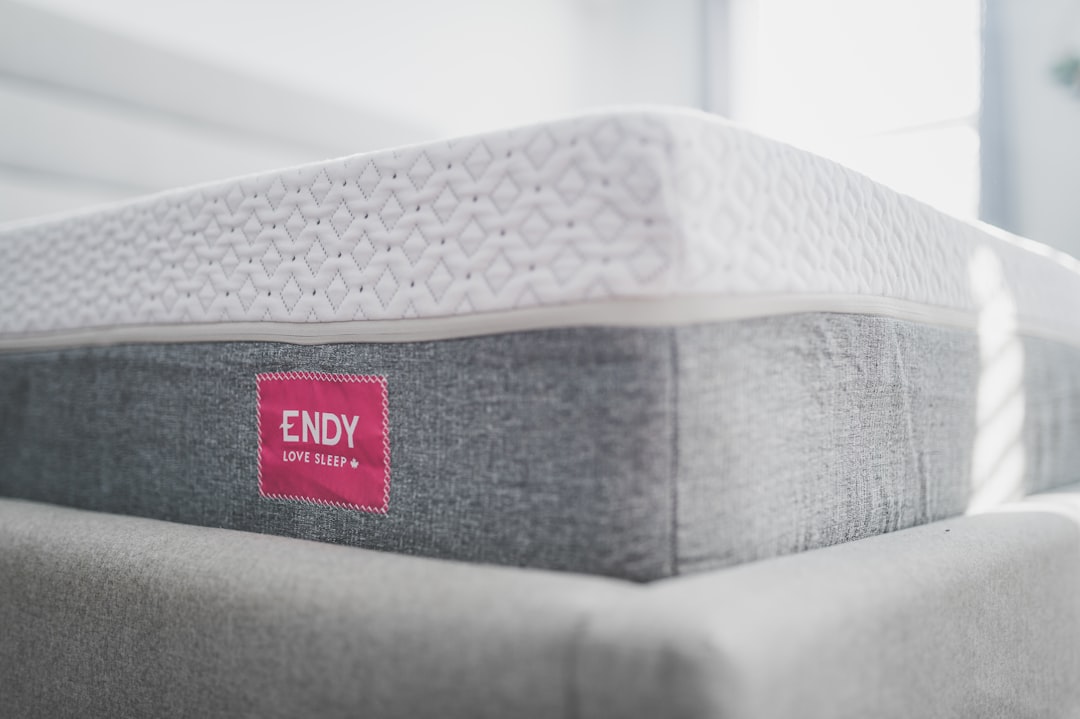
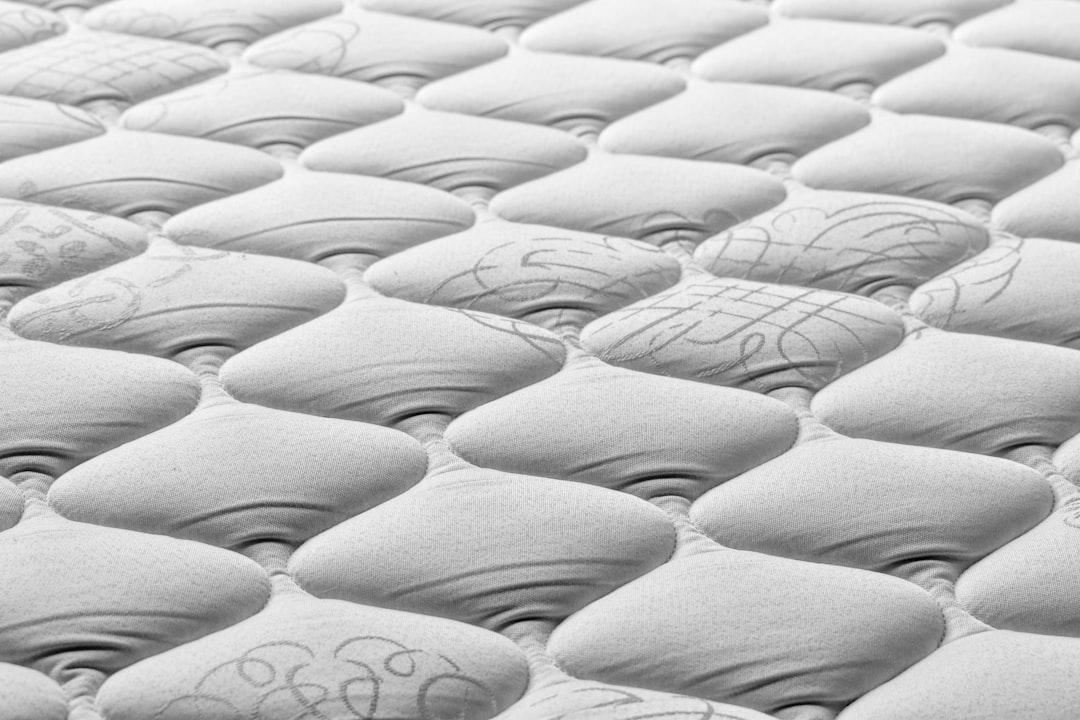

The price tag on a cooling mattress cover often tells you exactly how many tropical seasons it's built to survive. Budget options under $800 frequently rely on polyester-cotton blends—they feel cool initially and are easy on the wallet, but that's where the good news ends. For year-round use in our humidity, these blends start pilling and thinning within a couple of years, the fibres breaking down from constant washing and the sheer thermal stress of our climate. You're essentially buying a consumable, not a lasting piece of bedding.
Step up to the $1,500 band and you're paying for pure natural fibres like long-staple cotton or linen. These materials aren't just breathable; their cellular structure is inherently more resilient. They wick moisture efficiently without degrading, and they handle the wash cycle far better, maintaining their texture and cooling properties season after season. The investment here buys you out of the replace-every-two-years cycle, which, for a hot sleeper in a non-air-conditioned room, is a genuine long-term saving.
There's a clear verdict. If you're in a temporary setup or truly testing whether a cooling layer works for you, the budget blend has its place. But for anyone in their own flat—be it a BTO master or a resale bedroom—planning to stay cool for the next five to seven years, the natural fibre cover is the only sensible choice. The upfront cost stings, but the relentless Singapore climate will make a mockery of anything less durable.
The one real exception? If your household includes young children or pets prone to accidents, that premium linen cover might kena one too many stains to justify its cost. In that scenario, a mid-range blend with good stain resistance could be the pragmatic stopgap until the spill-prone years pass. Otherwise, stretch for the natural fibres—they're the ones that won't let you down when you're sweating through another 28°C night.
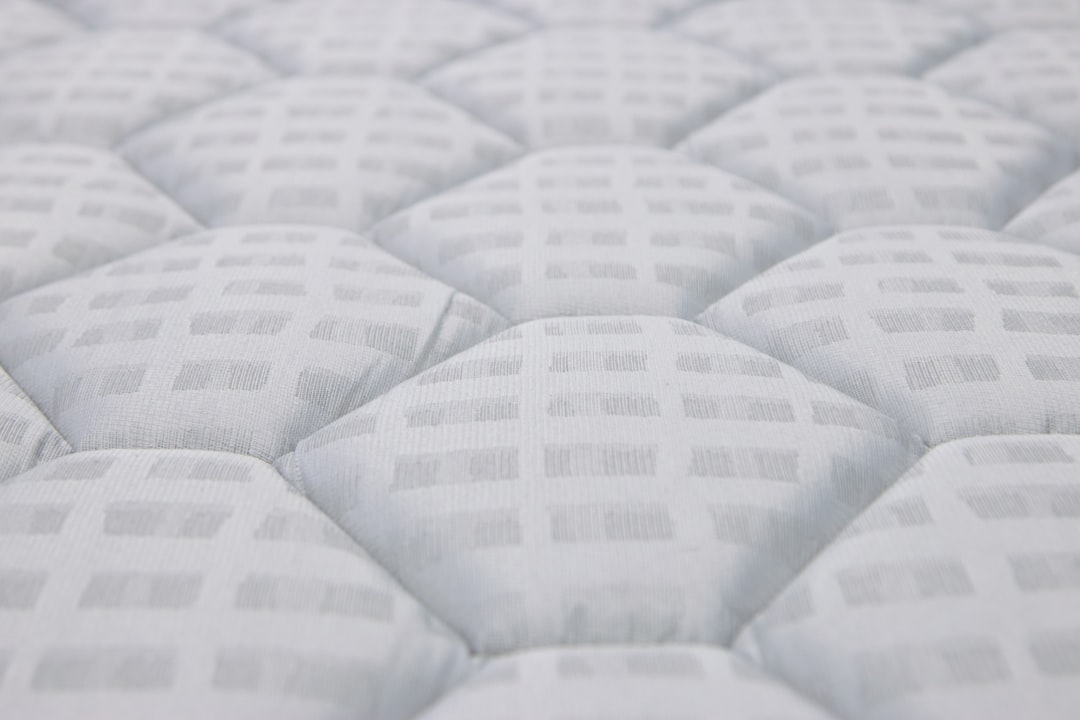
Walk into any furniture store and you’ll see fabric swatches mounted neatly on panels, their marketing claims printed beside them. Those printed words mean nothing without your own hand. At Megafurniture’s showrooms, whether you head to Joo Seng or make the trip to Tampines, the crucial step is to locate a Somnuz® mattress and lay your palm flat on its cover. Cooling claims translate directly to physical texture, and texture isn’t something you can read online.
What you’re feeling for is weave density. Run your fingertips across the surface—does it feel tightly woven and smooth, almost cool to the touch, or does it have a loose, slightly fuzzy nap that might trap air? Press down firmly with your whole hand for a good ten seconds, then lift it off. That initial cool sensation is the fabric wicking moisture away, but the real test is whether that chill lingers or if the heat from your palm soaks right back in. The good ones feel like they’re breathing.
Now, couple that hand test with lying down. Don’t just perch on the edge; get fully horizontal, the way you actually sleep. The cover fabric interacts with the mattress firmness underneath in a way a swatch never reveals. A firm foam core might feel supportive yet stifling if the cover is a dense, non-breathable polyester. Conversely, a beautifully airy, open-weave cover on a soft mattress might not offer enough structure. You need to assess them as a married pair, not as separate components.
There’s honestly no substitute for this in-person check. A cover that bills itself as “cooling bamboo” can vary wildly in actual handfeel—some are crisp and dry, others are surprisingly clingy. The only time I’d skip the trip is if you’re replacing a cover on a mattress you already own and love, and even then, you’d want to order a swatch first. For a new mattress, the half-hour journey to a showroom is non-negotiable. Your sleep quality for the next decade depends on that five-minute, eyes-closed, palm-down assessment.
" width="100%" height="480">Cooling mattress covers: Key factors affecting temperature regulationThe most telling thing about a hot sleeper's search history is the sheer desperation—you'll see queries that sound like they're typed at 3 a.m., when the sheet is a sticky mess and the air is so still it feels like a blanket. That's when the real questions come out, not the showroom brochure stuff.
Do cooling mattress covers work in non-air-conditioned rooms? They help, but they're not a magic bullet. A good bamboo or Tencel cover will wick moisture away from your skin, which is a huge relief when there's no moving air to do it. Think of it as giving your body a fighting chance instead of lying in a puddle. But if your room is a genuine heat trap, facing west and holding that afternoon sun like an oven, the cover alone can't beat physics. You're managing the symptom, not the room temperature.
Will bamboo cover help menopause night sweats? For the sudden, intense heat surge, bamboo is one of the better choices you can make. Its fibres are hollow, which means they pull sweat away from the skin incredibly fast—that rapid-dry feeling is what makes the difference between waking up drenched and sleeping through a minor flush. It's breathable enough that it won't trap the heat your own body is suddenly generating. Pair it with lightweight, natural fibre pyjamas and you've got a solid defence system.
Is cooling cover enough for memory foam mattress? Honestly, no. Memory foam is famous for sleeping hot because it conforms so closely it traps your body heat. A cooling cover acts as a much-needed barrier, a first line of defence that stops you from directly contacting the heat-retentive foam. But the heat has to go somewhere, and a standard memory foam core doesn't dissipate it well. For a real solution, you need a mattress engineered for cooling from the inside out, with gel infusions or ventilated layers that actively redirect the heat.
How long does cooling effect last in Singapore humidity? The effect is permanent in the fabric's structure, but the *feeling* of coolness relies on it being dry. In our 80%-plus humidity, a cover can get damp from the air alone. Once the fibres are saturated, they can't wick more moisture. That's why wash care matters—you need to follow cold wash instructions to keep those fibres open and effective. The cover won't wear out, but on a brutally humid night during the monsoon period, you might need the fan on high to help it do its job.
You’ve got the specs, you’ve felt the samples, and your wallet’s giving you the side-eye. This is where the showroom fantasy meets the reality of your 3-room BTO budget. That cooling cover with the fancy tech thread count? It’s only worth the premium if your hand test in the air-con showroom matches what you’ll feel at home in a non-air-con room. A high-thread-count sateen weave might feel luxurious, but a looser, percale weave often breathes better—and that’s the trade-off you’re paying for.
Don’t just run your fingers over it for two seconds. Press your whole palm down and hold it there for a minute. Does it stay cool, or does it start to trap warmth? That’s the real test. The blend ratio matters too: a 100% bamboo Tencel cover will feel different and carry a different price tag than a 60/40 bamboo-cotton mix. The pure version might wick faster, but the blend could be more durable. You need to decide which property you’re buying for.
Now, fit for your actual space. A thick, multi-layer cooling mattress can be 30cm or more in height. Your new bed frame might add another 15cm. In a standard BTO bedroom, a profile that tall can feel overwhelming, making the room look smaller. Measure your existing headboard or frame clearance, and visualise the final look. A low-profile platform bed might be a better partner for a thick mattress, keeping the overall height manageable.
So, the final call. If your budget is tight, prioritise the core cooling layer inside the mattress over an astronomically priced cover. A good, breathable fabric over a proper aerated latex or gel-grid core will serve you better than a miracle-fabric cover on a mediocre base. The only time to splurge on the top-tier cover is if you’re a truly extreme sleeper who needs every half-degree of advantage, and your layout can swallow the mattress thickness. Otherwise, match the weave to your sweat level, not the sales tag.
Cooling mattress covers rely on breathable, moisture-wicking fabrics like bamboo or Tencel to regulate temperature. These performance textiles actively draw heat and sweat away from the sleeper’s body, promoting airflow even in high humidity. Darker or patterned fabric covers can also help hide everyday stains over time, which is a practical consideration for long-term maintenance.