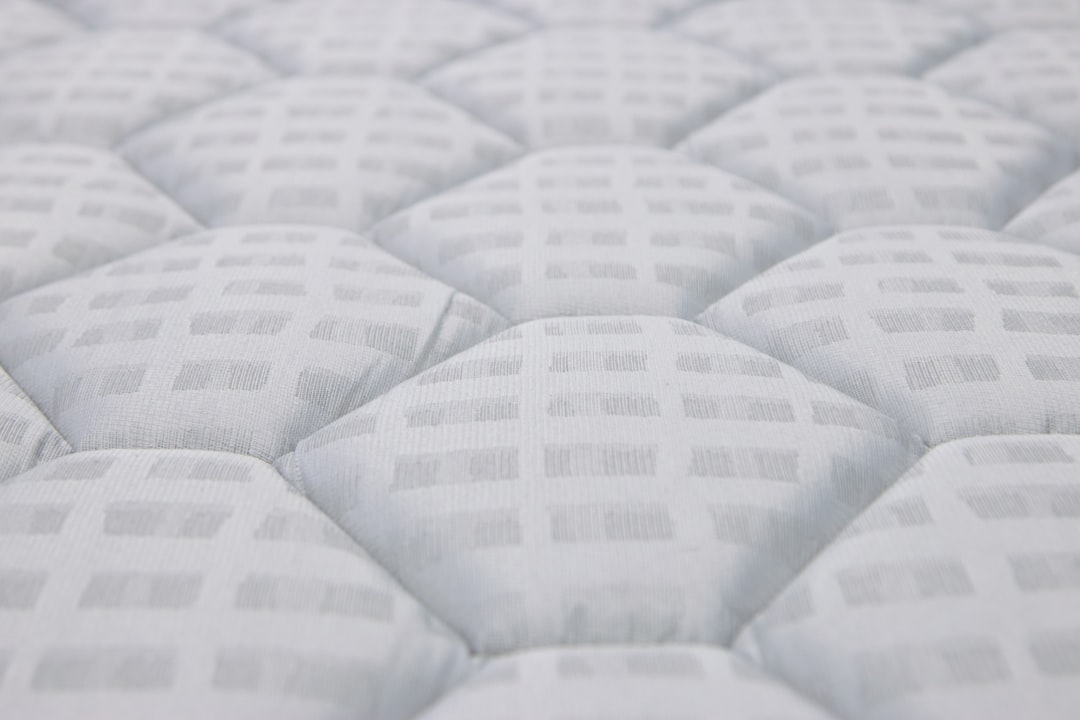
It’s a common misconception that a cooling mattress works in isolation. You can buy the most expensive ventilated latex or gel-infused memory foam, but if you plonk it on a solid platform, you’re essentially cooking it from below. That’s because these materials, even the aerated ones, are designed to cradle your body—and that means trapping warmth as part of the deal. Without a way for that heat to escape downwards, you’re sleeping on a thermal insulator, not a temperature regulator.
Think about a typical 28°C Singapore night in a non-air-conditioned room. Your body heat gets absorbed into the foam or latex core. On a solid base, that heat has nowhere to go but linger, slowly turning the entire mattress into a warm slab. You’ll feel it most around 3 a.m., when the accumulated warmth radiates back up. A slatted base creates that critical air gap, a simple chimney effect that lets the mattress breathe. The heat dissipates through the gaps instead of being reflected back at you.
Now, some might think a box spring or a solid foundation offers more support. For traditional spring mattresses, maybe. But for foam and latex, it’s a heat trap. The only real exception is if your bedroom is perpetually air-conditioned to a crisp 22°C—then the ambient chill does the work for you. For everyone else, especially those in west-facing flats that hold the day’s heat, that air gap isn’t a luxury. It’s the missing piece that lets your cooling mattress actually perform.
So when you’re choosing a bed frame, don’t just look at the storage or the headboard. Check the base. Proper slats, spaced a few centimetres apart, are non-negotiable for foam-based mattresses. It’s a small detail with an outsized impact on your sleep quality, turning a potential heat sink into a system that works with our climate, not against it.
That flat, solid platform looks so tidy under the mattress, a seamless foundation that promises extra storage or a clean modern line. What it actually does is create a perfect little trap for all the moisture in the air. In a non-air-conditioned HDB bedroom, where humidity often hovers around 80%, that sealed-off space becomes a stagnant pocket of damp warmth right against your mattress underside. The foam inside doesn’t stand a chance—it starts breaking down from the inside out, losing its support long before its time. You’ll notice the sag first, that permanent dip where you sleep, and wonder why a relatively new bed feels so tired.
It gets worse for a cooling mattress. All those clever layers on top—the gel infusions, the phase-change materials, the breathable covers—are fighting a losing battle if the heat they’re trying to dissipate has nowhere to go. The solid base acts like a hot plate, reflecting warmth back up and undermining the very technology you paid for. That lovely cool-to-the-touch feeling at bedtime? It’s gone by midnight, because the mattress is stewing in its own trapped heat. The effect is especially pronounced in our smaller common bedrooms, where air circulation is already limited; a 12 sqm room with a Queen-sized platform bed is basically creating its own humid microclimate.
Then there’s the mould. It’s not just a scare story. That damp, enclosed environment is exactly what mould spores love, and once they take hold in the mattress core or along the stitching, you can’t really clean it out. You’re left with a musty smell and a potential health concern, all because the mattress couldn’t breathe. For anyone particularly sensitive to heat—menopausal women experiencing flushes, or just a perennial hot sleeper—this setup is a surefire way to ruin a good night’s rest and a significant investment.
The only time a solid platform makes sense is if your bedroom is air-conditioned around the clock, and even then, you’re not giving the mattress its best shot at longevity. For the vast majority of us in Singapore’s climate, it’s a compromise that costs more in the long run. You’re sacrificing the mattress’s core function for a bit of hidden storage or a lower profile, and the consequence is a bed that gets hot, breaks down faster, and might even make you sick. That’s a high price for a clean look.
The space between slats isn't just an empty gap; it's a carefully engineered channel for air. In our climate, that channel's geometry dictates whether your cooling mattress can actually breathe from below or if it's just sitting on a solid platform. Too narrow, and you choke off the convection current that pulls heat and moisture down and away from your body throughout the night. Too wide, and you create a different problem entirely, one that has nothing to do with airflow. The sweet spot, typically between three to five centimetres, is a precise balance between open space and physical structure.
Wider spacing might seem better for ventilation, but it's a trap for your mattress. Slats spaced over five centimetres apart stop providing continuous support, allowing sections of your mattress to sag into the void. This is especially damaging for foam-core mattresses, which rely on a firm, evenly distributed base to maintain their shape and prevent premature indentations. Over months, that sagging creates permanent weak points, compromising the comfort layers and the mattress's overall integrity. You'll feel the uneven support long before you see the damage.
Conversely, slats packed too tightly together, under three centimetres, essentially create a solid board. This defeats the entire purpose of choosing a slatted base for a cooling mattress in the first place. The dense barrier traps heat and stifles the breathability promised by technologies like aerated latex or ventilated coil systems. In a typical non-air-conditioned bedroom, where ambient temperatures hold steady, this lack of under-bed airflow turns your sleep surface into a heat trap. That premium cooling cover and gel foam layer are working against a blocked foundation.
So where's the balance? For most sleepers here, the ideal range sits firmly between three and five centimetres. This spacing provides enough solid wood to properly support a Queen mattress across its full 152 by 190 centimetre span without risk of sagging. Simultaneously, it leaves ample open channel for the constant, low-level air movement needed to manage humidity and dissipate body heat. This isn't a luxury spec; it's a fundamental requirement for letting your mattress perform as designed in our year-round conditions. Getting it wrong means your investment in cooling technology is only half-effective.
You absolutely cannot judge this from a product photo online. The only way to know is to visit a showroom and see—or feel—the gap for yourself. Bring a small ruler or use a common item for scale, like a standard pen. Place it between the slats and note the space around it. Better yet, ask to see a mattress placed on the frame and press down near a gap; you should feel minimal give and imagine the air moving through. This five-minute check is more critical than agonising over wood stains or leg styles, because it directly impacts your sleep quality and your mattress's lifespan.
Cooling mattress maintenance in Singapore's climate focuses on managing moisture and airflow. Air out the mattress regularly, especially after unpacking or during prolonged humid spells, to prevent internal moisture build-up. Spot-clean the breathable bamboo or Tencel cover with a damp cloth and mild detergent—never soak it, as fabric covers can shrink. Direct sunlight can degrade cooling materials, so avoid placing your mattress near a window for extended periods.
The durability of a cooling mattress hinges on its material quality resisting heat and 80%+ humidity. High-density foam cores and phase-change materials are engineered for stability, but proper ventilation is key to their long-term performance. A breathable, removable cover protects the core and can be refreshed to maintain its cooling effect over years. Warranty coverage typically addresses structural defects, not gradual wear from climate exposure or fabric changes.
The afternoon sun in a west-facing room is a brutal test for any bed frame. You’ve got the heat, you’ve got the humidity often north of 80%, and you’ve got a cooling mattress that needs steady air circulation underneath to do its job. If the frame holding it all up warps or swells, that vital airflow gets choked off. That’s where your material choice stops being an aesthetic one and becomes a functional necessity.
Engineered timber, on the other hand, is a gamble. The good stuff—multi-layered plywood—is actually quite stable. But many affordable frames use a core of particleboard or MDF, and that’s the problem. Those materials are like sponges for moisture; they swell, they soften, and over time they can crumble at the joints. A frame that starts life perfectly flat can develop a subtle sag or a stubborn bulge where the core has absorbed damp air season after season. Once that happens, the even support for your cooling mattress is compromised.
For the long haul in our climate, solid rubberwood gets my vote. It’s a kiln-dried hardwood, which means it’s been baked to stabilise it against the moisture in the air. The fibres are dense, so it resists the twisting and bowing that can turn a flat slat into a curved one. A rubberwood frame might feel the humidity—all solid wood moves a little—but it won’t give up and permanently deform after a few monsoon seasons. Your mattress stays properly supported, with those gaps between the slats staying open for air to move.
So, solid rubberwood is the straightforward pick for durability. The only time I’d steer you towards a well-made engineered timber frame is if you’re absolutely set on a specific, modern design that only comes in that finish. Even then, you must check the core material—insist on plywood, walk away from anything that feels suspiciously light or has a raw, fuzzy edge that hints at particleboard. Your mattress’s cooling tech is an investment; don’t let a weak foundation undermine it.
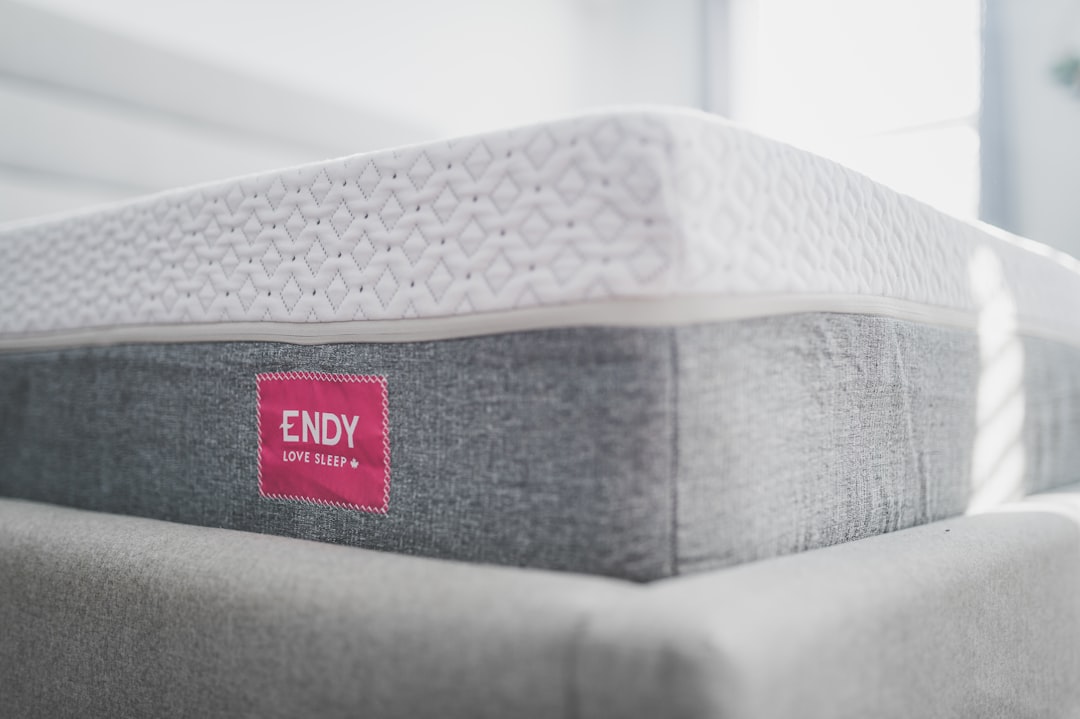
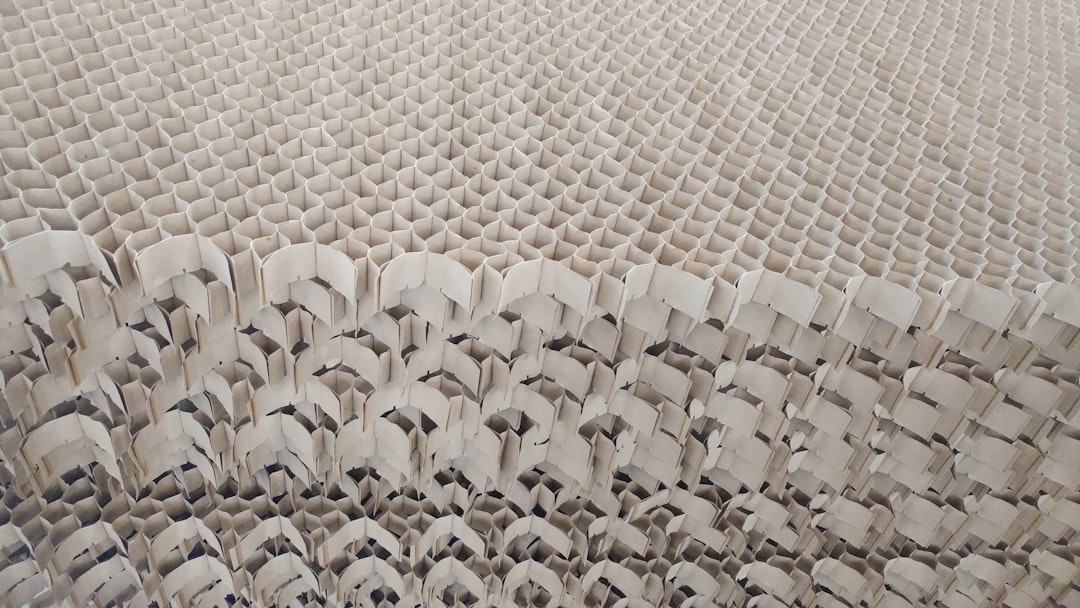


You can read a hundred reviews about a mattress, but you’ll never know how it really feels until you press down on it with your own hands and sit on it with your own backside. That’s the whole point of making the trip to a showroom. For something as personal as a cooling mattress, which you’re hoping will keep you comfortable through our humid nights, the combined feel of the mattress and the frame underneath is everything. You need to experience how the slats give under your weight and test whether the edge support holds when you get in and out of bed.
Many buyers focus solely on the mattress, forgetting that the frame dictates a good part of the feel. A slatted base with wider gaps promotes airflow, which is crucial for that cooling effect to work properly, but those gaps also affect firmness. You have to sit right in the centre of the mattress, then shift to the edge. Lean your weight onto one side—does the frame feel stable or does it creak? For anyone with a sore back, this isn’t a luxury test; it’s a necessity. A mismatch here can turn a perfectly good cooling mattress into a nightly disappointment.
There’s one specific test most people overlook. Don’t just perch on the edge; lie down flat on your side for a full minute. That’s when you’ll feel if the slats are spaced in a way that provides consistent support for your hips and shoulders, or if there’s an uncomfortable dip. It’s also the only way to judge if the mattress’s cooling materials—the gel layers or aerated latex—compress too much against the frame, potentially reducing their breathability. You can’t get that from a brochure or a website image.
The exception? Honestly, if you’re buying an exact replacement for a setup you already love, and you’re certain the frame and mattress specs are identical, you might skip the showroom visit. But that’s a rare situation. For any new combination, especially when you’re investing in a cooling system for Singapore’s climate, seeing and feeling the pairing in person is the only way to be sure. You’ll know within minutes if the support is right for your posture, and that peace of mind is worth the trip to Joo Seng or Tampines.
A cooling mattress can’t do its best work if it's suffocated—that’s the simple truth. So when buyers ask if their existing platform frame can work with slats, the answer is usually no. Most solid platforms are designed to block airflow, trapping your expensive cooling gel foam or latex in a pocket of your own heat. You’ll lose the breathability you paid for. The only real exception is if your existing frame has a built-in grid of openings wider than your palm; otherwise, you’re better off starting fresh.
Can you just slap a cooling topper on any mattress and call it a day? That's a common workaround, but it’s a band-aid, not a cure. A topper adds another layer that can actually insulate your body heat if the core mattress below is a dense, heat-trapping type. For hot sleepers, the foundation matters as much as the surface. A cooling mattress on proper slats creates a full sleep system where air can move above and below you—something a topper alone won’t fix.
Rotation schedules get asked about a lot. On a solid base, you’d rotate a mattress head-to-foot every six months to even out wear. But with a slatted frame that promotes even air circulation, you can stretch that to once a year. The support is more uniform, so you’re not fighting a single pressure point. Just mark your calendar for after the year-end monsoon; it's an easy habit to keep.
And yes, a slatted base will change the feel. It generally lets the mattress flex a bit more, which can make a firm cooling model feel slightly more forgiving. That’s a good thing for most, but if you’re someone who needs absolute, unyielding firmness for your back, test it out first. For the vast majority sweating through our nights, that little bit of give is a welcome trade-off for the ventilation you gain.

You’ve got the mattress specs down and the frame style picked out, but the final check happens back at your own four walls. That last measurement isn’t about the showroom floor; it’s about your lift lobby and bedroom door. A Queen frame might fit the room, but if it can’t navigate a 90cm lift door or a tight corridor turn, you’re looking at staircase delivery charges or a very awkward return. The mattress, being flexible, usually bends its way in—the rigid bed frame is the real test.
Confirm your exact route from the lorry drop-off point to the bedroom. Measure the lift interior depth, but pay closer attention to the door opening width. Older HDB blocks sometimes have even tighter entries. That extra centimetre from skirting boards matters, so leave a buffer. For a storage bed with drawers, remember you’ll need floor space on at least one side to pull them out fully—a 152cm Queen bed in a 3.5 by 3 metre room leaves little margin.
Then, there’s the assembled height with your chosen cooling mattress on top. A thick, aerated latex mattress plus a tall slatted frame can push the sleeping surface surprisingly high. That affects your bedlinen—deep-pocket fitted sheets are a must—and it might completely block under-bed storage plans. If you were counting on sliding bins underneath, measure the clearance you’ll actually have left.
The one time to ignore this step? If you’re buying a mattress and frame separately, with plans to assemble the frame inside the room. Then, the biggest piece coming in is just the mattress, rolled and flexible. But for a pre-assembled or large bed frame, measuring twice at home before you buy is the only way to avoid a logistical headache. Don’t just picture it fitting—know the numbers.