You see that word ‘cooling’ printed on the packaging and think the job is done. It’s an easy assumption, especially when you’re standing in a showroom with the air-con blasting. But slap that same protector onto a memory foam mattress in a non-air-conditioned Bedok flat, and the disappointment hits you by the second night. The label promised a cooler sleep, but you’re just adding another layer that traps your body heat against the foam’s dense surface.
The problem is that ‘cooling’ isn’t a single technology—it’s a category. Some protectors work by wicking moisture, which feels briefly cooler as sweat evaporates. Others use phase-change materials that actively absorb heat to maintain a stable temperature. Then there are the simple, breathable cotton or bamboo covers that just allow for better airflow compared to a cheap polyester barrier. If your mattress is already a heat-retaining memory foam, a basic moisture-wicking protector won’t cut it; you need one that actively disrupts heat buildup.
Think about the physics. A memory foam mattress conforms closely, reducing air circulation around your body. A protector that’s merely thin and breathable might help a little, but it’s not tackling the core issue of heat retention. You need a protector designed to be a thermal barrier, something with cooling gel infusions or a phase-change lining that pulls heat away from the surface. Otherwise, you’re just wrapping your oven in a slightly perforated foil—it might vent a bit, but the heat’s still there.
There’s only one real exception to this rule. If your mattress is already a high-end, actively cooling model—say, one with gel grids or aerated latex—then a simple, breathable protector is actually the smarter choice. Adding a heavy-duty thermal layer on top of an engineered cooling system can sometimes interfere with its function. But for the vast majority of us on standard foam or hybrid mattresses, assuming any ‘cooling’ label will do is a sure way to waste your money and your sleep.
A cooling mattress must resist Singapore's 80%+ humidity to maintain its structure and cooling properties. Opt for breathable, moisture-wicking fabrics like Tencel or bamboo covers that won't trap dampness. Ensure the internal cooling gels or phase-change materials are encased to prevent degradation from ambient moisture over years of use.
Buy a cooling mattress, then slap any old protector on top? That’s how you undo your own purchase. You spent good money on a material engineered to breathe or dissipate heat—gel foam, latex, ventilated coils—only to seal it under a layer that acts like a plastic bag. The wrong pairing will trap more warmth than it dissipates, turning your cool investment into a humid, sticky slab by the third night.
Think about how each core works. A gel-infused memory foam mattress pulls heat into its layers to disperse it slowly; it needs a protector that doesn’t block that transfer. A thick, quilted cotton pad with a waterproof membrane? That’s a thermal barrier. For gel foam, you want a protector that’s ultra-thin, maybe with a phase-change fabric on the sleeping surface, and a breathable underside that lets the mattress do its job. An aerated latex model, on the other hand, works by channelling air through its structure. Smother those air channels with a non-porous cover, and you’ve just cancelled the aeration. That one needs a protector built like a mesh jersey—stretchy, minimal, and as open as the latex itself.
The common mistake is treating all protectors as just a stain shield. In our climate, the protector’s breathability is its primary function. For a hybrid with pocketed coils and a cooling Tencel cover, you’re looking for a protector that mirrors that cover’s moisture-wicking property, not one that adds another separate layer of padding. A bamboo-derived rayon protector can work well here, provided its backing is a breathable membrane, not a rubberised sheet.
There’s really only one case where you can be less fussy: if your mattress is a basic, non-cooling model and you’re just adding a protector for hygiene. Then, any decent waterproof one will do. But if you bought a mattress specifically for its cooling tech, matching the protector isn’t an extra step—it’s the step that makes the whole thing work. Don’t let the last layer you add be the one that ruins the first layer you bought.
That thick, plastic-feeling protector you bought for the kids' room is creating a vapour barrier. It traps all the moisture from their bodies inside the mattress system instead of letting it escape. You'll find the sheet feels clammy, and the mattress below stays damp—that's a recipe for mould in our 80%+ humidity. It completely defeats the point of a cooling mattress engineered with breathable covers or ventilated coils. The protector becomes a sauna suit for your bed, and nobody sleeps well in that.
Waking up feeling damp and sticky isn't just uncomfortable; it ruins sleep quality. When a waterproof layer doesn't breathe, perspiration has nowhere to go, so it condenses against the sleeper's skin. This negates any phase-change materials or cooling gel foam built into the mattress itself, as heat and moisture get trapped at the surface. For menopausal women experiencing hot flushes or anyone in a non-air-conditioned room, this mistake turns the bed into a humidity trap. You're left with the exact problem you paid to solve.
There's a direct conflict between some waterproof technologies and breathability. Many affordable protectors use a polyurethane or vinyl backing that's completely impermeable to air and vapour. That layer might stop a spill, but it also smothers the mattress's natural airflow, whether it's aerated latex or a bamboo cover. You need a protector that uses a breathable membrane, one that blocks liquids but allows air molecules to pass through. Otherwise, you're literally wrapping your mattress in a plastic bag every night.
Think of your cooling mattress as a sophisticated heat-exchange system. Its materials work by pulling warmth away from your body and dissipating it. A non-breathable protector acts like a lid on that system, insulating you from the very technology you bought. All that clever engineering—the Tencel, the ventilated coils—becomes useless if the top layer doesn't let moisture vapour transmit through. It's like wearing a raincoat in a sauna; the heat has no escape route, and you'll overheat quickly.
The solution isn't to skip protection, especially with kids, but to choose wisely. Look for protectors specifically labelled as "breathable" or "moisture-wicking" with a high moisture vapour transmission rate. These often use specialised membranes that are hydrophobic to liquids but porous to air. They safeguard against accidents without creating that stifling microclimate. For a cooling mattress in Singapore, this balance isn't a luxury—it's the only way the mattress can actually perform its job. Get this wrong, and you've wasted your investment already.
" width="100%" height="480">How to choose the right cooling mattress protectorBamboo viscose gets a lot of hype for being cooling, and it’s not wrong—up to a point. The fabric wicks moisture away from your skin beautifully, which is a genuine relief when you’re stuck in that sticky pre-dawn humidity. But that’s its entire trick. Once it’s damp, it stays damp; the weave doesn’t dry particularly fast unless you’ve got a fan blasting directly on it. For a light sleeper who doesn’t sweat much, it’s a decent choice. For anyone prone to night sweats or sleeping in a non-air-conditioned room, you’ll find yourself lying on a cool patch that turns into a damp one by morning.
Then there are phase-change materials, the high-tech option. The promise is seductive: a fabric that actively absorbs heat when you’re too warm and releases it back when you cool down. In reality, lying on it in a 29°C bedroom feels less like a magic chill and more like a subtle, consistent neutral zone. You won’t get that initial “ahh” cold slap of bamboo, but you also won’t get the late-night dampness. It just keeps things from tipping into unbearable. The feel is a bit synthetic, though—sleek and slightly cool to the touch, not unlike a high-quality sports jersey. If your main issue is waking up drenched from hot flushes, that neutralising effect is worth the premium. For general stickiness, a good bamboo or Tencel does the job for less.
Tencel, on the other hand, is the workhorse. It feels similar to bamboo—that smooth, cool touch—but its real superpower is structure. The fibres are stronger when wet, so it survives the weekly wash cycle a queen-size protector in a family home will inevitably face. You can toss it in, wash it cold, and it won’t pill or fray after six months. That durability matters more than pure cooling feel for a lot of people, because a protector you’re afraid to wash is useless in our climate. The only time I’d steer someone away from Tencel is if they’re after that specific, slightly dry crispness of high-thread-count cotton—but cotton doesn’t wick, so that’s a trade-off.
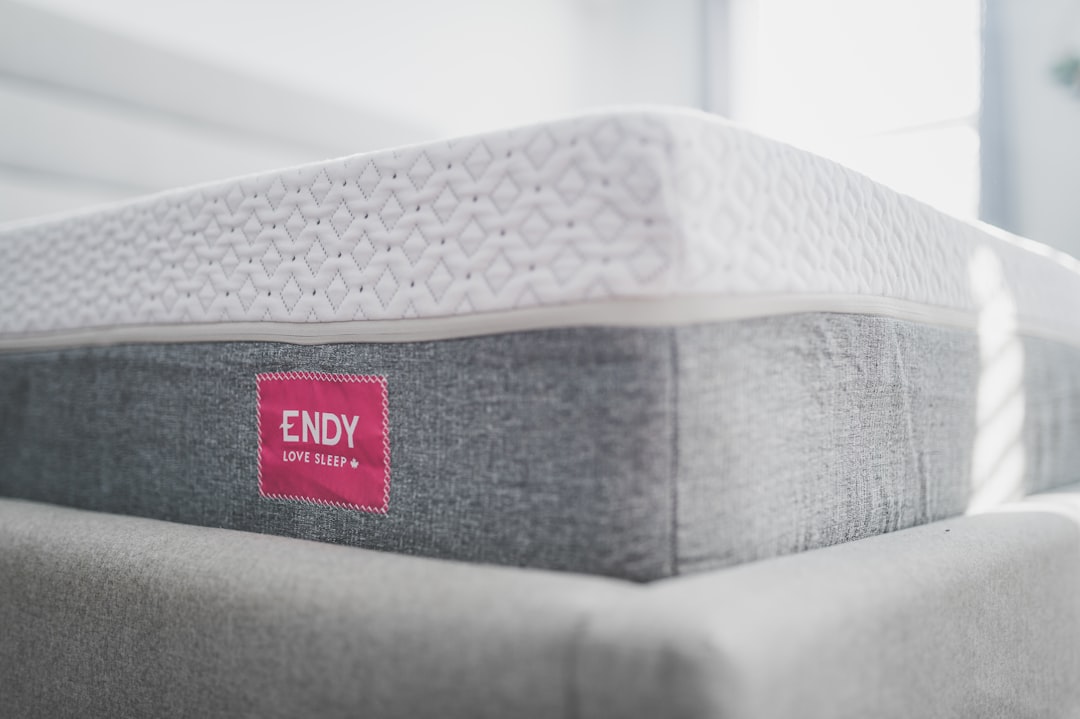

Pore over enough spec sheets online and you start to believe every cooling mattress feels the same: a cool-to-touch cover, some gel foam, a breathable layer. The reality only surfaces when you press your palm into one. The weave of the fabric, the subtle give of a phase-change layer, the way a protector sits on top—these are things a PDF can’t translate. For a purchase you’ll spend a third of your life on, that gap matters.
This is where a trip to a physical showroom becomes non-negotiable. You need to feel how a Tencel cover actually breathes against your skin in our ambient air, not in a conditioned mall. You need to test the protector-mattress synergy yourself. Laying a fitted protector over a display model at Megafurniture’s Joo Seng showroom, for instance, lets you check for bunching, hear the crinkle of a waterproof layer, and see if the edge still supports you. Does the protector’s own cooling claim complement the mattress, or does it add a plasticky barrier that traps heat? Your hand will tell you in seconds what a website description never could.
A common oversight is the feel of the mattress edge. Many online descriptions focus on the centre zone, but in a compact HDB bedroom, you often sit on the side to pull on socks or tie your laces. Does it hold firm, or does it collapse under your weight until your thigh hits the bed frame? That’s a durability and comfort question answered with a simple sit-test. Similarly, the weight and drape of a premium bamboo protector versus a basic polyester one—the difference is immediately apparent when you handle the samples they have on hand.
The only scenario where I’d skip the showroom is if you’re buying an exact replacement for a mattress you already love and know well. For anything new, especially a cooling system designed for our climate, the tactile visit saves you from a costly, sweaty guess. You can read all about aerated latex, but until you lie on a Somnuz model in a realistic setting, you won’t know if that particular firmness and airflow is right for your back and your nightly temperature. Your body’s feedback trumps any list of features.
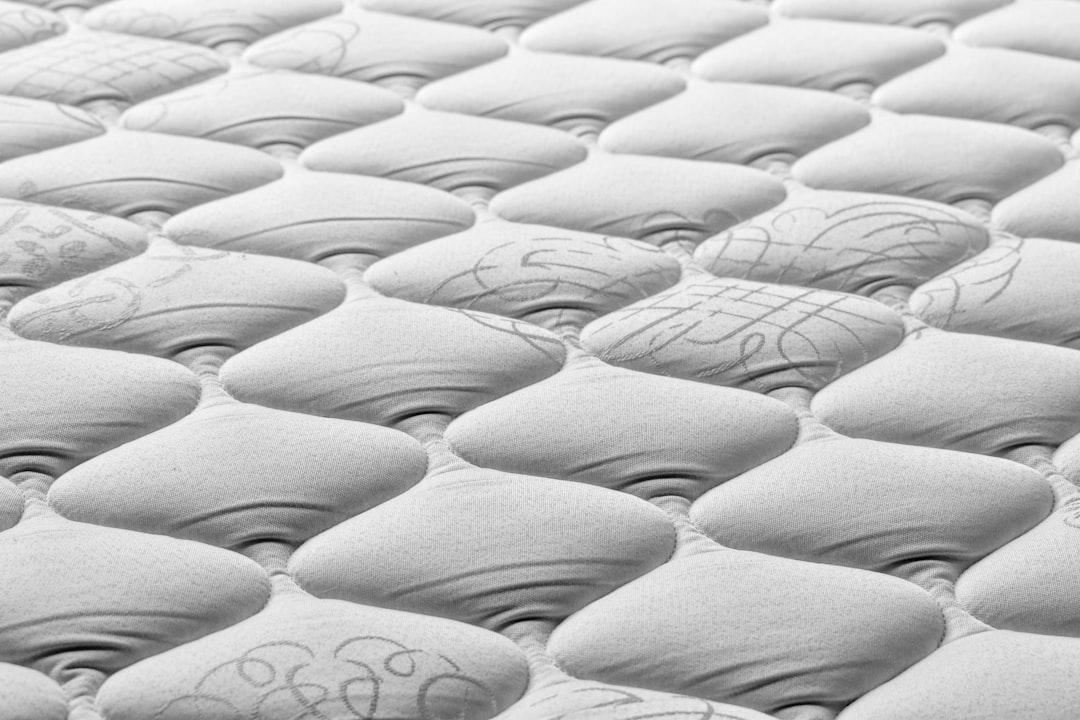
Think of that warranty card tucked inside your mattress box as a fragile contract. It’s full of small print, and one clause they’ll check first is whether you’ve used a proper protector. A loose, shifting cover isn’t just an annoyance—it’s a direct route to voiding your coverage. The logic is straightforward: if a protector bunches up, it creates uneven pressure points and friction against the mattress surface, which manufacturers can then blame for any premature sagging or fabric wear. Suddenly, that claim for a dip in the memory foam layer gets rejected because the evidence points to your ill-fitting cover.
This becomes absolutely critical with the deep-pocket hybrid models that are so common in condo bedrooms now. These mattresses are built tall, layering cooling gel foams over substantial coil systems, and they need a protector cut for their specific depth. A standard shallow-fit protector will strain at the seams, pull away at the corners with every turn, and never sit flush. That constant tug-of-war stresses the mattress’s own quilted layers. For a cooling mattress, a poor fit is doubly damaging—it can block the very ventilation channels engineered to dissipate heat, trapping warmth and defeating its primary purpose.
So what does a precise fit look like? It’s not just about claiming “deep pocket.” You need to match the numbers. Take your mattress’s exact height, from base to top, and add a few centimetres for the protector’s own skirt. A quality deep-fit version will hug the sides snugly, often with an elasticated band or skirt that grips underneath. There should be no excess material to wrinkle in the middle and no tightness that pulls the protector off the edges. It should look and feel like a second skin.
Skipping this step is a genuine risk. You’ve invested in a mattress designed for Singapore’s climate, one that uses phase-change materials or aerated latex to fight the 28°C nights. Compromise its performance and its warranty over a $50 protector that couldn’t be bothered to fit right? That’s a costly mistake. The only time you might get away with a less precise fit is with a very basic, thin foam mattress—but those rarely come with the lengthy, conditional warranties that make this advice so urgent. For anything of substance, a deep-fit protector is a non-negotiable part of the purchase, not an afterthought.
The search history of a hot sleeper tells you exactly what they're up against. It's not just about the mattress—it's about protecting that investment from the realities of our climate and our lives, without cancelling out the cooling tech you paid for.
'cooling mattress protector hot flushes Singapore' Look for a protector that's breathable first, waterproof second. A heavy plastic-backed cover will trap heat exactly where you don't want it. For sudden temperature spikes, a bamboo or Tencel cover with a moisture-wicking treatment works best; it pulls dampness away fast so you're not lying in a warm, damp patch. The goal is to stay dry, not just dry out the bed.
'best protector for memory foam too warm' This is a common fix. Memory foam is famous for hugging heat, so your protector needs to be its ventilation partner. Skip the quilted or padded types—they add another insulating layer. A thin, stretchy fitted cover made from a natural, open-weave fabric lets the foam's own breathability (if it has any) do its job. It's a simple barrier, not a blanket.
'how to wash bamboo mattress protector mould' If you see mould, it's already a humidity problem. Bamboo is naturally anti-microbial, but it can't fight a consistently damp environment. Wash it immediately in cold water on a gentle cycle—hot water can damage the fibres and any waterproof backing. Sun-drying is ideal to kill spores, but our monsoon weather makes that tricky; a low-heat tumble dry works. The real fix is improving bedroom airflow, because a protector isn't a dehumidifier.
'waterproof cooling protector for kids HDB' For a child's bed in a typical 4-room flat, you need a protector that handles accidents without turning the mattress into a sauna. A bamboo top with a breathable, waterproof membrane (look for terms like "airflow" or "ventilated") is the combo to find. It stops spills from reaching the mattress while still letting air circulate, which is crucial in our smaller common bedrooms where air might not move as freely.
The moment you hand over that deposit is the point of no return—all those tiny decisions you haven’t quite pinned down suddenly become permanent mistakes. To avoid that sinking feeling, lock in four things before you sign.
First, confirm the exact cooling material inside the mattress. Don’t just settle for “cooling gel foam.” Is it a gel-infused memory foam layer, or does it use phase-change material capsules? This matters because the care routine differs; some materials need you to avoid certain cleaning agents. Know what you’re buying so you know how to keep it working. Next, get a clear picture of your room’s typical night temperature. A west-facing room in a non-air-conditioned flat can trap heat long after sunset, which demands a different cooling performance than a north-facing, air-conditioned master bedroom. That number—whether it’s 26°C or 30°C—should guide your final choice on protector breathability.
Then, be brutally honest about the care you’re willing to provide. A bamboo-Tencel blend cover might feel shiok, but if it needs a cold wash and hang-dry every other week and you know you’re the type to forget, a simpler, less fussy fabric might serve you better in the long run. The protector that lasts is the one you’ll actually maintain.
Finally, and this is the one that trips up so many people, take the exact depth measurement of your mattress with its existing protector or fitted sheet on. Cooling protectors add bulk. That luxurious 30cm-thick mattress with a 5cm protector might not fit your existing fitted sheets, and you’ll be stuck buying all new bedding. Use a tape measure from the floor to the top, accounting for any skirting. Leave a 2–3cm buffer. The only time you can skip this step is if you’re buying a whole new bedding set anyway—otherwise, measure twice, pay once.