You’ve laid down, the room’s dark, and for the first hour everything feels fine. Then around two hours in, you’re awake again—not from noise, but from that familiar clammy feeling across your back and shoulders. The cover isn’t cool anymore; it’s damp, almost sticky. That’s the sign your mattress’s cooling claims aren’t cutting through our actual conditions.
Many cooling mattresses rely on a layer of gel-infused memory foam to do the job. In a controlled lab, that gel might work. But in a typical non-air-conditioned bedroom here, where overnight temps hover around 28°C and humidity is relentless, a single gel layer often gets overwhelmed. The foam itself, even with cooling beads, is still a dense material that traps heat. Your body warms it up, the gel can’t dissipate that heat fast enough against the warm, moist air, and the whole system stalls. You end up sleeping on a warmed-up slab, not a temperature-regulated one.
The cover material makes a huge difference here. A cheap polyester cover, even if it feels slick at first, will trap moisture against your skin. You want a cover that actively wicks and breathes—something like bamboo-derived viscose or Tencel lyocell. These fibres pull moisture away and let it evaporate. If your mattress cover feels clammy after a short while, that’s a tell it’s not the right fabric for our climate. It’s just sitting there, holding the sweat, not moving it.
There’s one exception: if you’re running the air-con all night, a simpler gel foam mattress might actually feel cool enough. But for the majority sleeping in natural air, that single technology isn’t enough. You need a combination—a breathable cover, a foam that’s inherently less heat-retentive like aerated latex, and a support layer that allows air to move, like a ventilated coil system. Without that layered approach, you’ll likely be waking up sweaty, no matter what the marketing tag says.
You wake up with a damp patch under your hips or shoulders, even though the rest of the mattress feels cool. That’s the tell. A cooling mattress should spread heat away from your pressure points, not trap it right where you lie. If those spots stay noticeably warmer, the top layers aren’t doing their job.
Those first few inches are where the battle happens. Cooling gel foam or phase-change materials are meant to absorb and redistribute heat, while breathable covers should let it escape. When they fail, your body weight compresses the material, cutting off airflow and creating a mini-insulator. It’s like sleeping on a thin cushion that’s lost its magic—you’re basically on a regular foam slab that just holds warmth.
This becomes a real issue in non-air-con rooms, especially west-facing ones. The afternoon sun heats up the whole space, and your mattress starts from a warmer baseline. Any weak spot in its cooling design gets amplified. You’re not just dealing with your body heat; you’re fighting the ambient temperature too. A mattress that performs well in a cool showroom might struggle completely in a real HDB bedroom that never drops below 28°C.
The fix isn’t always a new mattress, but you need to diagnose the failure. Sometimes it’s just a degraded cover that’s lost its breathability after years of washing. Other times, the cooling layer itself has become ineffective—phase-change materials can lose their capacity, or gel foams can stop conducting heat properly. If you’re shopping for a replacement, look beyond the marketing terms. Ask how the cooling works at the point of contact, not just across the whole surface. A ventilated coil system or aerated latex might handle pressure points better than a thin top layer of cooling foam that can’t cope with compression.
For most hot sleepers here, a mattress that fails at the hips and shoulders isn’t worth keeping. The exception is if you’ve added a thick, non-breathable mattress protector or sheet that’s blocking the technology—try stripping it back to the original cover first. Otherwise, that localised heat buildup means your cooling mattress isn’t cooling you.
A cooling mattress must resist Singapore's 80%+ humidity and sun exposure. Materials like breathable bamboo covers or aerated latex are chosen for their resilience to moisture and heat. Proper ventilation is key—ensuring the mattress core doesn't trap damp air, which can compromise its structure and cooling properties over the long term.
The Queen size, at 152x190cm, fits most HDB master bedrooms with space for movement. Leave about 60cm clearance on the exit side for easy access. Before ordering, measure your lift door and corridor turns, as the HDB lift opening of roughly 90cm wide is often the limiting factor for mattress delivery.
The classic memory foam experience isn't just about contouring your shoulders and hips. It's about that enveloping warmth that builds up over the night, a thermal blanket you can't shake off. In a climate where bedroom temperatures hover around twenty-eight degrees even after midnight, that extra trapped heat becomes a genuine discomfort. You're not just sinking into support; you're sinking into a pocket of your own accumulated body warmth. Gel infusions claim to combat this, but their effectiveness isn't a permanent guarantee. The initial cool-to-touch sensation can fade, leaving you with the same core material that's inherently less breathable than other options.
Those cooling gel beads or layers infused into the foam aren't magic. Over years of compression and body heat, their phase-change properties can diminish. They're designed to absorb and dissipate heat, but repeated cycles in a humid environment tax their capacity. What felt noticeably cooler in the showroom might not feel the same after eighteen months in your four-room BTO. This isn't a defect; it's a characteristic of the material's lifecycle. For a buyer prioritising long-term temperature regulation, this gradual loss of potency is a crucial, often overlooked, consideration.
You chose memory foam for its legendary pressure relief, especially if you deal with joint pain or need that cradle for your spine. That benefit is real and measurable. However, in Singapore's context, you're trading that relief for a sleep surface that actively retains warmth. It's a direct exchange: one comfort for another discomfort. The question becomes whether you can find a material that offers comparable support without the thermal penalty. For many hot sleepers, the answer leans toward alternatives that don't conform so closely, because that close conformity is precisely what traps the air—and the heat—around you.
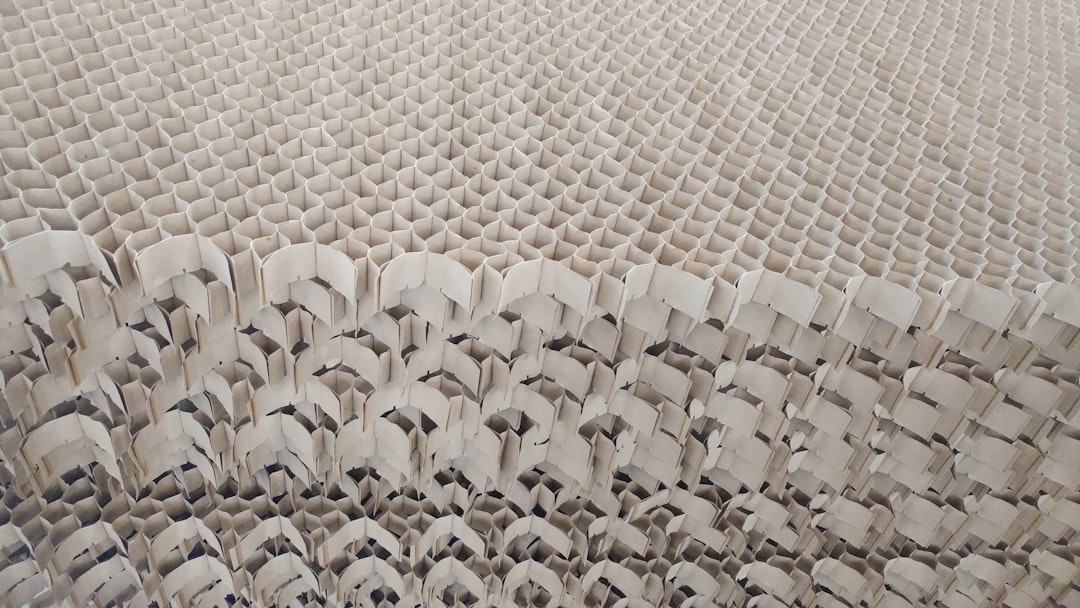
Breathability refers to how easily air moves through the mattress structure, carrying heat away from your body. Traditional memory foam is dense; its cells are designed to compress slowly and rebound slowly, which doesn't allow for rapid airflow. Compare that to aerated latex or a ventilated coil system, where air channels are part of the core design. Even a breathable bamboo cover can only manage the surface temperature; it can't solve the heat buildup deep within the foam layer. If the core material doesn't permit circulation, you're sleeping on an insulator, not a regulator.
Ultimately, this is a question of material suitability for our specific environment. A product engineered for a temperate climate, where retaining some warmth is a feature, performs differently here. The same sinking sensation that feels cosy in a cooler country becomes oppressive in a non-air-conditioned room during the mid-year humidity peak. Your body's need for pressure relief doesn't disappear, but the method of achieving it must adapt. Recognising that a mattress's performance is climate-dependent shifts the focus from generic comfort to localised performance—what works here, through our nights, matters more than what works elsewhere.
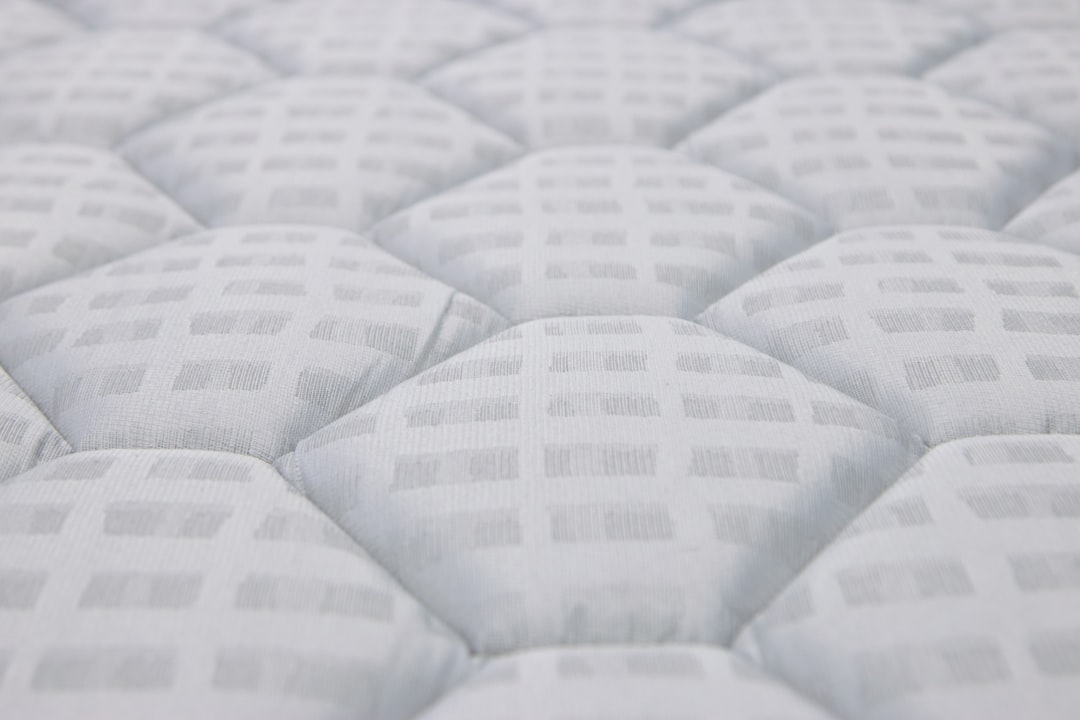
There's a particular kind of disappointment that comes with waking up to a damp mattress surface. You've followed all the care instructions, maybe even invested in a cooling cover, but the humidity's found its way through anyway. That dampness isn't just a nuisance; it's a clear signal that your mattress's cooling system has failed at its core task. The moisture-wicking properties of the cover have broken down, or the core materials simply aren't breathing properly anymore. In our climate, where bedroom humidity can spike well above 80%, a mattress that traps moisture is a liability.
The core issue often lies in the materials ageing or the design's inherent limitations. Phase-change materials can lose efficacy over time. Latex, while naturally aerated, can still be encased in a non-breathable fabric barrier. Even ventilated coil systems need a truly permeable top layer to work. If the surface fabric has degraded or if the foam layers below have compacted, the entire heat-and-moisture transfer chain breaks. You're left with a sponge instead of a conduit.
Ultimately, a damp discovery means the mattress isn't working for you anymore. It's not just uncomfortable; it creates an environment where mould can become a real concern. For hot sleepers, especially those in non-air-conditioned rooms or facing life stages like menopause, this failure is critical. You need a mattress that manages moisture as relentlessly as our climate produces it.
" width="100%" height="480">Signs your cooling mattress isn't working for night sweatsConsider the typical scenario: you've chosen a mattress touted for its cooling gel foam or breathable bamboo cover. For a while, it feels fine. Then, during a stretch of monsoon weather, you start noticing the sheets feel clammy by morning. Eventually, the dampness penetrates right through to the topper or the mattress surface itself. This isn't about a sweaty night; it's about the mattress failing to manage the moisture your body naturally releases in a hot, humid environment. A properly functioning cooling mattress should dissipate that moisture, not let it pool.
So what's the fix? First, assess the cover. If it's removable, check its specifications—true moisture-wicking fabrics like Tencel or advanced performance textiles should feel dry to the touch even after a night's use. If the cover itself is damp, that's your first point of failure. If the cover seems fine but the dampness is coming from deeper within the mattress, the core's breathability has gone. In Singapore's relentless humidity, a mattress that can't handle moisture is one you can't keep. The exception? If you've added a non-breathable, waterproof protector over a cooling mattress, you've sabotaged the system yourself. Remove it and let the mattress do its job.

You start with bamboo sheets, because they’re breathable and everyone says they’re cooling. Then you add a cooling pad, a thin gel mat that promises to absorb heat. Finally, you angle a standing fan directly at the bed, hoping the moving air will do the trick. It’s a common progression, a cascade of extra purchases that feels logical in the moment. But this stack of external aids is actually a clear signal: your mattress core isn’t managing your heat output. The bed itself has failed at its primary job.
For many, especially those experiencing night sweats, this mismatch is fundamental. The mattress might have a cooling cover or a layer of gel foam, but the core technology—whether it’s memory foam that traps heat or a poorly ventilated coil system—can’t handle a sustained high thermal load. You’re essentially trying to cool a heat source that’s constantly running, and the add-ons just aren’t powerful enough. In Singapore’s climate, where the bedroom rarely drops below 28°C, the problem is compounded. The ambient heat adds to your own, and a fan just circulates warm air.
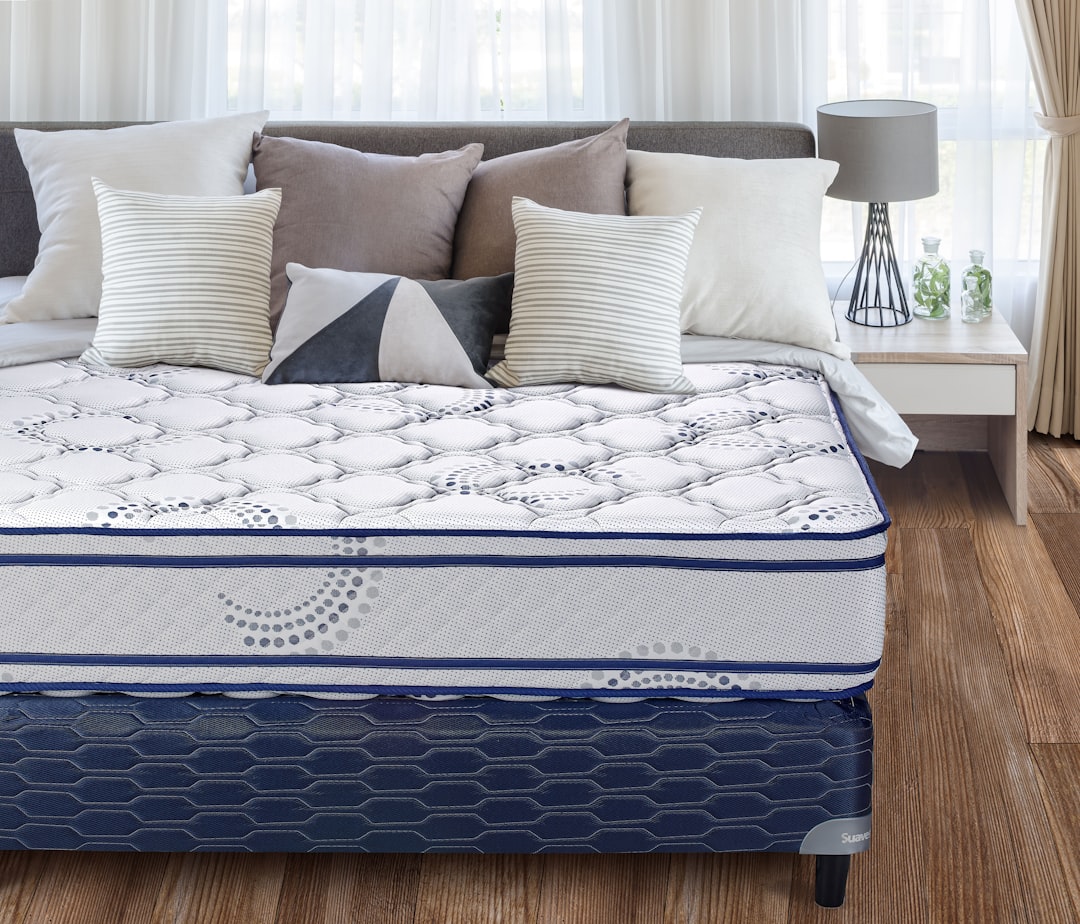
Consider the typical scenario: a Queen bed in a 4-room BTO master bedroom, no air-conditioning. The sleeper wakes up damp, buys a cooling pad, still feels the heat radiating from below. That’s the core issue. A mattress engineered for temperature regulation should work from within, dispersing heat away from the body through its materials and structure. If you’re layering solutions on top, you’re treating a symptom, not the cause. It’s an expensive and ultimately frustrating way to sleep.
There’s one exception where this approach might hold: for occasional, mild warmth, a simple bamboo sheet can enhance a mattress that’s already performing adequately. But if you’re regularly waking up hot, and you’ve already got a fan blowing, the mattress is the wrong one for you. The hacks become a permanent, cluttered necessity. You’re not solving the problem; you’re just admitting it every night when you switch on the fan.
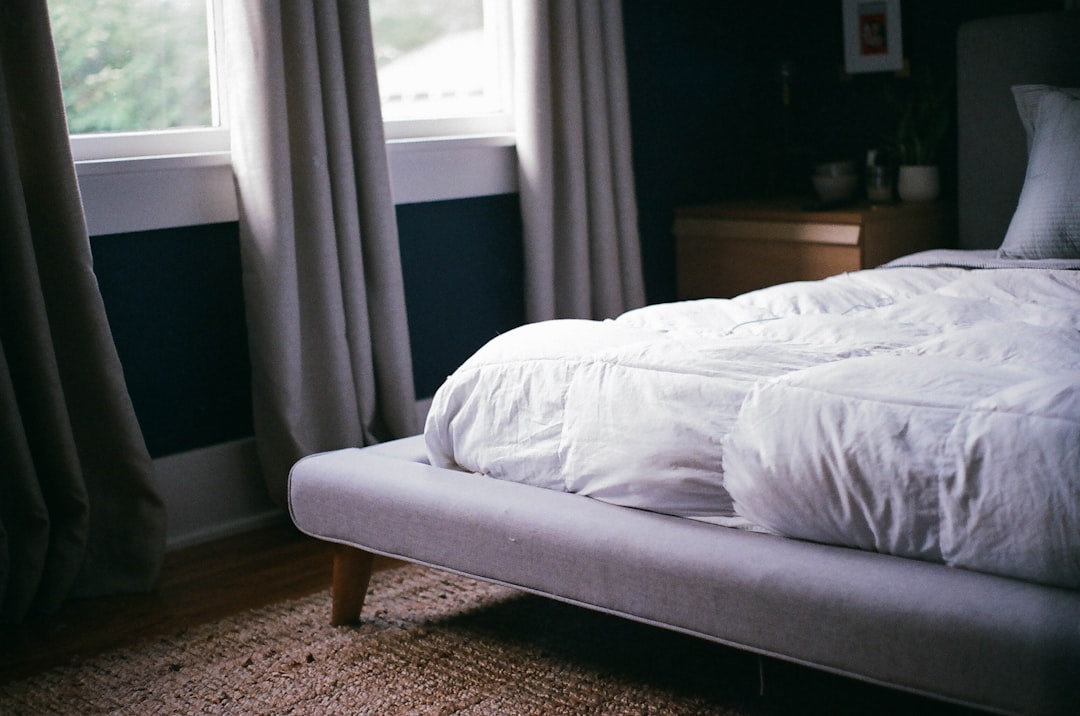
You can read a dozen reviews about cooling mattresses, but your own body will tell you the real story. The difference between aerated latex and gel memory foam isn’t just a spec sheet—it’s a physical sensation you need to experience. Latex has a quick, buoyant bounce that feels almost like support, while gel foam yields a slower, deeper sink that can feel restrictive if you shift positions often. That’s why a trip to a showroom isn’t optional; you need to lie down and feel the response under your own weight.
The breathability claim is another thing you can’t gauge online. A Tencel cover might look smooth and cool in pictures, but its real cooling potential only registers against bare skin. In a humid Tampines flat, that surface feel matters almost as much as the core material. You’ll notice latex allows more air movement through its structure, while gel foam’s denser composition relies more on the cover and its own infused gel to pull heat away. Which one works better for you depends entirely on how much you naturally generate heat.
I’d lean towards latex for most hot sleepers in Singapore, especially if you’re in a non-air-conditioned room. The inherent bounce and ventilation simply align better with our climate. The one exception is if you absolutely crave that enveloping, pressure-relieving hug—gel foam delivers that, but you must accept it will feel warmer. You’ve got to commit to that trade-off.
So take your time in the showroom. Don’t just perch on the edge; lie flat for a few minutes in your typical sleep position. Pay attention to whether you feel a gentle push back or a gradual surrender. Notice if the fabric against your arm feels noticeably cooler than the polyester on your old mattress. That direct, tactile feedback is what separates a good night from another sweaty one.
Walk into any mattress shop here, you’ll hear the same questions. Buyer wants to know if the cooling tech is real, or just marketing talk. Singapore’s climate puts every claim under pressure—that 28°C ambient temperature and 80%+ humidity don’t leave much room for error. So the queries are practical, born from nights spent tossing in a pool of sweat on a mattress that promised relief.
Does a cooling mattress work without aircon? That’s the first test. The answer isn’t a simple yes or no—it’s about what ‘work’ means to you. If you’re expecting a cold slab, you’ll be disappointed. But a well-engineered one can dissipate heat better than a standard foam block, creating a noticeable difference even in a non-aircon room. It’s about managing the microclimate between your body and the bed, not changing the room’s air.
Is gel foam or latex cooler? This gets technical. Gel-infused foams aim to absorb and disperse heat, while aerated latex has a naturally breathable structure. Both have merit, but their performance hinges on the overall build—the cover fabric, the support layer, even the room’s ventilation. A Tencel cover on a gel foam can outperform a cheap cover on a latex core. It’s the combination that counts.
How long do the cooling effects last in our humidity? That’s the longevity worry. Some materials, like certain phase-change fabrics, can degrade with constant moisture exposure. Others, like ventilated coil systems or high-quality latex, are less susceptible. The real point is that a mattress isn’t a battery—it doesn’t ‘run out’. Its cooling properties are built into its materials; if they fail, it’s usually a sign of overall degradation, not a feature switching off after two years.
And then there’s the unexpected query: can a cooling mattress cause back pain? It’s a fair concern if you’re switching from a very soft, conforming memory foam to a firmer, cooler design. The pain isn’t from the cooling—it’s from the support profile being wrong for your body. A mattress that’s too firm for your weight and sleeping position will cause issues, regardless of its temperature management. That’s a separate adjustment, one that takes a few weeks.
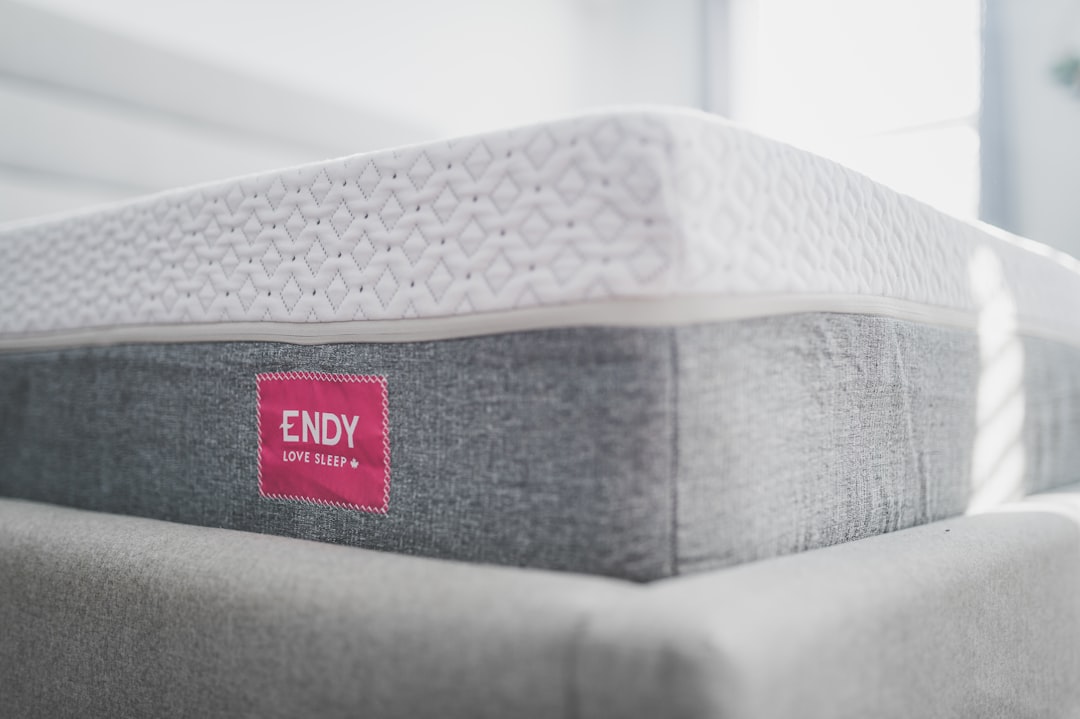
You’ve heard the claims: cooling gel foam, breathable bamboo covers, ventilated coils. They’re all promising you a dry, cool night in our humidity. But a mattress that feels cool for ten minutes in an air-conditioned showroom might not feel the same in your actual bedroom, especially if you’re sleeping without the air-con on. That’s the gap you need to bridge before you commit.
Think about your real sleeping environment. Is your bedroom west-facing and traps the afternoon heat? Do you keep the windows open at night for a breeze, letting in that 80%+ humidity? Maybe you’re in a resale flat with a smaller common bedroom where the air just doesn’t circulate well. The cooling technology in the mattress has to work against those conditions, not against a showroom’s climate-controlled perfection. You’ll want to simulate that.
So, run your own test. If you’re buying during our warmer months, try sleeping with a window open for a few nights on your current setup first—feel how your body reacts. If you’ve already got a mattress on trial, place it in the room you’ll actually use and turn the air-con off for a weekend. Pay attention to the moments you usually feel a night sweat coming: that’s your personal trigger. A mattress that merely feels cool at first touch might not regulate temperature through those peaks.
One counterintuitive point: a mattress that feels wonderfully cool in a dry, air-conditioned room can sometimes feel clammy in sustained humidity. The phase-change materials or gel infusions might work differently when the ambient air itself is saturated. You won’t know until you put it through the stress test.
The exception? If you’re certain you’ll always sleep with the air-con running at a low, steady temperature, then the ambient challenge is removed. But for most of us—especially in non-air-con rooms or during the year-end monsoon when we might turn it off—this final verification is non-negotiable. Don’t just trust the label; trust your own night.