You grab a cotton mattress protector off the shelf thinking you've solved the heat problem. It's a natural fibre, right? Should be breathable. But a few weeks into our typical humidity, you're waking up damp, the protector feels clammy, and that lovely new mattress is starting to feel a little less fresh. That's the trap—assuming all cotton weaves are the same.
The issue isn't the material itself but the construction. Standard, tightly woven cotton percale, the kind you'll find in many generic protectors, acts like a barrier. It might feel crisp initially, but in a non-air-conditioned room where the air itself holds moisture, that dense fabric traps your body's perspiration against the mattress surface. You're not just sleeping on a hot layer; you're sleeping on a damp one. Over months, this constant moisture exposure can degrade the comfort layers of your mattress far quicker than dry heat alone.
Where you really feel it is on those still, windless nights, when the ceiling fan just pushes the warm air around. Your body can't effectively cool through evaporation because the moisture has nowhere to go. The protector that promised comfort becomes a sauna sheet, disrupting sleep cycles and leaving you tossing for a cooler spot. It's a classic case of a good intention undone by the wrong execution.
The one exception? A loose, open-weave cotton, like a gauze or a specific cooling percale with a high thread count designed for airflow. These are less common and usually specified as such. For most sleepers dealing with our climate, looking beyond the basic 'cotton' label is wiser. Materials like bamboo-derived viscose or Tencel lyocell are engineered to wick moisture away from the body more efficiently, and their breathability is a built-in feature, not a hopeful side effect. They handle the 80%+ humidity without becoming a wet blanket.
So, while a cheap cotton cover might seem like a thrifty buy, it's a false economy for your sleep quality and your mattress's lifespan. In a place where the ambient temperature is your constant bedfellow, the protector's primary job isn't just to defend against spills—it's to manage moisture. Getting that wrong from the start sets off a chain reaction you'll feel every night.
The wrong cover traps that moisture right inside. You’ll think you’re just sweating a bit on a sticky night, but that vapour gets pushed down through the fabric, past any topper, and into the foam or spring unit itself. There’s nowhere for it to go. Over months, that damp microenvironment builds up—it’s like a hidden, humid little world inside your mattress.
That’s not just about a bit of dampness. That environment is exactly what dust mites love, and it’s a potential breeding ground for mildew. You won’t see it at first, but you might start to notice a faint, musty smell from the bed, especially after a rainy spell. The material breakdown accelerates quietly; foam can degrade faster, and even pocketed springs aren’t immune to the effects of persistent damp. A mattress that should last you a good eight to ten years might start feeling lifeless and lumpy much sooner.
This is where the “cooling” part of a mattress gets real. It’s not just about feeling cool to the touch for five minutes. A truly breathable cover, like bamboo or Tencel, works as a release valve—it lets that sweat vapour escape back out into the air instead of locking it in. Without that, even a mattress with cooling gel foam or ventilated coils is fighting a losing battle against our climate. The core gets compromised.
So when you’re looking, the cover isn’t just a surface feature. It’s your first and most critical line of defence. A non-breathable one, no matter how nice it looks or feels, is effectively sealing in the problem. For anyone sleeping in a non-air-conditioned room or dealing with night sweats, that’s a sure way to shorten your mattress’s life. The only time you might chance it is if you’re running the air-con 24/7 and your room is a dry, chilled box—but how many of us do that? For most flats, that’s just not realistic one.
Breathable covers just let air pass, but that's not enough for a 4-room BTO bedroom with one window. Moisture-wicking weaves actually pull sweat away from your skin into the fabric. This process, called evaporative cooling, is what gives you that chill feeling when you step out of a shower. Without it, you're just lying on a damp layer that turns your mattress into a heat trap. The right weave makes your body's own perspiration work for you all night long.
This isn't just another fancy fabric name. Tencel's fibres are engineered at a microscopic level to be exceptionally hydrophilic, meaning they attract and hold moisture brilliantly. They pull dampness from your skin far more efficiently than standard cotton, which can feel clammy. The material stays cool to the touch and has a smooth, silky handfeel that resists pilling. For sleepers who find themselves flipping the pillow constantly, a Tencel cover can be a genuine game-changer.
Look for advanced bamboo viscose blends, not just any bamboo fabric. The good versions are processed to retain the natural fibre's hollow structure, which creates tiny air channels for ventilation. This structure works like a network of capillaries, drawing moisture away and dispersing it across a larger surface area to dry. Cheaper bamboo knits lose this property and behave like any basic polyester, so the blend and weave matter immensely. It's a material that truly performs in our 80%-plus humidity.
Think of this as your nightly cooling strategy, not just a sheet choice. In a non-air-conditioned room, your body is battling both heat and stagnant, moist air. A moisture-wicking cover actively manages the micro-climate between your body and the mattress surface. It prevents that sticky, sweaty feeling from building up around 3 a.m. when temperatures dip but humidity remains. This continuous management is what leads to fewer wake-ups and more consolidated sleep.
Always prioritise the weave technology over the thread count. A high-thread-count sateen cotton might feel luxurious initially, but it can create a tighter, less breathable surface that traps heat. The performance comes from the fibre's inherent properties and how it's constructed to move moisture. Don't get distracted by glossy marketing about Egyptian cotton; in a humid HDB bedroom, it's a poor choice. The correction is simple: swap passive breathability for active wicking every time.
That plastic-backed protector you see bundled with some mattresses? It's a raincoat for your bed. Sure, it'll block a spilled Milo completely, but it also creates a sealed, non-breathable layer that traps every bit of heat and moisture your body releases. For a cooling mattress designed to dissipate heat—be it with gel foam, aerated latex, or ventilated coils—that's a complete defeat. You're paying for advanced temperature regulation only to smother it with a sheet of plastic.
Humidity, that one really tests everything. In our climate, where the air is thick with moisture, a non-breathable cover turns your mattress into a damp, insulated sandwich. Over time, that trapped moisture can lead to a musty smell or even encourage mould growth inside the mattress itself—a far bigger problem than a surface stain. A breathable protector acts like a buffer, letting the mattress breathe while keeping the immediate sleep surface drier.
So, skip the plastic sheet. The only time it makes sense is if you're covering a mattress in a seldom-used guest room or a storage area, where airflow isn't a nightly concern. For your main bed, especially a cooling one, the protector must be part of the temperature solution, not the problem. It's about smart defence, not total lockdown.
The tension is real for families. A toddler's midnight accident or a humid night's sweat feels like a genuine threat to a big investment. But the answer isn't to sacrifice the mattress's core function. The goal is a barrier that manages liquid without blocking vapour. Look for protectors specifically labelled as water-resistant or moisture-wicking, not fully waterproof. These use tighter weaves or specialised membrane layers that stop liquid from soaking through but still allow air and vapour molecules to pass. They won't handle a full glass of water, but they'll give you crucial minutes to react to a spill while letting your body's heat escape.
A cooling mattress relies on breathable materials to manage Singapore's heat. Look for covers woven from bamboo or Tencel, which naturally wick moisture and feel cool against the skin. High-density foam cores resist sagging over years, even in our 80% humidity. Avoid low-density foam that loses its shape and support quickly.

The difference between a genuinely cool sleeping surface and a marketing promise is about five minutes of your time. Online descriptions talk about "heat dissipation" and "breathable technology," but your back and your sweat glands will give you the real verdict. That’s why skipping the showroom is a gamble you shouldn’t take, especially when you’re hunting for something to beat the heat in a non-air-conditioned room.
Walk into any decent showroom and you’ll see rows of mattresses on open display. Go straight to the ones labelled with cooling covers—bamboo, Tencel, phase-change fabric, the whole range. Don’t just pat them. Actually sit down, lie back, and stay there. The initial touch might feel pleasantly cool, a common trick with certain weaves and finishes. But the true test starts after you’ve settled in. Does that initial chill vanish as your body heat builds up, leaving you trapped in a warm pocket? Or does the cover actually let the warmth pass through?
This is where you feel the fabric density and check the weave with your own fingers. A loosely woven cover that feels airy might not have the structure to wick moisture effectively. A tighter, smoother Tencel might feel less cool to the touch initially but could manage humidity better over a full night. You can’t gauge that from a product photo or a list of technical specs. You need to simulate the real scenario: your body weight, your warmth, in a space that’s probably as warm as your own bedroom.
The only time I’d tell someone to skip this step is if they’re buying an exact replacement—the same model they’ve already slept on for years and know works for them. For anything new, especially with a premium for "cooling" features, you must do the sit test. It turns abstract claims into a physical reality you can judge. You’ll leave knowing which cover truly works with Singapore’s climate, not just which one sounds good on a website.
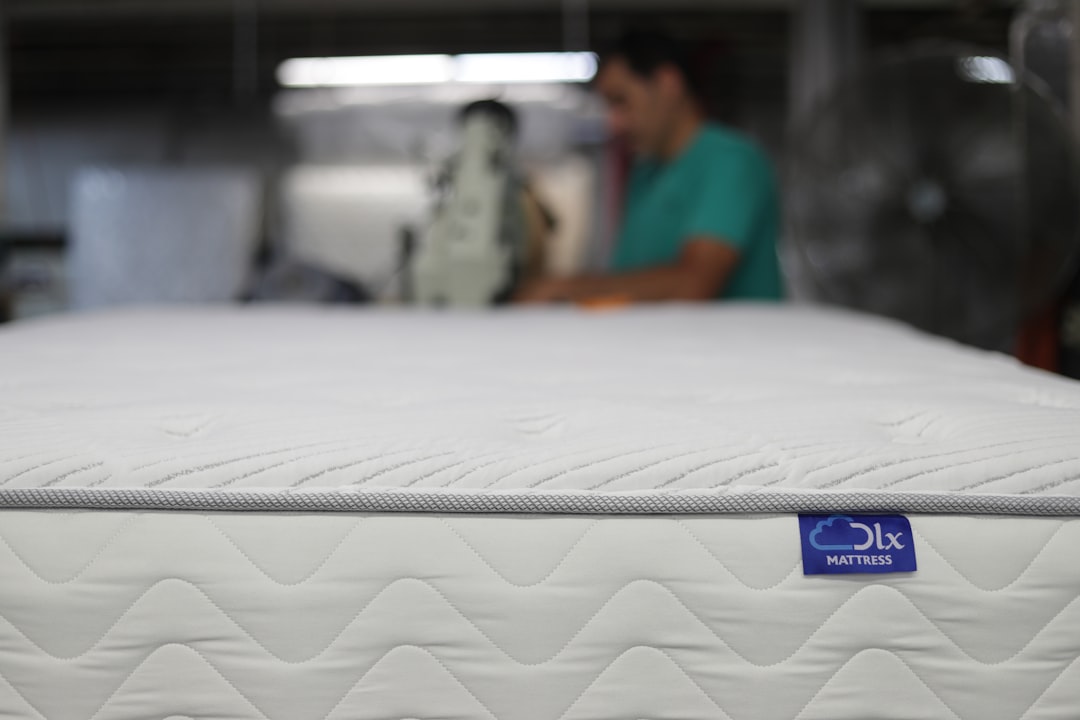
Bamboo covers are actually a pretty decent choice for night sweats, but they’re not a magic bullet. The main thing is they’re woven for airflow, which helps with that clammy feeling, and they wick moisture away faster than plain cotton. Just don’t expect them to lower your body temperature like a phase-change material might—they manage the symptom, not the source. For menopausal hot flushes, pairing a bamboo cover with a breathable topper creates a better system.
A quilted mattress topper can be breathable, but the quilting itself is the catch. That padded layer traps air, which is insulation. If you’re set on one, look for a design with minimal fill and a channel-stitched pattern instead of tight diamond quilting, and make sure the top fabric is something like Tencel. Otherwise, you’re just adding another blanket.
You can absolutely use a cooling cover on a memory foam mattress—you should, actually. It’s the easiest fix. Memory foam is notorious for trapping heat, so a good cooling cover acts as a barrier, letting your body heat dissipate upwards instead of getting soaked into the foam. Think of it as giving your mattress a breathable shirt.
Now, about warranties. A proper mattress protector won’t void the warranty on a cooling mattress; in fact, many brands recommend using one. The key is it must be breathable and not fully waterproof with a plastic layer. Those vinyl-backed protectors create a sauna effect and can even trap moisture against the mattress, which might lead to issues. Stick to a breathable, washable protector and you’re safe.
The one thing people never think to ask? Your bedsheet material matters more than the mattress cover sometimes. A cheap polyester sheet will cancel out a fancy bamboo protector instantly. For the whole system to work, every layer from the mattress up needs to breathe.
You’ve got the specs, you’ve felt the fabric, you’re ready to click buy. Wait. Do the simplest test: hold a corner of that cooling cover over your kettle’s spout. See vapour pass through? Good—that’s the breathability you’re paying for. If the steam just sits there, you’re looking at a layer that’ll trap heat and sweat, turning your investment into a sauna sheet. This isn’t about lab ratings; it’s about your actual HDB humidity.
Next, inspect the zip. A cheap closure just sits on top of the fabric seam, leaving a gap for dust mites and moisture to creep in. The proper design fully encapsulates the mattress, with a fabric flap that covers the teeth entirely. That seal matters more during the year-end monsoon, when the air’s so thick you can feel it. A gap there defeats the whole point of a protective, climate-control layer.
Then, measure. Not just the mattress—measure the path. Your new 152 by 190cm Queen might fit the master bedroom, but will it clear the 90cm lift door and that tight turn past the riser? A flexible mattress cover can be manoeuvred, but a rigid, pre-assembled cooling topper might not. For a Super Single going into a common bedroom, account for the skirting eating another centimetre on each side. Nothing worse than delivery day arriving and the piece can’t make the final corner.
The one time you might skip the ultra-precise fit is if you’re certain you’ll be moving to a landed place soon, where staircase access is a given. For everyone else in a 4-room BTO or compact condo, those last three checks—breathability, zip, dimensions—are what separate a thoughtful buy from a costly regret. Get them right, and you’ll sleep cool for years.