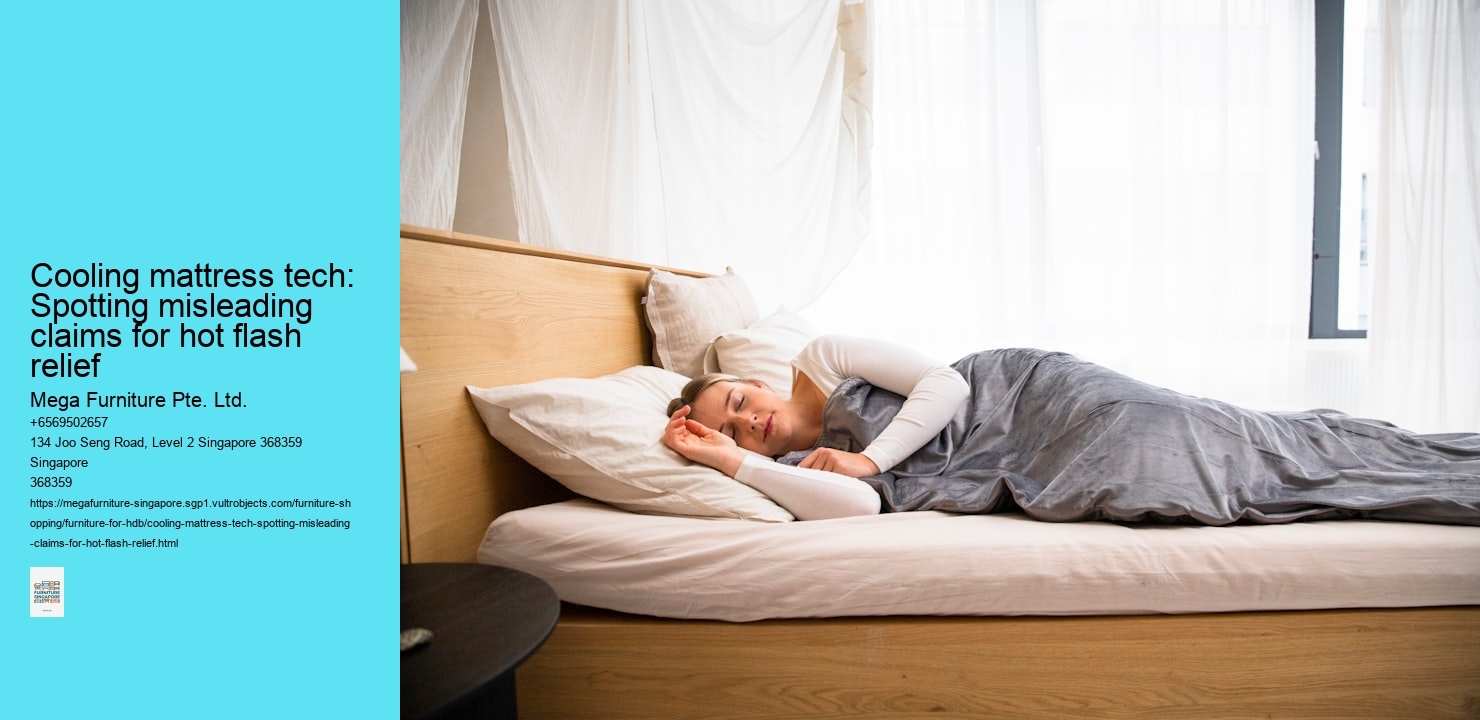
Picture a 3-room HDB bedroom around midnight, the ambient temperature still hovering at 28°C even with the windows open. The cooling gel foam mattress feels fine at first touch—cool to the hand, promising a neutral sleep surface. But when a hot flash hits, your body isn’t just radiating heat; it’s dumping a sudden surge of thermal energy directly into the mattress core. That gel layer can only absorb and dissipate a limited amount, and it’s working against the foam’s inherent tendency to trap warmth. The surface might stay cool for a minute, but the heat builds up underneath, trapped within the foam’s dense structure. You end up lying on a warm reservoir, not a cool surface.
The problem is one of physics, not marketing. Many cooling technologies are designed to manage gradual heat transfer, not a rapid internal spike. A phase-change material cover might feel chilly initially, but its capacity is finite—once it’s “charged” with your body’s heat, it can’t magically reset during the same episode. In a non-air-conditioned room, there’s no cooler ambient air to help the process. The heat just cycles back into you, creating a frustrating feedback loop where the mattress can’t catch up with your own thermal runaway.
This is where surface-only solutions disappoint. A breathable bamboo cover or ventilated coil system helps with airflow, sure. But if the core material underneath—like memory foam or certain dense polyfoams—isn’t inherently breathable, that air movement doesn’t reach the heat sink where it matters most. The hot flash heat gets absorbed down into the foam, and the limited surface cooling can’t pull it out fast enough. You’re left with a damp, warm feeling that lingers well after the flash itself has passed.
There’s one exception worth noting: a mattress built with a truly aerated core, like natural latex with its open-cell structure, coupled with a high-convection cover. This combination can sometimes manage the spike better because the heat isn’t just stored; it’s allowed to move through and dissipate. But even then, in a sealed-up room on a humid night, the relief is relative, not absolute. For most gel-infused or surface-treated foams, the verdict is clear—during a true hot flash episode, they often cannot.
Phase-change materials sound like a dream for Singapore’s climate, promising to absorb heat and keep you cool. They work by storing thermal energy as they melt from a solid to a liquid state, releasing it later when they solidify again. This can feel wonderfully effective in a controlled environment. But in a typical east-side flat in Bedok or Tampines, where the air is thick with moisture night after night, their performance hits a real ceiling.
The science hinges on relative humidity. When it’s high, the air is already saturated with water vapour, which slows down heat transfer. That tropical night feeling—where the heat just seems to cling to everything—also hampers these materials. They can’t dump the stored heat into the damp air efficiently, so they get saturated, their cooling effect blunted. You might feel a brief chill when you first lie down, but it doesn’t last through the night.
For a sleeper battling hot flashes or just the general stickiness of a non-air-conditioned room, that’s a crucial gap. The material might claim a specific cooling temperature, but our ambient conditions often exceed that. When your bedroom temperature stays above 28°C and the humidity sits around 80%, the phase-change layer can become a passive reservoir rather than an active cooler. It’s still better than plain memory foam, but it’s not the magic bullet some marketing suggests.
There’s one scenario where they can still make sense: if you run the air-con for a while before bed to dry and cool the room air. That lowers the humidity temporarily, giving the material a better environment to work. But for most who sleep without air-conditioning, the investment might not deliver what you’re hoping for. The promise is there, but our local reality often gets in the way.
Open coil systems create channels for air to move freely through the mattress core, which is essential in a warm bedroom. In a typical 12 sqm west-facing condo master, afternoon sun heats the space until the walls radiate warmth even after dusk. A dense memory foam slab, common in budget options, traps that heat around your body because there's nowhere for it to escape. Ventilated coils act like a miniature ventilation network, letting ambient air circulate and carry warmth away from the sleeping surface. This continuous exchange prevents the mattress from becoming a heat reservoir, a critical difference when the room itself is already warm. Without this airflow, you're essentially sleeping on an insulator that holds onto every degree of temperature your body releases.
Memory foam's structure is designed to contour closely, which unfortunately also means it envelops you in a pocket of still air. The material itself absorbs and retains thermal energy, a property that can feel comforting in a cool climate but becomes oppressive here. In Singapore's constant humidity, that trapped heat mixes with moisture, creating a sticky, uncomfortable sleep environment that exacerbates night-time discomfort. Even with a cooling gel infusion or a breathable cover, the fundamental foam block underneath still restricts movement of air. Ventilated coils avoid this core issue entirely by having a structure that is inherently open. They don't rely on surface treatments alone to manage temperature; the design itself is a heat-dissipation system.
The physical weight and compactness of memory foam directly oppose cooling. High-density foam provides support and pressure relief, but its very success in those areas makes it a thermal barrier. Air cannot penetrate deeply, so body heat accumulates in the top layers where you lie, regardless of any phase-change materials on the surface. Coil systems, particularly those with open or pocketed designs, have far less material mass in the vertical space between the top and bottom of the mattress. This lower density allows air to occupy the gaps, turning the mattress interior into a passive cooling zone. It's a structural advantage that foam, by its nature, cannot replicate without sacrificing its primary supportive function.
A west-facing bedroom in a condominium presents a specific thermal challenge that demands an active cooling response from your mattress. The room absorbs intense solar gain throughout the afternoon, meaning the ambient temperature starts high even when you retire for the night. A mattress that merely insulates will add to that existing heat load, creating a compounded problem. Ventilated coils work in concert with the room's environment by facilitating air movement that can help normalize the microclimate around your body. In a space that might only be 3.5 by 3 metres, every element's thermal performance matters. Choosing a mattress that contributes to cooling, rather than resisting it, becomes a non-negotiable part of comfortable sleep in such a setting.
Many affordable mattresses use memory foam because it's a cost-effective way to achieve a plush feel and good pressure relief. That initial value, however, comes with a long-term comfort penalty in our climate. The trade-off is clear: you save on upfront cost but potentially invest in years of warmer, less restful sleep. Coil systems, especially well-ventilated ones, often carry a higher price point due to their more complex construction and material requirements. For a buyer prioritising thermal comfort, this isn't an extravagance but a necessary investment in nightly wellbeing. The exception would be if you sleep in a consistently air-conditioned room; then, the foam's heat retention becomes less relevant, and its budget-friendly benefits might justify the choice.
Cooling mattresses use specific materials to actively manage heat. Cooling gel foam redistributes warmth, while phase-change materials absorb and release it. Breathable bamboo or Tencel covers promote airflow, and aerated latex or ventilated coil systems prevent heat pooling. High-density foam ensures these cooling layers maintain their structure and function over time.
A cooling mattress must resist Singapore's climate, where humidity often exceeds 80%. Materials like aerated latex and gel-infused foams are less prone to moisture retention than traditional memory foam. Quality breathable covers also help prevent mould growth by allowing better ventilation. This durability ensures the cooling performance lasts through years of tropical conditions.
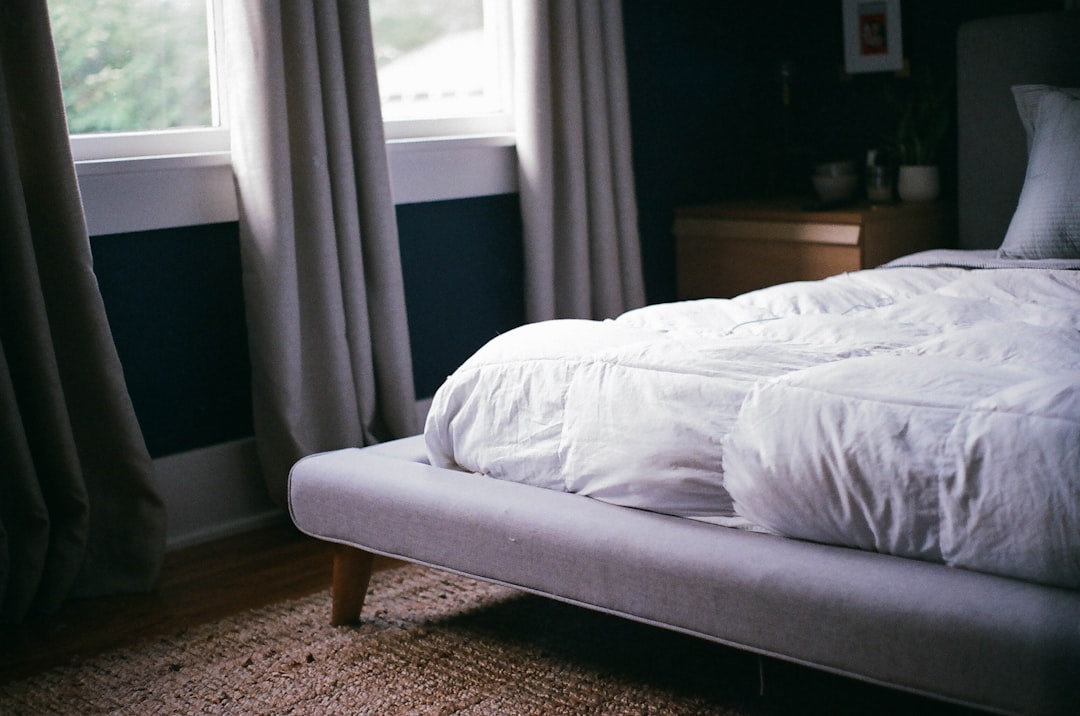
Natural fibre covers get a lot of talk for being cooling, and they do feel noticeably different against the skin. That crisp, slightly dry texture of bamboo or Tencel is a genuine step up from the synthetic polyester that can sometimes feel clingy or plastic-like on a humid night. It’s a tactile upgrade that many find worth the extra cost, which typically sits in a modest premium range over standard covers. But here’s the thing: breathability is a function of airflow, not just material. If your bedroom air is still, the cover won’t perform miracles.
Picture a typical 4-room BTO master bedroom, windows shut to keep the street noise out, maybe the air-con isn’t running overnight. The air just sits there, heavy. In that scenario, even the best bamboo cover will trap moisture against your body—you might wake up feeling the fabric itself is damp, especially in a neighbourhood like Eunos where the night air can be thick. The cover breathes, but it needs the room to breathe too.
So I’d only recommend investing in a natural fibre cover if you’ve already sorted your bedroom’s ventilation. Got a fan on? Window cracked? Air-circulation sorted? Then yes, the upgrade makes sense. If not, you’re essentially paying for a nicer feel that won’t solve the core heat problem. The one exception is if you’re particularly sensitive to synthetic textures and prioritise that skin comfort above all else—for you, the premium is justified purely for the feel, regardless of the cooling performance. Otherwise, treat it as a finishing touch, not the main event.
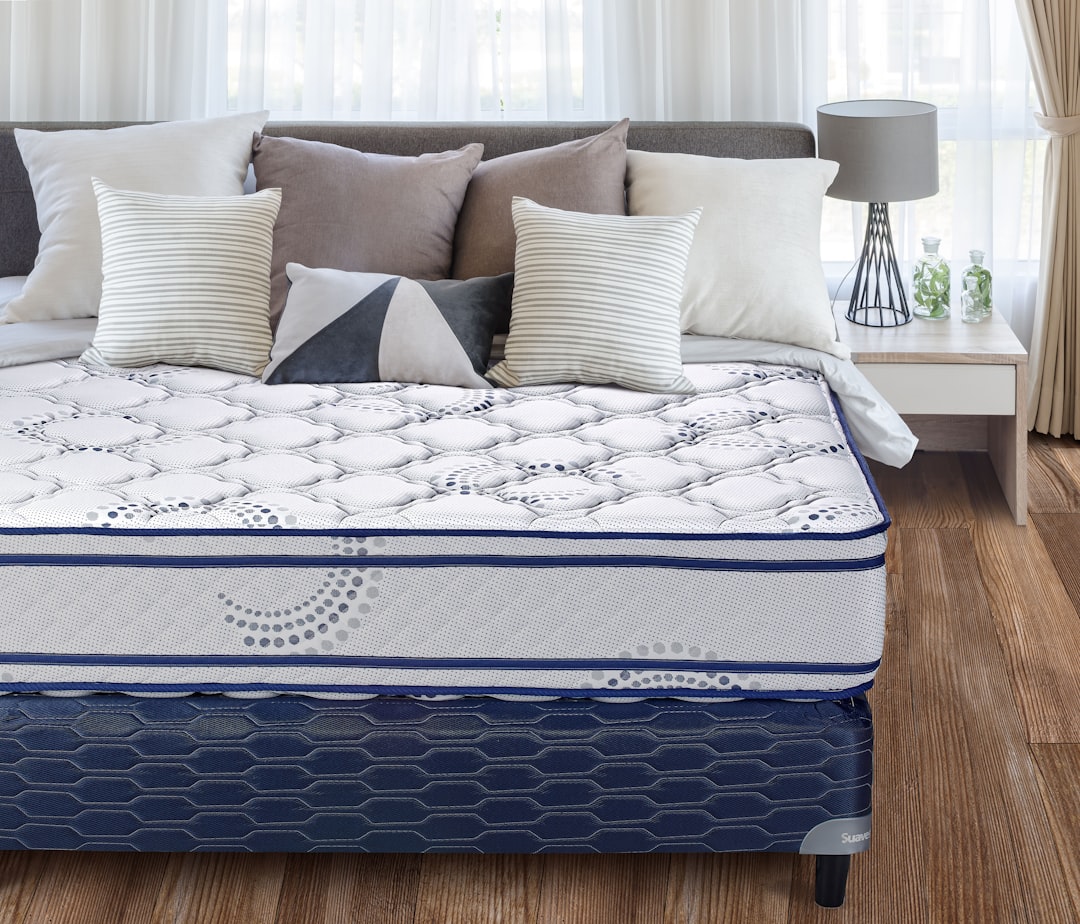
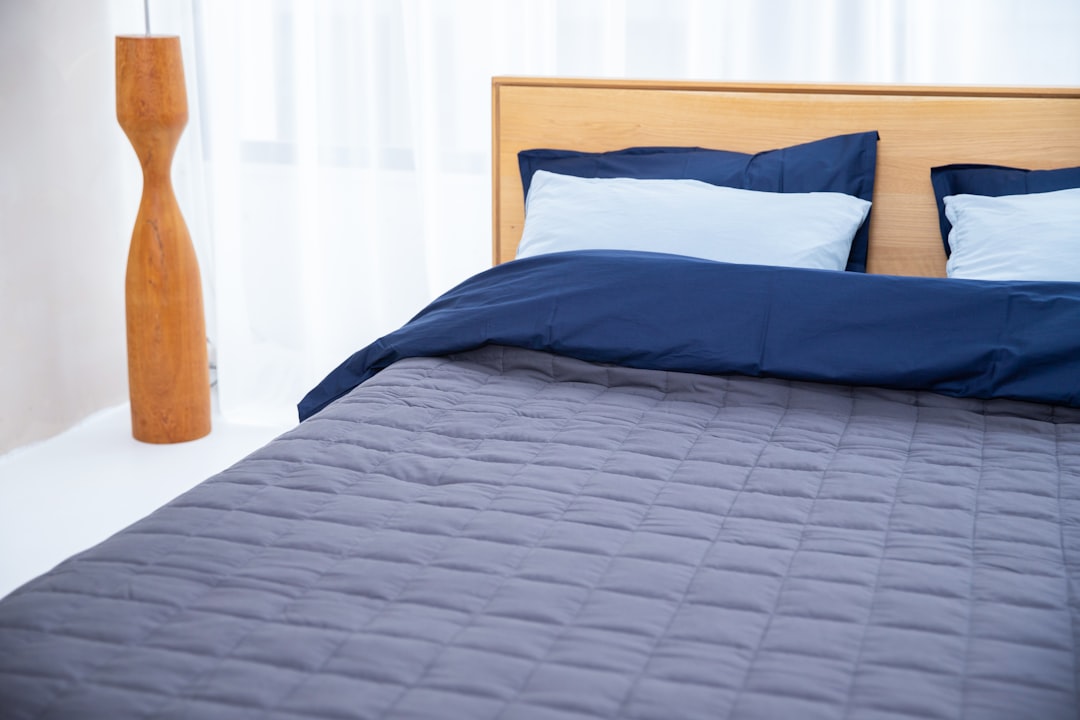
Aerated latex mattresses promise a cooler sleep surface, which is a genuine benefit in our climate. The open-cell structure allows air to circulate, dispersing heat far better than traditional memory foam that traps it. For anyone struggling with night-time warmth, especially during those hot flashes, that breathability can feel like a lifeline. But the cooling advantage comes with a firmness that’s not always a welcome trade-off. The support is excellent—your spine stays aligned, no sinking into a soft pit. Yet for some bodies, particularly those needing pressure point relief around hips and shoulders, that unyielding feel becomes a problem. It’s a classic case of getting one benefit but sacrificing another comfort you might need.
You’ll see this trade-off play out clearly on showroom floors. Sales staff often label these mattresses as ‘medium firm’ or ‘firm’, which in Singapore’s typical grading system means they won’t cradle you. For a menopausal woman, the equation gets tricky: the mattress cools you down, but it might also leave you feeling a bit too rigidly supported, with joints pressing against a surface that doesn’t adapt. The cooling property is real, but the comfort profile is quite specific. It suits sleepers who prefer a solid, stable base and whose primary concern is heat dissipation over plush cushioning.
There’s a simple test to gauge your own tolerance. Lie down on a Queen-sized aerated latex sample in a showroom and stay there for a full five minutes, not just a quick press. Pay attention to your shoulders and hips. If you feel a distinct, firm pressure there rather than a gentle contouring, that’s the trade-off in action. The material won’t soften much over time; what you feel on day one is what you’ll get years later. So if pressure relief is a priority alongside temperature regulation, you might find this one too uncompromising.
My view leans towards recommending aerated latex only if heat is your absolute, overriding issue. The cooling performance is undeniable and consistent, which counts for a lot in a non-air-conditioned room during the monsoon season. But if you need both cooling and cushioning, this material often falls short. The single exception would be a hybrid design that layers a thinner aerated latex top over a softer base foam—that can sometimes balance the two needs, though it’s less common in basic models. For pure, unadulterated aerated latex, you’re choosing cooling first, and accepting the firmness that comes with it.
" width="100%" height="480">Cooling mattress tech: Spotting misleading claims for hot flash relief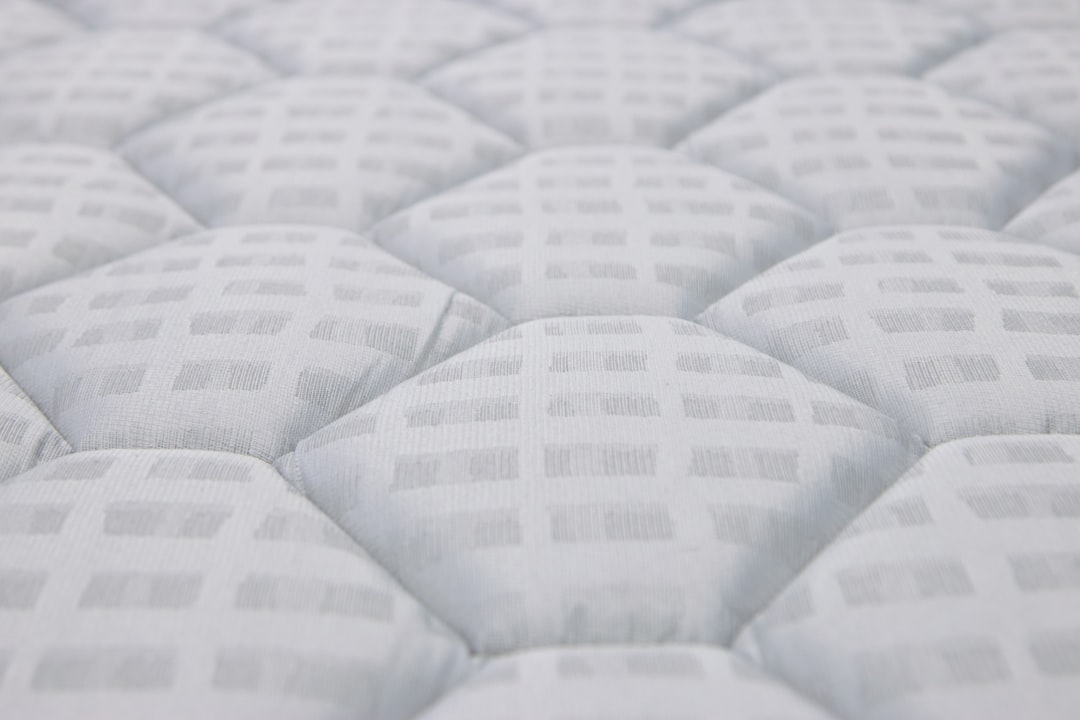
The brochure promises a cool night's sleep, but the only proof is on the showroom floor. You can't judge a cooling mattress by its label or a salesperson's pitch—you need to lie on it and wait. That's why a trip to a proper showroom, like the ones in Joo Seng or Tampines, isn't just browsing; it's essential fieldwork.
Plan your visit for a warm afternoon, when the air outside is thick and the showroom's climate control is battling the day's heat. Then, find a Somnuz® display bed and commit to a proper test. Don't just press your hand into the surface; lie down fully, in the position you actually sleep in. Stay there for fifteen minutes—set a timer on your phone. The first few minutes feel fine on any new mattress. The real test is whether that initial cool sensation holds or if a slow, uncomfortable warmth starts to build around your body.
Pay attention to the layers beneath you. Feel the weave of the cover against your skin; is it genuinely breathable or just a smooth sheet that traps heat? Notice how the firmness zones interact with your weight—some cooling gels only work where they're not compressed. Your own body, under real conditions, is the only reliable sensor. A mattress that stays cool in a 28°C room is different from one that only works in an air-conditioned 23°C demo space.
There's no substitute for this. You can read about phase-change materials or aerated latex coils, but your personal heat signature is unique. A mattress that works for someone else might still leave you feeling stifled. The one exception? If you're buying solely for a guest room that's always air-conditioned, then the cooling tech becomes a secondary concern. For your own bed, in a non-air-conditioned HDB room, this hands-on test is the single most important step. Skip it, and you might end up with a costly mistake that radiates heat all night long.
Do cooling mattresses work without air conditioning? They do, but you'll feel the difference. Cooling gel foam or aerated latex draws heat away from your body, while a breathable bamboo cover lets air move through. In a non-air-conditioned room where the temperature stays above 28°C, the mattress itself won't drop the ambient air temperature—that's not its job. What it does is prevent you from adding more heat to the surface you're lying on, so you're not stewing in your own warmth. For real relief, pair it with a fan to move that cooler air around.
Is a cooling mattress good for hot flashes? Absolutely, it's one of the better tools for that sudden heat surge. When a hot flash hits, your body's trying to dump heat fast, and a regular mattress just traps it. Phase-change materials in some cooling mattresses actually absorb that burst of warmth, so the surface doesn't feel like it's heating up alongside you. It won't stop the flash, but it stops the bed from becoming another problem. For menopausal women, that's a meaningful upgrade—you're not fighting the mattress and the weather at the same time.
Which mattress is coolest for Singapore weather? The coolest feel usually comes from a combination, not one magic material. A ventilated coil system gives airflow underneath, aerated latex is naturally breathable, and a Tencel cover wicks moisture away. Gel foam alone can feel cool at first touch, but over hours, its performance depends on the other layers letting heat escape. In our humidity, a mattress that only cools on top but blocks airflow below will eventually feel warm. Look for designs that stack a cooling surface with a breathable base—that's the package that lasts through the night.
How long does cooling gel foam last? That's the part they don't always tell you lah. Cooling gel is infused into the foam, and its effect isn't permanent. Over years, the gel can migrate or degrade, especially if the mattress isn't cared for. Typically, you'll notice the initial chill fading after about five to seven years—it doesn't fail suddenly, but gradually feels less distinct. The foam itself might still be supportive, but that specific cooling property diminishes. So if you're buying for that feature, consider it a mid-term solution, not a forever one. The exception is phase-change materials woven into a cover; those can often be replaced or refreshed separately, giving you a longer cooling lifespan.
You’re standing in the showroom, feeling the coolness of the mattress surface, ready to sign. But the cooling tech that feels perfect under air-conditioning might just be a fancy insulator in a naturally ventilated room. That’s the final, critical filter. The core mechanism—whether it’s gel-infused foam, phase-change materials, or a ventilated coil system—needs to match your actual sleep environment, not just the showroom’s climate.
Start with your bedroom’s airflow. A west-facing room that traps the afternoon heat, or a common bedroom in a 4-room BTO with one small window, creates a different thermal reality than an air-conditioned master suite. A mattress that relies on ambient air movement to dissipate heat will struggle in a stagnant space. Conversely, a phase-change material designed to absorb and release heat might work overtime in a non-air-conditioned room, potentially feeling less effective over a long, humid night. You need to ask: does this cooling system actually work with the air I have, or does it need the artificial chill of an AC to perform?
Then, factor in your own body. Some people just generate more heat, or experience night sweats that overwhelm even good technology. If you’re a hot sleeper who already feels warm on a standard mattress, a cooling gel layer alone might not be enough; you might need the combined breathability of a Tencel cover and an aerated latex core. Lie down on the showroom model for a solid ten minutes, not just a quick touch. Feel if the initial cool sensation lasts, or if your back starts to warm up where it’s in full contact. That’s your personal heat sensitivity test—cannot skip.
The only real exception is if your bedroom situation is about to change. Maybe you’re moving to a landed property with better cross-ventilation, or finally installing an air-con unit in your resale flat next year. In that case, you can buy for the future climate. But for most of us, stuck with the flat we have now, the mattress’s cooling power must be judged against today’s windows, today’s airflow, and today’s sweat levels. Don’t let the showroom’s perfect conditions sell you a solution that won’t work at home.