You walk into a showroom, lay down on a mattress labelled ‘cooling’, and feel that instant chill. It’s a seductive moment. But that initial sensation is a trap. That cool touch is often just the surface—a gel layer or a breathable cover reacting to the air-conditioned environment of the store. Back home, in your west-facing bedroom that’s soaked in afternoon sun and humidity, the story changes completely. The mattress starts to hold your body heat instead of releasing it, and you’re left sweating through the night.
The difference lies in how the heat is managed. Some materials only feel cool at first contact. Others are engineered to continuously pull warmth away. A memory foam with a thin cooling gel topping might initially impress, but over a long humid night, that gel can’t handle the sustained heat build-up. What you need is a system—a combination of breathable covers, aerated latex cores, or ventilated coil designs that create airflow. These work together to regulate temperature even when the room itself is warm.
For a typical 4-room BTO master bedroom, especially those facing the west, the afternoon sun raises the ambient temperature significantly. A mattress that relies solely on a surface treatment will struggle. You’ll feel the difference around 2 AM, when the accumulated warmth makes the surface clammy. The solution isn’t just one feature; it’s a mattress built with heat dissipation as its core function, using materials that work in our specific climate.
So, don’t judge by that five-minute lie-down in a cool showroom. Press the salesperson on the construction. Ask about the core materials and how they handle sustained heat. If they can’t explain the airflow or the phase-change technology beyond the cover, you might be buying a label, not a solution. The only exception? If you sleep in a consistently air-conditioned room, that initial cool feel might suffice. But for most of us, battling the tropical night, it won’t.
You walk into a showroom and they'll tell you it's a cooling mattress—that's the label slapped on the box. But in a humid flat where the air feels thick even with the windows open, what you actually need is a mattress that breathes. The term doesn't guarantee the mechanism. Memory foam alone, even with gel infusions, can still trap heat because it's dense and conforms closely; it's hugging you, but it's also holding onto that warmth. In our climate, the cooling happens through air movement, not just through a fancy name.
Think about the layers, not the marketing. A breathable bamboo or Tencel cover is your first line of defence—it wicks moisture away from your skin and lets some air through. Pair that with an aerated latex core, which has natural open cells that allow heat to dissipate upwards. That combination creates a channel for humidity and warmth to escape, which is often more effective than a single slab of memory foam promising coolness. It's a system, not a singular material.
The exception? If your bedroom is air-conditioned every night and you keep it around 24 degrees, then the memory foam's conforming comfort might be fine for you. But for the majority of us sleeping in ambient temperatures that climb, especially in non-air-conditioned rooms or during the year-end monsoon when everything feels damp, that layered breathability is the real solution. A Queen size in a 4-room BTO master bedroom needs this kind of engineering.
So when you're looking, ask about the construction. Don't just touch the cool-feeling top layer; ask if the core is ventilated, if the materials are designed to let air flow through. A mattress that performs here has to work with 80% humidity, not just against a number on a thermostat. That's the correction you need to make before you commit.
Many buyers imagine a cool, air-conditioned chamber, but the actual sleeping space is often a 12 sqm common bedroom in a resale flat with windows facing a narrow corridor. The air doesn't move. You'll lie there on your fancy cooling mattress, feeling the heat pool around you because the room itself is a thermal trap. That engineered gel foam or ventilated coil system can only manage the heat you produce; it cannot fight the ambient air sitting at 28°C or higher. Investing in advanced cooling tech while ignoring this basic environmental fact is a classic misstep. The mattress becomes a sophisticated solution to a problem it wasn't designed to solve.
A breathable bamboo cover or aerated latex core works by allowing your body heat to dissipate into the surrounding air. If that surrounding air is already warm and still, the transfer mechanism stalls. The phase-change materials absorb heat, but they need a cooler environment to release it effectively later. In a poorly ventilated room, the heat just cycles between your body and the mattress surface, with nowhere to go. You're essentially asking the bed to perform a magic trick without giving it the necessary conditions. No amount of Tencel or gel infusion can create a breeze.
Before you even look at mattress specs, you need to honestly evaluate your bedroom's airflow. Stand in the room on a typical evening and feel if there's any cross-ventilation at all—can air enter from one window and exit another? Many HDB layouts, especially those with only one window facing an internal service yard, offer none. That's the reality for a lot of non-air-conditioned spaces. The mattress choice should follow this assessment, not precede it. If the room is a sealed box, your cooling mattress requirements shift fundamentally. You're shopping for damage control, not climate control.
People hope the mattress will compensate for the room's flaws, but that's a flawed premise. A cooling mattress regulates sleep temperature; it does not lower the room's temperature. In a stagnant environment, your body heat gets trapped in the immediate microclimate around the bed, creating a pocket of warmth that the materials struggle to disperse. You might feel cooler for the first hour, but as the night progresses and the room heat builds, the effect diminishes. It's like using a small fan in a sauna—the effort is sincere, but the outcome is predetermined. The error is expecting the product to do the job of the architecture.
The correct sequence is to address ventilation first, then mattress selection. If cross-ventilation is impossible, consider a standing fan or a ceiling fan as a primary tool to create air movement. Only after securing that baseline airflow should you evaluate which mattress cooling technologies will work best within that improved, but still tropical, context. This approach ensures you're layering solutions correctly—the fan handles the stagnant air, the mattress handles your body heat. Ignoring this order means you're relying on the weakest link to carry the entire load. That's a costly oversight, both in comfort and in the value of your purchase.
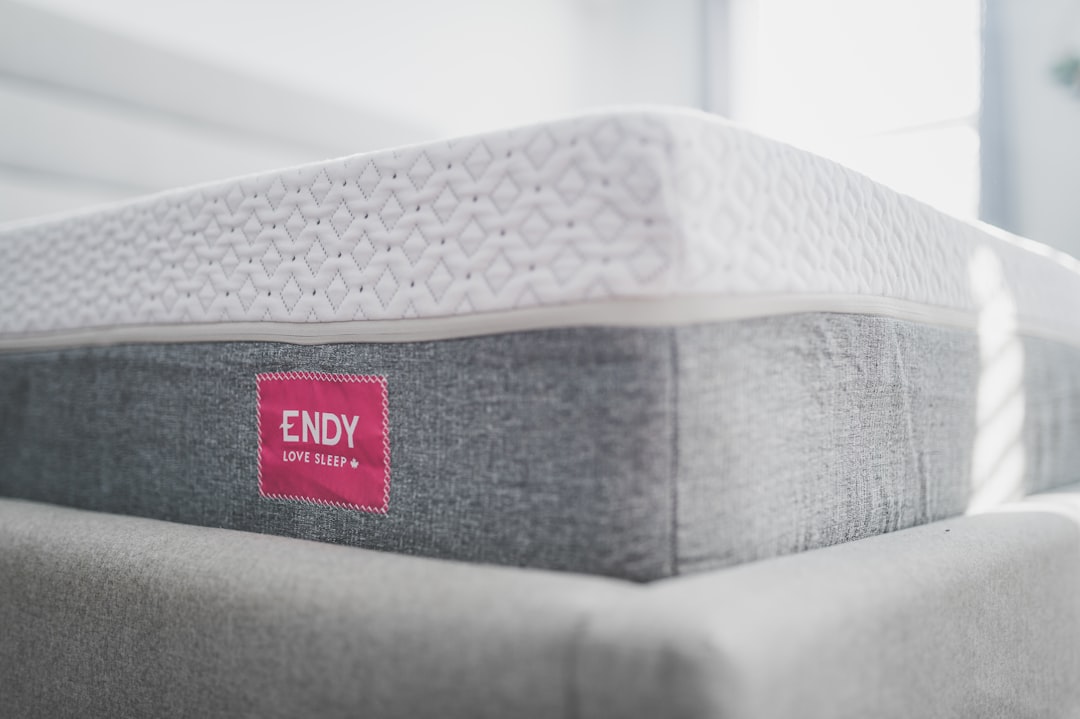
You can’t just buy a cooling mattress and call it done. Think of it as the heart of a sleep system, and the sheets and protector you wrap it in are the circulatory system. If you clog that with thick, synthetic bedding, you’ll choke the mattress’s ability to breathe. That’s a common misstep—people invest in a gel-infused foam or aerated latex core, then smother it with a polyester protector and satin sheets. The heat just pools back on you.
Your mattress protector should follow the same minimal logic. Opt for one that’s thin and made from a breathable fabric like cotton or Tencel again, not a bulky, quilted barrier. Its job is to shield against spills and stains, not to add another layer of insulation. A good protector will feel almost like a second sheet, preserving the mattress’s ventilation channels. Anything thicker than that, you’re basically putting a winter coat over your summer clothes.
There’s really no exception to this rule if your goal is a cooler sleep. The only scenario where you might deviate is if you’ve got a child prone to frequent accidents; then, a slightly more substantial, waterproof protector becomes a necessary trade-off for practicality. But for the majority, especially those battling the heat in a non-air-conditioned room, the thinnest, most breathable barrier you can find is the one that will serve you best. It’s a simple upgrade that lets your mattress do the job you paid for.
For landed properties without ceiling fans, where the night air can feel still and heavy, this pairing becomes critical. Menopausal women experiencing night sweats know this all too well; the mattress might pull heat away, but a damp sheet clinging to you defeats the whole purpose. The fix is straightforward: stick to natural, breathable fibres. Pure cotton sheets, especially those with a percale weave, allow air to move. Tencel, derived from wood pulp, is another excellent choice—it’s cool, absorbent, and wicks moisture away from the skin efficiently. Both materials work with the mattress’s cooling tech, not against it.
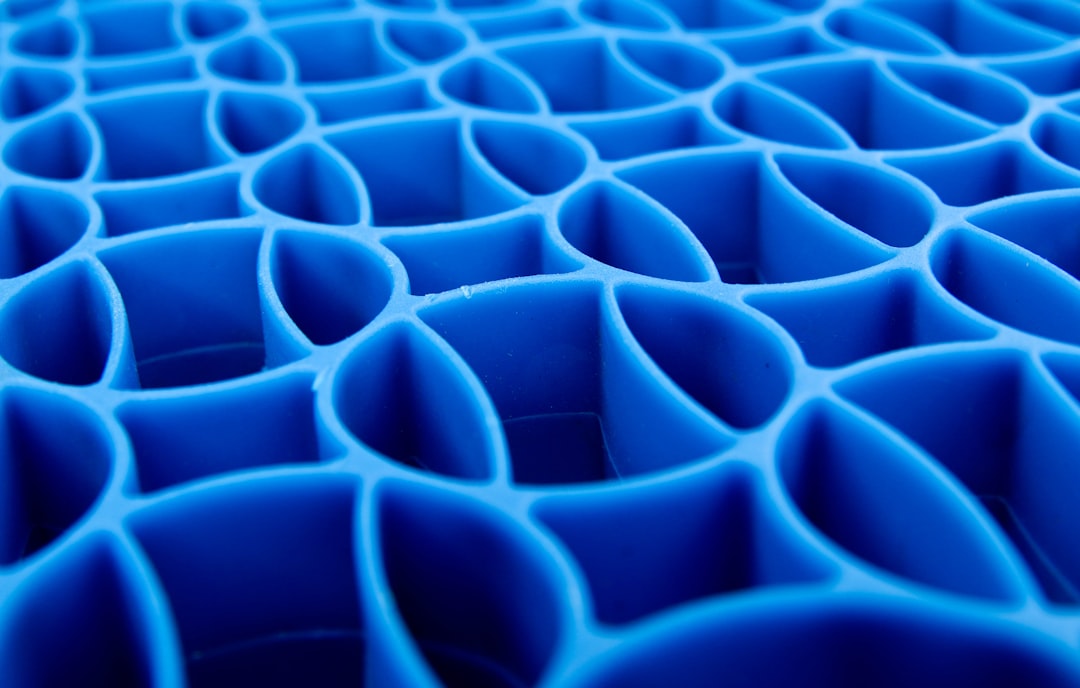
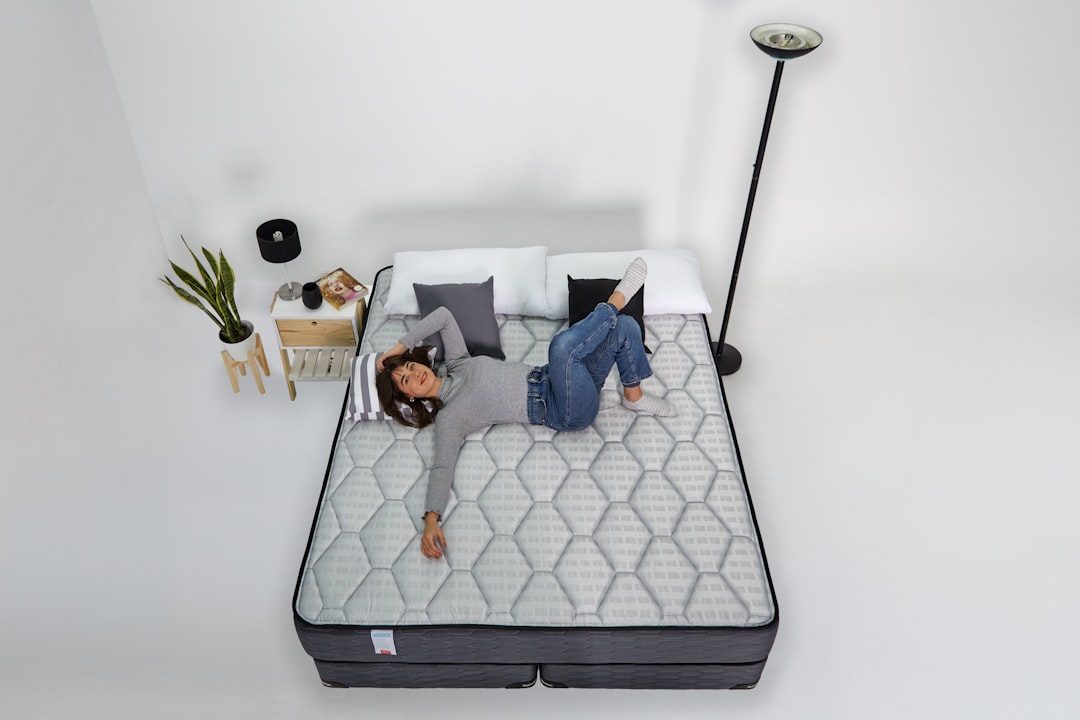
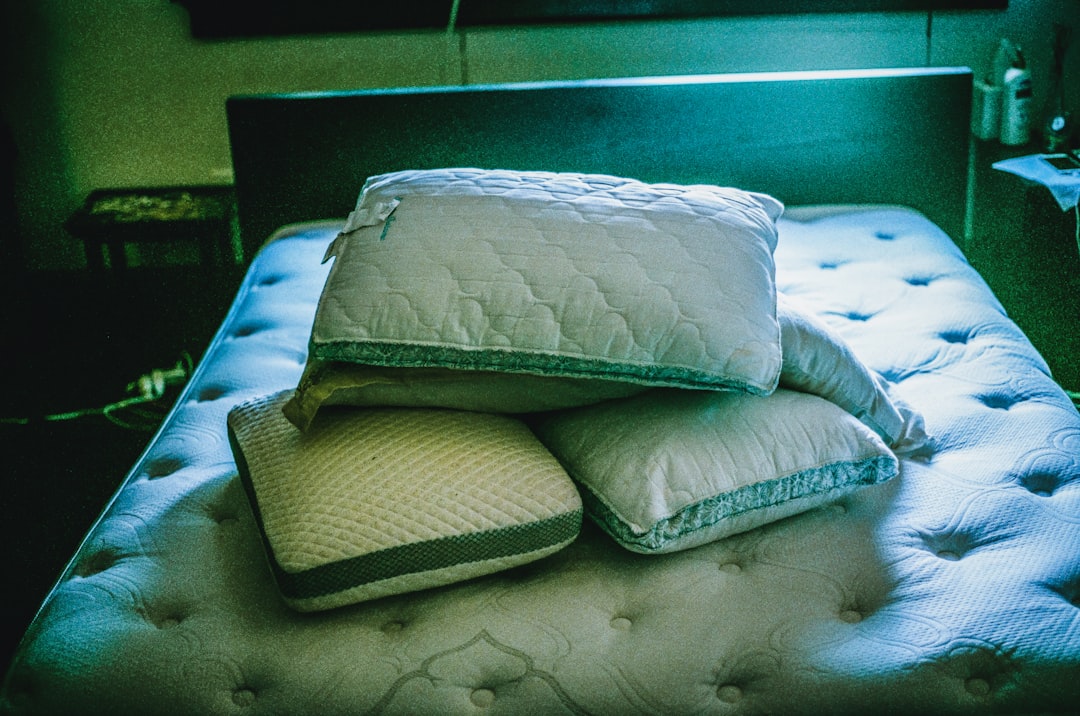
You can’t tell a cooling mattress from a website photo. That’s the blunt verdict. The weave of a Tencel cover, the density of aerated latex, the way cooling gel foam actually feels under your palm—these are things you need to touch. A showroom visit isn’t a luxury; it’s a necessity if you’re serious about sleeping cooler in a 4-room BTO where the air might not circulate perfectly.
Take your sleep position into the Joo Seng or Tampines showroom and spend ten minutes lying down. Firmness ratings are a rough guide, but your body weight and how you curl up or sprawl out change everything. A mattress that feels supportive when you’re sitting on the edge might feel like a sinkhole when you’re flat on your back. The cooling features interact directly with that support—a breathable bamboo cover over a too-soft core won’t help much if you’re sinking into a heat-trapping pocket.
Pay close attention to the fabric of the Somnuz® mattress covers. Run your fingers over it. A tight, smooth weave often feels cooler to the touch than a loose, textured one, but it’s the combination with the underlying materials that creates the real effect. You’re looking for a fabric that doesn’t just claim to be cooling but actually feels it against your skin, even before you lie down. That immediate tactile difference is something you can only judge in person.
The one exception? If you’re absolutely certain about your preferred firmness from a previous mattress and you’re buying the exact same model again, maybe you can skip the trip. But for anyone switching materials or trying a new brand, skipping the showroom is a gamble. You’re committing to a piece that you’ll use every night for years, in a climate that tests its claims relentlessly. Seeing it, pressing it, and feeling the fabric’s texture against your forearm is the only way to know if the engineering will work for you.
A cooling mattress relies on specific materials to manage warmth in Singapore's climate. Gel-infused memory foam or aerated latex layers actively draw heat away from the body. The cover should be a breathable fabric like bamboo or Tencel, which wicks moisture better than standard polyester. This material combination prevents the mattress from retaining the heat you generate overnight.
You'll notice a pattern in what Singaporeans type into their browsers at night—the questions are practical, born from sweat and a genuine desire for relief. They're looking for specifics, not marketing fluff.
Do cooling mattresses work without aircon? They do, but you've got to understand the limits. A cooling mattress is engineered to dissipate your body heat, not cool the entire room. In a non-aircon space where ambient temperatures can hit 28°C or more, it'll stop you from becoming the primary heat source in the bed. You'll feel less of that trapped, radiating warmth, especially if you're a side sleeper. It won't make the air cooler, but it can stop the bed from feeling like a furnace—that's the real win.
Which is cooler, latex or memory foam? Latex, hands down. Natural or aerated latex has an open-cell structure that lets air move through it. Traditional memory foam is a heat trap; it conforms beautifully but it's dense. Cooling gel-infused memory foam tries to fix that, but it's still fighting the material's basic nature. For our climate, latex's breathability is the better starting point. The exception? A high-quality memory foam with a serious phase-change material layer and a super-breathable cover—that can compete, but it's rare.
How often to clean a cooling mattress cover? This depends entirely on the cover material. A bamboo or Tencel cover, which is common for these mattresses, should be washed every two to three months if you use it without a sheet—but most people use a sheet over it. The real issue is sweat and humidity; if you're sleeping hot, you're perspiring more. Washing the cover quarterly prevents a build-up that can actually clog the fibres and reduce their breathability. Spot clean any spills immediately, because letting moisture sit is a no-go.
Will a cooling mattress help my hot flushes? It can provide a meaningful buffer. Hot flushes are internal; a mattress can't stop them. What it can do is prevent that internal heat surge from being amplified by a hot sleeping surface. When your body temperature spikes, a standard mattress will absorb and hold that heat, making the episode feel more intense and last longer. A cooling design will pull that heat away from you faster, so you might not wake up in a pool of sweat. It's about managing the aftermath, not preventing the event. For that reason, it's a worthwhile investment for the relief it offers.
That first monsoon after you buy a mattress is the real test. All those cooling gel foams and breathable bamboo covers feel perfect in the showroom, but Singapore’s humidity, which can sit above eighty percent for weeks, doesn’t play nice with everything. Gel foam, for instance, can start to feel clammy rather than cool if it isn’t paired with a truly moisture-wicking cover. And without a solid maintenance plan, even the most engineered mattress can develop a faint, musty smell—a sign that mildew might be setting in.
The correction isn’t complicated, but it’s non-optional. You need to air the mattress regularly, which means stripping the sheets and protector off every few weeks to let everything breathe. If your bedroom faces a particularly humid corridor or you’re in a non-air-conditioned room, doing this monthly is a good habit. A moisture-wicking protector is your best defence here; it’s a layer that pulls sweat away from the core materials and lets them dry out faster. Don’t skip it just because the mattress cover feels cool already—that protector is for the long haul.
Think about your flat’s layout too. A mattress tucked into a tight corner with no airflow on either side will hold moisture longer than one with a bit of space around it. If you’re in a 4-room BTO with a master bedroom that gets decent cross-ventilation, you’re already ahead. For those in resale flats with smaller, enclosed rooms, the airing schedule becomes even more critical. The one time I’d consider skipping the protector is if you’re running the air-conditioner every night and keeping the room sealed—but even then, the occasional airing still helps.
Ultimately, a cooling mattress is an investment in comfort, and like any investment here, it needs protection from our climate. Treat it as part of your routine, like wiping down leather furniture or rotating cushions. That way, when the year-end rains roll in, you won’t be stressing about your bed—you’ll just be sleeping cool.
You’ve got your cooling mattress picked, but don’t pay until you’ve cleared three real hurdles that can spoil everything. Delivery up a narrow condo staircase is the first one—a mattress that’s a tight squeeze in the lift is already a headache, but a heavy one on a spiral stairwell is a nightmare. Most delivery crews charge extra for staircase carries, and they’ll tell you upfront if they can’t manage it. A Queen mattress, especially a dense latex or hybrid model, can weigh enough to need two people and a careful pivot around each corner. If your lift door is that 90cm opening, you’re probably fine, but if it’s an older block with a narrow corridor turn, measure twice.
Next, read the warranty fine print for tropical climate use. Many warranties cover manufacturing defects but exclude damage from humidity or sustained high temperatures. That’s a critical gap here, where bedroom humidity can sit above 80% for months. A warranty that mentions coverage for “normal household conditions” might not consider our year-round 28°C nights as normal. You want one that explicitly doesn’t void coverage for heat or moisture-related issues—otherwise, if the cooling gel layers separate or the breathable cover degrades faster, you’re on your own.
Finally, confirm the cooling tech actually suits your specific bedroom. A phase-change material mattress works by absorbing heat, but if your room is west-facing and gets that afternoon sun blast, it might struggle to shed that stored heat overnight. Conversely, a ventilated coil system relies on air movement; if your bedroom is a compact 3.5 by 3m space with one window and minimal cross-ventilation, those coils won’t perform as advertised. The only time you should compromise is if you’re certain you’ll run the air-conditioner nightly—then the ambient factor matters less. Otherwise, match the mattress’s cooling method to your actual room’s airflow and thermal load. That final check saves you from buying a solution that works in theory but fails in your four-room flat.