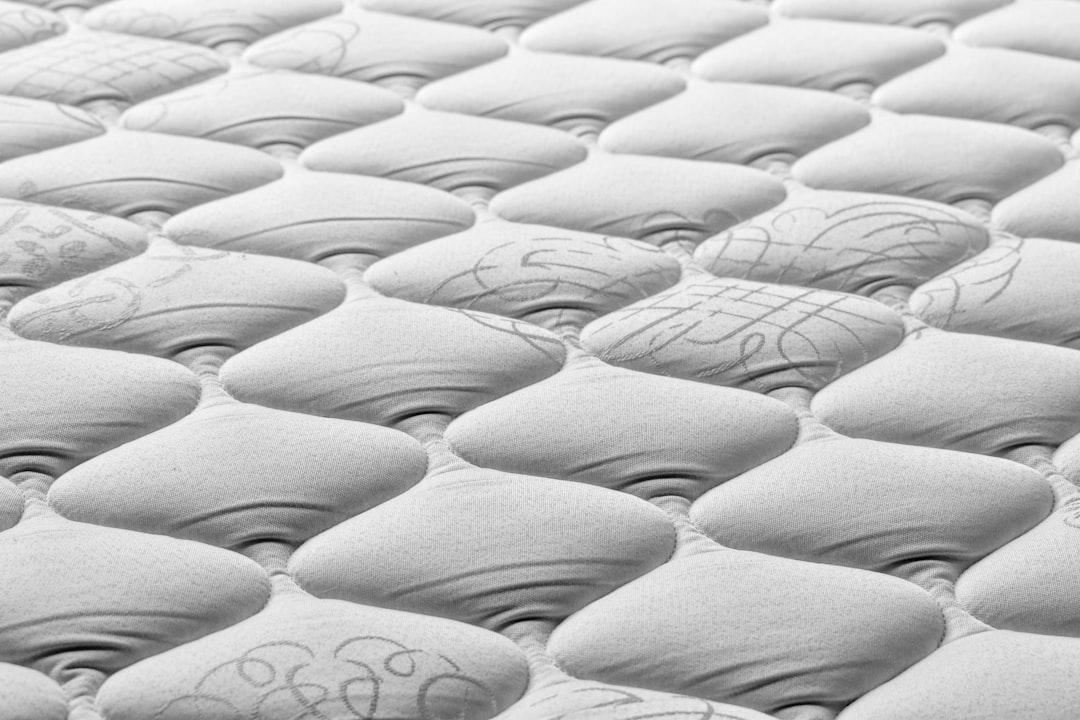
That cheap polyester cover you bought off the rack feels fine at first, but it’s a trap. It might look crisp and feel smooth, but it doesn’t breathe. In a typical HDB bedroom where the ambient temperature is already pushing 28°C, that fabric acts like a plastic sheet—it holds onto every bit of body heat and the relentless humidity. You’ll toss and turn, wake up damp, and wonder why you’re still so tired after eight hours. The problem isn’t just the air temperature; it’s the microclimate your bedding creates right against your skin.
Polyester is a synthetic, and its fibres don’t allow for proper air circulation. They trap moisture instead of wicking it away, which means sweat has nowhere to go. For anyone experiencing night sweats or living in a non-air-conditioned room, this turns the bed into a sauna. It disrupts your sleep cycle completely, because your body can’t cool down to enter the deeper, restorative stages of sleep. You’re fighting a nightly battle against your own bedding.
The alternative is to look for natural fibres or modern blends designed for breathability. Woven cotton, especially in a percale weave, is a classic for good reason—it’s cool, crisp, and lets air move through. Bamboo-derived fabrics like lyocell or Tencel are even better for our climate; they’re phenomenally moisture-wicking and feel cool to the touch. These materials work with your body’s temperature, not against it, by promoting constant air circulation around you.
I’d only consider a polyester blend if you’re on a very tight budget and need something purely for a spare room that’s always air-conditioned. Even then, it’s a compromise. For your main bed, especially in a 4-room BTO master that gets the afternoon sun, investing in a proper cooling fabric is non-negotiable. The difference in sleep quality is tangible—you’ll wake up feeling actually rested, not like you’ve been wrestling all night.
Cotton gets a lot of praise for being a natural, breathable fibre, and that reputation isn’t entirely undeserved. Slip into a bed with a fresh, high-thread-count cotton cover and you’ll feel that initial crisp coolness against your skin—it’s a classic sensation for a reason. That breathability comes from the fibre’s structure, which allows air to circulate and provides a dry start to the night. Long-staple varieties like Egyptian or Pima cotton feel particularly smooth and luxurious, enhancing that first impression of cool comfort.
The trouble starts around 2 or 3 a.m., when Singapore’s humidity has fully settled into the room and your own body temperature naturally rises. Cotton’s great strength—its ability to absorb moisture—becomes its weakness in our climate. The fibre acts like a sponge, pulling perspiration away from your skin but then holding onto it. Instead of moving that moisture away to evaporate, the fabric just gets damp. You’re left lying on a cover that’s lost its initial coolness and now feels clingy and slightly warm, which can disrupt sleep just when you need it most.
This performance drop is especially pronounced in non-air-conditioned bedrooms, where there’s no dry, cooled air to help wick that moisture away. The humidity often stays around 80% or more overnight, so the cotton never gets a chance to properly dry out. It’s a cycle: you perspire, the cotton absorbs, the dampness builds, and the fabric’s breathability effectively shuts down. For hot sleepers or anyone experiencing night sweats, that damp layer can feel downright uncomfortable.
So, is cotton ever the right call for a cooling cover? It can work if your bedroom is consistently air-conditioned to a low, dry temperature—the artificial environment mitigates the humidity problem. But for the vast majority of us in typical HDB flats relying on fans or dealing with the night’s mugginess, cotton’s moisture retention is a real drawback. You’re better off with a fibre engineered to manage humidity, not just absorb it.
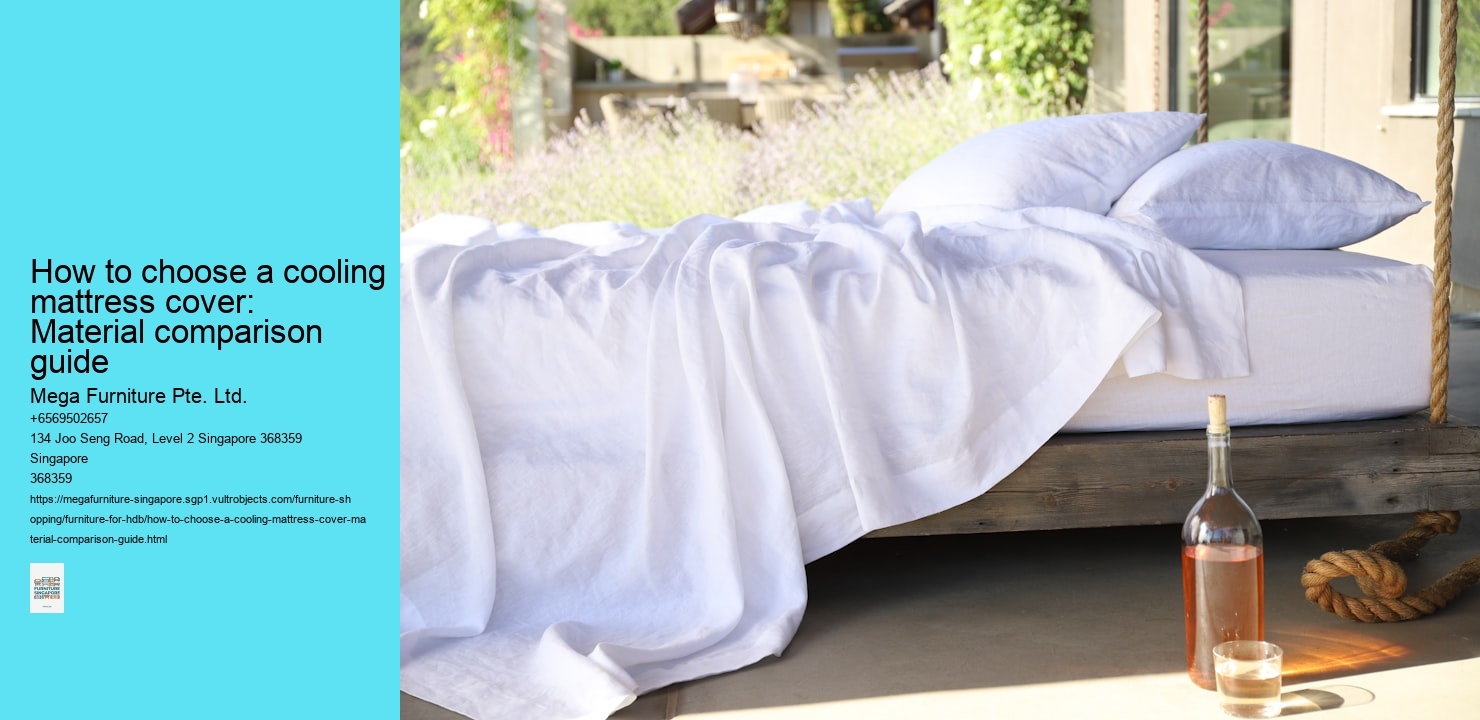
" width="100%" height="480">How to choose a cooling mattress cover: Material comparison guideCooling mattress covers need fabrics that resist Singapore's 80%+ humidity. Bamboo-derived viscose or Tencel lyocell offer natural breathability and moisture-wicking without trapping dampness. Performance fabrics like Crypton add stain resistance, useful for homes without air-conditioning where sweat is common. These materials prevent mould growth and feel dry against the skin all night.
A cooling mattress cover must fit your bed's exact dimensions to function properly. Queen size (152x190cm) is the standard for most HDB master bedrooms, requiring a cover of matching size. Leave about a 60cm clearance on the exit side of the bed for easy movement and cover adjustment. An ill-fitting cover can bunch up, reducing its cooling airflow and effectiveness.
Bamboo viscose feels cool against the skin the moment you lie down, a silky smoothness that’s a genuine relief on a sticky night. That initial sensation isn’t just marketing fluff; it’s the material’s natural breathability at work, letting air circulate instead of trapping heat. You’ll notice the difference especially if you’re moving from a standard polyester blend that tends to cling. For sleepers who toss and turn, that slick surface reduces friction, so you’re not wrestling with the sheets. Just don’t expect that pristine, almost slippery hand-feel to stay perfectly unchanged after a year of weekly washes.
The real selling point is how well bamboo-derived fabric moves heat away from your body throughout the night. It’s not magic, just a fibre structure that wicks moisture and allows for excellent air flow, which is crucial when your bedroom feels like a sauna. This makes it a strong contender against other cooling fabrics, particularly for those who find memory foam too insulating. In our climate, where the air doesn’t cool down much even after midnight, that continuous dissipation is what prevents you from waking up in a sweat. The trade-off, however, comes from how the fabric is constructed to achieve this lightweight breathability in the first place.
That same open, airy weave that gives you the cooling benefit is also its Achilles’ heel over time. Repeated washing, especially in our hard water, can cause the threads to relax and the weave to loosen slightly. You won’t see holes suddenly appear, but the fabric can develop a perceptibly thinner, almost gauzy quality in high-friction areas like where your heels rest. This is a gradual wear pattern, not a sudden failure, and it’s more about a change in texture and perceived durability than the cover falling apart. It’s the classic Singapore story for any textile: humidity and frequent laundering take a toll.
Our 80%-plus humidity doesn’t just make you sweat; it accelerates the wear on materials not built for the long haul. Bamboo viscose absorbs moisture from the air, which means the fibres are constantly swelling and contracting slightly, stressing the weave. This, combined with the need to wash bedding more often here, creates a perfect storm for that thinning effect to set in sooner. A cover that might last a decade in a temperate climate will show its age faster in a Tampines flat without air-con. You’re not doing anything wrong; you’re just living in a tropical environment that’s harsh on furnishings.
So, is it worth it? For the hot sleeper who values temperature regulation above all else, the answer is often yes. The cooling performance is real and immediate, improving sleep quality in a way a thicker, more durable but warmer fabric simply cannot. You just have to go in with eyes open, understanding you’re prioritising climate control over a decade of pristine condition. The one exception is for those who machine-wash bedding on a heavy cycle multiple times a week—the abrasive action will degrade bamboo viscose faster than most. For everyone else, the trade-off is clear: a few years of genuinely cooler sleep is better than a lifetime of restless nights.
Pure Tencel lyocell feels shiok on a hot night, but that’s often because it’s woven thin. A thicker, heavier weave for durability can trap heat instead of letting it pass—you’re trading one comfort for another. That’s where a blend comes in, aiming for a middle path that works year-round in a non-air-conditioned room. Think of it as an engineered compromise: the lyocell brings its moisture-wicking nature to the party, while a synthetic like polyester adds the structural backbone to prevent the fabric from sagging or thinning too quickly under constant use. The goal isn’t peak coolness, but a reliable, steady performance that won’t surprise you during the mid-year humidity or leave you feeling clammy.
There’s one clear exception to this blended approach. If your priority is maximum temperature regulation because you’re particularly sensitive to heat, perhaps dealing with night sweats, then the pure, lightweight Tencel option is still the better call. The synthetic blend’s added resilience just isn’t the main concern in that scenario. For everyone else, the blended fabric represents a sensible, long-term solution. It acknowledges that a mattress cover in a 4-room BTO isn’t just for sleeping; it’s a piece of home furniture that has to withstand the rest of life too. You want something that can handle the occasional spill, the yearly monsoon dampness, and still feel reasonably cool when you lie down at night. That’s the balance these blends are designed to hit.
The blend ratio and the fabric’s weight are what you should check on the label, not just the presence of Tencel. A 50% lyocell, 50% polyester mix in a lighter weight cloth will generally feel cooler and more breathable against the skin. A higher polyester content, especially in a denser weave, shifts the balance toward durability and wrinkle resistance, which can be a sensible trade-off if you’ve got kids or pets jumping on the bed. For most Singapore sleepers, that middle-ground blend—cool enough for most nights, tough enough for daily life—is the pragmatic choice. You won’t get the exceptional breathability of a very fine, pure lyocell cover, but you also won’t get the disappointment of a cover that pills or loses its shape after a few seasons.
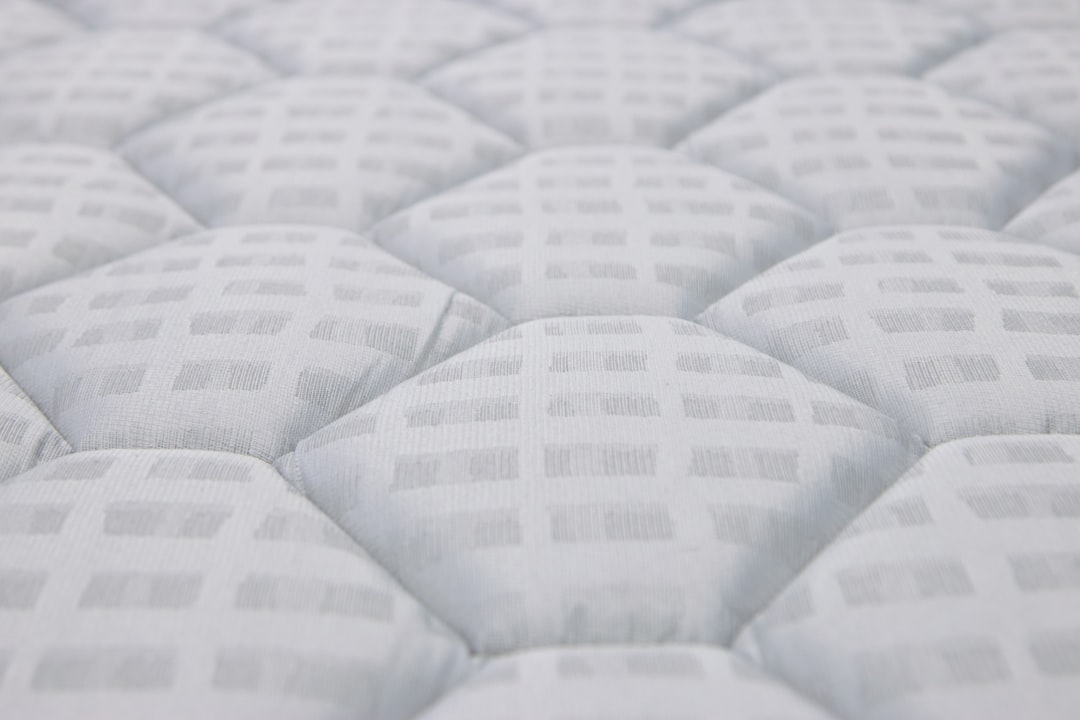

Phase-change materials sound like a futuristic solution—and in a way, they are. These clever covers absorb a burst of heat when your body temperature spikes, holding it for a short while to smooth out the peaks. For someone experiencing sudden night sweats, that momentary absorption can be the difference between waking up drenched and sleeping through the flash. It's a targeted fix, not a blanket cooling effect for the whole night. Think of it like a small thermal battery strapped to your bed, discharging its stored heat back into the room air once you cool down.
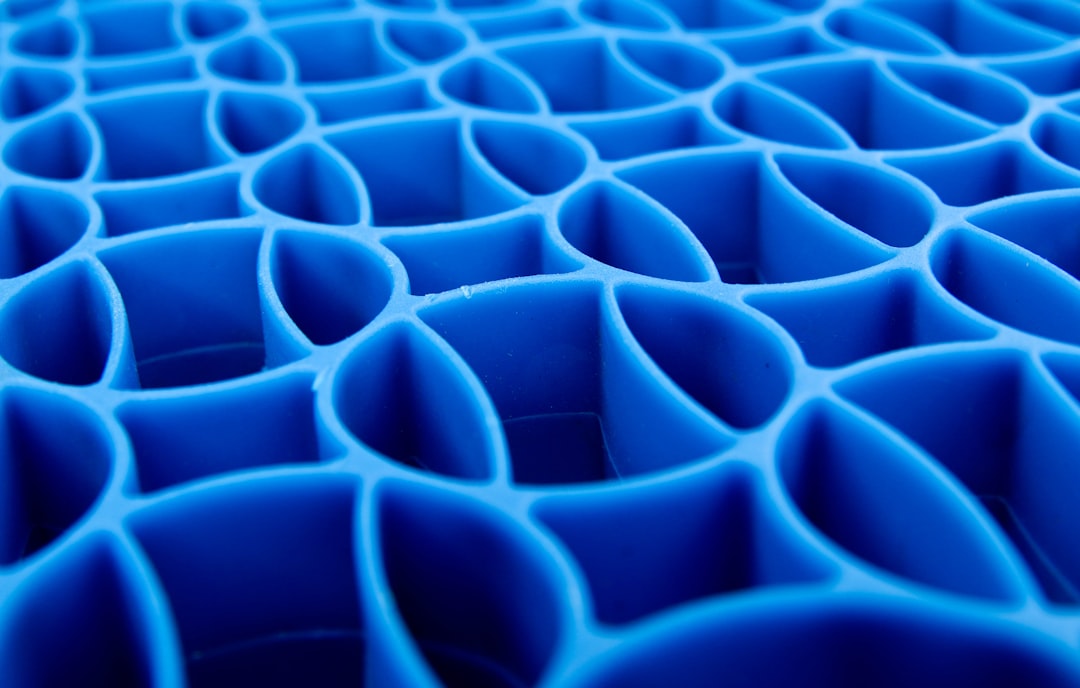
But here's the catch: that battery needs to discharge properly. The absorbed heat has to go somewhere. If your room is a sealed box with no air movement, the warmth just hangs around the bed, and the PCM layer can't reset. It gets saturated, and its effect diminishes. That's why pairing it with a breathable mattress core is non-negotiable. A dense, non-porous foam underneath will trap heat against the PCM cover, rendering it useless. You need a mattress that lets air flow through—ventilated coils, aerated latex, or an open-cell foam—so the heat the cover releases can actually escape.
So, is it worth the investment? For the specific problem of hot flashes, absolutely. It’s a clever piece of engineering that addresses a very real, disruptive issue. But treat it as a specialised layer in a broader cooling system. Slapping a PCM topper on an old, heat-trapping mattress in a stuffy, west-facing room won’t save you. The technology works best as part of a team: a breathable bed base, decent room ventilation, and maybe a fan. Without that support, you're just buying an expensive placebo.
The one time I'd skip it is if your primary complaint is overall ambient heat throughout the night, not sudden spikes. If your entire bedroom feels like a sauna from lights-out till morning, you're better off directing your budget and effort towards improving room airflow or choosing a mattress with inherent cooling throughout its entire structure. The phase-change layer is a precision tool, not a general-purpose fan.
A bamboo cover might look crisp on a website, but you can’t feel its weave from a photo. A Tencel blend might boast breathability, yet its actual coolness against your skin in our 80% humidity is a different story. Spec sheets tell you what a material is, not how it performs under a ceiling fan on a still March night. That’s why skipping the showroom step for a cooling mattress cover is a gamble.
You need to sit on the bed, really. Lie there for a full minute, let your body heat settle into the spot. Does the initial chill fade too quickly? Does the fabric feel slick or slightly clingy when your skin is warm? This isn’t about luxury—it’s about preventing a costly mismatch between expectation and reality. A cover that feels cool in an air-conditioned showroom might still trap heat in a non-air-conditioned HDB bedroom facing the afternoon sun.
Humidity is the silent variable no spec can quantify. Some tightly-woven fabrics, even natural ones, can feel slightly damp or less breathable in our climate. Others might pill over time with regular washing, a texture change you’d only notice by rubbing the sample between your fingers. At the showroom, you can compare side-by-side: run your hand over a bamboo sateen versus a percale cotton, press your palm into a phase-change material panel to feel its reaction. It’s the difference between reading a recipe and tasting the dish.
The only time I’d consider buying blind is if you’re replacing an identical cover you already know and love. Even then, batches can vary. For anything new, that hands-on test is non-negotiable. You’re committing to sleeping on this surface for years—a five-minute assessment in person saves the sian feeling of a wrong choice delivered to your doorstep. Go down, feel the goods, then decide.
Walk into any showroom and you'll hear the same few questions about cooling covers, always tinged with a bit of local anxiety. Singapore's humidity throws curveballs that product labels from drier climates just don't anticipate. Let's settle the common ones.
Bamboo covers do shrink, but only if you wash them wrong. The mistake is tossing them in with a hot wash cycle—that's a sure way to end up with a cover that's too tight for your Queen. Cold wash and hang dry, and you'll be fine. It's the heat that causes the fibres to contract, not the humidity itself.
For night sweats in a west-facing room, Tencel is a strong contender, but it's not a magic bullet. That material is brilliant at wicking moisture away quickly, which helps a lot. But if your room is a genuine heat trap from the afternoon sun, you're fighting radiant heat stored in the walls. A Tencel cover will handle the sweat, but you might still feel the ambient warmth—pairing it with a breathable mattress underneath is key.
Is PCM worth the premium for HDB bedrooms? Honestly, for most people, no. Phase-change materials work by absorbing heat to change state, providing a cool-to-the-touch feel initially. In a constantly warm environment where the cover never really gets a chance to 'reset' to a cooler temperature, the effect can be subtle. You're paying a lot for tech that's more effective in climates with a temperature drop at night.
How often to replace a cooling cover in our humidity? Even the best ones won't last a decade. The constant moisture and frequent washing break down the fibres' technical properties. You'll know it's time when it starts feeling less cool to the touch or takes longer to dry. A good quality one should still give you a solid four to five years of proper performance before it's just a regular sheet.
You’ve got the fabric specs memorised, the cooling tech all lined up—but don’t zip that wallet yet. The final hurdle is matching those material promises to your actual bedroom and habits. It’s the difference between a cover that works and one that just sits there.
Start with the weave. A high-thread-count, tight weave might feel luxurious, but if you’re on a memory foam mattress, you’ll suffocate it. That foam is a heat trap; it needs a cover with real airflow, something loose and breathable like a percale or an open-knit bamboo. A dense weave will just seal the heat in, turning your cool-tech mattress into a sauna slab. For foam, breathability isn’t a nice-to-have, it’s non-negotiable.
Next, consider your laundry reality. Singapore’s quick wash, high-spin, often sun-dried routine isn’t gentle. Check the care label—if it says dry clean only or hand wash in cold water, that’s a fantasy for most of us. You want something that can handle a regular machine cycle, preferably on a cool or lukewarm setting, without shrinking or pilling after a few rounds. A cover that demands special care will end up permanently on the bed, gathering dust and sweat until you give up and buy another.
Finally, test the marketing against your room’s microclimate. That ‘active cooling’ phase-change material might be brilliant in a fully air-conditioned room, but in a west-facing flat that bakes in the afternoon sun, its effect could be utterly overwhelmed. If you rely on a ceiling fan, a slightly textured fabric that promotes air movement across the surface will do more for you than a perfectly smooth, marketing-hyped ‘cooling’ sateen. Your bedroom’s specific conditions—the sun exposure, the airflow, even whether you’re a hot sleeper who tosses—are the real benchmark. A cover that cools in a showroom under controlled lights might not cut it during our year-end monsoon season, when the humidity sits at 80% and the air feels like a warm towel.
Ignore this last check, and you’re just buying a story. Get it right, and you buy a proper night’s sleep.