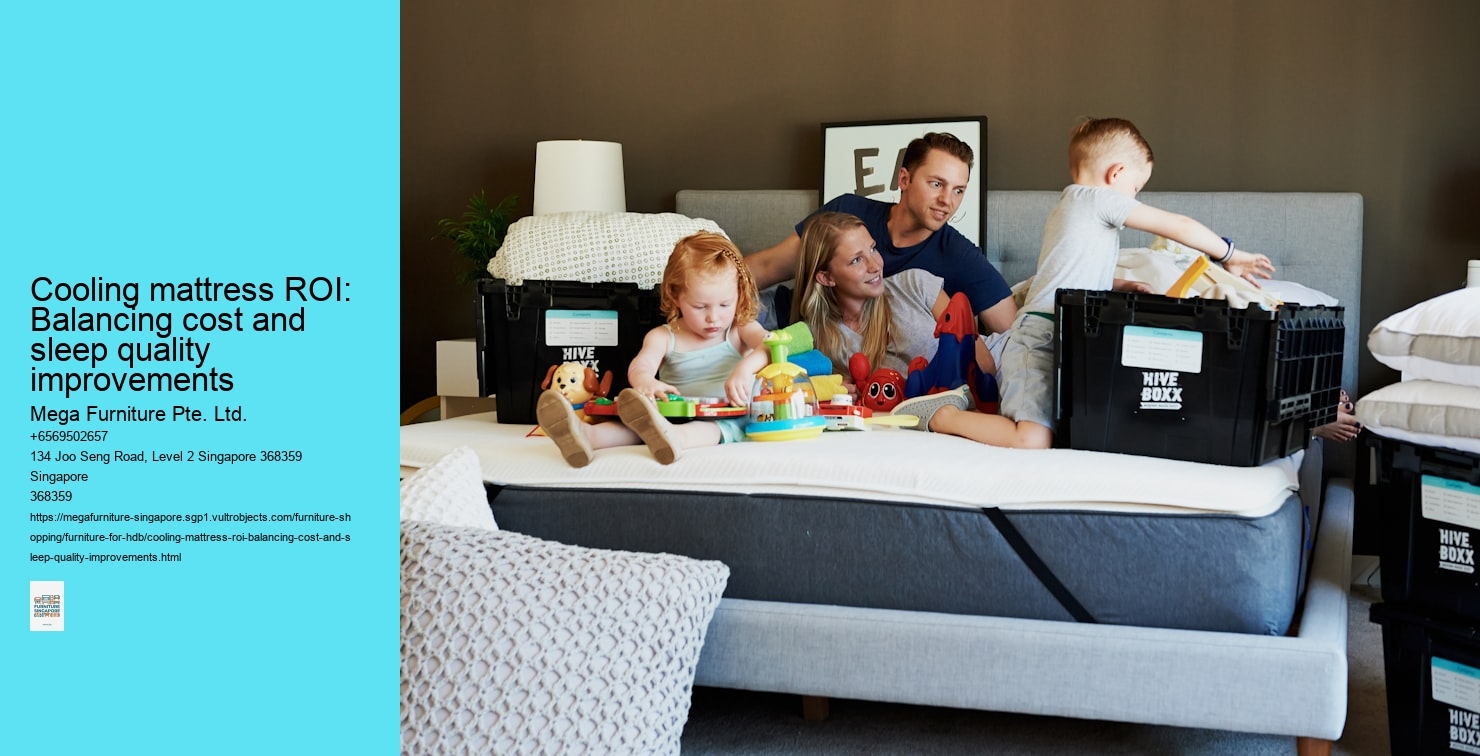
It begins with the best intentions. You hear about pressure relief, the way memory foam cradles your body, and you think that’s the solution for achy shoulders after a long day. So you invest. For a while, in an air-conditioned showroom or during a cooler spell, it feels like a cloud. But back in your non-air-con HDB bedroom, with the night air still and humid, the physics take over. That same conforming material doesn’t just cradle—it encapsulates. Your body heat gets trapped in the foam’s dense cells, with nowhere to go in a room that’s already 28 degrees and sticky.
The cascade is predictable, and brutal. What starts as a vague warmth builds into proper night sweats. You’re not just sleeping poorly; you’re waking up to shift positions, to flip the pillow, to seek a cooler patch of sheet that doesn’t exist. Your sleep becomes fragmented, all the deep recovery cycles interrupted by your own overheating body. By morning, you feel more drained than when you went to bed, defeated by the very thing that was supposed to help. That’s the real mistake—thinking of comfort only in terms of pressure, and forgetting that in our climate, temperature is the first and most critical layer.
Memory foam’s heat retention isn’t a minor flaw here; it’s a deal-breaker for most Singapore bedrooms. The material is fundamentally insulative. Sure, some versions now come infused with cooling gel or have breathable covers, which can take the edge off. But at its core, traditional memory foam is working against you when the ambient air isn’t cool. For the majority of us in resale flats or BTOs where the master bedroom doesn’t get 24/7 air-con, it’s simply the wrong tool for the job.
This realisation is what sends buyers back to the drawing board, now armed with a non-negotiable new priority: thermal regulation. You start looking past the marketing claims of ‘cloud-like feel’ and ask different questions. What actually pulls heat away? How does air move through this thing? Your search shifts towards materials engineered for dissipation—aerated latex that sleeps cooler by nature, coil systems with ventilated channels, or phase-change covers that actively manage surface temperature. The goal stops being about sinking in and starts being about staying neutral, a stable island in our tropical night.
You know the drill. It’s three in the morning, the air is still, and you’re staring at the ceiling again. That familiar, prickling heat climbs up your neck, and before you know it, you’re kicking off the sheets. For menopausal women especially, a room at 28°C isn't just warm—it's a trigger. The hot flush hits, the body tries to cool, and sleep shatters. You’ll drift off, only to wake up damp and frustrated an hour later. That cycle repeats until dawn, turning what should be rest into a draining nightly chore.
This isn't about feeling a bit toasty. It's a physiological cascade that erodes sleep architecture—the deep, restorative stages where your body actually repairs itself. Each wake-up resets the clock. You might technically be in bed for eight hours, but the quality is shot. The consequence isn't just morning grogginess; it's a persistent fatigue that seeps into your day, affecting everything from mood to concentration. A standard mattress, even a good pressure-relieving one, often becomes part of the problem here, trapping body heat right where you don't want it.
That’s why the buying criteria shifts entirely. You’re no longer just looking for something that feels soft or supportive for your back. You need a mattress engineered for heat dissipation as its primary job. Pressure relief is a given, but thermal regulation is the non-negotiable. The goal is to create a microclimate that actively pulls heat away from your body, giving those hot flushes a place to go so your core temperature can stabilise. It’s the difference between stewing in your own heat and having a fighting chance to ride out the wave without fully waking.
So, forget judging a mattress by sink-in comfort alone. For this specific struggle, a cooling system isn't a luxury add-on—it's the main event. You want to see phase-change materials, aerated latex, or ventilated coil systems that promote air flow. A breathable Tencel or bamboo cover isn't just for marketing; it's the first line of defence. Anything less, and you’re basically investing in a very expensive hot water bottle. The only time you'd skip this focus is if you're sleeping in a fully air-conditioned room kept below 24°C round the clock—but how many of us can afford that bill every single night?
That eight-hundred-dollar mark is where you get your entry ticket. This buys a decent breathable cover, usually bamboo or Tencel, which does a solid job wicking moisture away from your skin. It’s a world better than a standard polyester quilted cover that traps heat like a plastic bag. For a sleeper in a non-air-conditioned room who just needs a bit more air flow, this upgrade is a no-brainer. You’re not getting any fancy internal cooling, but you’re tackling the surface layer where you make direct contact. The improvement is real, and the cost jump from a standard mattress isn’t crazy.
Now you’re looking at fifteen hundred to twenty-four hundred, where the engineering gets serious. This price bracket introduces cooling gel infusions or aerated latex layers that actively pull heat down into the mattress core. Phase-change materials often enter the chat here, those clever fabrics that absorb excess warmth and release it later. The sleep quality leap is substantial, especially for anyone who feels their current memory foam sleeps like a heated blanket. You’re paying for materials that don’t just cover the problem but physically manage thermal transfer. It’s the sweet spot for the perennial hot sleeper who needs a consistent solution.
Cross the three-thousand-dollar line, and you’re buying a complete climate system. These mattresses layer multiple technologies—gel, phase-change covers, ventilated coil zones, and high-airflow foams—all working in concert. The goal isn’t just to feel cool to the touch but to maintain a regulated microclimate throughout the entire night. For someone suffering night sweats or living in a west-facing flat that bakes all afternoon, this integration can be the difference between broken sleep and solid rest. The cost is significant, but the engineering is defending your sleep on several fronts simultaneously.
So where’s your money best spent? You’ve got to weigh how much that sweaty, 3 a.m. wake-up is truly costing you in lost rest and next-day fatigue. A basic breathable cover might solve eighty percent of the problem for a casual warm sleeper—no need to overcomplicate it. But if you’re peeling the sheets off every night, the mid-tier investment starts looking like a necessary health expense, not a luxury. The premium tier is for those where the problem is severe and relentless; for them, the return on investment is measured in uninterrupted sleep cycles. There’s no single right answer, but there’s definitely a wrong one: paying for tech you don’t actually need.
Here’s the thing buyers rarely ask: how does this cooling layer affect the mattress feel and longevity? A thick slab of cooling gel can sometimes make the sleeping surface feel firmer or slightly less responsive than you expected. Those phase-change covers are fantastic, but check if they’re removable for washing—humidity plus sweat is a potent combination in our climate. Also, advanced aerated latex is wonderfully breathable, but it’s still a natural material that will slowly oxidise and firm up over many years. Your budget decision isn’t just about temperature; it’s locking in a specific feel and maintenance routine for the next decade.
Cooling mattresses address night sweats with specific heat-dissipating technologies. Gel-infused memory foam actively draws heat away from the body, while aerated latex layers promote airflow. For menopausal women experiencing hot flashes, phase-change materials woven into the cover can absorb and release heat to maintain a stable surface temperature. These engineered materials are critical in Singapore's 28°C-plus bedroom environments.
The cooling gel layer in some mattresses can feel like a revelation in the first year, but that's exactly when you need to look past the initial chill. Our humidity doesn't just make you sweat; it works into materials over time. That gel is often a thin layer infused into foam, and the foam itself is the real story. Standard memory foam absorbs moisture from the air, becoming denser and less breathable season after season. The cooling effect diminishes because the base material is slowly changing—it's not a failure of the gel, but of the foam it's stuck to. You'll find the centre of the mattress feels different from the edges after a few monsoon cycles.
For ventilated coil systems, the enemy isn't moisture but constant load. A pocketed spring unit in a well-made mattress is designed to resist sagging, but the keyword is 'well-made'. The coils need a sturdy border wire and a high-density foam edge support to prevent that dreaded roll-off feeling when you sit on the side. In a cheaper build, the ventilation channels between coils are there, but the whole structure can buckle under weight over five years, closing those air paths. The system survives if the foundation survives.
Bamboo or Tencel covers promise breathability, and they genuinely deliver it, even after dozens of washes. The trick is in the weave and the fibre's natural structure, which doesn't collapse with agitation. A cheap polyester blend might pill or lose its permeability, but a proper bamboo cover maintains its open channels. It's one of the few components where repeated cleaning actually helps longevity, removing salt and oils that could otherwise clog the fabric's pores. Just avoid the hot dryer; cold tumble or air dry keeps the fibres relaxed.
Aerated latex is the standout for our climate. It's inherently open-cell, so it doesn't rely on added channels or gels that can degrade. The structure is like a honeycomb, and it's resilient—it pushes back against compression night after night. Compared to standard foam, which can slowly compact into a denser, hotter slab, latex retains its spring and its breathability. It's the one material where the cooling property is baked into the substance, not added as a topping. The only time I'd hesitate is if you're after that classic memory foam 'sink' feel; latex gives you support, not a hug.
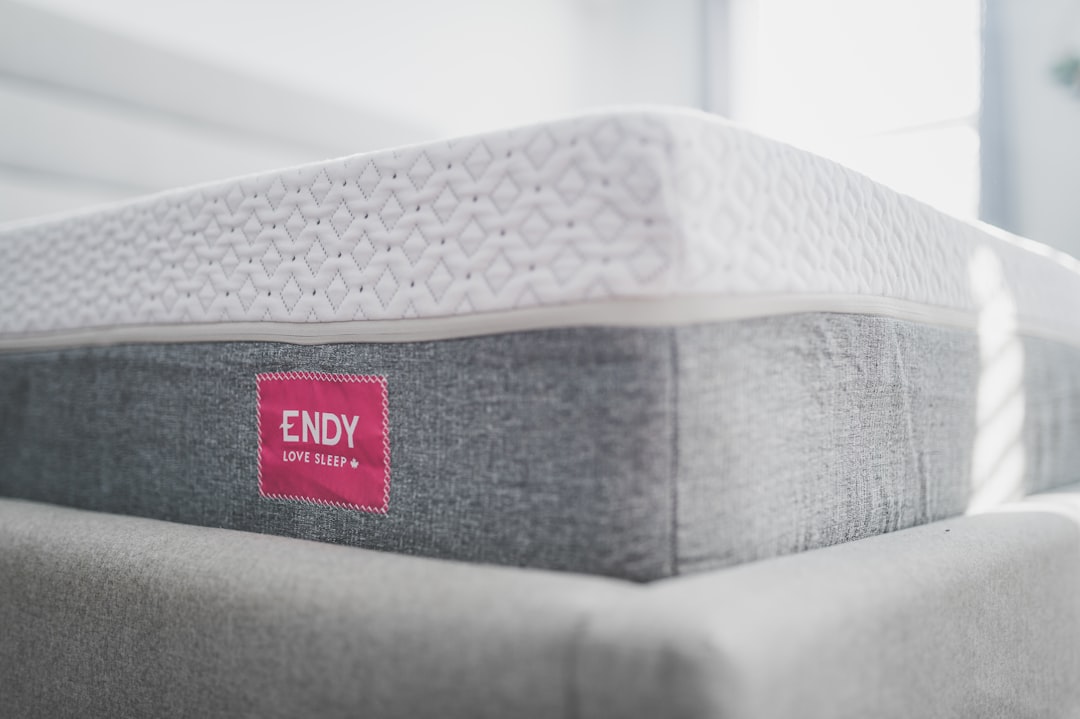
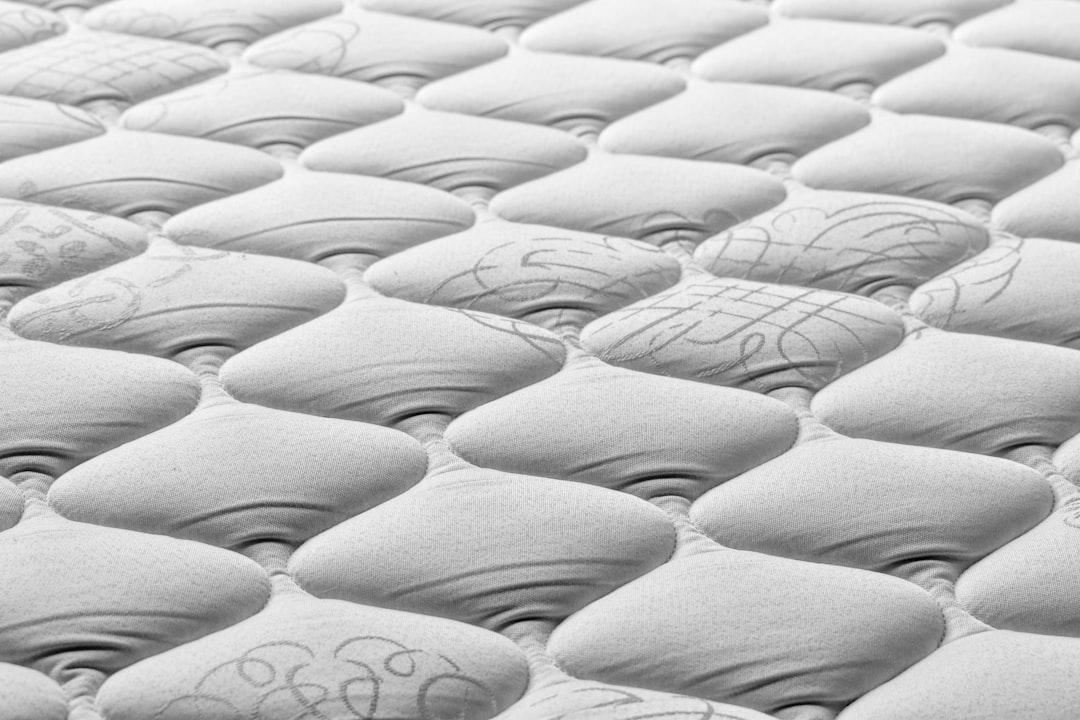
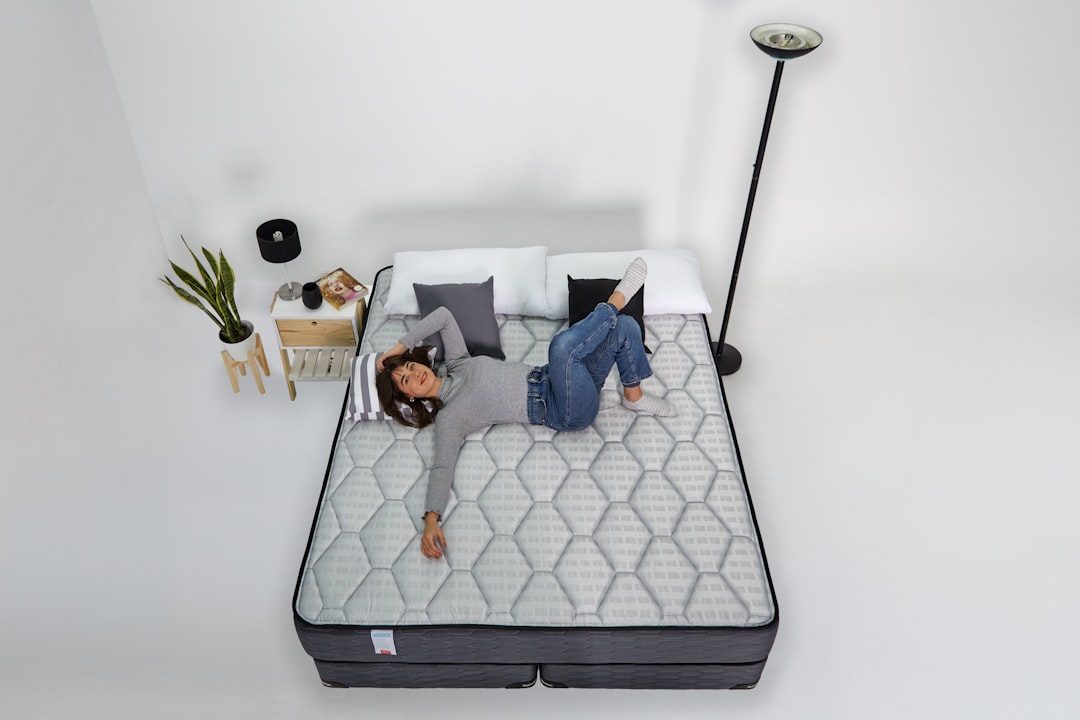
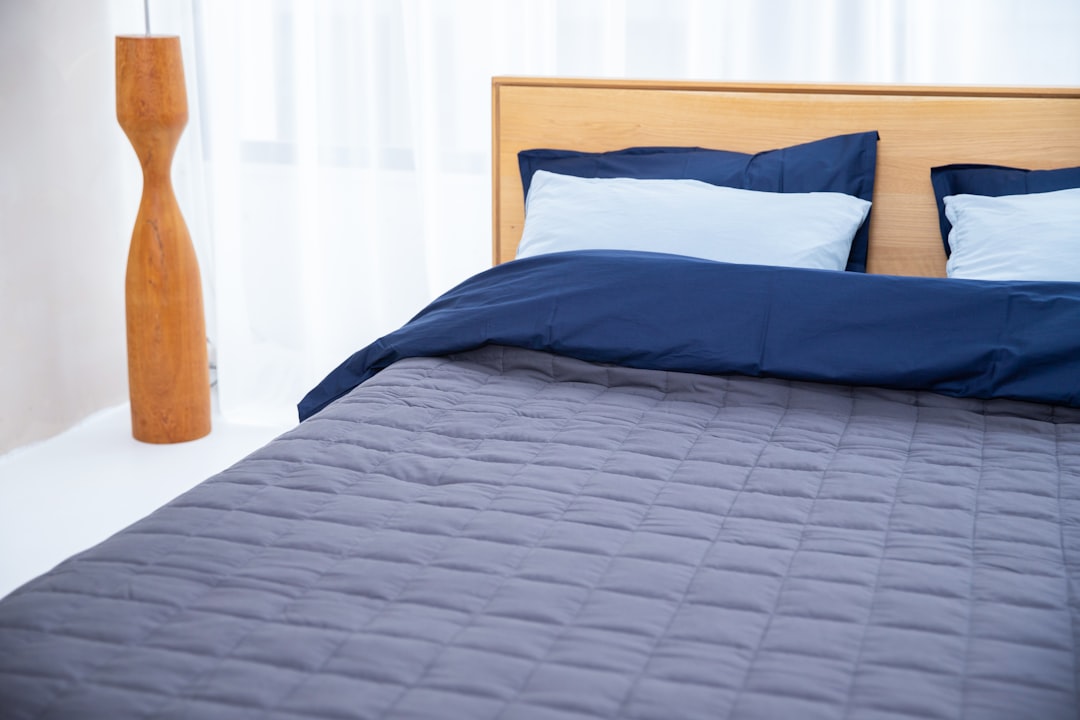
It’s the classic showroom dilemma: you lie down on a cooling mattress, feel the lovely chill, and sink right in. That’s pressure relief, sure, but your spine isn’t getting the support it needs. Too soft, and you’ll wake up with aches. Too firm, and the cooling tech doesn’t get a chance to work properly—your body can’t sink in enough to let the gel or PCMs actually contact your skin. That’s the trade-off, and it’s a real one.
The cooling layer itself changes everything. A thick slab of gel foam adds softness, which can compromise support if the base foam isn’t dense enough. Aerated latex feels supportive and cool, but it’s often firmer than memory foam, so pressure relief might suffer. Even a breathable bamboo cover can’t do much if the mattress underneath is so firm it concentrates your weight on shoulders and hips—heat builds right there, defeating the whole cooling purpose.
So where’s the balance? For most hot sleepers, aim for a medium-firm core with a dedicated cooling top layer. That way, the support keeps your spine aligned, while the cooling materials are right at the surface where they can actually dissipate heat. A ventilated coil system paired with a thin cooling gel pad often hits this sweet spot. You get the airflow and the pressure relief without sinking too deep. One counterintuitive point: sometimes a slightly firmer mattress with a truly excellent, breathable cover cools better than a soft one with a mediocre cooling layer. The cover’s breathability lets heat escape, while the firmness prevents that heat-trapping “sink” that can happen in overly soft beds.
The exception? If you’re dealing with serious pressure point issues, like from arthritis, you might need to lean softer. In that case, prioritise a cooling mattress with a deep, responsive comfort layer—like aerated latex—over a pure gel memory foam. Latex gives that sink-without-stuck feeling, and its natural breathability helps with heat even if the overall feel is softer. Just remember, support still matters; look for a zoned base or a high-density foam core underneath to prevent that middle sag over time.
You can’t tell a cooling mattress from a picture on your phone. The weave of the fabric, the actual feel of those cooling layers, and how firm it sits under your weight—those things only come clear when you’re there, pressing down on it. That’s why a trip to a showroom isn’t just a nice-to-do; it’s the only way to know if a mattress will work for you in a non-air-conditioned room.
Head to either the Joo Seng or Tampines location and spend some time with the Somnuz® range. Don’t just perch on the edge; lie down properly, the way you would at home. Roll over, settle in for a minute. Pay attention to how the surface fabric feels against your skin—is it genuinely cool, or just slightly less warm? The difference matters when your bedroom’s pushing past 28 degrees at night. Check how the cooling gel foam or aerated latex layers interact with the firmness you prefer. A mattress that’s too soft might let you sink in and trap heat, even with a fancy cover.
Firmness is subjective, and what the label says might not match what your back says. One person’s “medium” is another person’s “rock”. Testing in person lets you compare models side-by-side, so you can feel the gradations. It also shows you how a mattress meant to regulate temperature actually supports you. A cooling mattress that doesn’t give proper support is a waste of money, no matter how breathable its bamboo cover is.
The exception? If you’re replacing an identical mattress you already know and love, and you’re certain the model hasn’t changed. Otherwise, you’re guessing. And guessing on something you’ll use every night for years is a risk. So go down, take your time, and make the choice with your own body’s feedback. That’s the only way to balance the cost against the sleep quality you’re buying.
The most common cooling mattress question is whether it works without air conditioning. In a non-air-conditioned room, ambient temperatures can stay above 28°C, and a cooling mattress can't lower the air around you. It's designed to manage the heat you generate, pulling warmth away from your body and dissipating it. So while you'll still feel the room's heat, the mattress won't trap your own body heat like a traditional memory foam can—you won't be sleeping on a thermal battery. For true relief, pair it with a fan and breathable bedding; the mattress handles the internal job, but you need airflow for the external one.
How long do cooling gel layers last? The gel itself doesn't evaporate, but its effectiveness can diminish over years as the foam structure around it compresses and loses its ability to channel heat away. You're looking at a functional lifespan of roughly five to seven years before you might notice it's not as cool as when new. That's a decent run, considering a mattress's overall life.
Are bamboo covers good for hot flashes? Bamboo fabric is highly breathable and helps with surface moisture, which is useful for the sudden sweats that come with hot flashes. It won't stop the flush itself, but it can make the aftermath less uncomfortable by allowing quick evaporation. For night-time episodes, a bamboo cover combined with a mattress that has a ventilated core—like aerated latex or a coil system—creates a double layer of defence. The cover manages the immediate wetness, and the mattress core deals with the deeper heat buildup.
What mattress firmness is best for side sleepers who sweat? Side sleepers need a medium-soft to medium firmness to allow proper shoulder and hip sinkage, but softer foams can sometimes trap more heat because you're enveloped. The trick is to find a cooling mattress built with a firmer support base topped with a softer, breathable comfort layer. A ventilated hybrid—cooling gel foam or phase-change material on top, with a pocketed coil system below—often gives that pressure relief without the deep, heat-trapping hug of a uniform soft foam. That combination addresses both the alignment need and the temperature issue in one go.
You’ve got your bedroom dimensions and a rough idea of what you want—that’s a decent start, but it’s not enough. Walk into a showroom without your own hard limits, and you’ll get swayed by every feature and upgrade they throw at you. The first thing to lock down is your absolute ceiling, not a hopeful target. Cooling mattresses come with a range of tech, from basic breathable covers to phase-change materials, and the price climbs accordingly. Decide what you’re willing to spend for that cooler sleep, and treat that number as a wall. If your budget is firm, you can immediately filter out the options that just aren’t possible, saving you from the temptation of a “just a little more” scenario that adds another thousand.
Next, know your required firmness. This isn’t about preference; it’s about your body. If you’ve had back issues or you’re a side sleeper, you likely need a specific support level. Trying every plush and firm model in the showroom is a waste of time if half of them won’t work for you. Have a conversation with yourself—or your partner—about what you actually need to wake up without aches. That clarity lets you test only the relevant mattresses, focusing your energy on how their cooling features feel, not on adjusting to a foreign support system.
Then, be brutally honest about cooling: is it your primary need or a nice bonus? For someone in a non-air-conditioned room or dealing with night sweats, temperature regulation is the core problem you’re solving. Everything else is secondary. If you’re in a cooled room but just dislike warm foam, it’s a secondary feature you can weigh against other qualities like edge support or bounce. This distinction shapes your entire search. If cooling is primary, you’ll prioritise technologies that actively dissipate heat, even if they come at a trade-off in other areas. If it’s secondary, you might compromise a bit on cooling to get a better overall feel.
Finally, bring your room’s concrete measurements. Not “my room is small,” but “my master bedroom is 3.5 by 3 metres.” Know your bed frame’s exact internal dimensions and whether it can accommodate a thicker mattress. Many modern cooling designs are taller, combining layers of gel foam or latex. If your existing frame has a low lip, a 30cm mattress might not fit. That detail, often overlooked, can turn a showroom victory into a delivery-day headache. Also, remember that a Queen is the default couple size for most HDB master bedrooms—a King can work, but you’ll need that 60cm clearance on at least one side for moving around. Measure the path from the lift to your bedroom door too; a flexible mattress can bend into a tight lift, but you still need to know if it’ll clear the final doorway. Without these numbers, you’re just guessing.