Memory foam in Singapore’s humidity is a losing battle. You sink into that initial comfort, but after a few hours, you’ll feel the trapped heat building up—your own body warmth has nowhere to go. That’s the insulation effect in action, and in a non-air-conditioned bedroom where ambient temperatures often exceed 28°C, it turns your bed into a personal sauna. The surface might even feel damp to the touch, a direct result of moisture from the air and your body getting locked in. For anyone who sleeps hot, or for those experiencing hormonal changes like menopause, this creates a cycle of discomfort that ruins any chance of rest.
The core issue isn't just the temperature, it's the lack of airflow. A mattress that breathes works like a natural climate control system, constantly allowing warm air to escape and drawing in slightly cooler air from the room. This continuous exchange is what prevents that stifling, clammy feeling from settling in. Think of it like wearing a breathable cotton tee versus a plastic raincoat in our weather—one lets you live, the other makes you sweat. In a climate where humidity hovers around 80%+, that breathability isn't a luxury; it's a basic requirement for a dry, comfortable sleep surface.
Aerated latex is a prime example of this principle in material form. Its open-cell structure is naturally perforated with tiny air channels, so it doesn’t just sit there passively. It actively dissipates heat. This is different from simply adding a cooling gel topper or a phase-change fabric cover—though those help—because the ventilation is built right into the core of the mattress itself. It’s a fundamental property of the material, not an added feature that can wear down. For flats that face the afternoon sun or for rooms without constant air-conditioning, this intrinsic breathability makes a tangible difference night after night.
Now, the one real exception is if your bedroom is perpetually chilled by powerful air-con. In that specific, controlled environment, the insulating qualities of memory foam might be tolerable, even desirable. But for the vast majority of us in typical HDB flats, landed homes, or condos where the air-con clicks off after a few hours, a mattress that traps heat is a recipe for regret. You’ll find yourself waking up to adjust the thermostat or flipping the pillow for a cool spot. A breathable mattress sidesteps that whole struggle, working with our climate instead of fighting it.
A traditional solid rubber block mattress is a sealed unit, and that’s the problem. In a climate where humidity often sits around 80%, that dense slab has no way to shed the moisture your body releases overnight. You’re essentially sleeping on a sponge that can’t wring itself out, which is how you end up with that persistent damp feeling by morning—a perfect recipe for mould and that unpleasant musty smell over time.
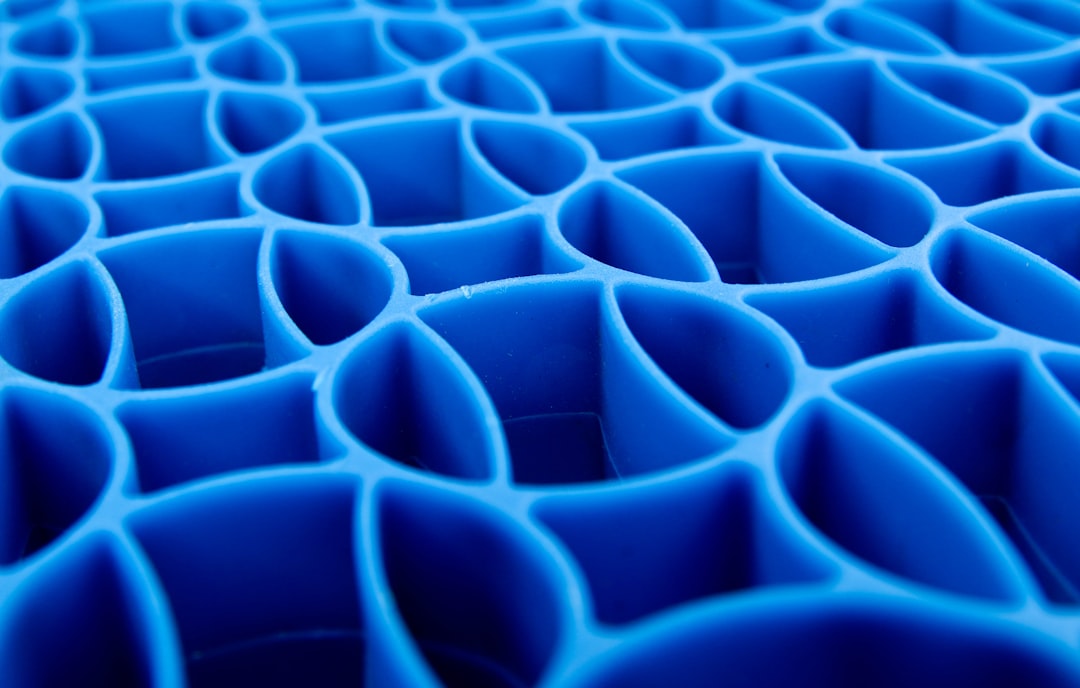
Aerated latex fixes this with physics, not magic. The manufacturing process creates a honeycomb of pin-core holes or a convoluted, egg-crate-like surface throughout the entire core. These aren’t just decorative textures; they form a continuous network of tiny air channels. Think of it as a built-in ventilation system. While you sleep, body heat and moisture vapour get actively drawn into these channels, where they can dissipate sideways and upwards instead of being trapped directly beneath you. It’s a passive but highly effective form of climate control for your sleep surface.
The difference in feel is tangible. A solid block can feel oppressively firm and, frankly, a bit dead. The aerated structure allows the latex to compress with more precise contouring—you get the support without the sensation of lying on a car tyre. More importantly, that open cell structure is constantly working. Even in a non-air-conditioned room during the year-end monsoon, the mattress isn’t holding onto that heavy, humid air. It stays noticeably drier and cooler to the touch over the course of the night.
There’s really only one scenario where a solid latex block might still make sense: if you need an ultra-firm, absolutely no-give base for a medical reason, and you’ll be pairing it with a highly breathable topper and aggressive room dehumidification. For everyone else in a typical HDB flat, the aerated version is the clear choice. It directly tackles the core issue of stagnant air, turning the mattress from a potential moisture trap into a component of your bedroom’s humidity solution. That’s a functional upgrade you’ll feel every single night.
That cooling latex mattress you tried feels so bouncy you can't sink in. This lift is the airflow's best friend—it keeps your body elevated so air can circulate underneath, pulling heat away from your core. For a back sleeper in a non-aircon room, that buoyancy is a godsend; it supports the spine's natural curve without letting your lower back collapse into a heat trap. But if you're a dedicated side sleeper, that same lift can leave your shoulder and hip feeling like they're pressing against a firm board, not cradled. The trade-off starts right here: the very feature that cools you down might leave pressure points high and dry.
Deep contouring, the kind that memory foam is famous for, works by letting your heaviest parts sink in until the surrounding foam supports them. That's what gives that "ahh" relief for shoulders and hips. In our humidity, though, that sink-in becomes a swamp—your body nestles into a warm pocket that the air can't reach. A cooling mattress engineered for our climate often resists that deep hug, prioritising breathable loft over enveloping softness. You get pressure relief, but it's a broader, more distributed support, not the specific cradle you might be dreaming of.
Don't trust the label that just says "Medium Firm." On a traditional mattress, that usually means a predictable feel. On a cooling latex hybrid, "Medium" often translates to firmer than you'd think because the aerated core refuses to collapse. What feels like supportive firmness to a warm back sleeper can feel unforgiving to a side sleeper's joints after a few hours. The real test is to lie in your usual sleeping position for a good ten minutes in the showroom—that initial comfort might stiffen up as your weight settles and the mattress pushes back.
Our 80%-plus humidity changes everything about pressure relief. A material that contours beautifully in a dry, cool climate will feel sticky and heat-retentive here, making you toss to find a cool spot. The mattress that stays cool does so by staying breathable and responsive, which inherently limits how much it can mould to every curve. So the deep pressure relief you read about in overseas reviews? In a Tampines flat during the monsoon season, that same feature becomes a sweaty compromise. You're not just choosing firmness; you're choosing how a material behaves in saturated air.
For the side sleeper with back pain, this is where the choice gets real. You need that hip and shoulder to sink enough to keep your spine aligned, but you cannot afford a material that holds heat. The solution often lies in a zoned support layer within the cooling core—firmer under your heavier torso, softer at the shoulder and hip. This gives targeted relief where you need it while the aerated latex around it keeps the air moving. It's not the all-over sink-in cloud, but it's the sustainable fix that won't have you waking up damp and achy. Go for that zoned design; your back will thank you by morning.
You've spent good money on a mattress that's meant to breathe, only to smother it. It happens all the time—a solid platform base looks sleek in the showroom, and a waterproof protector promises peace of mind. But in our climate, that combination is a recipe for trapping heat and moisture right where you don't want it. The whole point of an aerated latex core is defeated if air can't circulate underneath and vapour can't escape from above. You're left with a warm, damp sleeping surface, wondering why your 'cooling' mattress isn't working.
Then there's the bedding. That crinkly, plastic-feeling waterproof protector? It's a vapour barrier. While it might guard against spills, it also seals in every bit of perspiration and body heat, creating a mini-sauna on your bed. For hot sleepers, the correction is a protector made from a moisture-wicking fabric like Tencel or bamboo. These materials actively pull dampness away from the surface and allow it to evaporate, working *with* the mattress's natural breathability instead of fighting it. They feel cool to the touch, too.
For the base, slats are non-negotiable. The gaps between them, typically a few centimetres apart, allow air to move freely, pulling heat away from the mattress and preventing any humidity from getting trapped. A solid plywood or MDF platform might offer a super firm feel, but it creates a dead zone that turns your mattress into a heat sink. Even a storage bed with a lift-up base should use a slatted system on top of the storage box—if it's a solid panel, you've got a problem. The only time a solid base makes sense is if you're using a very old-school spring mattress that specifically needs the full support, but for modern latex, it's a mismatch.
So your checklist is simple: a slatted base, and a breathable, natural-fibre protector and sheets. Skip the solid platforms and the plastic shields. It’s a straightforward fix that lets your mattress do the job you paid for—keeping you cool and dry through our long, humid nights.
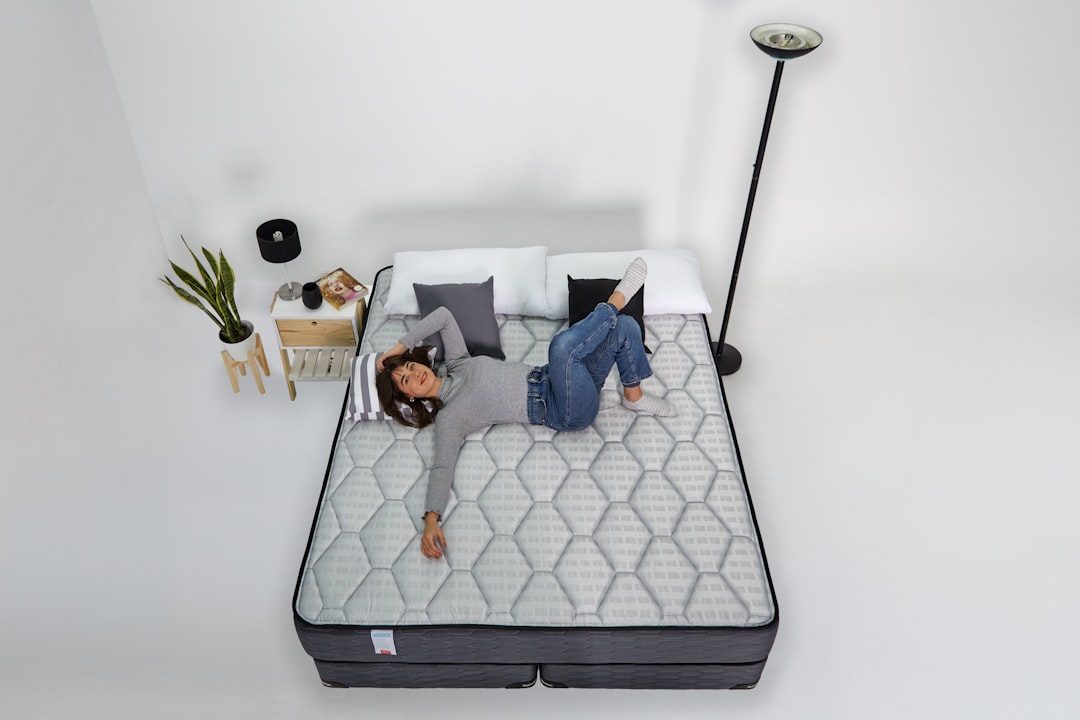

You'll know a cooling mattress is doing its job if your palm stays comfortably cool after pressing into it for a full minute. Many showroom shoppers just lie down for a few seconds, but that barely tells you anything in our climate. The real test for airflow happens when you transfer body heat into the material over a longer period—try it with the palm flat, applying firm pressure. You want to feel the heat dissipating, not pooling under your hand. If your hand feels warmer after sixty seconds than when you started, that's a red flag for a humid night's sleep.
Edge support is another thing you can’t properly gauge by just sitting on the side. Put your weight where you’ll actually roll out of bed each morning. A mattress that collapses at the perimeter will make you feel like you're clinging to a cliff edge, and it’ll lose shape faster over time. Good edge support means the mattress remains usable right to its edges, which matters a lot in a typical 3.5 by 3 metre HDB master bedroom where a Queen might be wedged against a wall.
The firmness check is more straightforward, but don’t trust the label on the tag alone. What’s firm for a lighter person might be rock-hard for someone heavier. Instead of just lying flat, try a typical sleeping position—on your side with your legs slightly bent, or on your back with your arms at your sides. You’re checking if your spine stays in a neutral line, not arched or sagging. Pressure points at your shoulders or hips are a sign it’s too firm, while a deep sink means it’s too soft for proper support.
For mattresses designed with ventilation in mind, like those using aerated latex or gel foams, look for the perimeter to be just as breathable as the centre. Some designs have cooling zones only in the core sleeping area, but your whole body needs the airflow, especially when the room’s ambient temperature pushes past twenty-eight degrees. The one time you might compromise is if you sleep alone on a narrow bed and never roll near the edge; otherwise, insist on consistent cooling across the entire surface.
Ultimately, your time in the showroom is about feeling the difference between a mattress that simply claims to be cool and one that genuinely manages heat under sustained pressure. No online spec sheet can tell you that.
By the third year, your cooling mattress’s biggest enemy isn’t you—it’s the air. Singapore’s humidity, which often pushes past 80%, doesn’t just feel sultry; it’s a slow, steady soak into any material left unattended. Aerated latex is champion at breathability, but even its open structure can’t win against a 12 sqm common bedroom sealed tight during the monsoon. That’s when a dedicated dehumidifier becomes non-negotiable. Run it for a few hours daily during the wet season, and you’re not just protecting the mattress—you’re defending the entire room’s ecosystem from mould and that persistent damp chill.
A simple rotation is your other best defence. Every few months, spin the mattress 90 degrees. This isn’t just about even wear; it prevents any one area from bearing the brunt of ambient moisture that might seep in from a particular wall or side of the room. It’s a five-minute task that pays off in longevity, ensuring the core stays uniformly dry and supportive. Forget this step, and you might find one corner feeling subtly denser, a telltale sign of uneven exposure to the elements.
Accidents happen, of course. A spilled drink or a night sweat needs attention, but the cleaning approach is critical. Spot-clean with a barely damp cloth and a mild detergent, then blot dry immediately. The rule is simple: never saturate the cover, and never let moisture reach the latex core. Latex doesn’t like being waterlogged, and a soaked patch can compromise its structure and become a breeding ground for mildew. Quick, light intervention is the way.
Some might think this level of care is overkill, but for those in non-air-conditioned rooms or older flats with poorer ventilation, it’s basic maintenance. The only time you might skip the dehumidifier is if your bedroom is perpetually air-conditioned, creating its own dry environment. For everyone else, fighting humidity is the long-term price of keeping that cool, supportive sleep surface from turning into a damp, disappointing sponge.
Spend enough time in a showroom and you'll hear the same few worries come up again and again. Shoppers here have very specific, climate-driven concerns that you just won't find in cooler countries. Let's clear the air on the most common ones.
Does aerated latex attract dust mites? The short answer is no, it’s one of its best defences. Dust mites thrive in warm, humid environments and feed on dead skin cells. Aerated latex’s open-cell structure is naturally ventilated and doesn’t hold onto moisture like traditional foams can, creating a less hospitable environment for them. That said, the real key is your mattress protector—a good, breathable, allergen-barrier cover is your frontline defence.
Can I use a cooling mattress with no air-con? Absolutely, that’s when you’ll feel the benefit most. A proper cooling mattress isn’t a magic air-con unit; it’s engineered to dissipate your body heat and improve air circulation around you. In a non-air-con room, you’re relying on that breathability to stop you from stewing in your own heat. Pair it with a Tencel or bamboo cover and a fan for a cross-breeze, and you’ll notice a real difference compared to a standard foam block.
How long before latex smells go away? That faint, rubbery new-mattress smell is normal for natural latex. It’s not the chemical off-gassing you get from some synthetic foams. Just air it out in a well-ventilated room—open those windows during the drier parts of the day. The smell typically fades to nothing within a week or two. If it’s still strong after a month, that’s unusual and worth a follow-up.
Is it too firm for a 50kg sleeper? This one’s crucial. A mattress that’s too firm won’t contour properly for a lighter body, leading to pressure points at the hips and shoulders. The good news with aerated latex is its responsive, buoyant feel—it offers support without that punishing, hard surface sensation. The real trick is to look for a model marketed as medium-plush or specifically designed for lighter body weights. Don’t just go for the firmest option thinking it’s better for your back; proper contouring matters more.
Aerated latex cooling mattresses rely on open-cell structures and natural airflow to dissipate body heat. This internal ventilation prevents the heat retention common in dense memory foam, which can feel stifling in Singapore's climate. The latex core is often paired with a breathable Tencel or bamboo cover, enhancing the overall cooling effect for hot sleepers and those in non-air-conditioned rooms.
Singapore's 80%+ humidity challenges mattress materials, but aerated latex handles moisture well. Its natural resilience and ventilated structure resist mould and maintain integrity, unlike some foams that can degrade. This makes a cooling latex mattress a durable choice for long-term use in our tropical environment, where climate control is a constant concern for sleep comfort.
That moment you click 'order' is the point of no return—so take a deep breath and run these three final checks. They’re the difference between a smooth setup and a logistical headache that leaves you sian for days.
First, verify your stairwell access, even if you’ve got lift delivery. A 7-inch latex mattress is flexible enough to bend, but you’d be surprised how many older HDB blocks have lift doors under 90cm wide or awkward corridor turns. Measure the tightest spot—usually the internal bedroom door, which can be as narrow as 91.5cm. If the delivery team hits a snag, you’ll kena a surcharge for staircase carrying, and hauling a queen-size mattress up multiple flights is no joke. Better to know the route beforehand.
Next, grab your measuring tape and head to the bedroom’s worst-ventilated corner. We’re talking about that spot behind the door or tucked beside a built-in wardrobe where air just doesn’t move. Note the humidity there with a simple meter, or just feel for that persistent dampness. This matters because you’re buying a mattress engineered for breathability; its performance hinges on air circulation. If that corner is a dead zone, you might need to rethink your fan placement or consider a dehumidifier to support the mattress’s cooling work.
Finally, scrutinise the warranty document for coverage of humidity-related issues. Many standard warranties cover manufacturing defects in the foam or stitching, but they’ll exclude damage from ‘environmental factors’—which is exactly how they classify mould or persistent dampness in our 80%+ humidity. You need explicit confirmation that the warranty won’t void if your non-air-conditioned room gets especially muggy during the year-end monsoon. Don’t just assume; get it in writing.
Skip these steps only if you’re absolutely certain about your flat’s layout and your bedroom’s climate control—but for most of us in resale flats or west-facing units, that ten-minute verification saves a world of trouble.