That sinking feeling into a memory foam mattress after a long day—it’s a promise of cloud-like support that turns into a swampy reality by 3am. You’re not just warm; you’re stuck in your own heat, peeling the sheet off your back in a room that’s already hovering around 28 degrees. The material that’s supposed to cradle you becomes a literal insulator, trapping every bit of body warmth with nowhere for it to go. Forget the air-conditioned showroom test—the true trial happens in your non-air-con bedroom, especially if it’s caught the west-facing afternoon sun in a typical 4-room BTO layout.
The science is simple, but it’s rarely mentioned in the sales pitch. Traditional memory foam is dense. It conforms closely to your body, which is great for pressure relief but terrible for air circulation. Your body heat gets absorbed and then just sits there, because the foam’s structure doesn’t allow for proper ventilation. In our humidity, that trapped heat mixes with ambient moisture, and you wake up feeling like you’ve slept in a sauna. It’s a classic case of a product designed for temperate climates failing spectacularly in the tropics.
Consider the typical sleep setup here. A Queen-sized mattress, 152 by 190cm, fills most master bedrooms. With limited space around it and often only a ceiling fan for airflow, any heat-retaining material will compound the problem. The foam doesn’t just react to your body temperature; it also soaks up the day’s residual warmth from the room itself. If your flat’s orientation means the sun bakes your external wall until evening, you’re essentially lying down on a pre-warmed heat sink.
There is one exception: so-called “cooling” memory foam. Traditional memory foam is famous for trapping heat, which is exactly why cooling versions exist — a memory foam mattress with gel-infused or open-cell foam dissipates body warmth while keeping the contouring, pressure-relieving feel people love. The gel beads absorb heat and draw it away, and the foam springs back faster so it holds less warmth. For a sleeper who wants the cradled memory-foam feel without the heat, the cooling-gel versions are the ones to compare.. Some versions now include gel infusions or phase-change materials designed to pull heat away from the surface. They can help, but it’s a mitigation, not a cure. The core issue of density and breathability remains. For sleepers who genuinely overheat—menopausal women facing night sweats, or anyone who just runs warm—even these advanced foams can feel insufficient when the ceiling fan is on its highest setting and it’s still not enough.
The verdict is pretty clear for Singapore. If your bedroom isn’t climate-controlled, a traditional memory foam mattress is a gamble you’ll likely regret. That initial comfort melts away by the second hour, leaving you with a sticky, restless night. The material’s famous “hug” starts to feel more like a chokehold in our weather.
The first thing you'll notice in a showroom is a little blue or green layer just under the cover. The whole case for cooling is the climate, and the guide to choosing a mattress for Singapore's weather lays it out — at high humidity and warm temperatures year-round, a mattress that breathes and regulates temperature decides whether you sleep through the night. It walks through the cooling materials worth seeking and why they matter here more than almost anywhere. The takeaway: in the tropics, how cool and dry a mattress sleeps is as important as how supportive it is.. That's the cooling gel infusion, and it's the most common fix for memory foam's heat trap. It works by adding polyethylene glycol beads into the foam, which absorb and dissipate body heat on initial contact. You get that immediate cool-to-the-touch feeling when you first lie down, a welcome relief compared to traditional memory foam. For a Queen size, you're typically looking at an entry point of around $800, climbing to about $1,500 for thicker layers and higher densities. It's a straightforward upgrade that makes foam mattresses viable here.
But that initial coolness has its limits. The gel works by absorbing heat, not by actively moving it away. During a long, humid night, the layer can become saturated—it's like a small towel that can only soak up so much water. Once its capacity is reached, the insulating properties of the foam underneath take over. For heavier sleepers or anyone who runs hot, this saturation point arrives faster, often leaving you feeling warm again by the early hours.
Sustained humidity is the real test. Our 80%-plus ambient moisture doesn't just hang in the air; it settles into your bedding. A gel foam layer does nothing to improve airflow through the mattress core. So on those still, sticky nights when there's no breeze to carry moisture away, you might find yourself on a warm, slightly damp-feeling surface. It's a layered solution that addresses the surface problem but doesn't overhaul the system.
I'd recommend this for someone moving from a basic, non-cooling foam mattress and who sleeps alone or with a partner who doesn't radiate much heat. It's a clear step up. But if you're a heavier person or you've woken up drenched on a regular mattress, the gel infusion alone might not cut it. You'll want to look for a design that combines this surface cooling with a genuinely breathable support layer underneath.
Bamboo-derived viscose is the clear winner for sheer moisture management. Its fibres are structured to pull sweat away from your skin and disperse it across a larger surface area for evaporation. In a compact 3-room resale flat where air circulation is limited, this active wicking becomes critical to prevent that damp, sticky feeling by morning. For anyone experiencing menopausal hot flushes, this rapid-dry capability can mean the difference between a broken sleep and a restful one. The material doesn't just absorb; it actively moves moisture, which is a non-negotiable feature in our 80%-plus humidity.
Tencel lyocell, on the other hand, offers a distinctly smoother, almost silken texture against the skin. It’s a cooler, drier sensation upon first touch compared to bamboo's more cotton-like hand-feel. This makes it a superb choice for sleepers with sensitive skin who might find even slight friction irritating during a warm night. The fibre’s natural sheen and drape also lend a more premium, luxurious aesthetic to the mattress cover. That smoothness is its primary advantage, especially when you’re lying directly on it without a thick sheet barrier.
The performance of either material is heavily dictated by its thread count and weave. A high-density percale weave, typically around 300 threads per square inch, provides a crisp, breathable structure that enhances airflow for both fabrics. Some budget covers use a looser, thinner weave that compromises durability and that crucial cooling effect. You want a tight, substantial fabric that feels cool to the palm, not a flimsy sheet that will pill or degrade quickly. Always check the product details for weave specifics—it’s the hidden factor that makes or breaks the cover’s function.
A latex mattress is naturally one of the cooler constructions — its open structure lets air circulate freely, so it breathes better than traditional foam without needing added gel. Latex is responsive, pressure-relieving, hypoallergenic, and durable, which makes it a strong cooling choice for the tropics. For a sleeper who wants cool, breathable support from the material itself rather than a cooling additive, latex is the natural pick..Consider the specific thermal crisis of night sweats. Bamboo’s wicking action is faster, pulling that sudden surge of moisture away before it can pool and wake you up. Tencel handles moisture well too, but its strength is in a consistent, cool dryness rather than rapid crisis management. For unpredictable hot flushes, the faster reaction time of a good bamboo cover provides a more practical defence. It’s the material you want when your body’s thermostat malfunctions at 3 a.m. in a non-air-conditioned room.
Maintenance is where Tencel shows a slight edge. Both materials require cold, gentle machine washes to prevent shrinking or damage, but Tencel’s smoother fibres tend to resist pilling and maintain their soft hand-feel over many washes. Bamboo viscose can sometimes develop a slightly fuzzier texture with repeated laundering, though its wicking properties remain intact. For a mattress cover that will see regular cleaning—a must in our climate—this durability of feel matters. Your choice might hinge on whether you prioritise unchanging softness or unwavering wicking performance over years of use.
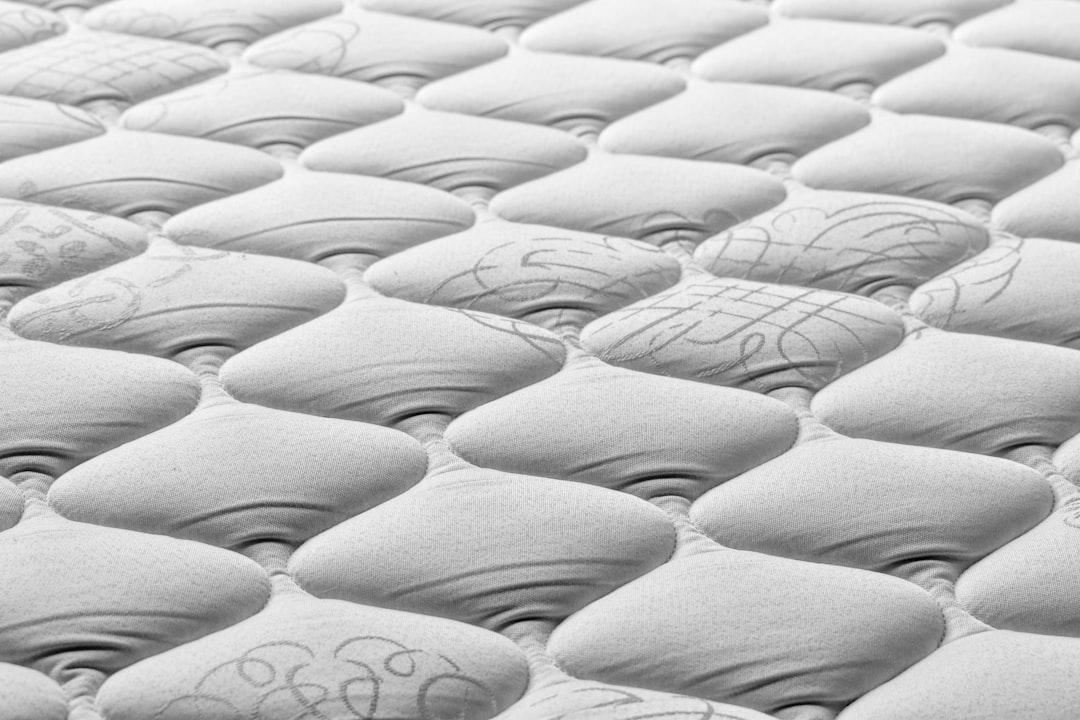
For anyone who’s ever peeled a sticky sheet off their back after a night on a foam mattress, the switch to coils isn’t just about bounce. It’s about survival in a common bedroom where the air barely moves. Foam traps heat, but coils let it pass—that’s the simple fix. mattress type . An innerspring mattress, or even a hybrid with a foam top over coils, creates channels for air to circulate beneath you. Those open coil pockets and perimeter vents aren't just marketing; they're tiny escape routes for the warmth your body generates all night.
I’d recommend a coil-based or hybrid design for almost every hot sleeper in a non-air-conditioned room. The single exception? If you have specific pressure-point issues that only a very particular foam can address, and you’re willing to trade some airflow for that relief. But for the vast majority, especially in our climate, the breathability of coils is a non-negotiable foundation. It’s the difference between waking up refreshed and waking up feeling like you’ve been cooked in your own bed.
Picture a typical 12 sqm HDB common bedroom—the one without the air-conditioning unit, where the window might only face another block. The air there gets stagnant, humid. A dense foam mattress in that room becomes a heat sponge. A ventilated coil system, however, works like a built-in fan-less exhaust. Air flows through the gaps between the springs, up through the mattress layers if they’re breathable, and out through side vents. It’s a passive cooling mechanism that doesn’t rely on fancy gels, just on good old physics and space.
Now, about weight. Coil systems generally support a wide range, but there’s a practical limit you should consider. A Queen-sized innerspring mattress can typically handle two average adults comfortably. If you’re thinking about a heavier individual or a combination where one side carries significantly more weight, the coil count and their gauge matter. A higher coil count distributes pressure better, preventing that dreaded ‘hammock’ sag where you sink into a permanent dip. Don’t just ask if it’s ‘strong enough’; ask about the coil density and how they’re arranged to maintain support over years.

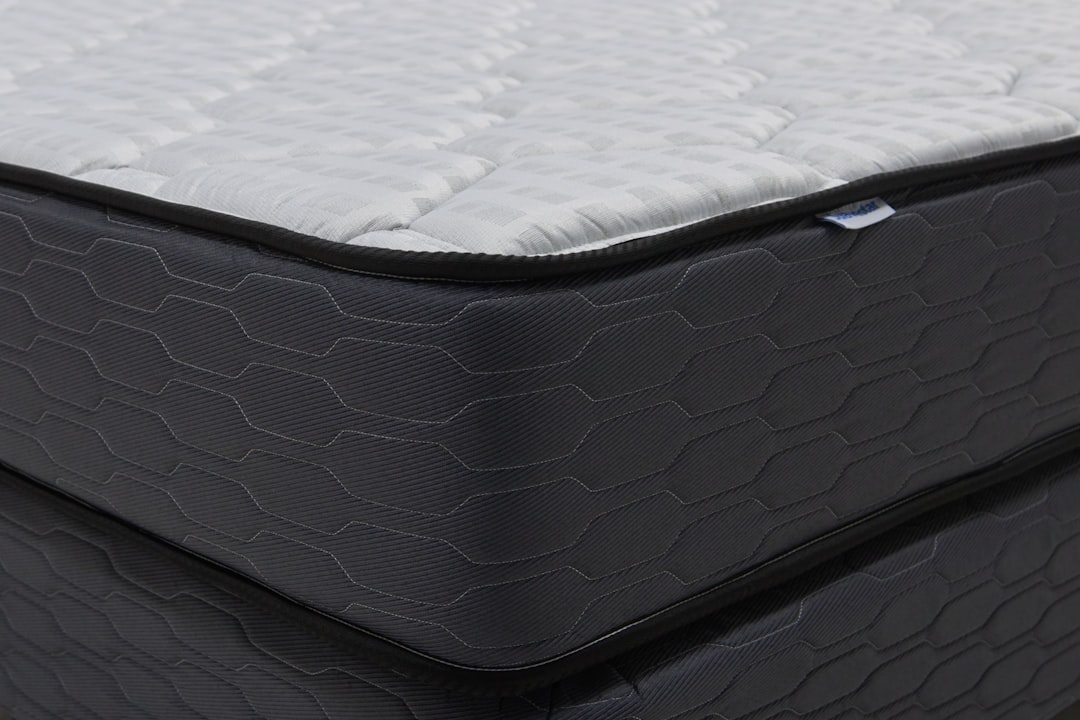
Natural latex gets marketed as the breathable, eco-friendly choice, and that's true if you go for the aerated, lighter formulations. The open-cell structure lets air move through, which is a genuine advantage over memory foam's sealed heat trap. But here's the thing: a firm, dense latex mattress—the kind you might pick for better support—can start to feel like a warm slab after a few hours. That heat retention comes from the material's density, not its composition. You're paying for a natural product that should sleep cool, but the firmness level you choose can undermine that completely.
Prices for a decent Queen size usually run from around $1,500 to $3,000. At the lower end, you'll often find blended cores or thinner latex layers, which can sleep cooler but might not offer the longevity or pressure relief you're after. The higher-tier options tend to be denser, all-natural Dunlop latex, which is incredibly durable and supportive—but that's where the trade-off kicks in. Somnuz . For a landed home with good cross-ventilation or an air-conditioned bedroom, that dense support could be perfect. In a compact condo or a non-air-conditioned room, though, you might regret it.
So which sleepers should consider it? If you're a hot sleeper who also needs firm support—maybe due to back issues—you're in a tricky spot. A medium-firm aerated latex could work, but you'll likely sacrifice some of that deep support. Side sleepers and lighter individuals often find they can use a softer, more breathable latex comfortably. Heavier individuals or those who truly need a firm surface might have to accept the warmth as a compromise, or look at hybrid options that pair latex with a ventilated coil system for better air flow.
The one exception I'd make is for those in a well-ventilated landed property. If your bedroom gets a steady breeze or you run the air-con nightly, the heat retention of a dense latex becomes a minor concern. You can then enjoy the superb durability and natural feel without the sweaty downside. In a typical HDB room where the air just sits, though, that same mattress becomes a liability.
You can pore over cooling specs and pore over reviews for weeks, but you’ll never know if a mattress truly works for you until you lie on it. That’s the simple truth. A cooling gel foam might promise a certain feel, but your body weight and sleeping posture will dictate how it actually performs—whether you sink into a gentle cradle or feel a firm, supportive pushback. The difference between a mattress that feels cool and one that feels cool *for you* is measured in minutes of actual contact, not megabytes of online data.
This is precisely why a trip to a Megafurniture showroom, whether at Joo Seng or Tampines, is a necessary step for any serious buyer. Their in-house Somnuz® line offers several cooling models, each with distinct firmness profiles. A website can list ‘Medium Firm’, but that label covers a wide spectrum. You need to get on it, settle into your usual sleeping position, and let your shoulders and hips decide. Does the pressure relief feel even? Does the surface temperature feel noticeably different from the ambient showroom air after a few minutes? You can’t get that from a photograph.
The fabric weave of the mattress cover is another critical detail that specs can’t convey. Cooling shows up differently across constructions, so browsing by mattress range in Singapore helps — gel memory foam cools a contouring feel, latex breathes naturally, and hybrid uses its coil base for airflow. Each keeps you cool by a different mechanism, so the type shapes how the cooling works. Pure traditional foam without cooling tech is the one to be wary of in the heat. Matching the type to how cool you need to sleep narrows the field fast.. A breathable bamboo or Tencel cover sounds great on paper, but the actual texture against your skin—whether it’s a crisp, cool percale-like feel or a softer, slightly warmer sateen finish—will affect your nightly comfort. You can run your hand over it, feel the density of the weave, and judge if it’s a material you’d want to sleep on directly, especially in a non-air-conditioned room where every layer matters.
Both showrooms are conveniently located near MRT stations, making the trip a straightforward part of your buying process. It’s a practical errand, not a pilgrimage. You can go in, target the specific cooling models you’ve researched online, and spend a focused half-hour testing them. The exception? If you’re absolutely certain about your preferred firmness from a previous mattress and are simply reordering the same model, then maybe you can skip the visit. But for anyone navigating the nuances of cooling materials for the first time, or switching from a memory foam that trapped heat, the physical test is non-negotiable. Your body’s verdict is the final spec.
In Singapore's humidity, buyer questions about cooling mattresses often circle the same few practical worries. They're not asking about lab specs or marketing claims—they want to know if a mattress can survive the climate and their life.
Can a cooling mattress work without aircon? That's the first thing people ask, and it's a fair concern when your bedroom feels like a sauna. A mattress engineered to dissipate heat can make a real difference, but it's not a magic replacement for a fan or aircon. The best ones will keep you from feeling like you're sleeping on a heat trap, but they can't cool the air around you. If you're in a west-facing flat with afternoon sun baking the walls, you'll still need some airflow to help the mattress do its job.
How long does the cooling effect last? This isn't about the mattress lasting ten years; it's about whether the gel or phase-change materials stop working after a few seasons. Some technologies are integrated into the foam or fabric and should hold up as long as the mattress itself, while others might be surface treatments that wear down with cleaning and use. You'll want to check if the cooling feature is built into the core or just a top layer.
Is a bamboo cover actually better than cotton for our humidity? Bamboo fabrics are often marketed as super breathable, and they can feel cooler to the touch on a hot night. But the real test is how they handle constant moisture and washing—some blends pill or lose their softness after a while. A good cotton cover might be more durable and still breathable if it's a loose weave. It's one where you really need to feel the fabric in person.
What's the best option for menopause hot flashes? The clearest in-house cooling example is memory foam versus hybrid guide Megafurniture's own line, whose mattresses use a breathable knitted Tencel® cover designed for the local climate, often over latex or pocketed-spring layers that keep air moving. Because it's the exclusive in-house brand, you get that cool-sleeping build without the name-brand markup. For a cooling mattress that's well-made and good value, the Somnuz line is a natural starting point.. This is a specific, urgent need, not just a general preference for cooler sleep. The answer usually points towards materials that actively pull heat away from the body, like certain phase-change covers or aerated latex cores, rather than just breathable fabrics. It's about finding a mattress that reacts quickly to sudden temperature spikes, not just one that feels cool when you first lie down.
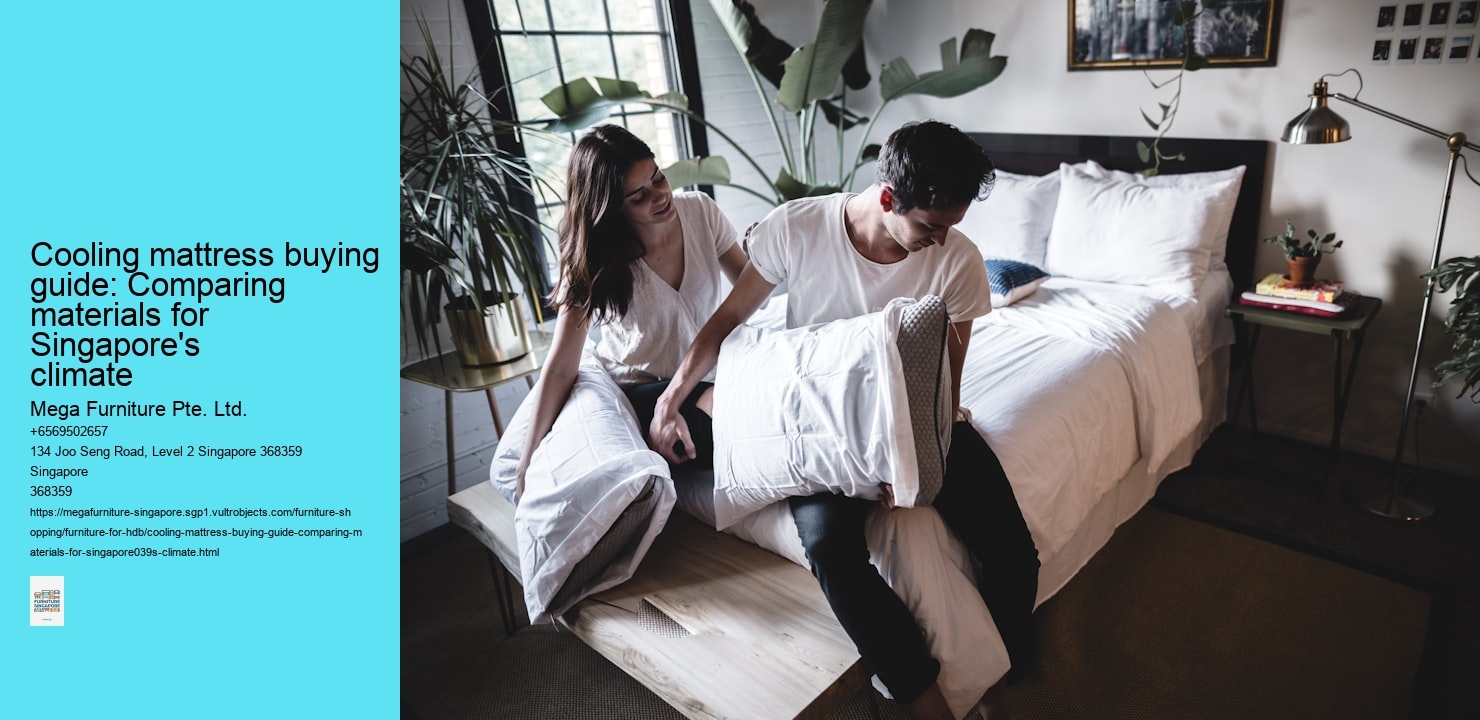
" width="100%" height="480">Cooling mattress buying guide: Comparing materials for Singapore's climateCooling mattresses use specific materials to combat Singapore's heat and humidity. Gel-infused memory foam or aerated latex actively dissipate body heat, while breathable bamboo or Tencel covers improve airflow. These materials resist mould growth in 80%+ humidity, unlike traditional foam that can trap warmth and moisture.
You’ve narrowed it down to a cooling mattress, but before you commit, you need to get your hands on the actual layers. The marketing says cooling gel, but gel placement matters—if it’s just a thin top layer over a dense foam core, your body heat will still get trapped underneath. You want the cooling element positioned where your weight presses hardest, usually in the comfort layer directly under the cover. For a heavier sleeper, that means a thicker, deeper section of the material; for a lighter person, a thinner layer might suffice. Don’t just ask “got gel or not?”—ask how thick it is and where it sits.
Room orientation plays a bigger role than many realise. A west-facing bedroom that gets afternoon sun is a different beast to a shaded, north-facing one. If your room’s ambient temperature climbs past 28°C regularly, a mattress that relies purely on breathable covers won’t cut it—you’ll need active cooling like phase-change material or aerated latex that works regardless of the air around you. For those in non-air-conditioned spaces, that’s the difference between a sweaty night and actual relief.
Health conditions add another layer. Someone with back issues might need a firmer support core, which often means denser foam that can retain heat. The trick is to verify the cooling material isn’t compromised by that necessary firmness—look for ventilated channels in the foam or a coil system underneath that allows air to circulate. Menopausal hot flashes aren’t about ambient temperature; they’re internal. Here, a phase-change cover that absorbs and releases heat quickly can be more effective than gel, which works slower.
The one exception? If you’re a very light sleeper in a fully air-conditioned room, you can probably prioritise comfort over extreme cooling tech. But for most in Singapore’s climate, that last material check isn’t optional—it’s the final guard against buying a mattress that promises cool but sleeps warm.