You unroll that new mattress in your 12 sqm common bedroom, close the door, and within an hour, there’s a faint chemical smell hanging in the air. That’s normal. It’s the foam and phase-change materials settling, not a defect—but in our humidity, that odour feels like it’s clinging to the walls. This is your first lesson: a cooling mattress isn’t a maintenance-free appliance. It’s a piece of engineered furniture that needs a plan from day one.
Think of the smell as a heads-up. That initial off-gassing tells you these advanced materials are porous and will hold onto more than just heat over time. Sweat, body oils, the general dampness of a non-air-conditioned room—they’ll all seep in if you just slap on a sheet and forget about it. The high-tech cooling layers work by pulling heat away from you, but that process also makes the surface a magnet for moisture. You cannot ignore it.
So what’s the first move? Don’t panic and try to scrub it with harsh chemicals. You’ll damage the cooling cover or clog the breathable fibres. Instead, maximise airflow from the start. Leave the bedroom windows open as much as you can for the first 48 hours, even if it’s warm outside. A standing fan pointed at the bed helps more than the air-con, honestly, because it moves the stagnant air around the mattress sides. If your cooling model has a removable bamboo or Tencel cover, take it off and let it air separately for a day. That often traps the strongest scent.
The only time you should worry is if the smell is sharp, like ammonia, and doesn’t fade after a solid week. That’s not off-gassing anymore; that could be a manufacturing issue. But for the vast majority, that faint new-mattress odour is just a sign to get serious. Your cooling investment’s longevity depends on beating the humidity and grime before they settle in—starting the minute you catch that first whiff.
A cooling mattress uses specialised materials to regulate sleep temperature. In Singapore's heat, options like cooling gel-infused memory foam or phase-change material layers absorb and dissipate body warmth. Breathable bamboo or Tencel covers further aid airflow, preventing that trapped, humid feeling common with standard memory foam. These materials are the engineered core of its temperature-managing promise.
Care for a cooling mattress must combat Singapore's 80%+ humidity to preserve its function. Follow the manufacturer's cleaning guide for the specific cover—a cool, gentle machine wash helps prevent fabric shrinkage or damage. Avoid harsh chemicals that could degrade the cooling gel foam or phase-change layers underneath. Let the mattress air fully after any spot-cleaning to stop mould growth in the core.
A cooling cover’s breathable weave is its best feature and its biggest vulnerability. That open structure pulls air through to keep you cool, but it also pulls liquids down into the mattress core faster than a tighter polyester fabric would. A spilled drink on a regular mattress might pool on top; on a Tencel or bamboo cover, it’s already seeking out the memory foam or gel layers beneath.
Think of it like a BTO bathroom tile versus old textured linoleum. The smooth tile looks clean until a splash hits it—then water spreads everywhere instantly. A cooling cover works the same way. Sweat from a hot night or a spilled iced coffee won’t just sit there. The moisture wicks through, aiming straight for the phase-change materials or aerated foam that make the mattress work. If you ignore it, that’s not just a surface stain. It’s a threat to the cooling function itself.
So your cleaning routine shifts from surface wipe to deeper intervention. For sweat, a regular vacuum and light fabric refresher might do for a standard mattress. Here, you need to address the absorption. Blot a spill immediately, don’t just dab. Use a cleaner meant for natural fibres, not a harsh chemical that could break down the cooling tech. And dry it thoroughly—our humidity means anything damp becomes a permanent problem.
The takeaway? A cooling mattress needs a cooler head. You buy it for the hot nights, but you maintain it for the accidental mornings. That breathable cover is a performance layer, not just a pretty fabric. Treat it like one.
Most people think sweat only comes from above. In a climate where humidity often sits around 80%+, moisture wicks upwards from the floor too. Your cooling gel foam mattress sits on a bed base, and that thin gap becomes a channel for damp air to seep in from below. This isn't a flood, just a constant, slow creep of vapour that the foam will happily absorb. Ignoring this is like wearing a raincoat but standing barefoot in a puddle—you're still getting wet.
A proper mattress protector isn't just a thin sheet. You need one that's breathable yet impervious, a fabric shield that lets air pass but stops liquid dead. This layer sits directly on the mattress surface, creating a seal against the moisture rising from beneath. Without it, that dampness gets trapped right at the foam core where it can't evaporate. Think of it as the essential vapour barrier your expensive cooling investment absolutely cannot do without.
Cooling gel foam works by having a specific, open-cell structure to dissipate heat. When moisture is trapped against it day after day, that structure starts to break down. The foam doesn't just get damp; it slowly loses its resilience and its ability to bounce back. Over two seasons of our relentless humidity, the core can become compromised, feeling permanently denser and less responsive. The cooling effect goes first, because soggy foam can't regulate temperature—it just holds it.
Breathability is only half the battle. That protector must be washable, and you need to wash it regularly. Dust, skin cells, and ambient moisture collect on it, creating a layer that itself can become a barrier. Tossing it in the machine every few weeks resets its performance, clearing the pores so it can breathe properly again. A non-washable cover defeats the whole purpose, as it becomes part of the problem. This isn't a set-and-forget item; it's active maintenance.
The final damage isn't just a loss of coolness. The foam's supportive qualities degrade alongside its thermal regulation. Areas where you sleep can develop permanent soft spots as the material weakens, leading to sagging and poor spinal alignment. You'll feel the difference long before you see it—a mattress that just doesn't hold you up the way it used to. By then, the damage is done and the core foam is compromised for good. That's the real cost of skipping a simple, breathable protector.
That little cloud of dust you see floating in a sunbeam isn’t just dirt from outside. In a compact HDB bedroom, where airflow gets trapped between the wardrobe and the wall, it’s mostly your own skin cells and dust mites looking for a home. They’ll settle right into the quilted channels of your mattress cover, and a standard floor nozzle won’t even touch them.
Think about the surface of a cooling mattress—it’s engineered with breathable covers and often has gel-infused foam layers beneath. Those tiny grooves and channels in the quilted top are perfect for trapping debris, which then blocks the very airflow that’s supposed to keep you cool. Your regular vacuum cleaner is designed for flat surfaces; its wide head just glides over these textures, leaving the gunk inside. You need the right tool for the job.
It sounds like a chore, but it’s what preserves the cooling function. A clogged mattress surface can’t dissipate heat effectively, no matter how advanced the gel foam inside is. Keeping those channels clear is as important as the material itself.
That means using the upholstery attachment that came with your vacuum, the one with the smaller, brush-lined head. Go slow, and work in overlapping strokes to actually lift the dust from those recesses. Do this every fortnight, at least. But even that’s not the full story, because dust settles underneath and behind the bed frame too.
The real discipline comes in once a month. You have to commit to moving the entire bed frame away from the wall. In a 3.5 by 3 metre master bedroom, that’s a proper shuffle, but it’s the only way to vacuum the mattress sides, the platform base, and the floor that’s normally hidden. If you skip this, you’re just recycling old dust back onto your sleep surface every time the ceiling fan kicks on. The only time you might get away with skipping the monthly move is if your bed is on a plain, low platform with open sides and you’re a relentless weekly vacuumer—but for most setups with storage drawers or a solid headboard, shifting it is non-negotiable.
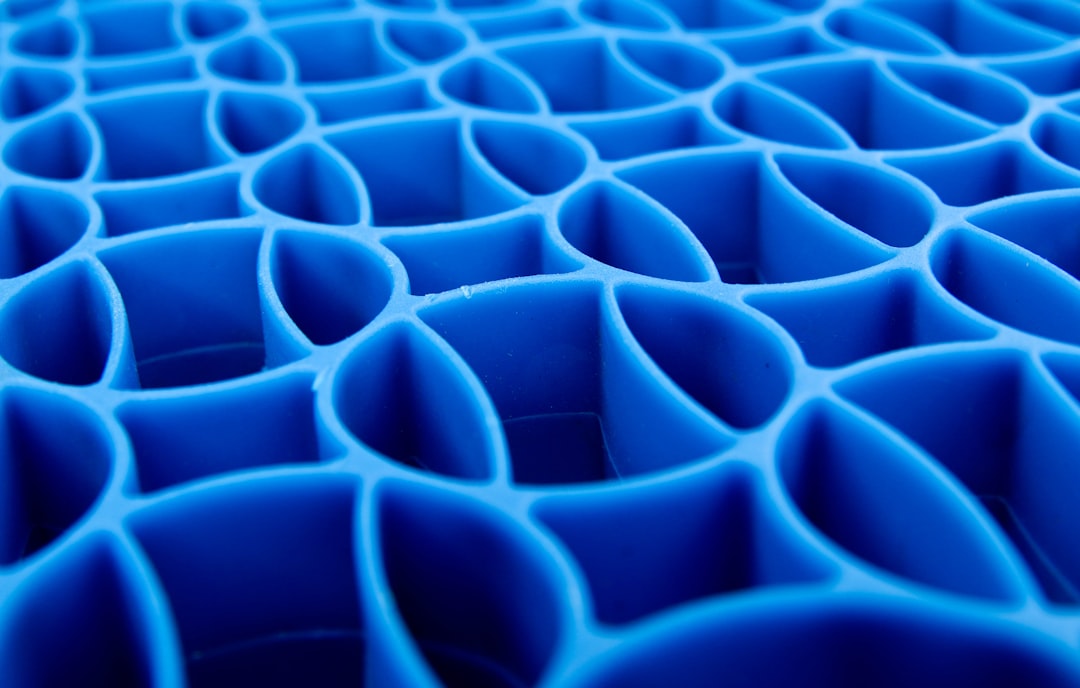
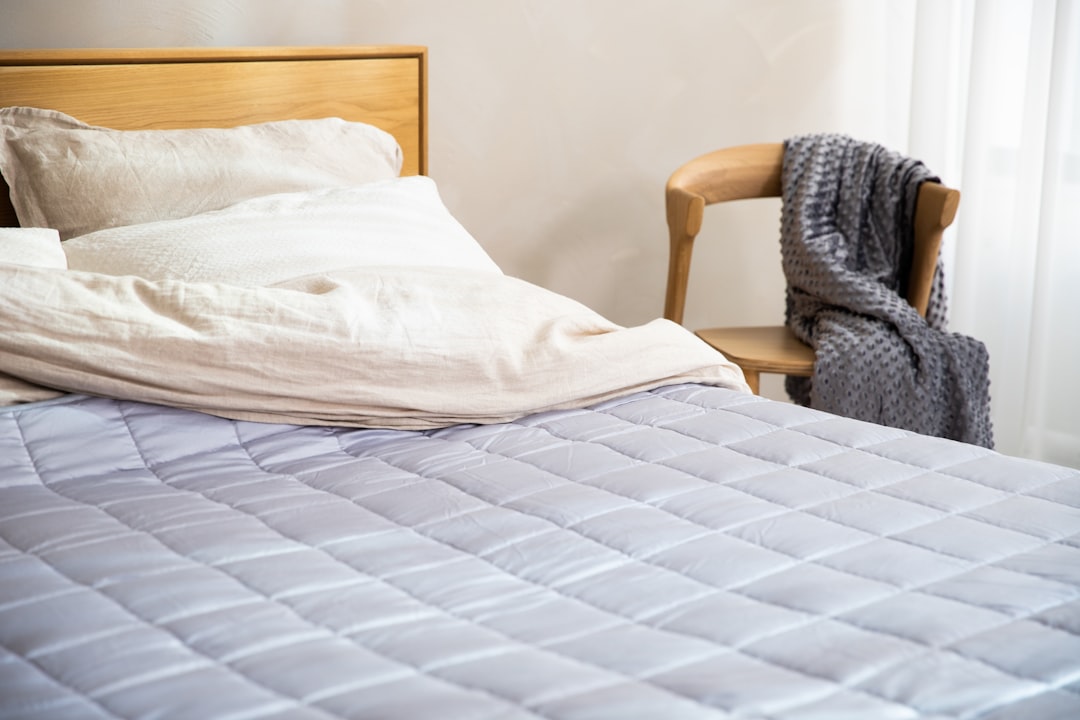
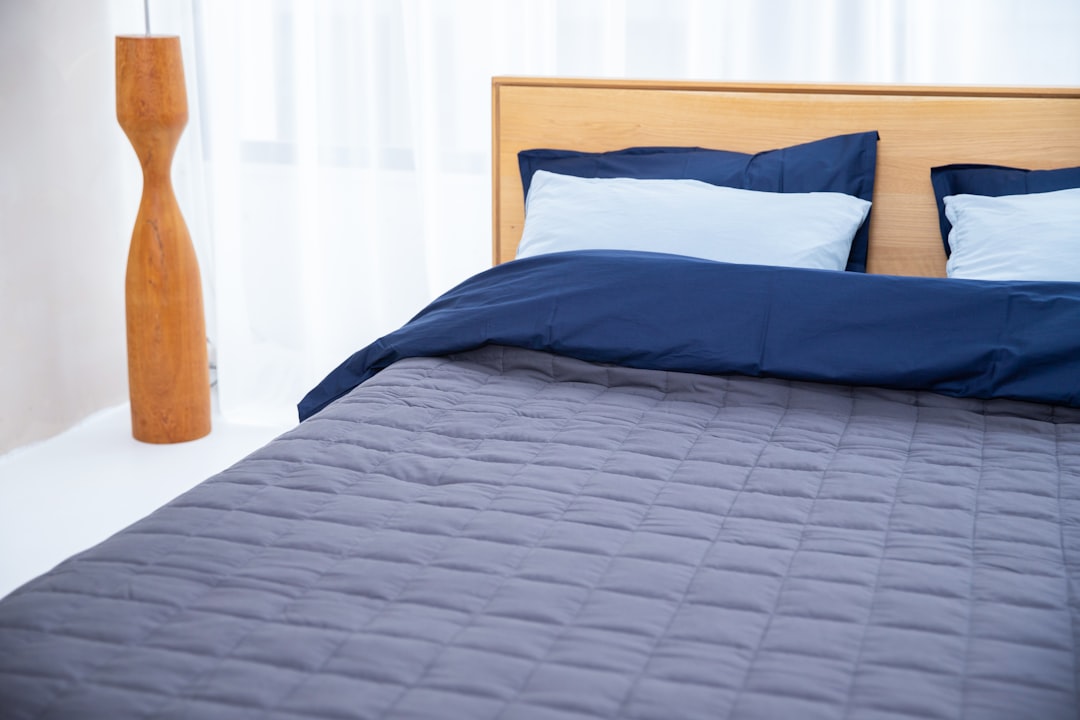
That moment when you see a dark patch on your cooling mattress after the monsoon season—you know it’s mould. The instinct is to grab a bottle of vinegar spray and scrub it away yourself. But here’s the thing: with a mattress engineered with cooling gel foam or aerated latex, you can’t just treat it like a regular cotton pad. These materials are designed to pull heat away, but they also trap moisture deep if you douse them. A DIY scrub often pushes the water further into the core, and that’s where the real damage starts. You’re not just cleaning a surface; you’re dealing with a layered system that costs over a thousand dollars.
For landed property bedrooms or any room without constant air-conditioning, the climate control is less predictable. Humidity swings are brutal, and mould isn’t a surface issue—it’s a core one. A professional service here isn’t an extravagance; it’s salvage. They use industrial-grade extractors that pull moisture out, not push it in, and their chemicals are formulated for memory foam and latex without breaking down the cooling properties. Trying to save a few hundred dollars on a clean could ruin a mattress that’s meant to last you ten years. The investment logic is straightforward: protect the big-ticket item.
There’s one exception, though. For a fresh, small spill on a Tencel cover—maybe a glass of water—a quick blot with a microfiber cloth usually does the trick. But anything that’s soaked through to the foam layer, or any stain that’s been sitting through a humid week, that’s a professional job. They have the tools to assess whether the cooling channels or phase-change materials have been compromised. You won’t know that just by looking at the stain.
So when should you call them? The rule is simple: if the stain is major, or if you suspect mould has taken root after a long humid spell, don’t experiment. The risk isn’t just a discoloured patch; it’s a mattress that loses its ability to regulate temperature. That’s the whole point of buying a cooling mattress in Singapore—to sleep cool in our 28°C nights. Let a specialist handle the deep clean, and your investment stays functional.
" width="100%" height="480">How to deep clean your cooling mattress effectivelyA zip-off mattress cover is a promise you'll only ever trust with your own hands. It’s one thing to see a neat zipper in a product photo, another entirely to run your fingers over its teeth and tug at the pull tab in a showroom. That’s the moment you’ll know if you’re looking at a genuine maintenance feature or just a marketing bullet point. For a cooling mattress, where breathability is paramount, a removable cover isn't a luxury—it's your frontline defence against the inevitable sweat and humidity of our climate.
Ask the staff at the Joo Seng or Tampines location to demonstrate the process on a Somnuz model with a Tencel cover. Don’t just watch them do it; you do it. Feel the weight of the fabric in your hands—a flimsy, lightweight cover will feel cheap and likely won’t survive many wash cycles. Check the zip quality: a smooth, sturdy YKK zip is a good sign, while a thin, snaggy one will give you grief in two years' time. This tactile test is your best predictor of long-term effort.
The real question isn't just if it comes off, but what happens next. Inquire about replacement cover costs and availability. A proprietary cover that costs a small fortune to replace defeats the whole purpose. You want a system that’s sustainable, where a worn or stained cover can be swapped affordably, keeping the core mattress fresh for years. That’s the difference between a mattress you manage and one that manages you.
Frankly, if a showroom is hesitant to let you handle the zip or vague about replacement parts, walk away. The only exception might be if you’re planning to use a full-body protector from day one and never remove the cover—but even then, accidents happen. A well-designed zip-off cover is non-negotiable for anyone who values a clean, hygienic sleep surface without the professional cleaning bills. It’s the one feature where a hands-on trial in the showroom tells you everything.
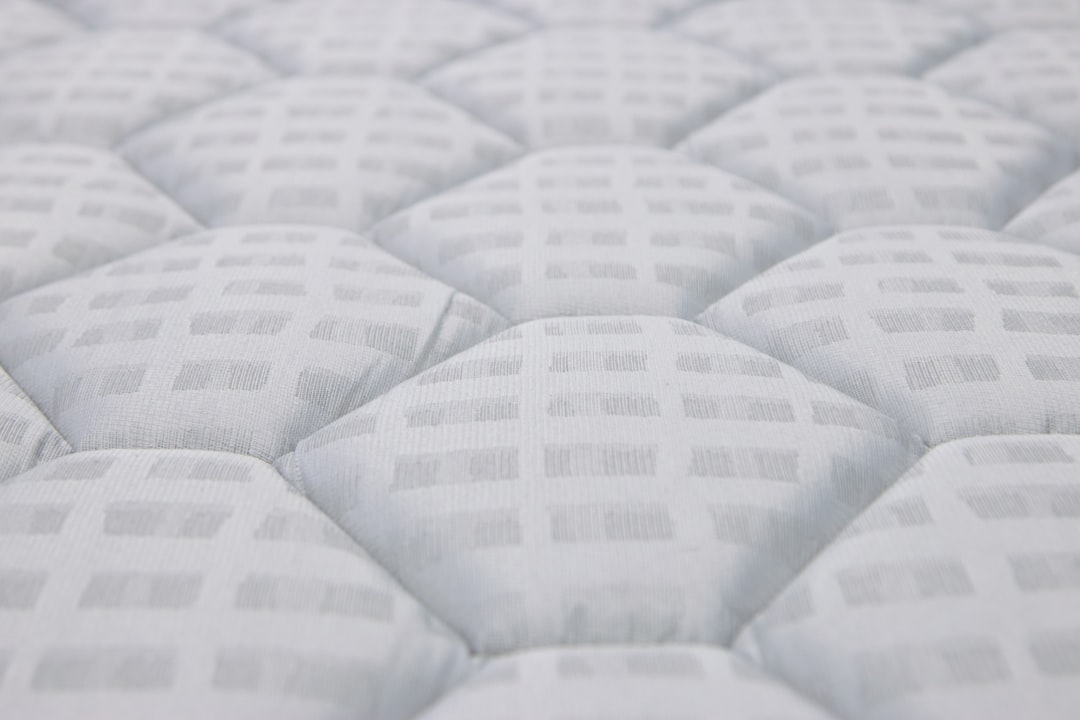
After a year in our humidity, even a cooling mattress can start to smell a bit sian. It's not the mattress failing you—it's the air around it, settling into the layers. That East Coast dampness, where the sea breeze brings more moisture than relief, is a real test. The fix isn't about harsh chemicals; it's about airflow. Pull the bed away from the wall, strip it bare, and let it breathe with a fan on for a whole day if you can. For lingering odours, a light sprinkle of baking soda left on the surface for an hour before vacuuming can absorb smells without harming the cooling layers underneath.
Can I steam clean a cooling gel mattress? Steam is a definite no. The intense heat and moisture can break down the gel-infused foam's structure and compromise its temperature-regulating properties. You'll end up with a damp, potentially lumpy mattress that takes days to dry in our climate, inviting mould. Stick to a light, surface-level vacuum with an upholstery attachment.
How to remove yellow stains from bamboo cover? First, check if the cover is removable and machine-washable—many are. Use a cold wash with a mild, colour-safe detergent. For set-in stains, a paste of baking soda and water applied gently before washing can lift discolouration. Avoid bleach or harsh stain removers; they can break down the bamboo fibres and ruin that lovely breathability you bought it for.
Does baking soda damage phase change material? It won't damage the material itself. The PCM is usually encapsulated within fabric pods or layers, shielded from direct contact. Sprinkling baking soda on the surface to deodorise is safe, as long as you vacuum thoroughly. Just don't let it become a wet paste, as any moisture sitting on the mattress for too long isn't ideal.
Cooling mattress smells after one year in East Coast humidity? That's the humidity talking, not the mattress failing. It's likely surface odours from moisture and dust mites. Beyond the deep airing, consider a waterproof, breathable mattress protector—it acts as a barrier against sweat and ambient moisture, keeping the core mattress fresh. Wash the protector monthly; it's much easier than trying to clean the mattress itself.
Alright, let's get that mattress off the bed frame. Before you start soaking anything, there's a bit of homework to do. You wouldn't use bleach on silk, and you can't treat a cooling gel layer the same as a pocketed coil system. The care label stuck on the side of your mattress is your cheat sheet—find it and actually read it. It’ll map out the layers: the top cooling cover, the middle comfort foam, the bottom support core. Each one needs a different touch, and guessing wrong can wreck the cooling tech you paid for.
Identify your materials first. That breathable bamboo or Tencel cover? A mild, pH-neutral detergent is your friend, and you’ll want to spot-test in a corner. The cooling gel foam layer underneath? Harsh chemicals or enzyme cleaners not meant for it can break down the structure. If you’ve got a ventilated core or aerated latex, you’re mostly concerned with surface cleaning and ensuring nothing clogs those air channels. Gather your cleaners based on this, not on what’s under the kitchen sink. No bleach, ever—it’ll degrade the fibres and can void your warranty.
Now, clear the floor. In a typical Bedok 4-room flat bedroom, that means shifting the side tables, the laundry basket, maybe that floor fan. You need a clear path all around the bed to manoeuvre the mattress, flip it, and let it air properly. Prop it against a wall if you have to, but make sure you’ve got the space to work without banging into furniture. This step feels like a chore, but trying to clean around obstacles is a sure way to miss a patch or strain your back.
The one time you might skip the full deep clean? If your mattress is less than a year old and you’ve used a protector religiously. A thorough vacuum and a spot treatment for any accidental spills might be enough. But for most of us, after months of Singapore’s humidity and body heat, a proper layer-by-layer clean is the only way to reset that cool, fresh sleep surface. Get your tools sorted and your space clear, then you can proceed without having to stop halfway.