Memory foam’s reputation for comfort is built on its contouring hug, a feature that becomes a nightly trap in our climate. The material absorbs and retains your body heat, turning the mattress surface into a warm reservoir that doesn’t release it quickly enough. For a woman experiencing hot flushes, that retained heat amplifies the discomfort—you’re not just dealing with an internal spike in temperature, you’re lying on a surface that’s actively holding onto it. In a non-air-conditioned bedroom where ambient temperatures can sit well above 28°C, there’s no cool buffer to offset this effect. The foam essentially locks you into your own thermal discomfort.
Consider the typical 4-room BTO master bedroom, a space that might not get the strongest cross-ventilation even with windows open. You’re already sleeping in a warm, humid environment. Adding a heat-retentive mattress creates a compounded problem. The foam’s dense structure lacks the natural airflow channels that other materials provide, so any heat you generate stays close to your skin. It’s a slow-burn warmth that can disrupt sleep cycles repeatedly throughout the night, turning minor flushes into prolonged episodes of wakefulness.
The one exception worth noting is if your bedroom is consistently air-conditioned throughout the night. In that controlled environment, the foam’s temperature-regulating flaws are mitigated, and its pressure-relief benefits can shine. But for the majority of sleepers here—especially those in older flats or who prefer to sleep without the AC running—that’s not the reality. The material’s fundamental physics just don’t align with our tropical needs.
What many buyers don’t realise is that the heat issue isn’t just about the cover or a thin cooling gel layer slapped on top. It’s about the core foam’s inherent insulation. Even models marketed as ‘cooling’ often rely on a surface treatment that gets overwhelmed by sustained body heat, particularly during a flush. The relief is temporary, and the deep foam still acts as a barrier. For genuine temperature management, you need a mattress structure that promotes air movement from the inside out, not just a fancy top layer.
So if you’ve ever lain awake on a memory foam bed feeling like you’re slowly cooking, that’s not a personal flaw—it’s a material mismatch. In Singapore’s climate, especially for menopausal sleepers, a mattress that traps heat is a recipe for restless nights. You need a design that works to dissipate warmth, not collect it.
The most common coil arrangement is a grid of hourglass springs spaced a few centimetres apart. That’s fine for support, but it doesn’t do much for airflow. A ventilated system reconfigures that layout into a pattern with deliberate gaps—think a honeycomb rather than a tight checkerboard. Those open channels are the arteries of the whole cooling mechanism. Without them, you’re just lying on a dense block of metal that traps warmth against your body.
Channel width is the critical detail you won’t see unless you look at the mattress base layer. Some designs leave a narrow, uniform gap between each row of coils. Others create wider, irregular passages that act as dedicated air corridors. The wider ones are better for heat dissipation, especially if you’re a back sleeper whose body presses directly onto the centre of the bed. It’s not just about the space between coils; it’s about how that space connects to the edges of the mattress to let air actually move.
Airflow design takes those channels and links them to the mattress perimeter and often to a ventilated border or side panels. The idea is to create a through-flow, not just pockets of dead air. In a humid climate, stagnant air is as bad as no air—it holds moisture and heat. A proper system encourages a slight exchange, drawing cooler air from the room into the base and letting warmer air from your body escape out the sides. That’s why a mattress sitting on a solid platform bed frame can perform worse than one on an open slatted base; the underside needs an exit route too.
The one exception is for sleepers who absolutely need maximum, uniform support from a denser grid, perhaps due to specific back issues. In that case, the cooling benefit from ventilation drops, and you’d rely more heavily on the mattress top layers for temperature regulation. For everyone else, especially in a non-air-conditioned room, that internal airflow is the unsung hero that makes a coil mattress viable through our hottest months. You can’t see it once the mattress is made, but its presence—or absence—decides whether you’ll sleep cool or just sleep on coils.
Cooling gel foam works by absorbing your body heat directly. It's got these little gel beads or a gel layer that pulls warmth away from your skin, aiming for a cooler surface feel right where you lie. This targeted action can feel quite immediate, especially if you're a sleeper who generates a lot of heat in specific spots like your back or shoulders. Aerated latex doesn't do that—it relies on its open, cellular structure to let air move through the whole mattress. So the cooling is more about overall ventilation, not a pinpoint chill. For someone with intense hot flushes, that direct heat pull might be the more noticeable relief.
Natural latex is inherently breathable because of its structure; air channels run through it like a sponge. This means it doesn't just cool the surface—it allows humidity from your body to escape upwards. In a climate where bedroom humidity can sit around 80% plus, that continuous air exchange is a genuine advantage for staying dry. Gel foam, while often paired with breathable covers, is fundamentally a denser material. Its cooling mechanism is chemical, not structural. Over a long, warm night, that difference in how the material handles moisture and stale air becomes apparent.
Latex's natural resilience tends to hold up better over years. The aerated structure doesn't really compress or degrade from heat exposure—it's just rubber. Gel foam, however, can be susceptible to the very thing it's designed to fight. Constant heat transfer might affect the gel's integrity or the foam's support over a decade, especially in a non-air-conditioned room. You're choosing between a material that cools by design but might wear from its job, and one that cools by its nature and maintains that nature longer. For a buyer focused on not replacing a mattress every few years, this is a quiet but crucial point.
Lie down on gel foam and you'll notice the cool patch almost straight away. It's a distinct sensation, one that's very convincing in a showroom under the air-con. Latex feels different—firm yet buoyant, and cool in a more general, ambient way. That immediate "wow" factor of gel foam can be persuasive, but it's worth considering how that feel translates to a real HDB bedroom at two a.m. when the air is still. The latex's breathability might not give you that instant marketing win, but its performance is less dependent on the initial surface contact and more on sustained air flow.
For year-round tropical use, the aerated latex's approach is fundamentally more holistic. It manages heat by promoting constant air movement, which aligns with our need for ventilation in every season, not just the peak of summer. Gel foam's targeted cooling is brilliant for acute needs—like a sudden hot flush—but it's a bit like having a spot cooler instead of a whole-room fan. If your bedroom is one of those west-facing units that traps afternoon heat, or if you rarely use the air-con, the material that breathes as a whole might serve you better across all 365 nights. The gel's specialty is undeniable, but the latex's adaptability is its own kind of genius.
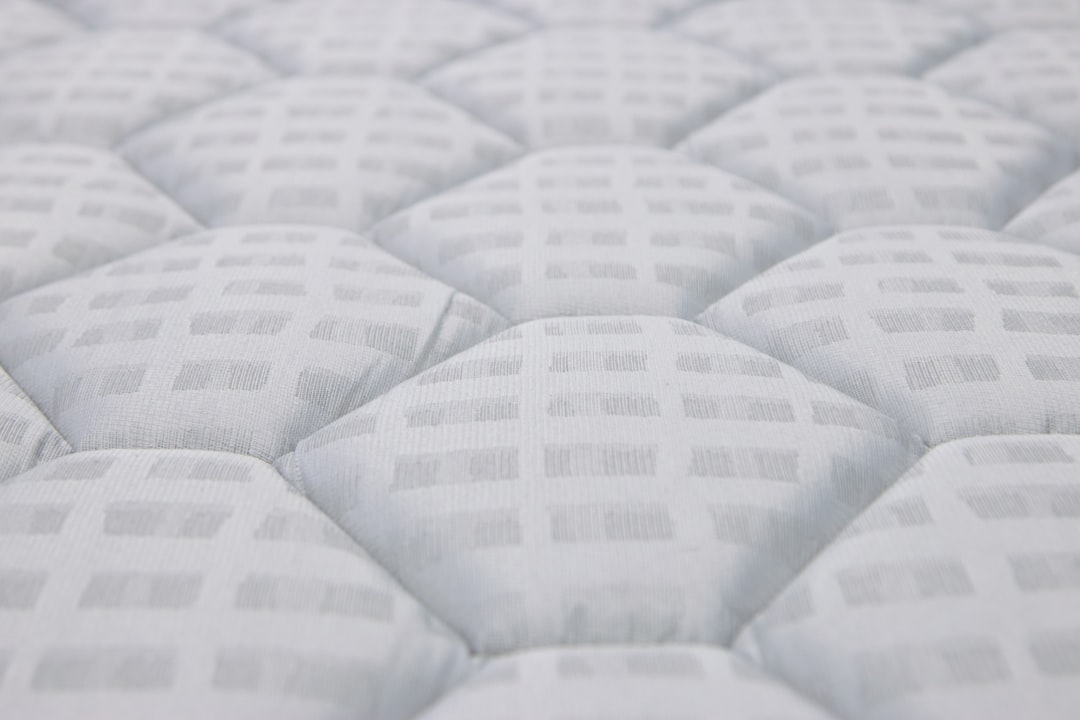
The fabric your mattress wears can make or break its cooling performance—it’s the first layer your skin meets, and in our climate, that contact matters. Bamboo-derived covers have a natural breathability that feels noticeably cooler than standard cotton or polyester, letting the coil system’s ventilation work unimpeded. Tencel, a lyocell fibre, goes a step further by actively wicking moisture away from the body, which is a genuine advantage during a hot flush when sweat isn’t just about temperature but comfort. Both materials are inherently soft and durable, so you’re not sacrificing feel for function.
Your choice here isn’t really a toss-up. If your primary issue is overall night-time warmth and general sweatiness, a bamboo or Tencel cover paired with a ventilated coil system will likely suffice. The combination is effective and often more affordable. However, if you experience distinct, intense flushes that come and go, the phase-change addition becomes worth the investment. It’s that specific, counterintuitive point: the cover isn’t just a passive barrier; in some models, it’s an active thermal regulator.
In short, view the cover as a critical component of the cooling system, not just a finishing touch. Match its technology to your pattern of discomfort: breathability for constant warmth, moisture-wicking for sweat, and thermal buffering for sudden peaks. That alignment makes all the difference when the bedroom thermometer is stuck at twenty-eight degrees and you’re trying to find a cool spot on the bed.
Phase-change materials embedded in the cover or top layers operate on a different principle. They absorb and store excess body heat, releasing it back as you cool down, effectively smoothing out those sharp temperature spikes. This isn’t a magic fix, but it adds a buffer that plain breathable fabrics alone cannot provide. For someone whose sleep is regularly interrupted by sudden warmth, that buffer can be the difference between waking up and staying asleep.
One thing to watch for is care instructions. Some phase-change treatments can be sensitive to harsh washing, so check if the cover is removable and what cleaning method it requires. A non-removable cover with a specialised treatment might become a liability over years of use in a humid environment. Always verify this before committing—you want a solution that lasts, not one that degrades after a few seasons.



The mattress you sink into might feel luxurious, but it's quietly sabotaging the cooling you need. A too-soft surface presses your body deep into the coils, collapsing the gaps between them that are meant to channel air. That ventilation path gets blocked, trapping heat right where you sleep. For our climate, where a bedroom can hover above 28°C even at night, that's a recipe for discomfort. You end up with poor spinal alignment and a mattress that feels like a heat trap.
A medium-firm profile is the better choice. It provides enough contour to support your hips and shoulders without letting you sink so far that the coils compress. The structure stays open, allowing air to circulate through the core. Think of it as maintaining a clear airway inside the mattress itself—a crucial detail for anyone prone to night-time overheating. That balance between support and breathability is what you're after.
There's a common misconception that a firmer mattress is inherently cooler. Not exactly. An overly firm, rigid surface won't contour at all and can create pressure points, which is its own problem. The sweet spot is a medium-firm feel that keeps your spine in a neutral position while preserving those internal air channels. It's the combination that works. If you've ever tried a memory foam mattress and found it too warm, this principle explains why—foam envelops you, while a properly firm coil system holds you up and lets air move.
One exception exists. If you have specific orthopaedic needs that require a very soft surface for pressure relief, then ventilation becomes a secondary concern. In that case, you'd look for cooling from the top layers—a breathable bamboo cover or a gel-infused foam—rather than relying on the coil system's airflow. For most sleepers, though, prioritising that medium-firm support is the straightforward way to get both a comfortable spine and a cooler sleep.
Online reviews and brochures can't tell you if a mattress is genuinely cooling. You've got to lie on it yourself, in a showroom, for at least ten minutes. That's the only way to gauge how the ventilated coils and breathable cover translate to real sleep comfort. Humidity in Singapore pushes materials to behave differently than they might in a lab test—a fabric weave might feel crisp in a dry climate but trap moisture here. So, hands-on testing isn't just a nice idea; it's essential for anyone who sleeps hot.
Think about the coil system. You can read about pocketed springs or zoned support, but you can't feel them through a screen. When you're in the showroom, press down on different sections of the mattress. Does the centre give more support for your hips while the edges stay firm to prevent roll-off? That zoning matters for keeping you cool, because proper support alignment prevents pressure points that can make you shift and generate heat. The bounce of the coils also affects airflow—a too-soft mattress might let you sink in and block ventilation, while a too-firm one won't contour at all.
Then there's the fabric. A bamboo or Tencel cover might look smooth, but you need to run your hand over it and feel the weave. Is it tightly woven and slick, or does it have a slightly open, textured feel that promises breathability? Lay your palm flat on it for a minute; does it start to feel warm or does it stay neutral? In our climate, a cover that feels cool initially but heats up after sustained contact isn't going to help through a long night. You can't assess that from a photo.
The exception? If you're absolutely certain about your preferred firmness level from a previous mattress, and you're buying the exact same model again. Even then, I'd still suggest a quick visit to confirm nothing's changed in the manufacturing. For everyone else, especially those dealing with night sweats or sleeping in non-air-conditioned rooms, skipping the showroom is a gamble you won't want to take. Your body's reaction to that specific combination of coils and fabric is the final, irreplaceable test.
How thick should a mattress be for a 12 sqm common bedroom? It’s not just about comfort—you’ve got to get it through the lift door and still have floor space. A Queen mattress at 152 by 190cm is already pushing it in a room that size, and a thick, luxurious 30cm profile can leave you with barely a foot of clearance on the sides. For tight spaces, a mattress around 20–25cm thick balances support with practicality. Anything taller might feel like a luxury island, but you’ll be navigating around it like a boat.
Do coil mattresses last in our humid weather? The steel coils themselves are fine; humidity won’t rust them if they’re properly treated. The real issue is the padding and fabric layers around them. In a non-air-conditioned room where humidity sits around 80% plus, those materials can trap moisture and feel perpetually damp if they aren’t breathable. A ventilated coil system with a natural fibre cover—like bamboo or Tencel—lets air move through, which helps everything dry out faster and stay fresher. That’s the key to longevity here.
Can they help with night sweats? Absolutely, but not every coil mattress is built for it. A standard, densely packed coil unit just supports you; it doesn’t actively cool. The ones that work are designed with open channels between the coils—you can sometimes see them in showroom models—so air circulates underneath you instead of getting trapped. This constant airflow pulls heat away from your body much more effectively than a solid foam base. For hot flushes, that ventilation is a game-changer.
Are coil mattresses suitable for non-air-conditioned bedrooms? They’re one of the better choices, honestly. Memory foam in a warm room can feel like a heat sink. A well-ventilated coil mattress, paired with a breathable natural fabric cover, works with the ambient air instead of fighting it. It won’t magically make your room cooler, but it won’t add to the problem by insulating your body heat. The one exception? If you’re in a west-facing flat that gets the full afternoon sun baking the room, even the best mattress will struggle—you might need to look at additional cooling layers on top.
A ventilated coil system mattress promotes airflow directly through its core, which helps dissipate body heat. The open structure allows warm air to escape, preventing the heat retention common in dense foam layers. This continuous air movement is a key reason coil mattresses feel cooler, especially for sleepers prone to hot flushes in Singapore's warm nights.
You’ve narrowed down the cooling features, but a mattress that can’t fit your bed frame or ignores your room’s airflow is a costly mistake. Start with the bedroom itself. If your flat gets strong afternoon sun or sits in a humid corridor, that ambient temperature dictates how much cooling power you actually need. A west-facing 4-room BTO might hover above 30°C by evening—a mattress with just a breathable cover won’t cut it there. In a shaded, breezy resale flat, the same model could be perfectly adequate. Check your ventilation too; a room with a single window and no ceiling fan creates a different sleep environment than one with cross-ventilation.
Firmness preference is personal, but it’s tied to cooling performance. A too-soft mattress can trap you in a pocket, reducing airflow around your body. Conversely, a firm surface might feel cooler initially, but if it doesn’t contour at all, pressure points can heat up. The trick is to find a balance—support that keeps you elevated enough for air to circulate, without the rigid feel that some sleepers find uncomfortable. Don’t just go for the firmest option because it seems cooler; test it properly.
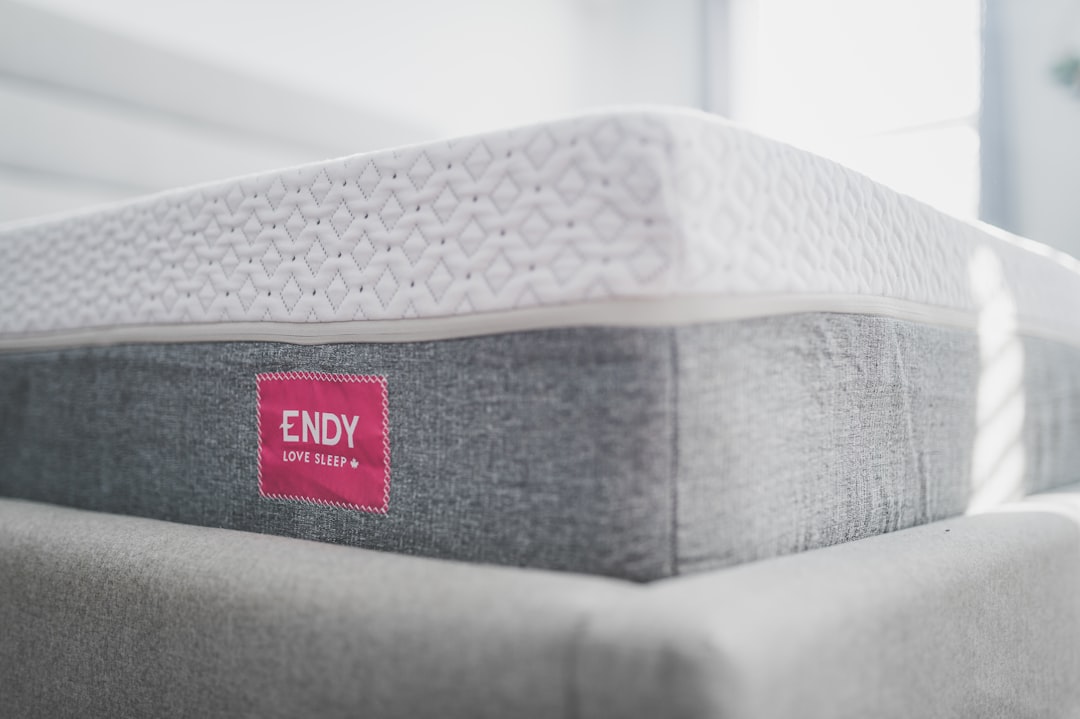
Mattress depth is the practical hurdle. Many cooling models, especially those with thick comfort layers over ventilated coils, run deeper than standard ones. Your existing bed frame might have a lip or side rails that only accommodate a certain height. Measure that internal clearance, and remember to account for the mattress topper if you use one. A 35cm mattress trying to squeeze into a frame designed for 30cm won’t sit properly, and it can even affect the edge support. The lift door width is 90cm, but your bedroom doorway is often tighter—a flexible mattress can bend through, but a rigid, overly thick one might struggle.
The one exception? If you’re planning a new bed frame anyway, then depth constraints matter less. In that case, focus solely on matching the mattress to your room’s climate and your body’s needs. Otherwise, get the tape measure out. A cooling mattress that doesn’t fit your space physically is as useless as one that doesn’t fit your climate thermally.