Most trial periods give you a hundred nights, but that’s calendar time, not enough to judge a cooling mattress here. Our humidity and 28°C nights create a different test cycle. You need to run it through at least one full week of typical Singapore weather—no air-con, just the ceiling fan on its highest setting—to feel the real story.
Treat the first week as your baseline. Sleep on it normally, but take note of the first hour. Does the surface feel cool to the touch, or does it just absorb your body heat without relief? A good cooling layer should give immediate respite. If you’re waking up damp or shifting to find a cool spot by night three, that’s a red flag already. The materials need to work from the get-go.
Weeks two and three are for the stress test. This is when you mimic the worst conditions: a still, windless night after a day of rain, when the air is thick enough to drink. That’s when phase-change materials or ventilated coils prove their worth. If the mattress still feels neutral and doesn’t trap heat around your shoulders and hips, you’re on to a winner. One common mistake is judging it only on cooler, breezy nights—that’s setting the bar too low.
By the fourth week, you should know. Your sleep quality should be consistent, not fluctuating with the evening’s weather report. The only real exception is if you’re someone who cranks the air-con down to 19°C every night; then, any mattress will feel cool enough. But for the rest of us in non-air-conditioned rooms, that month-long trial is non-negotiable. Don’t just lie on it—really sleep on it, through the stickiness, and let the Singapore climate be your final judge.
Year three is when that cooling gel foam you bought starts feeling a bit sian. You know, when you wake up on a sticky morning and realise the mattress isn’t pulling heat away like it used to. That’s humidity at work, silently changing the material’s structure over time. Cooling gel foam relies on tiny gel beads or a gel infusion to absorb and dissipate heat, but sustained exposure to 80%+ humidity can slowly degrade its responsiveness. The foam itself might not sag dramatically, but the cooling effect can become less pronounced, less immediate. It’s a gradual fade, not a sudden failure.
Compare that to aerated latex. Latex has a naturally open, breathable structure—think of it like a sponge full of air holes. Humidity doesn’t really degrade it; it just flows through. The heat dissipation comes from constant air circulation within the material, a process that doesn’t really wear out. So while a gel foam layer might lose its peak thermal conductivity after a few years of damp seasons, latex’s performance stays steady. It’s a durability win for latex on the humidity front.
Then you’ve got phase-change materials, which are a different beast altogether. These are engineered fabrics or layers that absorb excess heat by changing their physical state, like a high-tech wax melting and solidifying. Humidity doesn’t break them down, but it can affect how efficiently they release that stored heat back into the room. In a poorly ventilated HDB bedroom, that heat has to go somewhere, and a perpetually damp environment might slow the release cycle. They’re less about long-term material change and more about system efficiency being hampered by the air itself.
So, if you’re a stickler for a mattress that performs exactly the same in year three as it did on day one, gel foam might disappoint you. The one real exception is if your bedroom is a dedicated, dehumidified sanctuary—air-con running every night, maybe a dehumidifier humming in the corner. In that controlled climate, gel foam can last. But for most of us in non-air-conditioned rooms or facing the year-end monsoon damp, the materials that breathe or work with physics, not against it, tend to hold up better against our relentless humidity.
Let's start with the three price tiers buyers often fixate on. Around $800, you'll find mattresses relying on basic cooling gel foam or a simple bamboo cover. At $1,500, the materials get more sophisticated, introducing phase-change layers or ventilated coil systems. The $3,000 bracket is where exotic fabrics and complex hybrid constructions appear. The jump from one tier to the next doesn't guarantee a proportional leap in cooling performance, however. You're often paying for branding or additional luxury features that don't directly translate to better heat dissipation.
Cooling efficacy hinges on the specific technology used, not the price tag. A basic aerated latex core in a mid-range mattress can outperform a fancy memory foam hybrid costing twice as much. Phase-change materials, which absorb and release heat, are a game-changer but they're now appearing in some competitively priced models. Breathable Tencel covers are excellent for wicking moisture, and they're available across all budgets. The key is to scrutinise the material list, not the final figure on the price sticker.
Walking into a showroom, the plush $3,000 display model feels immediately cooler to the touch. That's a sensory trick. The surface might use a temporary cooling treatment or a superior cover fabric that feels chilly for the first five minutes. Once you lie on it for a proper test, the underlying foam or spring system dictates the long-term temperature. A cheaper model with a well-designed ventilated core might sustain a stable temperature throughout the night, even if its initial touch isn't as impressive.
Singapore's relentless 28°C nights and high humidity demand a mattress that performs consistently, not just in a controlled showroom. Some high-end models are engineered for global markets with variable climates, incorporating insulation layers that can actually trap heat here. A locally focused design, even at a lower price, might prioritise pure breathability and moisture wicking over all else. For a non-air-conditioned bedroom, that targeted approach often wins. The expensive, internationally-advertised "cooling" system can sometimes be the wrong tool for our specific environment.
There's one clear scenario where paying more genuinely buys better cooling. It's when you need a mattress that combines deep pressure relief for aching joints with aggressive temperature control. Achieving both requires expensive, high-density foams paired with advanced cooling grids, a combination rarely found below $2,000. For a typical hot sleeper in a 4-room BTO, though, chasing that dual benefit is unnecessary. A straightforward, well-ventilated mattress in the $1,500 band usually solves the core problem without the premium price.
A cooling mattress relies on specific materials to combat Singapore's heat. Look for cooling gel-infused memory foam, which absorbs body heat, or breathable natural latex with an open-cell structure. High-density support foam in the core ensures the mattress retains its shape and cooling properties for years, preventing premature sagging in the humid climate.
Singapore's 80%+ humidity can degrade mattress materials if they aren't resilient. Quality cooling mattresses use moisture-resistant foam cores and breathable, natural fibre covers like Tencel to discourage mould and mildew. Ensure the cover is removable and washable in cool water, as hot washes can cause fabric shrinkage over time.
West-facing walls in a 4-room BTO common bedroom can become a heat battery by late afternoon, turning that 12 sqm box into a literal oven. That’s the real test for any breathable mattress cover. You’re not just fighting body heat; you’re fighting radiant heat from the walls and the sun’s glare. In this scenario, a bamboo or Tencel cover isn’t a luxury—it’s a frontline defence.
Both materials are champions of breathability, but they handle the bake-off differently. Bamboo lyocell, the good stuff, feels cool to the touch the moment you lie down, which is shiok when you’re retreating from the day’s last blast of sun. Tencel, a type of lyocell from wood pulp, is a moisture wizard—it pulls sweat away from your skin faster than bamboo can, then dries quickly in the residual warmth. For someone who sleeps hot and wakes up sticky, that’s the crucial difference.
Here’s the counterintuitive bit: in a compact room with limited air circulation, that rapid-dry feature of Tencel can actually edge out bamboo’s initial cool feel over a full night. The afternoon heat soaks into everything—your mattress core, your sheets, the air itself. A cover that manages moisture evaporation efficiently prevents that damp, clammy feeling that can settle in by 3 a.m., even after the sun’s long gone.
The only time I’d lean towards bamboo in this specific west-facing scenario is if your room’s layout or window treatments are already cutting the solar gain. Maybe you’ve installed blackout roller blinds or your block has that blessed afternoon shade from a neighbouring estate. Then, bamboo’s instant surface coolness might feel more beneficial. But if that wall is still warm to the touch at dinner time, the moisture-moving power of Tencel will serve you better through the long, still night. Don’t just feel the cover in a showroom; picture it in that sun-baked room at 6 p.m.
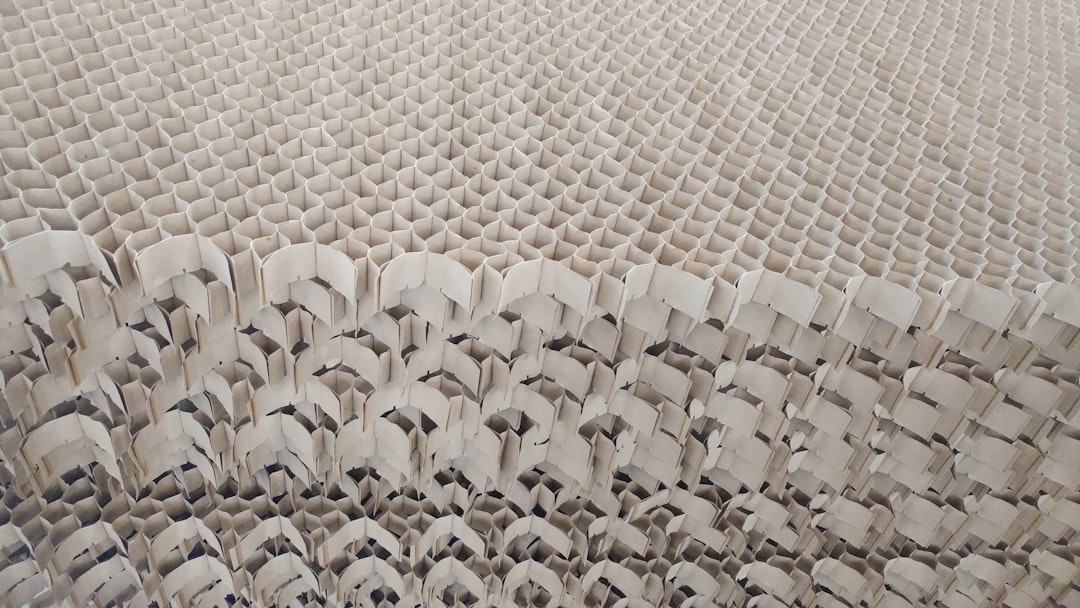
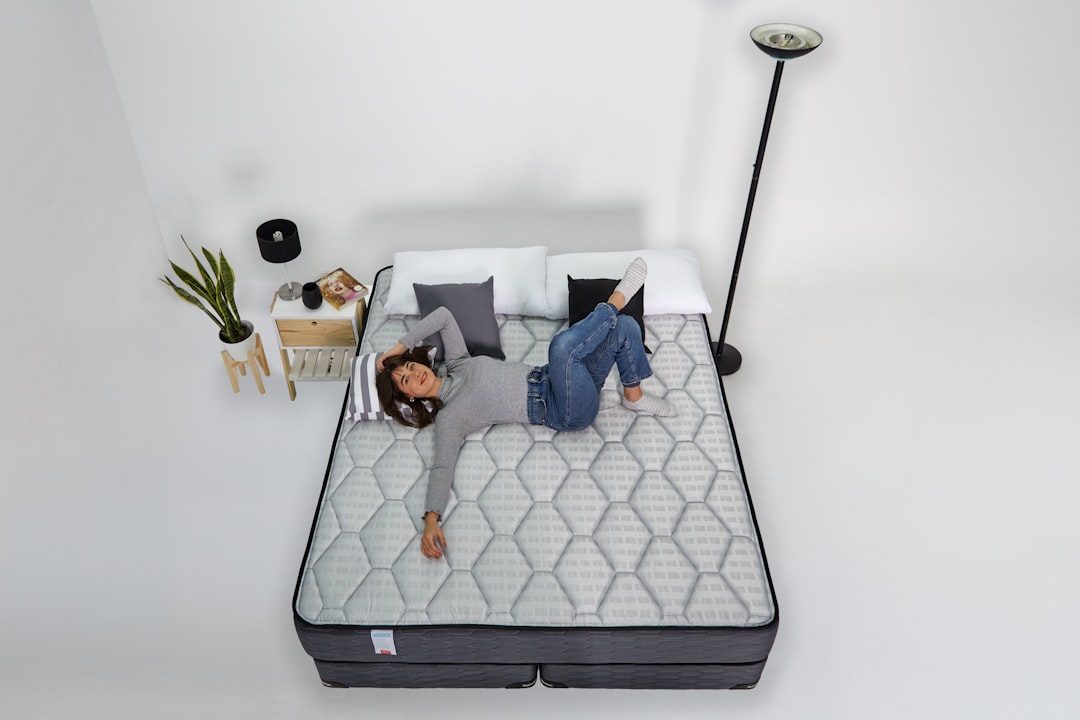
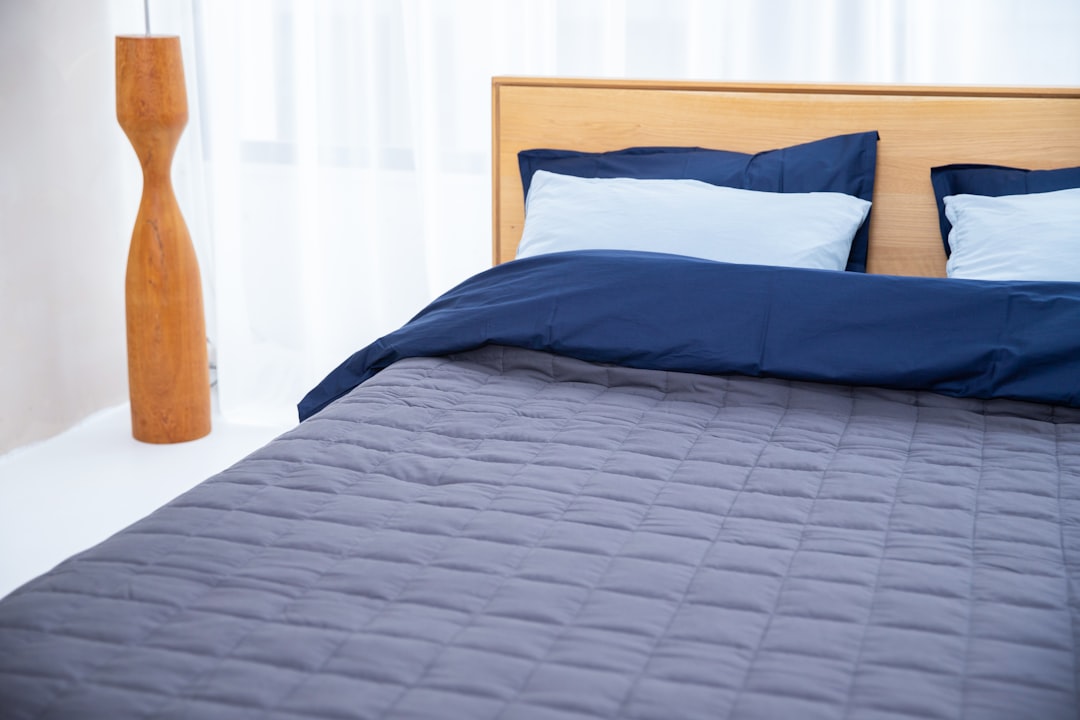
The real pushback you’ll hear in any showroom is that a cooling mattress can’t be both plush and supportive—but that’s not the full story. For someone navigating hot flushes, the sensation of sinking into a soft surface might feel comforting at first, yet that same softness often traps heat around your body. A ventilated coil system, by its nature, offers less immediate pressure relief than a thick memory foam topper. It’s a trade-off you can feel immediately: lie on a mattress with a deep, soft comfort layer and you’ll notice the warmth builds up quicker, even if the cover is bamboo. The coils themselves allow air to move, but they’re firmer. That’s the tension.
So where’s the compromise? You’ll find it in the hybrid designs. These pair a thinner, cooling gel foam or aerated latex layer atop a ventilated coil base. The thinner top layer provides enough cushioning to ease pressure points without becoming a heat reservoir, while the coil section underneath maintains support and lets air circulate. It’s a configuration that directly addresses the hot flush dilemma—you get the relief without the suffocating warmth. A pure coil mattress, without any comfort layer, might feel too rigid for side sleepers, especially around the shoulders and hips. That’s where the discomfort starts, and the night becomes a cycle of flipping over to find a cool spot.
There’s a specific, counterintuitive point here that many buyers miss. The perceived softness from a thick, traditional pillow top is often what you’re trying to avoid. What you actually need is targeted pressure relief, not a deep sink. A thinner, high-density foam or latex layer over coils can deliver that precise cushioning while staying breathable. It’s a different kind of softness—one that supports rather than envelops. For a typical 4-room BTO master bedroom, this balance becomes crucial because the ambient temperature doesn’t drop much overnight. A mattress that feels just right at 10pm can feel like a heat trap by 2am if the comfort layer is too thick.
The exception? If your priority is absolute, maximum airflow and you’re willing to trade some cushioning for it, a well-designed coil-only mattress with a highly breathable cover can work. It’ll feel firmer, but the air movement is undeniable. For most, though, the hybrid approach is the smarter middle path. It gives enough softness to prevent joint aches during the night, and enough support and ventilation to handle those sudden temperature spikes. That’s the map you should follow.
The biggest mistake you can make with a cooling mattress is to rely on the brochure. That heat retention issue with memory foam? It’s a physical thing, not a marketing claim. You’ve got to put your own back against it to know if a brand’s cooling gel or aerated latex actually works for your body. Sitting on the edge for two seconds won’t tell you anything.
In a typical Singapore bedroom, ambient temperatures can climb past 28°C even without the air-con running. A mattress that feels cool in a chilled showroom might still trap heat in your actual flat. That’s why you need to spend a proper ten minutes lying flat on a candidate bed, preferably in the afternoon when the showroom itself is warmer. Feel the fabric weave against your skin—a breathable bamboo cover should let air move, while a dense polyester might just sit there. Press your palms into the foam layers to gauge the firmness; a too-soft mattress can cradle you and reduce airflow, making even a cooling gel less effective.
There’s one real exception to this rule. If you’re buying a mattress purely for a guest room that’s used maybe twice a year, then maybe you can skip the in-person test. For your own nightly rest, especially if you’re dealing with hot flushes or sleeping in a non-air-conditioned room, skipping the showroom visit is a gamble. You’ll only discover the truth after delivery, when it’s much harder to return.
So head to a showroom and do the test properly. Lie down in your usual sleeping position, and pay attention to whether your shoulders and hips sink in too deeply. A mattress that’s firm enough to support you without enveloping you completely often allows better heat dissipation. Check if the surface feels noticeably cooler after a minute, or if it just warms up steadily like regular foam. This isn’t about picking a colour or checking delivery timelines; it’s about verifying the core promise of a cooling mattress before you commit.
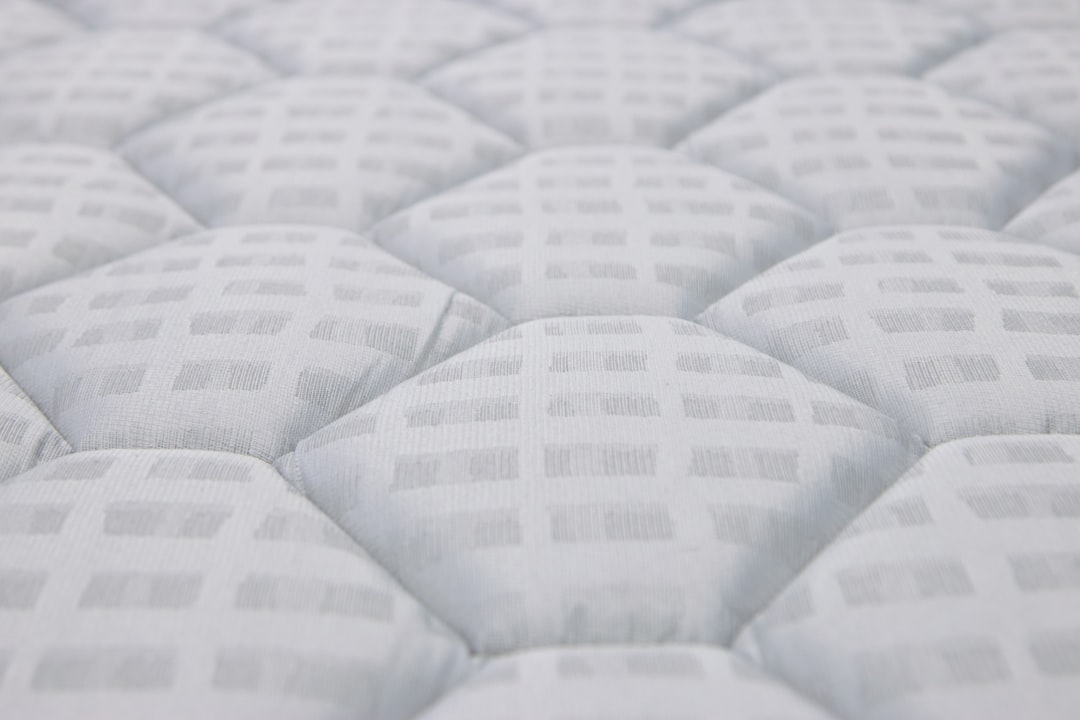
Cooling mattresses generate a lot of online chatter, but the questions that surface after midnight are surprisingly practical. They’re not about the latest tech buzzwords, but about the gritty logistics of trying one out and whether it can actually survive our conditions.
How long do I really need to trial a cooling mattress? A week isn’t enough. You’ll spend the first few nights just adjusting to a new bed. The true test comes later, when you’ve had a chance to experience it through different phases—a humid evening, a night after a long run, or during a particularly warm spell. Aim for the full trial period offered, which is often 100 nights. That’s enough time to see if it’s a genuine solution or just a temporary novelty.
Will the cooling materials degrade faster in Singapore’s humidity? Some will, if they’re not designed for it. Breathable fabric covers like bamboo or Tencel handle moisture well, but you need to check the core. Gel-infused foams and aerated latex are generally stable. The real worry is with certain phase-change materials that might not be sealed properly against moisture ingress. Always ask about the mattress’s construction and whether the cooling elements are integrated or just a top-layer add-on.
Is a cooling mattress worth it for a non-air-conditioned room? Absolutely, but with a caveat. It won’t make your room feel like a chilled showroom. What it does is regulate the microclimate around your body, pulling heat away so you don’t feel that trapped, sticky sensation. For a west-facing flat or a common bedroom that gets no air-con, it’s a game-changer. The only time I’d skip it is if the room itself is poorly ventilated and damp—then you’re fighting a bigger battle that a mattress alone can’t win.
What if the trial shows the mattress isn’t cooling enough for me? That’s the point of the trial. Don’t feel pressured to keep it just because you’ve slept on it for a month. A proper cooling mattress should feel noticeably different from a standard one by the end of the trial, especially on those nights where the humidity is punishing. If you’re still waking up feeling warm, that’s a clear sign. The return process is usually straightforward—just make sure you understand the terms before you commit.
Before you head out to a showroom, take a moment to stand in your bedroom. Not just a glance—really stand there, and think about the air. Is that window pulling in a breeze, or is it just a view? In a typical 4-room BTO master bedroom, a Queen bed fits fine, but a King can turn the space into a corridor. You’ll want at least 60cm clearance on the side you get out from—anything less feels like you’re squeezing past a wardrobe every morning.
That ventilation point is crucial for a cooling mattress. If your room’s already a stagnant box, even the best aerated latex or phase-change materials can only do so much. They need airflow to work properly. A mattress can dissipate heat, but it can’t fight a room that holds humidity like a sealed container. Check your ceiling fan’s position too; if it’s directly over the bed, that’s a bonus for pulling heat away from the surface.
Now, match your personal cooling needs against what you’ve learned during your research. If you’re someone who wakes up damp from sweat, a breathable bamboo cover with a ventilated coil system might be your fix. For those who just feel a constant, low-grade warmth all night, the cooling gel foam could be the answer. Don’t get swayed by the showroom’s ambient chill—their air-conditioning is on full blast. You’re buying for your room, not theirs.
One exception: if your bedroom is west-facing and gets that brutal afternoon sun, the material choice shifts. In that case, prioritise a cover with real phase-change technology, because it’ll handle the radiant heat soak better than just breathable fabric. For everyone else, the trial period is about testing the mattress’s own cooling against your body’s output, not the room’s stored heat.
So, bring your room’s dimensions, your window’s orientation, and your own nightly temperature profile to the showroom. That’s your checklist. Without it, you’re just lying on a bed in a cold room, which isn’t the test you need.