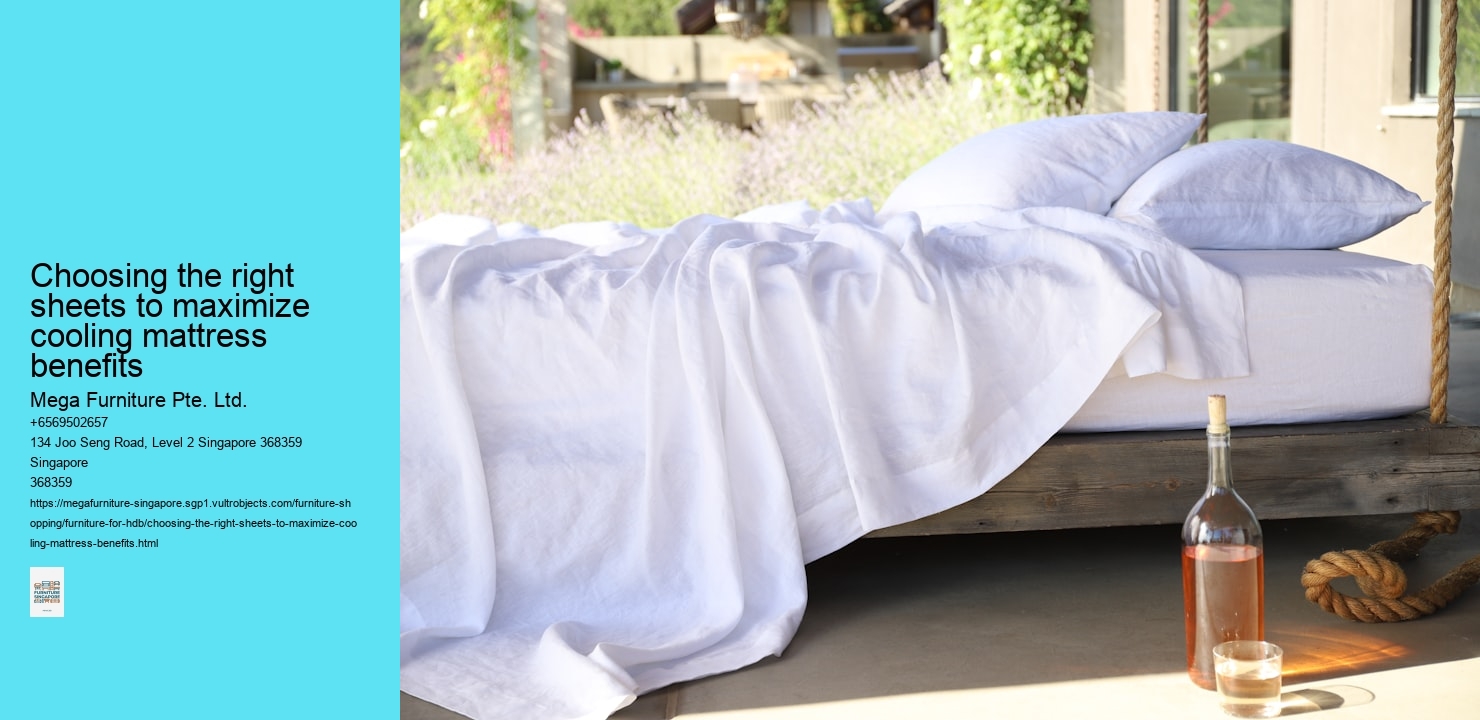
It's a common mistake, and it's one that'll cost you a good night's sleep. You've spent the money on a mattress engineered with cooling gel foam or aerated latex, convinced it'll solve your problem with Singapore's year-round heat. Then you lay a cheap polyester sheet over it, and the whole system fails. That sheet acts like a plastic bag, trapping your body heat against the mattress's surface. You'll feel warm and sticky, wondering why your high-tech investment isn't working. It's not the mattress; it's the sheet.
The material is the first and most critical choice. Polyester, even those microfiber blends marketed as "cooling," is fundamentally synthetic and tends to trap heat. For genuine breathability, you need natural fibres like linen or long-staple cotton, or performance fibres like bamboo-derived lyocell. These materials wick moisture away and allow air to circulate through the weave. A percale weave—a simple one-over-one-under pattern—is generally more breathable than a denser sateen, which can feel smoother but often sleeps warmer. The weight matters too; a heavyweight Egyptian cotton might feel luxurious, but in a non-air-conditioned room facing the afternoon sun, a lighter 300-thread-count percale will likely perform better.
There's a practical test you can do at home. Lay your current sheet flat on a table and place your hand underneath it. Try to blow air through the fabric from above. If you feel little to no air movement on your palm, that sheet is blocking ventilation. A good cooling sheet should allow a noticeable draft to pass through. This isn't about thread count marketing; it's about physics. The sheet needs to be a conduit, not a barrier.
I'd only consider a synthetic blend if you're dealing with a young child or someone who absolutely needs the stain resistance and easy care that polyester offers. For everyone else, especially those experiencing night sweats, natural fibres are the clear choice. They might require a bit more care—cold wash, gentle cycle—but the difference in sleep quality is tangible. Your cooling mattress is a sophisticated engine; don't choke it with the wrong fuel.
If your bedroom temperature routinely climbs past 28°C, the sheets you pick become the deciding factor in whether that cooling mattress actually works. A 12 sqm common bedroom with poor ventilation traps heat like a sauna, and the wrong fabric layer can undo all the engineering beneath it.
Heavy cotton jersey, for instance, is a classic favourite for its softness and stretch. But in that stagnant air, it acts like a thermal blanket—it holds your body heat against the gel foam or ventilated coils, preventing the mattress from doing its job. You’re essentially paying for cooling tech and then insulating yourself from it. For non-AC spaces, you want a sheet that pulls heat away, not one that snuggles it close.
Phase-change materials in a mattress are clever—they absorb heat when you’re warm and release it as you cool down. However, they need a conductive partner on top. A standard polyester or thick cotton sheet will block that transfer. You need a lightweight, breathable layer like linen or a specific bamboo weave to let the phase-change cycle function properly. It’s a bit like having a high-performance engine but using the wrong fuel; the system just won’t run efficiently.
The one real exception here is if you absolutely crave that jersey feel. In that case, go for the lightest weight you can find, and be prepared for it to feel warmer on the stickiest nights. Otherwise, for most sleepers in those hot, still rooms, a loose-weave linen or a crisp percale cotton is the smarter pairing. They allow air to circulate and heat to dissipate, letting your mattress’s cooling features actually reach you. It’s not just about the bed; it’s about the whole sleep surface working together.
" width="100%" height="480">Choosing the right sheets to maximize cooling mattress benefitsThe classic percale weave is your best bet for year-round humidity. Its one-over-one-under construction creates a crisp, breathable fabric that lets air pass through easily, unlike the denser sateen weave that traps warmth. That grid of tiny holes is what keeps you from feeling sticky on a typical Singapore night where the bedroom temperature doesn't drop much. Sateen feels smoother initially, but its tighter surface becomes a liability when you're dealing with constant 80%+ humidity. For a cooling mattress cover, percale cotton's functional weave outperforms the aesthetic choice every single time.
Many buyers gravitate towards sateen because it feels luxuriously smooth and heavy in the showroom. That weight and sheen come from a weave where threads float over several others, creating a denser, less porous surface. In our climate, that lack of porosity is a problem—it reduces breathability and can make the sheet feel clingy and warm after a few hours. While it might look more premium, sateen's performance in a non-air-conditioned room is honestly a toss-up. It's a finish that sacrifices practical cooling for a momentary feel of luxury.
Bamboo-derived rayon sheets promise a cool, silky touch right out of the packaging, which is why they get so popular. The initial sensation is genuinely shiok, especially on a hot afternoon. However, that coolness often comes from the chemical processing used to turn bamboo pulp into a smooth fibre, not from a permanent property of the material itself. More critically, many affordable bamboo sheets are blended with polyester to increase durability, which completely kills their breathability. That blend might feel cool at first, but you'll find it doesn't manage moisture over a full night's sleep.
For sleepers who experience sudden heat surges, Tencel is the material that actually works. Made from wood pulp, its fibres are engineered to wick moisture away from the body efficiently, pulling sweat into the fabric where it can evaporate. This active moisture management is far more effective than just relying on a breathable weave like percale. It's particularly suited for those intense moments where you need the fabric to respond quickly, not just passively allow air flow. Pairing a Tencel cover with a cooling mattress core creates a system that tackles heat from both inside and outside.
Always check the blend ratio on any sheet marketed as bamboo or Tencel. A high percentage of natural fibre, like 70% Tencel with 30% cotton, retains the beneficial properties. But a 50% bamboo rayon and 50% polyester mix is basically a synthetic sheet with a marketing story—the polyester will dominate the performance. That kind of blend won't breathe well and can even feel plasticky after a few washes. The rule is simple: if the blend leans heavily towards synthetic fibres for cost-cutting, the initial cool-touch promise disappears fast. You're better off with a pure, well-made percale cotton in that case.
It's a classic Singapore buyer move, lah. You walk into a showroom, see a sheet labelled 1000 thread count sateen, and you think you've hit the jackpot. The fabric feels smooth and heavy, almost like a luxury hotel towel, and that's exactly the trap. That dense weave, while giving you that plush sensation, creates a barrier that's fantastic for trapping heat. In our climate, where bedroom temperatures can hover above 28°C even at night, you're essentially wrapping your cooling mattress in a thermal blanket.
The real metric you want isn't on the tag. Look at the material first. Natural fibres like linen or long-staple cotton, even at a lower thread count, have a structure that inherently allows more airflow. A good 300 to 400 thread count percale weave, with its simple one-over-one-under pattern, often breathes far better than a 1000tc sateen. That percale feels crisper, not silky, but it lets the mattress do its job. For a truly cool feel, materials like Tencel or bamboo lyocell are excellent—they're not just breathable, they actively wick moisture away from your skin.
High thread count doesn't translate to high breathability, especially with a sateen finish. The weave is tight, the yarns packed closely together, leaving very little room for air to circulate. Your body heat gets trapped between that dense sheet and the mattress surface, turning what should be a cool sleep zone into a warm pocket. It defeats the entire engineering of a mattress designed to dissipate heat—whether it uses gel foam, ventilated coils, or a breathable bamboo cover. You'll feel the difference almost immediately on a humid night.
So skip the thread count chase. The only time I'd consider a high-count sateen is if you're running the air-conditioning all night and you prioritise that silky feel over temperature regulation. Otherwise, for most flats here, especially those non-air-conditioned bedrooms or for anyone dealing with night sweats, that dense sheet is a misstep you'll regret by 2am. Choose for breathability, not just a number.
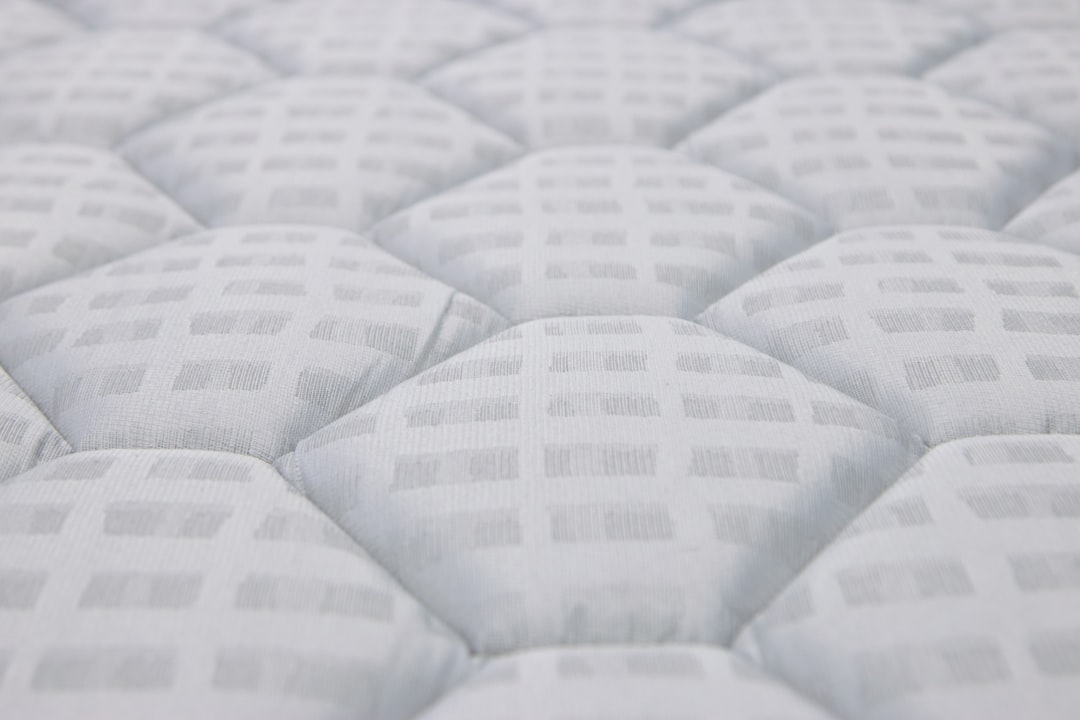
The cooling feel of a sheet is a fleeting thing if the fabric can’t survive our laundry habits. That crisp, open-weave linen you love for its breathability will start fraying at the edges after a few seasons of weekly washes—it’s just too delicate for the relentless cycle. You’ll get the best night’s sleep on it, sure, but you’ll also be shopping for replacements sooner than you’d like.
Tencel, on the other hand, holds onto its cooling properties much longer. It’s a smoother, more resilient fibre that doesn’t degrade as quickly with washing, so the sheet stays cool and comfortable for years. The catch is the price, typically landing between $120 and $240 for a set, which feels steep compared to linen’s initial affordability. But if you’re someone who washes sheets every week—maybe because of the humidity or just personal preference—that durability becomes a serious long-term value.
For most people here, I’d lean towards Tencel. The investment makes sense when you consider how often we use our beds in this climate. A sheet that stays cool and intact for five years beats one that feels perfect for two but then looks tired and thin. The exception is if you genuinely prefer the specific texture of linen and you’re willing to treat it gently—maybe washing it less frequently or by hand. That’s a lifestyle choice, not a practical one.
Think about it in terms of your mattress. You’ve already invested in a cooling mattress to tackle the heat; your sheets should complement that technology, not undermine it with a short lifespan. A durable cooling fabric protects that overall sleep system. It’s the difference between a setup that performs consistently and one that starts to feel compromised because a single component wears out too fast.
So, while the initial cool feel might be similar, the long-term performance isn’t. Choose based on how you’ll care for it and how long you want it to last. For the relentless Singapore laundry routine, the more robust option usually wins.
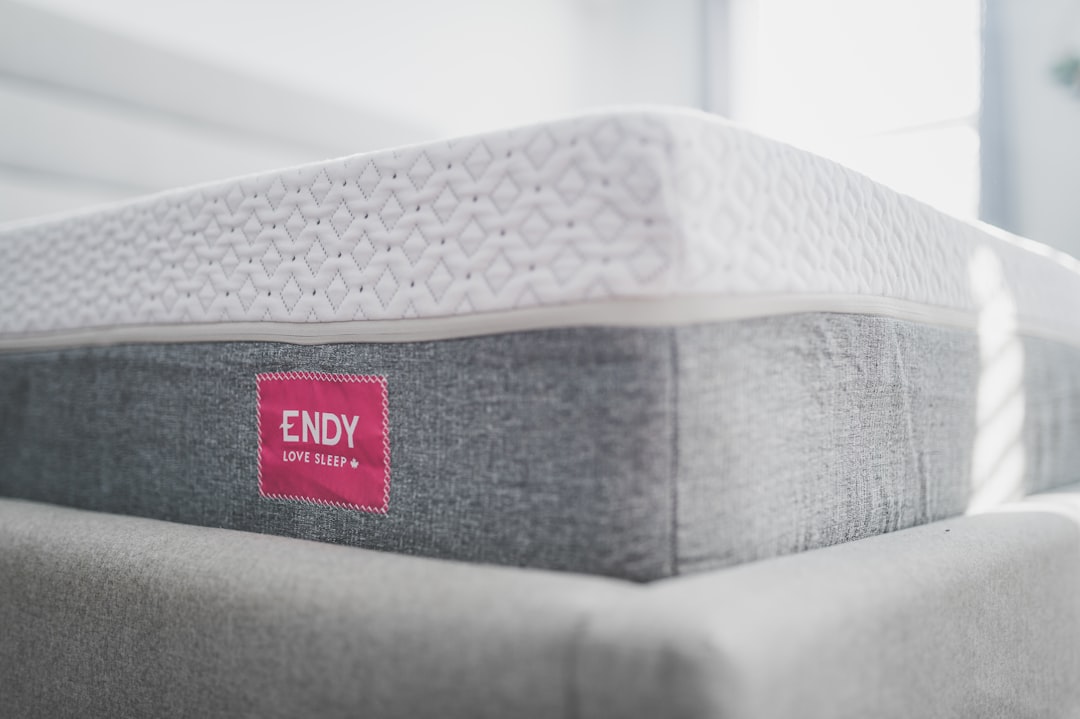
You’re not buying sheets for the bed you own, you’re buying them for the mattress you’re going to sleep on. That’s why you need to feel the weave against the actual surface you’ll be sleeping on. In the showroom, you can lay a cotton percale sheet right on the aerated latex core and press your hand down. You’ll notice how a tight weave sits flat and smooth, while a looser linen might bunch a bit over the ventilated zones. That tactile feedback is something a website image can’t give you.
A cooling mattress relies on airflow through its layers. If your sheets are too heavy or clingy, they block that breathability. At the showroom, you can test this directly. Grab a sample of bamboo or Tencel fabric, drape it over a gel foam section, and see how it drapes. Does it lay light and open, or does it feel like a barrier? The difference is clear when you’re standing there, comparing a crisp percale to a dense sateen right on the same mattress model.
The only time I’d skip this hands-on test is if you’re ordering a mattress protector that’s already a known, breathable brand. Even then, your top sheet still needs to pair well. For everyone else, making the trip to see the pairing in person is worth it. You avoid buying sheets that feel great on your old mattress but sabotage the cooling tech on your new one. That’s a mistake you only make once, when you’re sweating at 2 a.m. and realise your fancy new mattress isn’t working as it should.
So bring your favourite sheet sample if you have one, or just use the fabric swatches they’ve got on hand. Lay them out, feel the texture, and judge the interaction yourself. It’s the one way to guarantee your sheets won’t undermine the mattress you’re investing in.
You’ll hear these questions every time you walk into a mattress section. They’re the real-world queries from people who’ve tried everything and still wake up sticky.
Do bamboo sheets really cool?
They do, but it’s not magic. Bamboo-derived fabrics like rayon or lyocell are inherently breathable—they let air move through instead of trapping it. That’s the cooling effect: it’s about airflow, not some icy chill. Pair them with a cooling mattress that also prioritises breathability, and you get a system that works together. If your mattress is a sealed, non-breathable type, even bamboo sheets won’t save you.
Can I use cotton on a cooling mattress?
Absolutely, but choose wisely. Heavy, dense cotton like a thick percale or flannel will just sit there like a blanket, blocking the mattress’s cooling channels. Opt for a lightweight, open-weave cotton—think a crisp, thin percale or a gauzy muslin. It’ll let the mattress’s technology do its job. The wrong cotton can undermine a good mattress; the right one complements it.
What sheet for menopause night sweats?
This one’s about rapid moisture movement. You need a fabric that wicks and evaporates quickly, not just one that feels cool when you first lie down. Tencel or high-quality linen are the top contenders here—they pull moisture away from the skin and dry fast. Avoid anything with a tight, synthetic finish that feels slick; it might trap humidity against your body during a flush. The goal is to get the sweat off you and into the air before it pools.
Will linen sheets shrink in Singapore humidity?
They can, if you wash them wrong. Linen is a natural fibre that relaxes and contracts—that’s part of its character. In our constant 80%+ humidity, washing linen in hot water and then tossing it in a dryer is a sure way to get a smaller, tighter sheet. Cold wash, hang dry, and they’ll settle into their proper size. That initial stiffness after air-drying softens with use, and the fabric actually becomes more breathable over time. Don’t fight its nature.
A cooling mattress relies on specific materials to regulate sleep temperature in Singapore's heat. These include cooling gel-infused memory foams that draw heat away, breathable bamboo or Tencel covers that wick moisture, and ventilated coil systems that promote airflow. Phase-change materials can also absorb and release heat to maintain a neutral surface temperature throughout the night.
Singapore's 80%+ humidity challenges mattress materials, making resistance to mould and moisture a key facet. Look for covers with inherent antimicrobial properties and foams with open-cell structures that resist trapping damp air. A quality cooling mattress should use materials that won't degrade or develop odours from persistent sweat and ambient moisture over time.
You’ve found the perfect cooling mattress, but the wrong sheets can undo all its careful engineering in a single night. That final verification isn’t about colour or thread count—it’s about matching the fabric’s physical properties to the mattress’s specific cooling tech. A gel foam layer, for instance, works by conducting heat away from your body; a heavyweight, dense weave will act like a blanket and trap that heat right back against you. You want a lighter, more conductive layer there. Conversely, a mattress with a ventilated coil system or aerated latex relies on airflow through the structure; a tight, closed weave will choke that breathability, while an open percale or linen weave lets the air move freely.
Your laundry routine is the second half of this equation. That luxurious, high-maintenance linen you love might require a cool hand wash and flat drying—fine if you’ve got the time and space, but a real chore in a humid monsoon season when you need to change sheets more often. Performance fabrics like bamboo or Tencel often handle machine washing well, but check the label for temperature limits; a hot wash can shrink them or damage the fibres, ruining the fit and the cooling properties. If your lifestyle leans towards quick, practical cycles, prioritise materials that can survive them.
There’s one clear exception to this rule. If you’re pairing sheets with a mattress that uses a phase-change material cover, the fabric weight becomes less critical—the technology actively regulates temperature at the surface. In that scenario, your main concern shifts entirely to care: can you clean these sheets without damaging the specialised treatment? Usually, a gentle cold wash is the only safe option.
So before you click ‘buy’, pause. Hold the sheet specs against your mattress’s cooling method and your weekly routine. It’s the last, often overlooked step that ensures you actually feel the difference you paid for.