That first night on a new cooling mattress in a non-air-conditioned room can be a rude awakening. You’ve bought the technology, unboxed it with relief, and laid down expecting that promised chill. Instead, by 2 a.m., you’re flipping the pillow for the tenth time, feeling the heat seep back through the cover. It’s a common shock for hot sleepers and menopausal women especially, who’ve invested in a solution for night sweats only to find the bed itself feels warm.
The issue isn’t a faulty product. It’s physics. Those advanced foams and phase-change materials need a cycle or two to settle and breathe properly after being vacuum-sealed. Out of the box, the internal structure is still compressed; it hasn’t fully expanded to allow for the airflow its design promises. In our ambient 28-degree nights, that initial period means the materials are still acting like a blanket, trapping your body heat instead of dispersing it.
Give it three to four nights, maybe a week. That’s when the foams fully aerate and the cooling gels reach their optimal thermal conductivity. The mattress needs to acclimate to your room’s specific humidity and temperature, and your body needs to stop dumping excess heat as it adjusts to a new support surface. It’s a breaking-in period nobody really talks about in the showroom, where the floor model has been breathing for months.
So don’t panic and start the returns process on day two. The one real exception is if, after a full week, you’re still waking up in a pool of sweat and the surface feels consistently warm to the touch even before you lie down. That could signal a product not suited to a truly non-air-conditioned space. But for most, patience pays off. That initial disappointment is just the mattress warming up to its job.
That cooling sensation you bought with the fancy PCM layer? It's got a built-in expiration date, and our climate is the timer. Those microscopic capsules filled with wax-like substances absorb heat to keep you cool, but they're not designed for a lifetime of Singapore's relentless thermal cycling. Night after night, they melt and solidify, absorbing and releasing your body heat, but each cycle stresses their structure a little more.
Think about a typical 4-room BTO master bedroom: the aircon goes off at midnight, and the temperature climbs from 24°C back to the ambient 28°C or higher by morning. The humidity, often sitting around 80%, doesn't help. This constant, rapid switching between states—dozens of times a month—fatigues the material. The capsules can start to leak, degrade, or simply lose their thermal capacity. They get sian already, you could say.
The disappointment hits around the 18-month mark for many. The bed doesn't feel as cool to the touch as it did on the first night. You're back to waking up feeling warm, wondering if you imagined the initial effect. It's a particular letdown when you've invested in a cooling solution for a non-air-conditioned room, expecting it to last the lifetime of the mattress itself.
This isn't a manufacturing defect; it's a material limitation under extreme conditions. While high-quality PCMs will hold out longer than cheap versions, the fundamental chemistry means they are a consumable component, not a permanent fix. For a buyer in a west-facing flat or a bedroom that soaks up the day's heat, that decline can feel especially premature.
So, if long-term, consistent cooling is your non-negotiable, a PCM layer alone might not be your steady partner. You're better off with a mattress that combines it with other, more durable cooling strategies—like a truly breathable cover and a core designed for airflow—so when the PCM eventually fades, you're not left with a warm, expensive slab.
For anyone dealing with hot flushes, washing that bamboo cover weekly isn't just a preference—it's a hygiene necessity. Singapore's climate turns sweat into a nightly event, and leaving that moisture to soak into the fibres invites bacteria and odour. That means the cover goes through the machine far more often than a typical sheet set, maybe fifty cycles a year instead of a dozen. Each wash, even on a gentle cold setting, subjects the natural fibres to mechanical agitation and detergent chemicals. Over time, this repeated stress starts to degrade the bamboo's structural integrity from the very first year.
The real issue isn't pilling or colour fade; it's a gradual, silent thinning of the fabric itself. Bamboo viscose, while wonderfully breathable initially, is a delicate material. After about two years of that weekly laundering routine, you'll notice the cover feels noticeably lighter and less substantial between your fingers. It loses its original density, becoming almost gauzy in spots where body pressure is highest—like the centre of the mattress. This thinning directly compromises the cover's ability to provide a protective, comfortable layer over the cooling foam or gel layers beneath.
That thinning has a direct and counterproductive effect on the mattress's core cooling function. A robust bamboo weave allows air to circulate freely, pulling heat away from your body. Once the fibres wear down and the weave opens up too much, the fabric can't manage airflow effectively—it just becomes a limp, inefficient filter. In a condo master bedroom where ambient temperatures hold steady, that lost breathability means you'll feel the heat-retaining properties of the mattress core more acutely. The cover, which was your primary cooling interface, starts working against you.
Beyond just feeling thin, the fabric develops areas of pronounced weakness. Frequent washing weakens the yarns, and the constant friction from sleeping creates micro-tears, especially along seams and edges. You might find the cover develops small holes or pulls apart at the stitching after a couple of years of this regimen. This isn't a minor cosmetic flaw; it exposes the underlying mattress materials to dust, moisture, and wear. A compromised cover also loses its ability to properly contain and support the mattress's own structure, potentially affecting how those cooling technologies perform.
Given this inevitable degradation, planning for a replacement cover becomes a key part of owning a cooling mattress. You can't expect a bamboo cover subjected to high-frequency washing to last the full lifespan of the mattress internals—eight or ten years. Budgeting for a new cover around the two-to-three-year mark is a practical move for hot sleepers. Look for a cover with a similar cooling profile but maybe a tighter weave or blended fibres for durability. It's the one concession to reality: the cover is a consumable item, not a permanent fixture, when laundry is a daily health need.
A cooling mattress uses specific materials to manage heat and moisture in our 80%+ humidity. Gel-infused memory foam or phase-change materials actively draw heat away from the body. Breathable covers made from bamboo-derived viscose or Tencel enhance airflow, preventing the clammy feel some memory foam creates. This material engineering is key for non-air-conditioned rooms or for those experiencing night sweats.
Long-term performance in our climate hinges on material resilience. High-density foam cores resist permanent body impressions better than low-density alternatives, maintaining support. The cover fabric must resist mould and allow vapour transmission, as trapped moisture in humid bedrooms can degrade materials. A quality cooling mattress should retain its thermal regulation properties for years, not just its initial firmness.
Think of those cooling coils as the mattress's lungs. They're designed to pull air through, moving your body heat away so you don't wake up feeling like you're on a hot plate. But in a resale flat where the windows haven't been opened properly in years, those same air channels start filling up with everything floating around. It's not just dust you can see—it's a fine, greasy mix of skin cells, fabric fibres, and that ever-present humidity that never really leaves the room. Over months, this layer acts like a blanket, slowly suffocating the system's ability to breathe.
The one real exception is if you're a militant cleaner with a dehumidifier running 24/7 in a well-ventilated room—then maybe you'll stave off the buildup for longer. For the rest of us in our humid HDB flats, that internal dust accumulation is a silent killer of cooling performance. You can't stop it entirely, but you can slow it down by keeping the bedroom air moving and not letting the dust settle in the first place.
Most of us are guilty of the maintenance neglect. You vacuum the top, maybe flip it once in a blue moon when you remember, but who ever thinks to clean *inside* the mattress? Life gets busy, and it becomes one of those out-of-sight, out-of-mind tasks. The consequence isn't immediate; it's a gradual decline you might blame on getting older or the weather being especially brutal. You'll just notice the bed doesn't feel as cool on your back as it used to, that the initial relief when you lie down is gone.
This is where the core temperature regulation fails. The coils can't do their job if the pathways are clogged. Instead of heat dissipating, it gets trapped around the sleeping surface, turning your carefully chosen cooling mattress into something that performs no better than a basic, non-ventilated one. It's a slow waste of your investment.
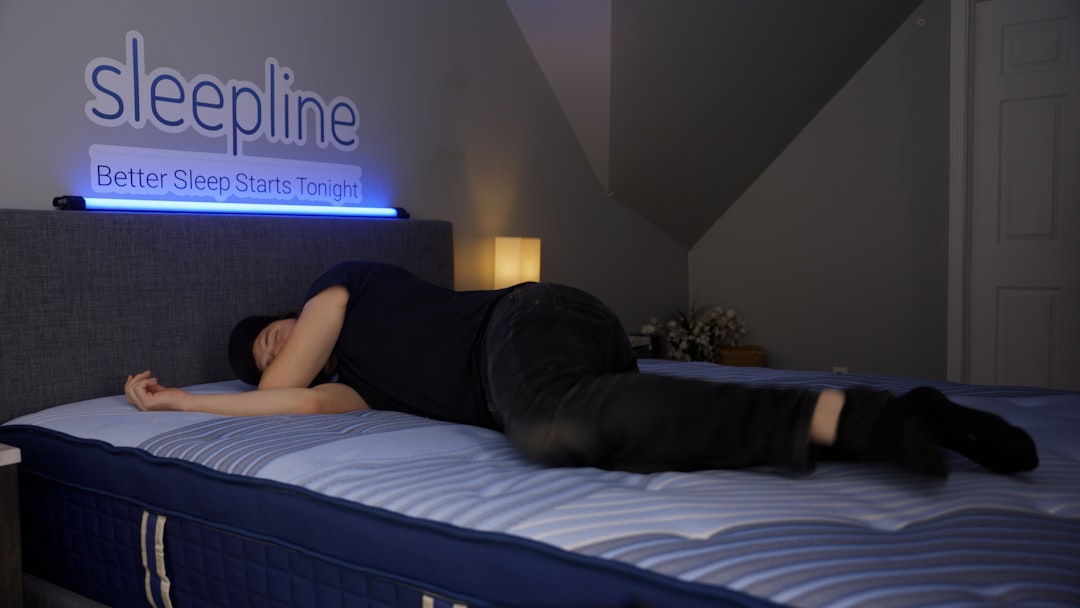
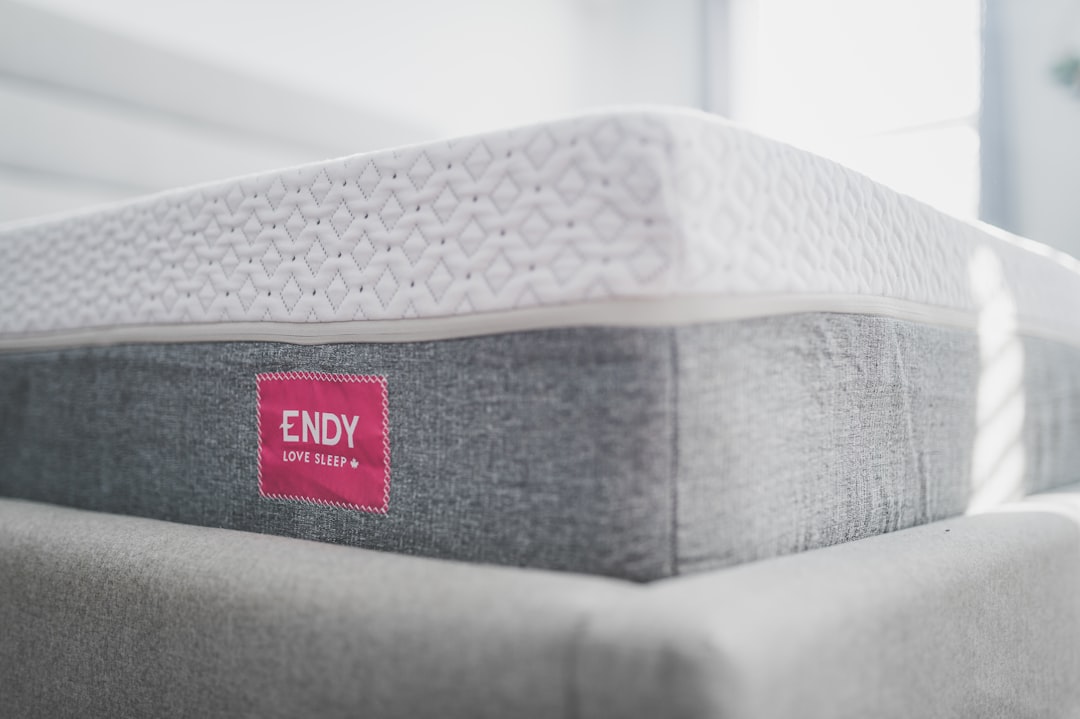
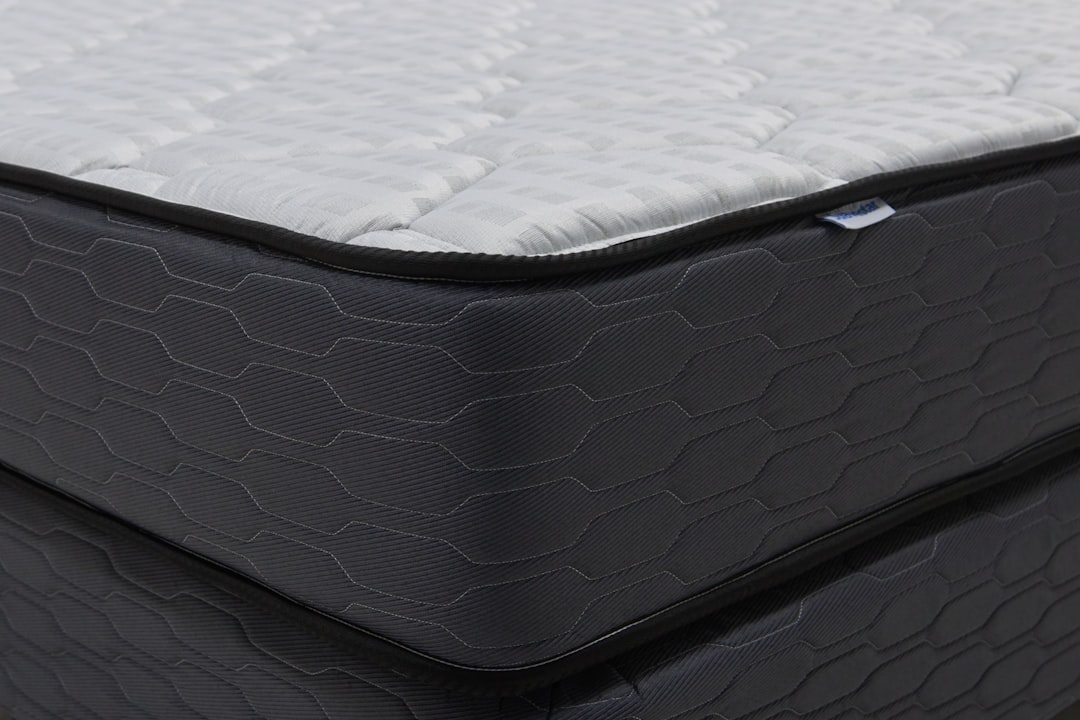
After five years, that initial blissful cool-to-touch feel of a gel foam mattress can start to feel like a distant memory. In landed houses and HDB flats alike, the common report is that the cooling gel layer, while wonderfully effective initially, tends to lose its thermal conductivity as it compresses. You’re left with a foam that still conforms, but doesn’t pull heat away from your body with the same vigour—those first few minutes of lying down just aren’t as refreshing anymore. The material itself is denser, and that slight indent where you sleep every night becomes a heat pocket over time, a real problem in non-air-conditioned rooms.
Natural latex tells a different story. Its cooling power comes from its structure—all those tiny air channels let heat escape upwards. That breathability doesn’t really degrade. Even after half a decade, a good quality latex core will spring back to its original shape night after night, refusing to develop a permanent body impression. The surface temperature stays neutral because the heat isn’t being absorbed; it’s being allowed to move. For sleepers who feel the heat, especially during our humid nights, this consistent performance is the real win.
So the choice becomes clear: do you want initial intense cooling that may mellow, or a steady, durable climate control that lasts? For most people in Singapore’s climate, the long-term reliability of latex is the smarter investment. It’s the one that won’t leave you feeling betrayed during a particularly warm year-end monsoon season.
I’d only steer someone towards a premium gel foam if they absolutely need that initial, almost instant chill and plan to replace the mattress sooner. But for anyone thinking in terms of a true five-to-seven-year lifespan, especially in a west-facing flat or a common bedroom with less air circulation, the latex option is far more steady one. It’s the difference between a feature that wears out and a material property that endures.
" width="100%" height="480">Cooling mattress lifespan: Factors affecting long-term performance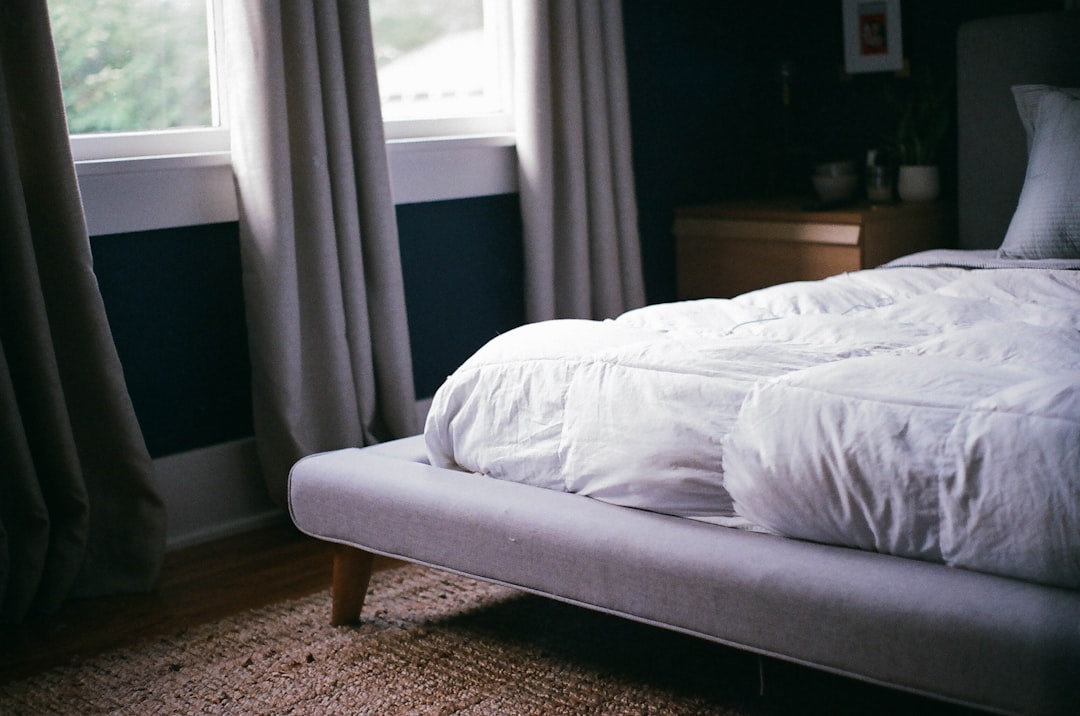
The real test happens when you’re lying flat on a showroom floor, the air-con humming at a level that’s never quite the same as your own bedroom. Online specs can tell you about gel-infused foam or phase-change covers, but your body’s own heat output is the only reliable gauge. That’s the concrete reason to make the trip to a showroom—you’ve got to commit the time and feel it for yourself.
Start by spending a solid ten minutes on each mattress you’re considering. Don’t just perch on the edge; lie down in your usual sleeping position. The initial cool touch of a Tencel cover is one thing, but does that chill fade after a few minutes as your body warms the surface? Pay attention to whether heat seems to pool around your shoulders and hips, or if the mattress truly lets it dissipate. This is especially crucial for those dealing with night sweats or sleeping in non-air-conditioned rooms—a mattress that feels cool in a 22-degree showroom might behave very differently in a 28-degree HDB bedroom at 2 a.m.
Firmness is just as personal. A label might say ‘medium-firm’, but your weight and frame will interpret that differently. Roll onto your side and check if your spine stays in a neutral line, or if you’re sinking into a pressure point. Don’t be shy—bring your partner along to test it together, because one person’s perfect support can be another’s backache. The weave of the fabric, the density of the foam layers beneath the cooling top, even the slight give of a ventilated coil system; these are details your hands and back can assess in a way a product description never can.
The only time I’d say you can skip this step is if you’re buying an exact replacement for a mattress you already love. Otherwise, treat it like a major appliance purchase. You wouldn’t buy a fridge without checking the freezer layout, so don’t commit to a cooling mattress without confirming how it handles your specific body heat in real time. That hour spent in the showroom could save you years of restless, sweaty nights.
How long does cooling gel last in Singapore? It won’t last forever—that's the honest truth. The cooling gel layer is a pocket of tiny capsules that absorb heat, and over years of nightly use, especially in our constant warmth, they can gradually lose their peak efficiency. You'll likely notice a slow decline in that initial intense chill after about five to seven years, but it doesn't vanish overnight. Proper care, like avoiding direct afternoon sun on your mattress, helps it last longer.
Can I wash a Tencel cover every month? You can, but you shouldn't. Tencel is fantastic for breathability, but frequent machine washing, even on a cold gentle cycle, will wear down its fibres and affect that smooth, cool feel against your skin. Spot cleaning is your best friend for monthly maintenance. For a full wash, aim for once every three or four months to preserve both the material's integrity and its cooling properties.
Do cooling mattresses work without aircon? They help, but they're not a magic bullet. A good cooling mattress will still dissipate your body heat better than a standard memory foam block, so you'll feel less of that trapped, sticky sensation. In a non-aircon room during our humid nights, a mattress with a breathable Tencel or bamboo cover and aerated latex core will give you the best fighting chance for a decent sleep. Just temper your expectations—it’s a regulator, not a replacement for cold air.
What mattress lasts longest for hot flashes? Look for one built on a durable, ventilated core. Latex or pocketed coil systems with good airflow will outlast all-foam constructions that can degrade and sag with heat and humidity over time. Pair that with a removable, high-quality natural fibre cover you can clean—because night sweats are a reality. The mattress that lasts is the one that doesn't trap heat and moisture inside its own structure, causing materials to break down prematurely.
Alright, you've settled on the mattress. It's sitting in your Eunos flat, west-facing wall soaking up that afternoon sun. Before you sign off, do three things. Check the warranty fine print—specifically, does it cover the cooling gel or phase-change materials as a functional component, or just the structural foam? Many warranties cover sagging but not the degradation of the cooling tech itself. That's the thing you're actually buying for our climate.
Next, look at your room's air flow. A cooling mattress works with your environment, not against it. If your bedroom relies on a single standing fan pointed at the bed, the mattress's breathable cover and ventilated coils can only do so much. Assess your windows and door. Can you create a cross-breeze at night? That sustained airflow is what prevents the mattress from just becoming a warm, stagnant slab during the humid months.
Finally, think ahead. Singapore's humidity doesn't stay constant; it spikes. The monsoon season or a string of rainy days can push moisture levels higher than usual. Your mattress's breathable bamboo or Tencel cover is your first line of defence. But if your room already traps damp air, that defence gets overwhelmed. Consider a dehumidifier for the room, not just for the mattress. It's an extra step, but it protects your investment from the seasonal spikes that standard bedroom ventilation can't always handle.
So the last check isn't really about the mattress. It's about your west-facing Eunos bedroom as a system. Warranty covers the tech, ventilation supports it daily, and a plan for humidity spikes secures its long-term performance. Get those three aligned, and you can commit.