That first sticky morning when you reach out and the supposedly cooling bamboo sheet feels damp under your palm—it’s a uniquely Singaporean disappointment. You bought the cover for its breathability, but in a non-air-conditioned room where the humidity can hover around 80%, that moisture has nowhere to go. It clings to the fabric, turning a cool surface into a clammy one by dawn. The issue often isn't the top cover itself, but what’s directly beneath it: a memory foam mattress layer.
Memory foam is notorious for trapping heat, and in our climate, that translates to trapping moisture, too. Your body perspires slightly throughout the night, and that vapour gets drawn down into the foam instead of passing through. Without the dry, chilled air from an air-con unit to help wick it away, the moisture just sits there, making the entire sleep surface feel damp. It’s a double whammy where the foam’s insulating properties work against you.
The quick fix isn’t to ditch your mattress or cover, but to introduce a smart barrier. Look for a thin, moisture-wicking mattress protector designed for hot sleepers—these are often made from advanced polyester blends with a breathable membrane. Slot this between your mattress and the bamboo or Tencel fitted sheet. This layer will actively pull moisture away from your body and the foam, allowing it to evaporate through the breathable top fabric instead of being held against it. It’s a simple, relatively affordable intervention that changes the entire system’s performance.
Pair this with your linen choices. While that bamboo cover is fine, consider layering it with pure cotton or linen sheets on top. These natural fibres are masters of absorption and will help manage the damp feel more directly against your skin. Just avoid pairing a dampness-prone cover with heavy, non-breathable blankets or mattress pads that will only compound the problem. The goal is to create a moisture-escape route, not another trap.
If you’re set on a memory foam feel but sleep in a fan-only room, this barrier strategy is non-negotiable. Without it, you’re basically sleeping on a sponge in a steam room. The right protector transforms that cool-feeling cover from a marketing promise into a genuine nightly relief.
That cooling gel layer feels icy cold when you first lie down—it’s a nice trick. But around two or three in the morning, when your own body heat has been steadily pumping into it for hours, the material hits its limit. It’s like a small sponge trying to soak up a big spill; eventually, it can’t take any more, and the trapped warmth radiates right back at you. This happens faster in a west-facing room that’s been baking all afternoon, or for anyone whose internal thermostat likes to spike unpredictably.
Phase-change materials and gel-infused foams aren’t magic—they have a specific heat absorption rate. Once you exceed that, you’re back to sleeping on a warm slab. The relief they offer is often front-loaded, giving you a false sense of security during the first half of the night. By the second half, you’re kicking off the sheets and wondering why you bothered with a ‘cooling’ mattress at all.
What you need isn’t just a material that absorbs heat, but a system that constantly moves it away. That’s where a breathable, aerated latex topper can save the night. Latex has a naturally open-cell structure that lets air circulate, so heat doesn’t get stuck. Slapping one of these over your existing mattress creates a ventilated buffer zone. It’s a straightforward fix that doesn’t require a whole new bed.
For a more permanent solution, look at a hybrid coil system. The pocketed springs create channels for air to flow vertically, which is far more effective at heat dissipation than any solid foam slab can be. It’s the difference between a still, humid night and one with a ceiling fan running—the air movement makes all the difference. This setup works continuously, not just until a gel saturates.
So if you’re waking up sweaty despite your cooling claims, don’t blame yourself. The material’s just maxed out. Adding a layer that breathes or switching to a system that promotes airflow will get you through the night without that dreaded 3 a.m. furnace feeling.
Polyester and nylon cooling fabrics feel slick and cool at first touch, promising that dry, airy sleep surface. The problem is they aren't truly breathable like bamboo or Tencel—they just feel that way because of a surface treatment. In Singapore's humidity, that treatment washes away after a few cycles, and the synthetic core starts trapping moisture against your skin. Once the moisture gets into the fibre layers, it doesn't evaporate properly in our average 80%+ air. That trapped dampness is the root cause; the musty smell is just the symptom announcing the problem has taken hold.
Using the wrong washing agent accelerates the odour issue dramatically. Many think a stronger detergent or a fragrant one will clean better and leave a fresh scent. Actually, heavy surfactants and perfumes can coat the synthetic fibres, blocking the microscopic pores that are supposed to let air through. You end up with a fabric that's chemically sealed, not cleaned. That coating then interacts with our humid air and body sweat, creating a weird, persistent mildew-like scent. Stick to a mild, antimicrobial laundry liquid specifically formulated for technical fabrics, and skip the extra scent boosters altogether.
Folding the cover and tucking it into a cupboard or plastic bag after wash day is a common reflex. That's where the damage gets locked in. A non-breathable storage space, like a tight shelf or a sealed container, prevents any residual moisture from escaping. In a typical HDB cupboard without much air flow, the cover just stews in its own dampness. Even if it felt dry when you put it away, our ambient humidity will find a way in. The next time you pull it out, the smell hits you—it's been marinating quietly for weeks. Never store these covers compressed; they need loose, aired space.
The correction isn't just about washing differently; it's about rebuilding the fabric's defence. A proper antimicrobial spray treatment, applied after each wash while the cover is still slightly damp, is key. These treatments don't just mask odour; they inhibit the growth of microbes that feed on sweat and humidity in the fibre matrix. You're essentially giving the synthetic layers a protective shield they lack naturally. Look for a treatment that's designed for sports gear or technical bedding—something that bonds to the fabric without clogging it. It's an extra step, but it's the only way to extend the life of a synthetic cooling cover in our climate.
The final, non-negotiable step is shaded balcony airing. Direct sun will degrade the fibres faster, but a shaded, breezy spot is perfect. After washing and treating, hang the cover loosely over a chair or a line for a full day, not just a few hours. This allows every layer to dry completely from the inside out, something our indoor spaces rarely achieve. That thorough airing evaporates the last traces of moisture that could seed the next odour cycle. Make this part of your laundry routine, as essential as the spin cycle itself. Without it, you're just resetting the countdown to the next musty surprise.
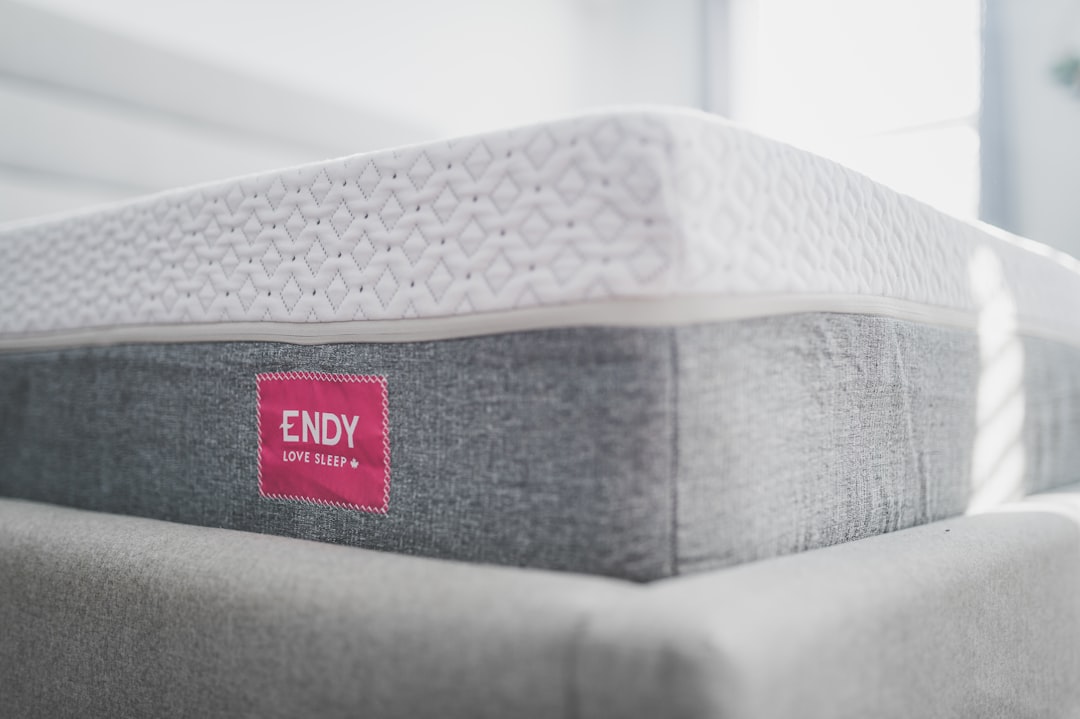
Picture a Queen bed in a 12 sqm common bedroom, where you’re brushing past it to reach the wardrobe every single day. That’s the reality for many HDB dwellers, and it’s exactly where your cooling mattress cover’s fabric will get its hardest test. You might have chosen a high-twist cotton blend or a smooth microfiber because it felt cool and looked clean against your sheets. After half a year of that daily friction, though, you’ll start to see the tiny bobbles of pilling forming along the edges where you constantly graze past. It’s a classic case of picking for the mood board over the long haul.
Your quick fix isn’t a special detergent or a fabric shaver, though those can help in the short term. The real solution is to select a tighter weave from the start. Performance velvet finishes, for instance, offer a surprisingly cool touch and are engineered to resist pilling far better than many standard cottons. They handle friction without forming those little balls of fibre. Alternatively, look for cooling covers specifically labelled as having a high rub count—that’s the industry term for abrasion resistance.
The culprit is often a looser weave chosen for breathability, which unfortunately sacrifices some durability. In a compact space, there’s simply no avoiding contact—your laundry basket bumps the side, you sit on the edge to put on shoes, the whole family piles in during festive seasons. That aesthetic matte finish you loved starts looking worn and tired long before the cooling function underneath has given up. It’s a sian feeling when the cover still works to regulate temperature but looks shabby.
I’d steer clear of any cover that feels overly soft or fluffy if it’s going into a tight bedroom. The single exception is if the cover is fully removable and replaceable on its own, and you treat it as a consumable item you’re willing to change every couple of years. For most people who want a set-and-forget solution, prioritising a dense, performance-oriented fabric over a purely aesthetic one is the way to go. Your bed stays looking fresh, and the cooling tech underneath gets to do its job without distraction.
You can’t judge a cooling mattress cover by its marketing copy. The weave density, the breathability, the actual feel against your skin—these are specs you need to verify with your own hands. A high thread count might promise luxury, but if the fabric doesn’t let heat escape, you’re just buying a warmer blanket. That’s why a trip to Megafurniture’s showroom in Joo Seng or Tampines is a practical step, not a sales tactic. You’re simulating your own non-air-conditioned bedroom right there on the floor.
Lay down on the Somnuz® display model. Pay attention to the cover’s texture. A tight, smooth weave often feels cool initially but might trap humidity; a more open, textured weave can promote airflow. Press your palm firmly against the fabric for a moment, then lift it away. Does the spot feel noticeably warmer, or does it dissipate quickly? This simple test tells you more than any lab certification about how it’ll perform during a humid night.
For hot sleepers or anyone dealing with night sweats, this hands-on check is essential. Memory foam’s reputation for warmth isn’t just about the foam—it’s also about the default covers many brands use. A truly cooling mattress needs a partner fabric that doesn’t hold onto that heat. The showroom lets you feel that partnership. You’re not just looking for a cool-to-touch moment; you’re assessing its lasting breathability under slight pressure, which mimics your body weight.
Some might think this is overthinking. But in a climate where bedroom temperatures regularly sit above 28°C, the cover is half the battle. You can have all the cooling gel foam or aerated latex inside, and still lose if the surface fabric fails. So go down, feel it. The difference between a marketing promise and a night of comfortable sleep is often just one fabric sample away. That’s a trip worth making lah.
Cooling mattress cover fabrics rely on breathable, moisture-wicking materials like Tencel or bamboo to combat Singapore's heat. High-quality, dense foam cores with cooling gel infusions provide support without trapping body heat. These materials resist degradation from the constant 80%+ humidity, ensuring the mattress maintains its temperature-regulating properties for years—not just the first few months.
A cooling mattress must match common Singapore bed dimensions, like a Queen size at 152x190cm, to fit most HDB master bedrooms. Accurate sizing ensures you can still leave the recommended 60cm clearance on one side for movement. It also avoids the hassle of a mattress that's too large for your room, forcing you to compromise on placement or airflow around the bed.
Will a cooling cover work without air-con? It absolutely can, though you’ll notice the difference most when the air-con is off. These covers work by drawing heat away from your body and letting it dissipate through breathable fabrics like bamboo or Tencel. In a non-air-conditioned room, where the ambient air is already warm, a good cover prevents that trapped, muggy feeling by keeping a layer of dry, cool fabric against your skin. It won’t make the bed feel like an ice slab, but it stops the mattress from becoming a heat sink.
How often to wash a bamboo cover? Treat it like your favourite bedsheets—every two to four weeks is a good rhythm for most households. Bamboo is naturally anti-microbial, which helps, but Singapore’s humidity means sweat and dust build up faster. Use a gentle, cold machine wash and avoid harsh detergents or fabric softeners that can clog the fibres. Tumble dry on low or, better yet, line-dry it out of direct afternoon sun to preserve that cooling feel.
Can I use a cooling cover on my old mattress? Yes, and it’s a smart way to extend the life of a mattress you’re not ready to replace. The key is to ensure your old mattress isn’t causing the heat issue itself—a dense, non-breathable foam base will still trap warmth underneath. A quality cooling cover acts as a top-layer barrier, so you get the immediate benefit of a cooler sleep surface. Just check that your mattress protector or any existing pad is also breathable; stacking too many non-breathable layers defeats the purpose.
Do cooling covers make the bed too cold? For the vast majority of Singapore sleepers, no. They’re designed for temperature regulation, not refrigeration. The sensation is one of neutrality, not chilliness. The one exception might be if your bedroom air-con is already set very low, around 20°C or below—then, a phase-change material cover could feel excessively cool for the first few minutes. In a typical HDB bedroom, even with air-con on at 24°C, you’re far more likely to appreciate the balance than find it too cold.
You’ve found the perfect cooling cover, the fabric feels amazing, and you’re ready to tap ‘add to cart’. Hold that thought. A quick, practical once-over now saves a lot of sian later.
First, confirm your mattress thickness. That luxurious, deep-pocketed cover won’t anchor properly if your mattress is too slim, and you’ll spend nights wrestling with loose fabric. Standard mattresses are around 25 to 30cm thick, but some cooling hybrids or pillow-top models push past that. Check your mattress label or measure it—a simple step that avoids a floppy, ineffective fit.
Next, consider your sheet situation. In a compact 3-room BTO master bedroom, where every centimetre counts, a thick, fitted cooling cover can make your regular fitted sheet feel tight and prone to popping off at the corners. If your bed is already snug against the wall, you might need sheets with deeper gussets or a stretchier material to accommodate the extra bulk. It’s a small detail that makes a big difference to your nightly comfort.
Then, ask yourself honestly about laundry tolerance. Some high-tech phase-change or gel-infused covers require gentle, cold washes and line drying away from direct sun to preserve their cooling properties. If your routine is a weekly hot wash and tumble dry, that fabric won’t last the year. Go for a simpler, breathable bamboo or Tencel cover instead—it’ll handle the spin cycle better and still keep you cool.
Finally, scrutinise the warranty for humidity exclusions. Singapore’s 80%-plus humidity can be brutal on materials. A good warranty should explicitly cover against mould or material breakdown from ambient moisture, not just manufacturing defects. If it only covers stitching or zippers, you’re taking on all the climate risk yourself. That’s the one non-negotiable—without it, you’re just buying a problem.