That sinking feeling you get after lying down on a memory foam mattress is a familiar one here. It’s the initial comfort, the way it moulds to your shape, promising a perfect contour for your back. But in a non-air-conditioned HDB bedroom, that same conforming hug becomes a trap. The dense, viscoelastic structure that makes memory foam so effective at pressure relief is precisely what makes it a poor conductor of heat. Your body warmth gets absorbed and held right at the surface, creating a microclimate that can feel several degrees warmer than the room itself.
Combine that with our ambient 28°C nights and you’ve got a recipe for disrupted sleep. It’s not just about feeling warm; it’s the cycle of waking up damp, shifting position to find a cool spot, and struggling to fall back asleep. For anyone prone to night sweats or hot flashes, this turns a mattress from a sanctuary into a source of stress. The material’s fundamental physics are at odds with our climate—it’s designed to retain, not release.
Now, some will point to gel-infused memory foams or perforated designs. These can help, for sure, by adding a bit of initial coolness and improving airflow slightly. But they’re often just a surface treatment on a fundamentally heat-retentive core. Think of it like adding ice cubes to a warm drink; it cools things down temporarily, but the drink itself is still warm. The core structure hasn’t changed. For a truly cool sleep, you need materials engineered from the ground up to dissipate heat, not just slow its build-up.
That’s where the shift in thinking happens. In our context, cooling isn’t a premium add-on or a seasonal luxury. It’s a baseline requirement for quality sleep, as fundamental as support. The goal isn’t to find a memory foam that’s *less* hot, but to look at alternatives where breathability is inherent—where the material itself, whether it’s aerated latex, a ventilated coil system, or advanced phase-change fabrics, works with our environment instead of fighting it. Your sleep shouldn’t be a battle against your own bed.
Cooling gel foam often feels wonderfully cool in an air-conditioned showroom, a crisp contrast that sells itself instantly. The real test, however, happens in your own bedroom on a still, humid night when the air feels thick enough to drink. That initial chill you felt? It can dissipate in a couple of hours, leaving you on a surface that now simply mirrors your own body heat, trapped by the same foam structure that was supposed to liberate it. The gel works by conducting heat away, but in our climate where humidity often sits around 80% and ambient temperatures rarely drop, there’s nowhere for that heat to go—it just circulates in the stagnant air around you.
This isn’t to say gel foam is useless, but its performance is highly conditional. If your bedroom is consistently air-conditioned, the gel’s heat-transfer properties can work effectively within that controlled environment. For a non-air-conditioned room in a west-facing flat that holds the day’s heat, the benefit becomes marginal at best. The material can’t fight physics; without air movement or a lower ambient temperature to dump heat into, it eventually reaches equilibrium, and that equilibrium on a typical Singapore night is warm.
That’s why showroom testing needs to be strategic. Don’t just press your palm on the surface for five seconds. Lie down fully, in the clothes you’d sleep in, and stay for a solid fifteen minutes. Pay attention to whether the cool spot where your shoulder first touched gradually warms up and stays warm. Better yet, ask if the showroom has a section without blasting air-con to get a slightly more realistic feel. What you’re listening for is not a permanent chill, but whether the material manages to delay the onset of that sticky, overheated feeling.
For most people in a naturally ventilated HDB bedroom, gel foam alone is rarely the complete solution. It often works better as part of a system—paired with a breathable, moisture-wicking cover like Tencel or bamboo, and ideally atop a ventilated coil base that allows air to circulate underneath. The gel might buy you a cooler window into sleep, but it’s the combination of technologies that helps you stay there through the humid early hours. If you’re set on a foam mattress for pressure relief but need cooling, consider hybrid models that pair a gel foam comfort layer with a pocketed coil base; the airflow from below can make a tangible difference the gel can’t achieve on its own.
Phase-change materials, or PCMs, are clever substances that absorb and release heat at a specific temperature threshold. Think of them like microscopic thermal batteries embedded within a mattress layer. When your body temperature rises during a hot flash, the PCM absorbs that excess heat, changing from a solid to a softer state. This action actively pulls heat away from the skin, providing a tangible cooling sensation. The effect isn't just a surface feel—it's a targeted intervention that works precisely when the heat surge hits. Once the episode passes and body temperature normalises, the material slowly releases the stored heat and resets, ready for the next wave.
Where these PCMs are placed matters tremendously for their effectiveness. A thin, token layer near the top might offer a brief initial cool touch, but it will saturate quickly. For all-night relief, the material needs substantial volume and needs to be integrated deeper, often within the comfort or transition layers of the mattress. This deeper placement allows it to manage heat over a longer period, working in concert with other cooling technologies like breathable covers. You can't judge this integration from a spec sheet online—you need to press and feel the layers in person. A showroom lets you assess if the cooling feels substantial or just a superficial gimmick.
This technology is specifically engineered for the sudden, intense heat of menopausal night sweats. Unlike general cooling that just keeps a mattress from getting stuffy, PCMs react directly to the heat spike from your body. They provide a localised cooling effect right where you need it most, which can prevent the disruptive cycle of waking up drenched. For someone in a non-air-conditioned room, this can be the difference between a broken sleep and a managed one. It's a functional solution that addresses the root cause of the discomfort, not just the symptom.
You really must see and feel this tech to believe it. Visiting a showroom like Megafurniture's Tampines outlet gives you the chance to experience the cooling effect firsthand. Lie down on the mattress for a good ten minutes—don't just press your hand on it. Feel if the cooling sensation is consistent and substantial or if it fades too fast. Ask the staff to point out where the PCM layer is located and how thick it is; this tells you about its capacity. This isn't a feature you want to buy blind online based on marketing claims alone.
In Singapore's perpetual warmth, PCMs don't work in isolation. They perform best when paired with a mattress designed for our climate. Look for beds that combine them with aerated latex, ventilated coil systems, or highly breathable Tencel covers. This multi-layer approach tackles both the sudden internal heat surge and the constant ambient heat. The mattress becomes a comprehensive climate-control system for your sleep. For hot sleepers and especially for those experiencing hot flushes, this combination is often the most effective strategy for staying cool throughout the night.
In a west-facing HDB flat, the afternoon sun turns your mattress into a heat reservoir. You can feel it radiating warmth long after sundown. That's where your cover comes in—a good one doesn't just feel cool to the touch, it actively vents that stored heat so you're not lying on a hot plate at bedtime.
Natural fibres like bamboo and Tencel get a lot of buzz for this, and they deserve it. Their structure pulls moisture away from your skin, which is half the battle won. But the real trick is in the weave. A loose, open weave lets air move freely, while a dense, tight one traps heat no matter what the label says. The backing layer matters too; a thick, impermeable backing can smother all that natural breathability, turning a bamboo cover into a sauna sheet.
So, go for the most breathable cover you can find, especially for a Queen in a sun-baked room. The one exception? If you've got young kids or pets prone to accidents, a slightly denser, more durable weave with stain resistance might be the practical trade-off. But for everyone else chasing a cool night, prioritise that open, airy construction. It’s the difference between sinking into a bed that’s already exhaled the day’s heat and one that’s still holding onto it.
For our climate, Tencel often has the edge. It’s engineered from wood pulp to be exceptionally smooth and absorbent, pulling sweat away faster and drying quicker than many bamboo weaves. Bamboo is excellent, but the term covers a wide range. You want bamboo *lyocell* or *viscose* specifically, not just a bamboo-blend fabric with a high polyester content. That blend might feel soft, but it’ll hold onto heat and humidity.
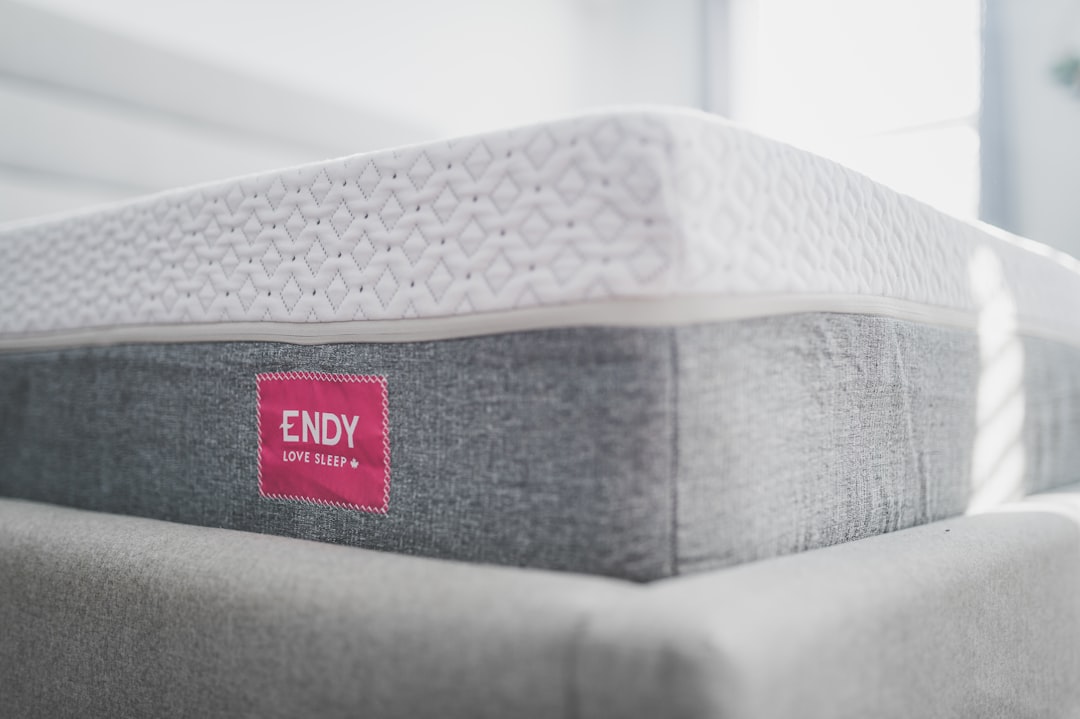
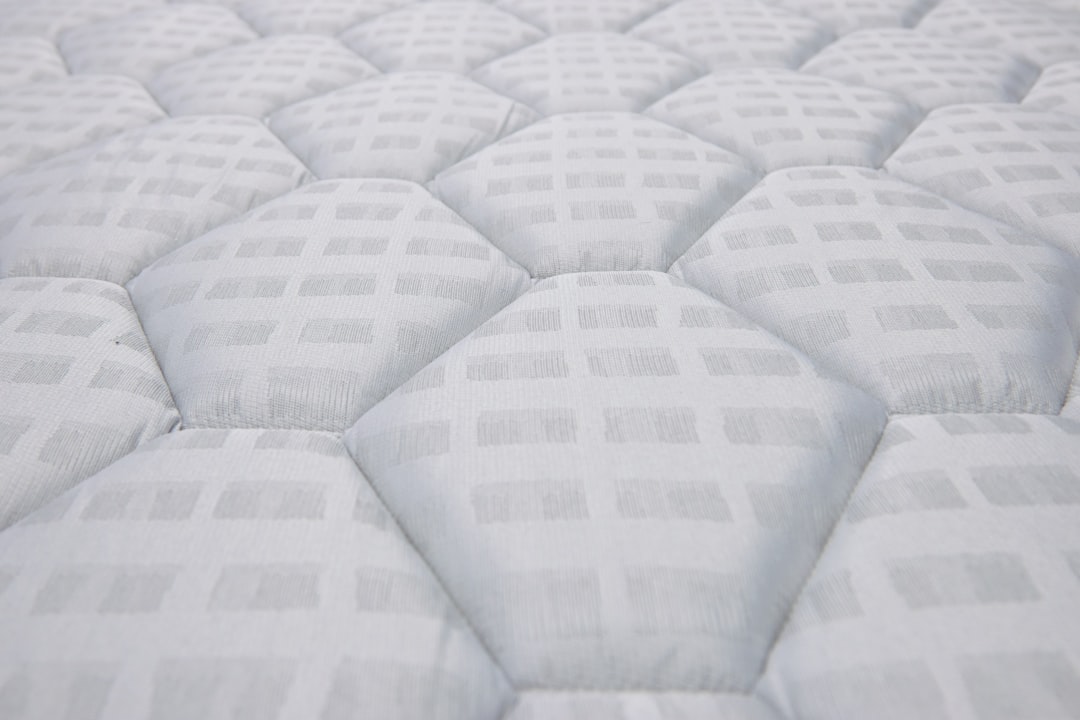
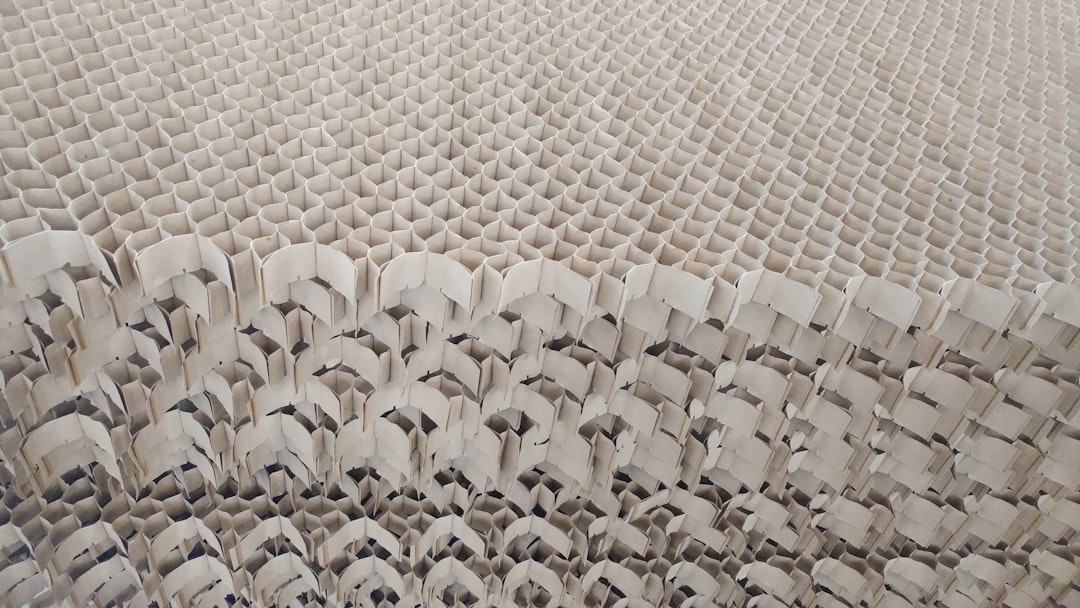
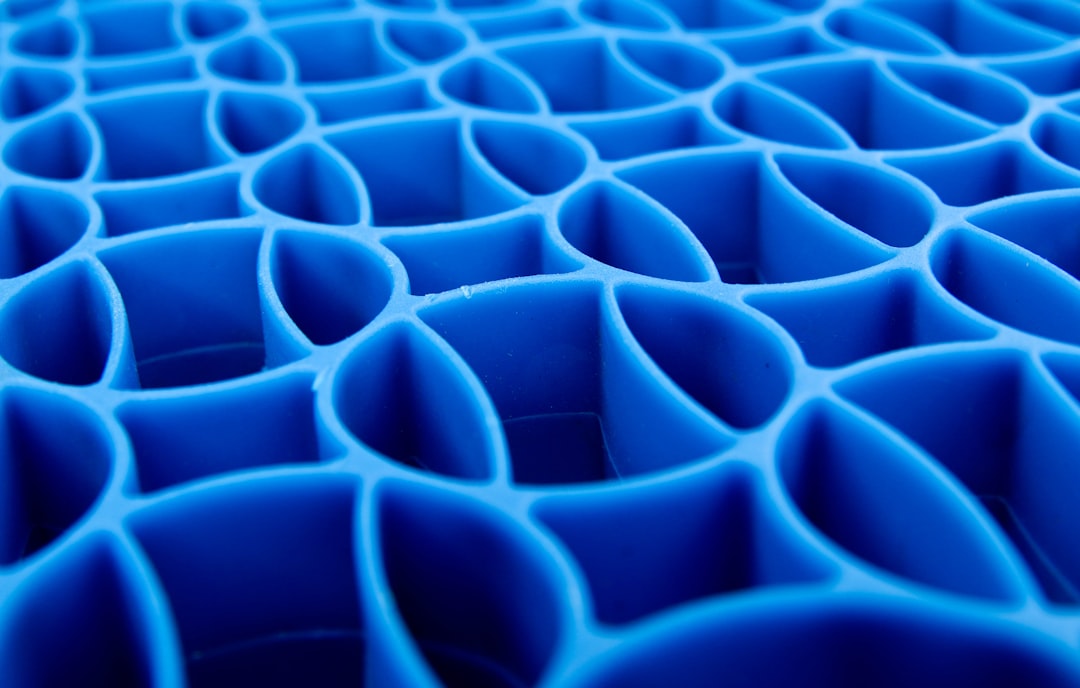
Spend eight hours on a memory foam mattress in a non-air-conditioned HDB room and you'll understand the trade-off instantly. One side of the coin is the ventilated coil system, a network of individually pocketed springs with gaps between them that act like tiny air channels. Air moves around those coils, pulling heat away from your body and dispersing it laterally—a subtle but persistent cooling effect that works best if there's a bit of space around the bed for the air to actually circulate. In a compact 3-room flat master bedroom, that's the catch: push a Queen-sized coil mattress tight against the wall on two sides, and you're partially blocking its main cooling mechanism.
The other side is the aerated latex core. This isn't about air moving around the material; it's about the material itself breathing. Latex is naturally perforated with pinholes from its manufacturing process, and some cores are further drilled with larger ventilation channels. This creates inherent breathability—heat escapes upward through the material's own structure. You don't need perimeter airflow for it to function, which makes it a more reliable choice for beds tucked into snug corners. The feel is different, though: a buoyant, pressure-relieving bounce versus the more traditional, contouring support of a coil system.
Your choice here really boils down to a question of support preference first, cooling second. If you like a firmer, more stable base with a bit of traditional mattress feel, the coil system's air circulation is a fantastic bonus—provided you can give it that breathing room. For those who prefer the responsive, cloud-like lift of latex, its built-in breathability is a major advantage in our climate, full stop. It's the one I'd lean toward for most people in our typical layouts.
There is a genuine exception. If you're a combination sleeper who shifts position constantly through the night, the coil system might edge ahead. Its grid-like structure offers more consistent, zone-by-zone support as you move, and the air channels work across the entire surface area, not just where you're lying. Latex's uniform core is wonderfully comfortable, but it doesn't have that same segmented support map. For the restless sleeper battling the heat, that consistent, full-surface ventilation can be the deciding factor.
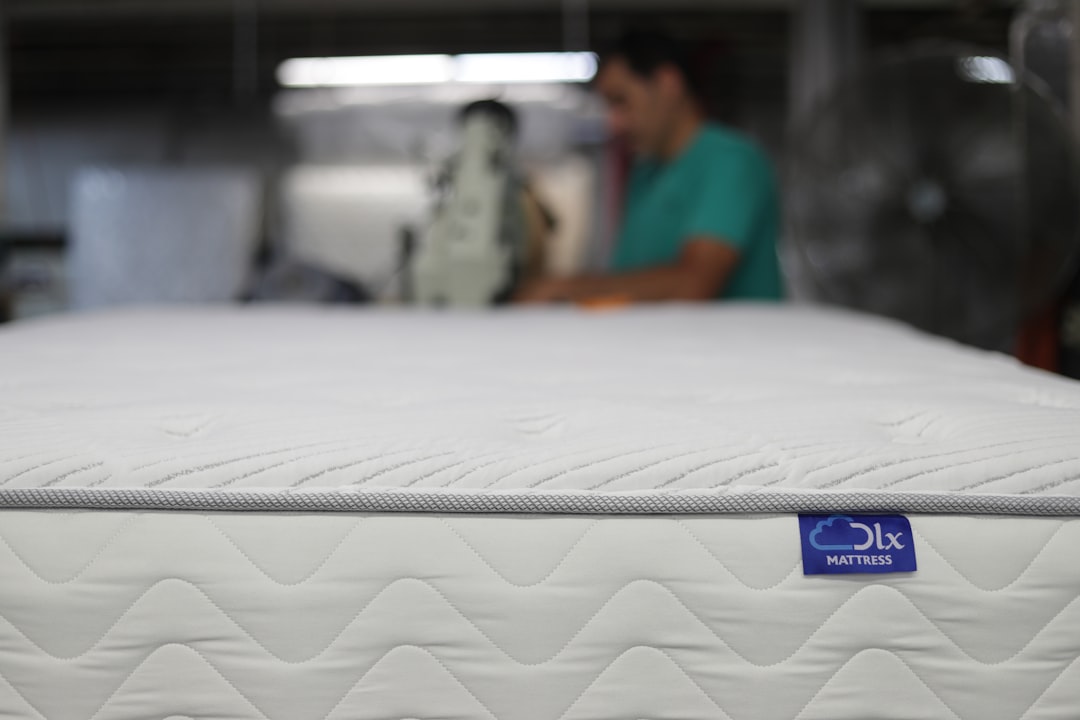
A cooling mattress in a non-air-conditioned room—it's a question that comes up in every showroom. The short answer is yes, it will still work, but you need to adjust your expectations. These mattresses are engineered to dissipate your body heat, not to cool the air around you. In a room where the ambient temperature is pushing 28°C or higher, you won't feel a chill, but you will likely feel less of that trapped, muggy heat that standard memory foam is notorious for. It's about managing the microclimate between you and the bed, which is a genuine relief even with the fan on full blast. Just don't expect it to perform like an air-conditioner; that's not what it is.
Do cooling features wear out after a few years? They can degrade, but it depends entirely on the technology. Phase-change material covers, for instance, are designed for long-term stability. The cooling gels infused into foam, however, might lose some potency over many years of constant compression. The most durable cooling element is often the simplest: a highly breathable cover like Tencel or bamboo, combined with a ventilated coil or aerated latex core. These don't "wear out" in the traditional sense; they just keep doing their job of promoting airflow. So, focus on the construction, not just the marketing claims about "active" cooling.
Is the premium worth it? For the typical Singaporean hot sleeper, absolutely. An extra $800 spread over the eight to ten years you'll hopefully own the mattress works out to less than a dollar a week for significantly better sleep. The value isn't just in temperature; it's in the quality of rest you get when you're not tossing and turning. The one time I'd hesitate is if you're already a perfectly cool sleeper in a fully air-conditioned room—then you're paying for a solution to a problem you don't have.
Can you feel it immediately in the showroom? You can, but you have to test it properly. Don't just press your hand on it for three seconds. Lie down on it for a solid ten, fifteen minutes—really let your body heat build up. That's when you'll notice if the surface stays neutral or starts to feel warm. Remember, showroom air-con is usually cranked up high, so the true test is how it feels under your own warmth. If a mattress promises cooling but feels warm in a cool showroom after a proper lie-down, that's a red flag you shouldn't ignore.
The most common mistake is thinking a cooling mattress is just about the surface temperature. You can have the most advanced phase-change cover, but if the foam underneath is too soft for your frame, you'll sink in and trap heat anyway. The two things are completely linked—support dictates how much of your body contacts the heat-trapping layers. A mattress that feels cool when you first press your hand down can become a warm pocket after ten minutes of lying still, your weight compromising the very airflow it promised.
That’s why a quick sit-test in a showroom tells you nothing. You need to commit to the full sprawl, in your actual sleep posture, for a proper five minutes at least. Side sleepers, especially, will find their shoulder and hip sinking changes the equation entirely; a mattress that feels firm and breezy when you're on your back can become enveloping and warm when you curl on your side. Your own body weight is the variable you can't simulate by reading a spec sheet.
For hot sleepers in our climate, this non-negotiable. Our ambient room temperature doesn't give a mattress any help—if it doesn't manage heat from the first minute, you'll be flipping the pillow by 2 a.m. You need to feel how the cooling works *under load*. Does the ventilated coil system still promote airflow when you're a 70kg person, not a 2kg showroom sample? Does the cooling gel foam actually pull heat away, or is it just a thin layer that gets overwhelmed? The only way to know is to give it your actual weight and wait.
So when you're evaluating options, treat the showroom like a lab. Don't just bounce on the edge. Lie down like you would at home, maybe even in shorts to feel the cover fabric properly. Pay attention to whether the initial cool sensation lasts or if it fades as the materials adjust to your body heat and pressure. This is the one part of the buying process you absolutely cannot shortcut. The right combination will feel like the mattress is working with you, not just under you—a stable, cool platform that doesn't fight the climate.
The exception? Honestly, there isn't one for this step. Even if you're buying online later, you owe it to yourself to find a showroom and do this test on a few models to set your baseline. What you learn in those few minutes about how your body interacts with support and cooling will inform every mattress decision you make after.
A cooling mattress relies on specific materials to dissipate body heat. Key components include gel-infused memory foam to draw heat away, breathable bamboo or Tencel covers for airflow, and ventilated coil systems that promote circulation. High-density foam cores ensure lasting support without trapping warmth, which is critical for maintaining a cool sleep surface night after night.
So you’ve narrowed it down to two or three mattresses that promise a cool sleep. The final choice often feels like a tug-of-war between your wallet and the relentless reality of a Singapore bedroom that never dips below 28 degrees. That last decision shouldn’t be about which mattress has the flashiest brochure, but about which heat source you’re really fighting. The wrong tech for your problem means you’ll spend years—and thousands—just as uncomfortable.
If your main issue is the room’s ambient heat, you’re battling the climate. A mattress that just cools your body heat won’t cut it. In a non-air-conditioned room or a west-facing flat that bakes all afternoon, you need a design that breathes with the environment. Prioritise airflow above all else—ventilated coil systems or aerated latex that let the humid air move through, not get trapped. A breathable bamboo or Tencel cover helps, but it’s the internal structure that matters most. A dense, non-porous foam, even with a ‘cooling’ gel layer, will eventually become a heat sponge in that kind of sustained warmth.
Now, if your heat comes from within—those sudden night sweats or hot flashes—that’s a different enemy. Here, the mattress must absorb and dissipate your body’s thermal spikes quickly. Phase-change materials in the top layers are engineered for this exact job, actively pulling heat away from the skin. Cooling gel-infused foams can also help, but only if they’re part of a design that doesn’t just absorb heat and hold it. The goal is rapid transfer, not just a temporary surface chill.
This is where the budget ladder comes in. At the lower rung, around that $1,200 mark, you’ll find capable options that tackle one problem well—maybe a solid pocketed coil system for ambient heat, or a gel foam layer for body heat. You compromise on material quality or warranty length, but the core function is there. As you climb towards and above $3,000, you’re paying for integration: advanced phase-change fabrics married to hyper-breathable latex cores, or hybrid designs that address both ambient and body heat simultaneously. You’re also buying longevity—higher-grade materials that won’t degrade in our humidity.
Don’t get swayed by a feature that solves a problem you don’t have. Spending extra on a sophisticated phase-change cover is a waste if your room itself is an oven; that money is better spent on a premium, airflow-focused core. Conversely, investing in a highly ventilated mattress won’t stop a hot flash in its tracks. Match the primary technology to your primary heat source, then let your budget decide how well that solution is executed. Anything else and you’re just paying for a better-marketed mistake.