In a typical 12–14 sqm master bedroom, fitting a queen bed and modular wardrobe leaves little wiggle room — which is why sideboards here rarely exceed 180cm in length. Anything longer risks crowding the space, especially in layouts where the bed sits flush against the wall. Depths matter too; at under 45cm, sideboards tuck neatly into corners or alongside wardrobes without eating into precious floor space.
For dual-function dining-living layouts common in 4-room BTO flats, a sideboard’s height becomes just as crucial as its footprint. At 75–90cm tall, it doubles as a serving surface during meals and a display area for decor or media equipment. This versatility makes it a favourite among homeowners looking to maximise utility without cluttering their living spaces.
Material choice often dictates how well a sideboard integrates into compact layouts. Rubberwood and engineered wood options dominate the market, offering durability at a lower weight — a practical consideration for tight corners or narrow passageways. Avoid bulkier designs with ornate detailing; they tend to overwhelm smaller rooms and clash with minimalist wardrobes or bed frames.
In landed properties with larger master bedrooms, sideboards can stretch up to 200cm without feeling intrusive. Still, even here, depths under 45cm remain a smart choice — they keep the room feeling open while providing ample storage for linens, accessories, or tech gadgets.
Singapore’s humidity doesn’t just frizz hair—it wrecks furniture. A solid wood sideboard left untreated in a landed property’s dining room will warp within months, leaving gaps where drawers used to slide smoothly. Engineered wood laminate, with its moisture-resistant layers, holds up better in 80% humidity; it’s the practical choice for homeowners juggling dual-function spaces.
MDF might look sleek in a showroom, but it’s a liability here. The edges swell in humid conditions, especially in open-plan layouts where air conditioning isn’t running 24/7. For a sideboard that doubles as a media console or bar cabinet, engineered wood laminate offers durability without compromising on style.
Rubberwood is another option, often used in mid-range pieces, but it’s prone to mould if not properly sealed. In many homes, the sideboard sits near dining areas or wet bars—spaces where spills and condensation are inevitable. That’s why laminate, with its protective finish, edges out solid wood and MDF for long-term use.
Some homeowners opt for sintered stone tops paired with laminate bodies, combining durability with a modern aesthetic. It’s a smart compromise, especially in larger condos where the sideboard serves as both storage and display. Still, laminate remains the go-to for its balance of affordability and resilience.
Sideboards in Singapore aren’t just furniture—they’re investments in a home’s functionality. Choosing the right material ensures they’ll withstand the climate, even in spaces that see heavy use. For buyers prioritising practicality, engineered wood laminate is the clear winner.
Assessing sideboard hardware quality: key factors for long-term value
Open shelving sideboards work best in dining-living layouts where visual continuity matters. They allow display of dinnerware or decorative items while keeping the space feeling airy. In many homes, this style doubles as a makeshift bar area — bottles and glasses within easy reach. The lack of doors means dusting is essential, especially in Singapore’s humid climate. Opt for shelves with rounded edges to soften the look in smaller condos.
Closed storage sideboards are ideal for homeowners battling clutter. Drawers and cupboards hide everything from mismatched crockery to unsightly cables. This style suits mid-floor units where light reflection isn’t a concern — solid fronts maintain a clean aesthetic. Choose handles that complement the finish; recessed pulls work well in narrow spaces. It’s a practical choice for those who prefer a minimalist, organised look.
Clear finishes, like lacquered or polished surfaces, enhance light reflection in mid-floor units. They create an illusion of space, making the sideboard feel less bulky in compact layouts. These finishes pair well with modern interiors, especially in homes with neutral colour palettes. Maintenance is straightforward — a quick wipe keeps them looking pristine. Just avoid placing them in direct sunlight to prevent discolouration over time.
Sideboards in dual-function spaces often serve as more than just storage. They can act as a media console, bar cabinet, or even a workspace. In larger condos, this versatility makes them a favourite among design-forward homeowners. Position them strategically to divide zones without blocking sightlines. Consider adding a lamp or artwork above to elevate their role in the room.
Material selection impacts both durability and aesthetics. Rubberwood is popular for its affordability and sturdiness, while sintered stone offers a sleek, high-end look. In Singapore’s climate, moisture-resistant finishes are crucial to prevent warping. Full-grain leather pulls or bouclé accents can add texture without overwhelming the space. Always prioritise materials that balance style with practicality in everyday use.
One of the most frequent missteps buyers make is underestimating delivery logistics — particularly in HDB flats, where lifts often can’t accommodate sideboards over 180cm. Delivery day becomes a scramble, with disassembled furniture parts lugged up stairwells or, worse, returned to the warehouse. It’s a costly oversight, especially when you’ve already envisioned that sleek sideboard anchoring your living room.
Another common error is ignoring wall clearance. Sliding door sideboards, while space-efficient, need at least 20cm of free space to function fully. In many homes, this means pulling the piece away from the wall, defeating the purpose of choosing a compact design. Buyers often realise this too late, leaving them with a sideboard that’s either partially inaccessible or awkwardly jutting into the room.
Material choice also trips up buyers. Rubberwood and engineered wood are popular for their affordability, but they’re less forgiving in humid Singapore climates — warping or discolouring faster than solid teak or oak. It’s tempting to prioritise aesthetics, but durability matters when you’re investing in a piece that’s meant to last.
Lastly, buyers often overlook the sideboard’s dual function. In smaller spaces, it might serve as both a dining room storage unit and a living room display surface. Yet, many opt for designs that skew too formal or too casual, leaving the piece mismatched with its surroundings. A neutral profile — clean lines, versatile finishes — tends to work best in dual-function layouts.
For those navigating these challenges, Megafurniture’s collection offers options tailored to Singapore’s unique constraints.
The sideboard’s renaissance in Singapore homes isn’t just about storage—it’s about surviving open-concept living without looking like a warehouse. At Megafurniture’s Joo Seng or Tampines showrooms, test drawer glides with the contents you’d actually stash: stacks of melamine plates, that inexplicable collection of plastic takeaway containers, or the 2kg rice bag that always tears. Hinges should swing silently when you’re raiding the midnight snacks, not creak like a horror movie door. Finish inconsistencies show up where you least expect—check where the sideboard’s legs meet the body, or along the back panel that’ll face your balcony’s afternoon sun. Modern rubberwood veneers should have grain patterns that flow across cabinet doors without abrupt transitions, while lacquered finishes shouldn’t pool thicker at the edges. Staff can demonstrate how a 180cm-wide model anchors a dining-living divider without blocking foot traffic from the kitchen. BTO layouts demand sideboards pull double duty. The same piece might store table linens near the dining area, then morph into a bar cabinet when guests migrate to the sofa. Megafurniture’s stylists often recommend leaving 40cm clearance above for displaying art or plants—enough to prevent a cluttered look, but low enough to serve drinks without gymnastics. Showroom lighting reveals what online photos miss: how that “warm oak” finish turns jaundice-yellow under LED strips, or whether the advertised “matte black” shows every fingerprint. Test surfaces with what they’ll endure—water rings from iced teh, the scrape of a ceramic vase being dragged across the top. The right piece should age like a leather wallet, not a disposable coffee cup.
Their solid wood optionshandle humidity better than engineered composites, though they’ll need occasional waxing in our wet season. Look for drawer bottoms that don’t flex when loaded with heavy dishware—5mm ply is the bare minimum for longevity.
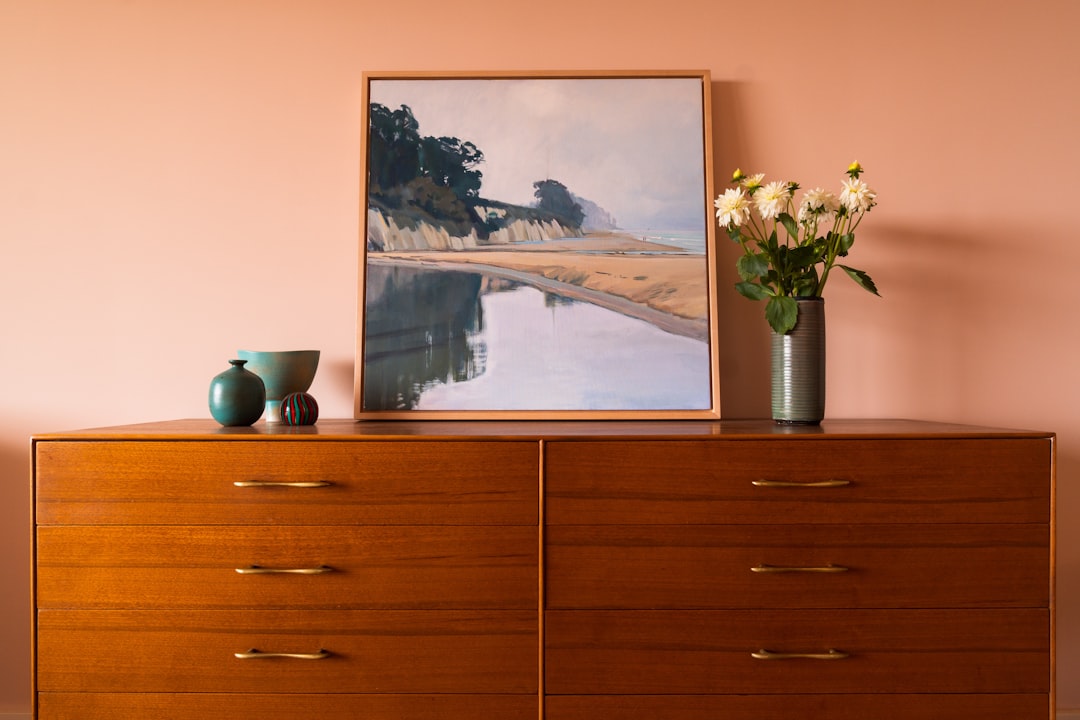
Test drawers, doors, and hinges for smooth operation without wobbling. Loose screws or misaligned tracks can compromise long-term durability. Ensure the sideboard sits level on the floor to prevent stress on its structure.
Inspect for uniform color and sheen under different lighting angles. Streaks, blotches, or dull spots may reveal improper application of varnish or paint. Pay special attention to corners and hard-to-reach areas where coverage often falters.
Check for smoothness and uniformity across the entire surface. Look for scratches, dents, or uneven staining that may indicate poor craftsmanship. Ensure edges are properly sanded and free from splinters or rough patches.
Examine where panels or sections meet for tight, seamless connections. Gaps or misaligned joints suggest rushed assembly or low-quality materials. Run your hand along seams to detect unevenness or protruding glue residue.
Delivery charges for sideboards typically run flat-rate—$80–$120 islandwide, though some retailers tack on $30–$50 if you need the piece carried upstairs or positioned in a specific room. That’s worth clarifying upfront; what counts as “delivered” varies wildly between a ground-floor porch drop-off and actual placement in your Tampines condo’s dining area. Humidity exclusions hide in warranty small print too—most cover 3–5 years for structural defects, but warped veneer from Singapore’s 80% average humidity often gets classed as “environmental damage”.
Warranty claims hinge on two details homeowners overlook: the original packaging (keep those polystyrene corner protectors for at least a month) and whether the retailer subcontracts repairs. Cheaper brands frequently outsource to third-party handymen who’ll show up with mismatched stain pens—Megafurniture’s in-house team handles their own claims, which matters when your espresso-ringed teak finish needs blending.
Pro tip: snap timestamped photos during unboxing. That hairline scratch near the drawer runner? Without proof it arrived damaged, you’re stuck arguing whether it happened during delivery or when your helper was rearranging the crockery. Same goes for moisture marks—if the delivery crew unwraps plastic packaging during our monsoon season, condensation can leave ghost rings on lacquer before you’ve even seen the piece in daylight.
Room-of-choice delivery often costs extra, but it’s the difference between a sideboard that fits perfectly under your BTO’s bulkhead and one that’s stuck in the lobby because the movers won’t navigate tight stairwells. Measure not just the furniture but your building’s lift dimensions—many modern condos have elevators too shallow for 200cm sideboards laid flat.
Mounting a TV on a sideboard? That 75–90cm height range suddenly matters more than you’d think — too low and you’ll crane your neck; too high and it dominates the room like a hospital waiting area screen. Aim for the TV centre at seated eye level (around 110–120cm from the floor), which usually means choosing a sideboard under 85cm if you’re pairing it with a 55-inch screen.
White laminate sideboards in open-plan living-dining spaces? They’ll show every fingerprint and kopi stain by week two. Matte finishes hide smudges better than gloss, but you’ll still want to wipe down high-contact areas like drawer fronts weekly with a microfiber cloth — water-based cleaners only, since alcohol degrades the adhesive under the laminate.
Pet owners eyeing sideboards should skip the wood veneers entirely. Opt for textured laminates instead — the ones with a slight grain pattern hide claw marks better than smooth surfaces. Darker tones (charcoal, walnut) camouflage scratches more effectively than light oak or grey, though you’ll still see the occasional gouge from an overexcited terrier.
Sideboards doing double duty as bar cabinets need deeper drawers — 45cm minimum if you’re stacking wine bottles horizontally. Glass-fronted upper cabinets might look elegant, but they’re a nightmare to keep organised; anything behind the glass needs deliberate styling, not just shoved-in cocktail shakers and half-empty bitters bottles.
Rubberwood legs are sturdier than MDF for homes with toddlers who treat furniture like climbing frames, but they’ll show water rings if you don’t coast your iced teh glasses.
In showrooms, buyers often focus on finish and colour — but it’s the mechanics that’ll trip you up later. Test every drawer in the sideboard, sliding them in and out to check for alignment; even a millimetre’s tilt can cause sticking or scraping over time. Weight distribution matters too — place a few hardback books or a small lamp on the display surface to see if the cabinet wobbles or tilts forward. Most sideboards sit flush against a wall, but uneven flooring in older landed properties can exaggerate these issues.
For landed homes, delivery access is a sticking point. Measure your doorframes — especially if you’re eyeing a 200cm-wide piece — and compare them to the sideboard’s dimensions. Many buyers forget that delivery teams won’t disassemble solid wood furniture for easier access; it’s worth checking stairwells and lift lobbies too. If you’re in a pre-war shophouse or a narrow terrace, consider modular units or a two-piece sideboard that can be manoeuvred separately.
Singapore’s humidity can warp drawers and doors if the wood isn’t properly treated. Look for signs of uneven gaps or sticking in showroom models — these are red flags for how the piece will age in your home. It’s not just about aesthetics; a misaligned drawer can make daily use frustrating, especially in high-traffic areas like living-dining layouts.
Finally, think about where the sideboard will live. In a 4-room BTO, it might double as a media console or bar cabinet — test the height against your TV or wine glasses. For larger landed properties, consider how the piece will balance the room’s proportions. A 90cm-tall sideboard can dominate a low-ceilinged space but feel lost in a lofty living room.