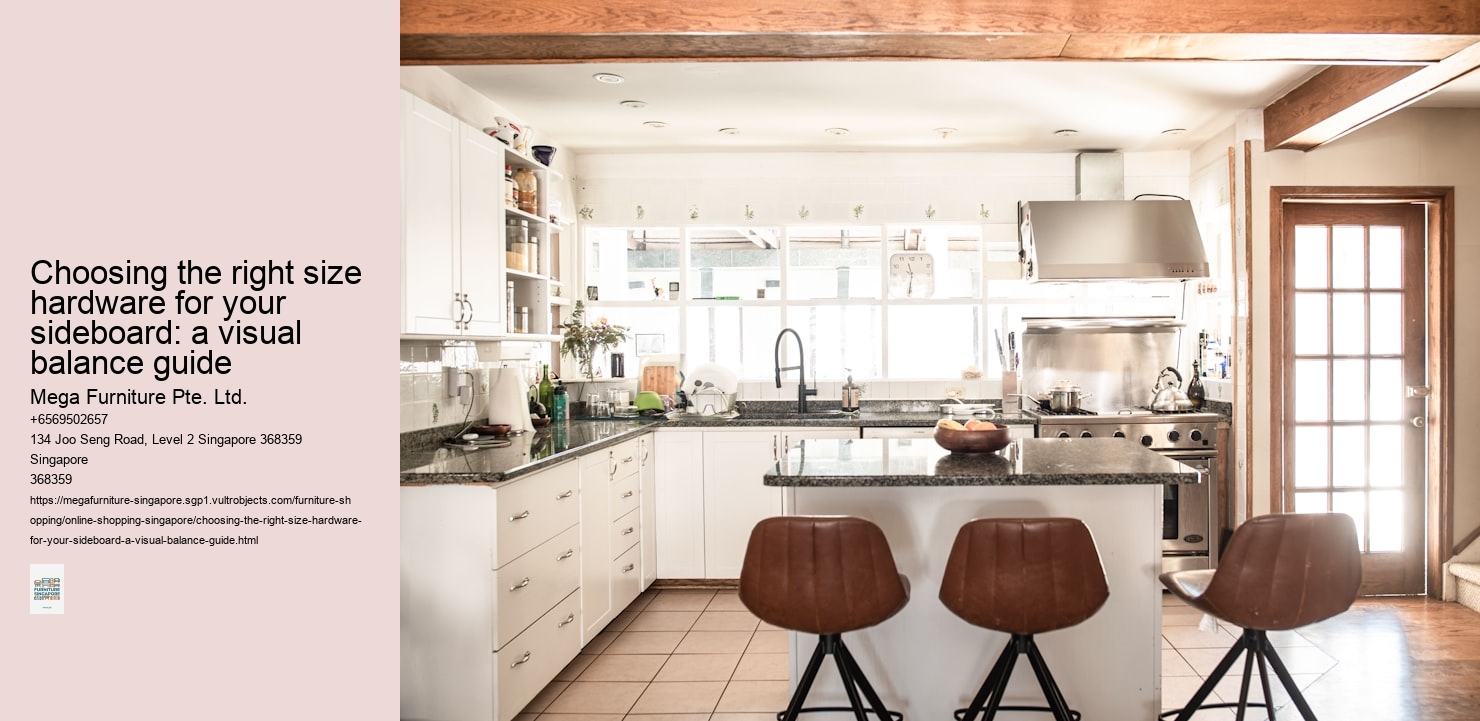
In most HDB flats, the living room wall stretches 3.6 metres — just enough for a slim sideboard and a TV console, but not much else. That’s why sideboards around 150cm work best here; anything longer risks crowding the space or forcing an awkward overhang into the narrow 2.8m corridor. Condo layouts, with living rooms typically at 4.2m, offer more flexibility — a 180cm sideboard fits comfortably, leaving room for a pair of armchairs or a small coffee table without feeling cramped.
Landed properties, though, are where sideboards really shine. Hallways and living areas often exceed 5m, creating a natural canvas for statement pieces. A 200cm sideboard can anchor the room, doubling as a bar cabinet or media console without overwhelming the space. Just remember to leave at least 60cm clearance on either side for easy movement — especially in dual-function dining-living layouts, where traffic flow matters.
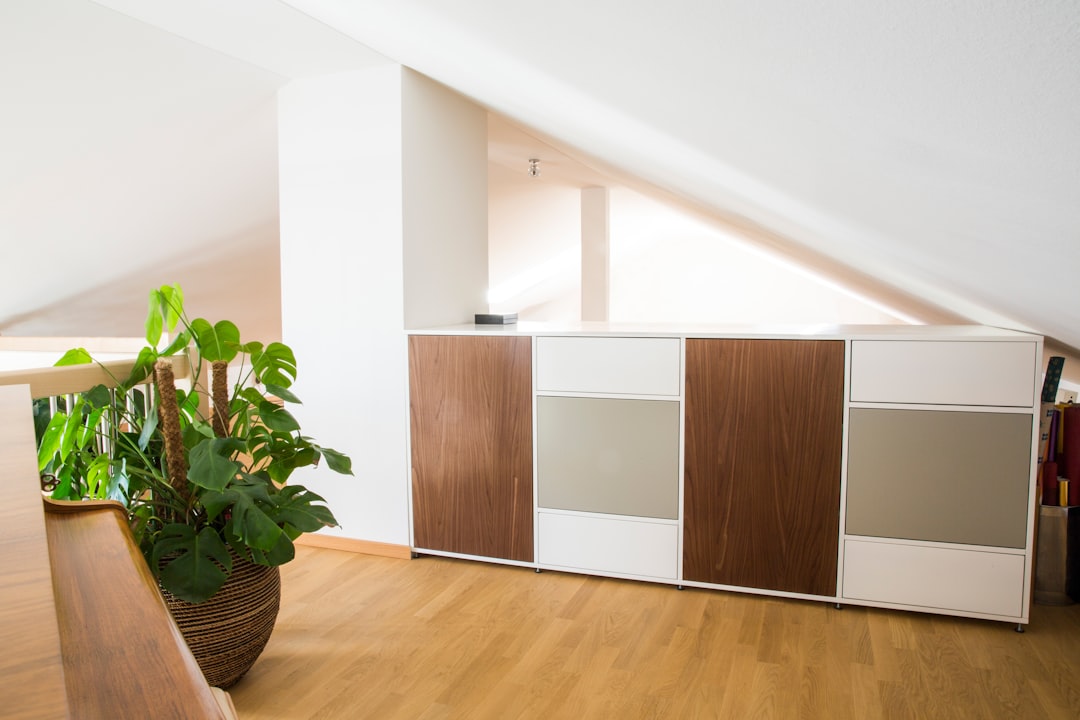
Material choice plays a role too. In smaller spaces like HDB flats, lighter finishes — think oak or ash veneer — help keep the room feeling airy. For larger homes, darker tones like walnut or mahogany add depth without shrinking the space. And while sideboards are versatile, they’re not one-size-fits-all — measure twice, buy once.
In Singapore’s relentless humidity, MDF sideboards often warp within a year — a frustration familiar to anyone with a Kallang or Bedok flat. Solid teak, on the other hand, holds up remarkably well; its dense grain resists moisture absorption, even in spaces with minimal air-conditioning. For buyers prioritising longevity, it’s worth the premium — especially in dual-function living-dining layouts where humidity fluctuates daily.
Handles matter more than most realise. Brass may look elegant at first, but by the second monsoon season, it’s already tarnishing. Powder-coated metal handles, typically matte black or brushed nickel, fare much better — they’re resistant to corrosion and easier to clean, even in high-traffic areas. It’s a small detail that can save hours of maintenance over time.
Drawer runners and hinges are another hidden vulnerability. Cheap stainless steel often rusts in humid conditions, leaving drawers sticky or misaligned. Look for sideboards with galvanised or zinc-plated hardware; these finishes offer better protection against moisture, ensuring smooth operation for years. In a city where 80% RH is the norm, these choices aren’t just practical — they’re essential.
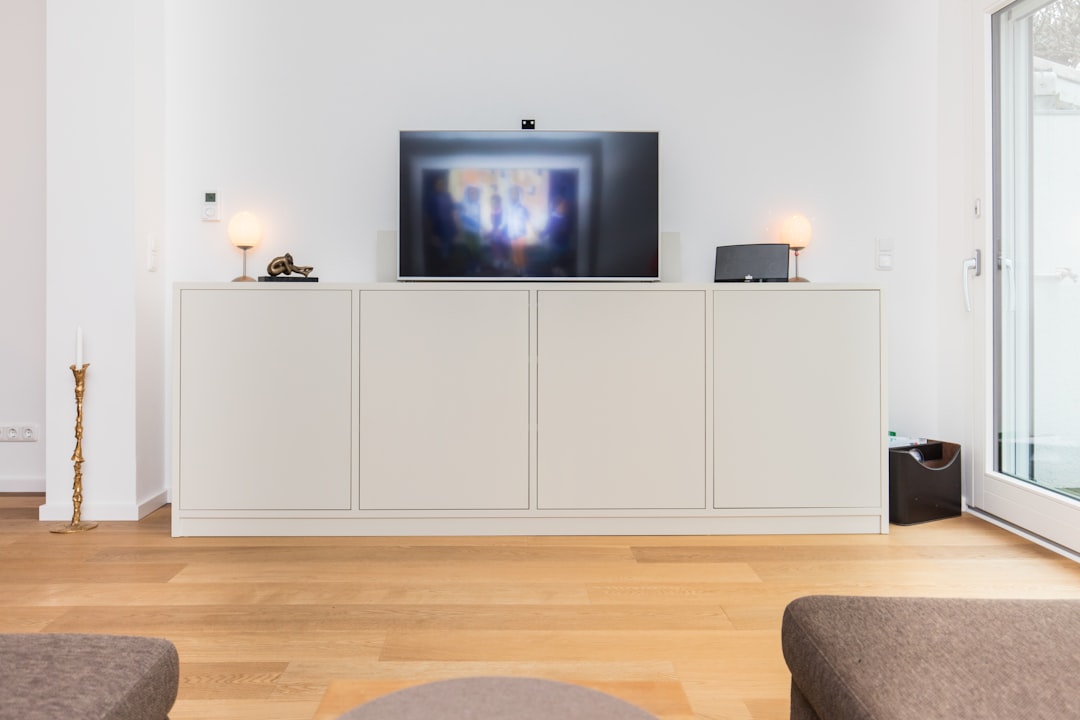
For the top surface, avoid veneers that peel or crack. Solid wood or sintered stone are smarter bets; they’re less prone to warping and easier to maintain with a quick wipe-down. In many landed properties, where sideboards double as bar cabinets or display surfaces, durability isn’t just a bonus — it’s a necessity.
Drawer glides tested under 15kg loads at the Joo Seng outlet demonstrate durability crucial for sideboards in high-use areas. Smooth operation ensures easy access to stored items, reducing wear over time. Homeowners with dual-function dining-living layouts particularly benefit from this feature, as sideboards often double as media consoles or bar cabinets. The glides’ robustness also supports heavier items like dinnerware or electronics, maintaining functionality without compromising design. This attention to hardware detail elevates the sideboard from mere storage to a versatile furniture piece.
The Tampines branch showcases sideboards paired with SG-standard 2.4m dining tables, emphasising cohesive design in larger spaces. The top surface serves as both a functional display area and a decorative element, accommodating everything from art pieces to serving trays. In many homes, this surface becomes a focal point, blending practicality with aesthetic appeal. The seamless integration with dining tables ensures a unified look, particularly in open-plan layouts. This thoughtful pairing highlights the sideboard’s role in enhancing both form and function.
Sideboards offer concealed storage in cupboards and drawers, ideal for organising dining essentials or living room clutter. Their design caters to homeowners seeking sophisticated alternatives to standard TV consoles, providing ample space without sacrificing style. The 75–90cm height ensures accessibility while maintaining a low profile, suitable for modern interiors. Clever compartmentalisation allows for categorised storage, from tableware to media accessories. This versatility makes sideboards a practical choice for condominiums and landed properties alike.
Rubberwood and sintered stone are popular materials for sideboards, balancing durability with aesthetic appeal. Rubberwood’s natural grain complements various interior styles, while sintered stone offers a sleek, modern finish resistant to scratches and stains. These materials ensure longevity, even in high-traffic areas like dining rooms or living spaces. Homeowners can choose finishes that match their existing décor, from warm wood tones to cool, contemporary hues. The careful selection of materials underscores the sideboard’s role as both a functional and decorative piece.
Originally designed for dining rooms, sideboards have evolved to suit modern living spaces as media consoles or bar cabinets. Their long, low profile fits seamlessly into open-plan layouts, creating visual balance without overwhelming the room. Design-forward shoppers appreciate the sideboard’s ability to blend storage with sophistication, offering a refined alternative to bulkier furniture. Whether used in a dining area or living room, the sideboard’s adaptability makes it a timeless addition to any home. This versatility ensures it remains a staple in both traditional and contemporary interiors.
Position hardware symmetrically, typically 2-3 inches from the top/bottom edges of drawers. For multiple drawers, maintain consistent spacing between pulls. Center knobs vertically and horizontally on each cabinet door for visual harmony.
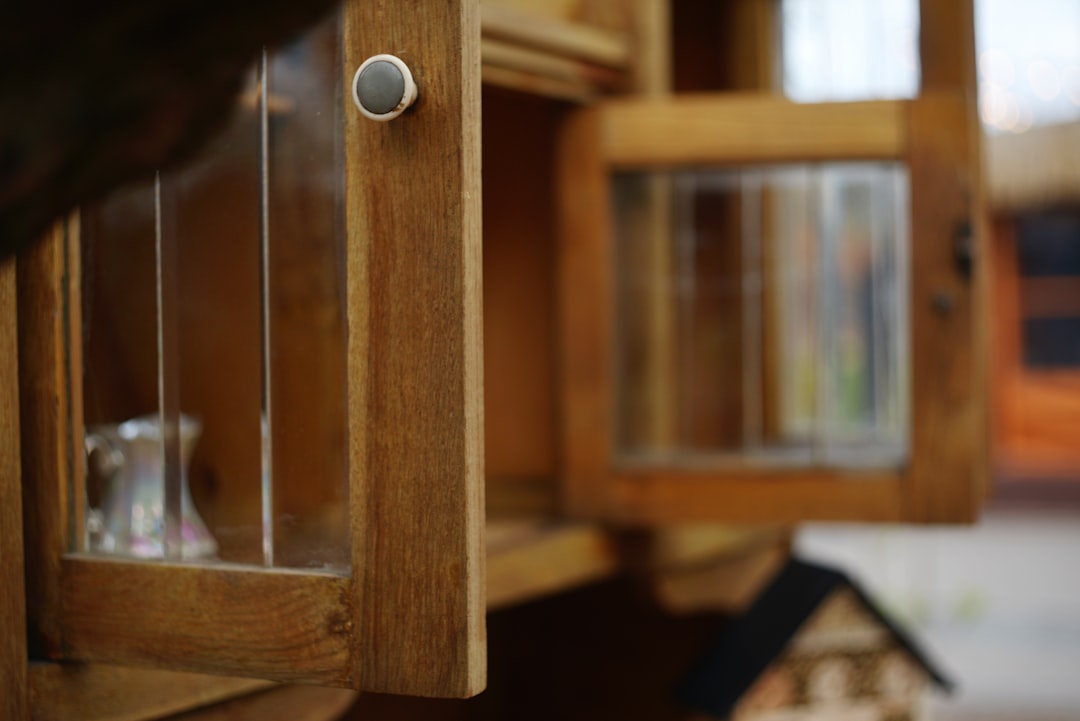
When selecting hardware, aim for pulls or knobs that are proportional to your sideboard's width. For wider pieces, opt for longer pulls or grouped knobs to maintain balance. Avoid oversized hardware on narrow sideboards, as it can overwhelm the design.
Match hardware finishes to existing accents like lamps or frames for cohesion. Contrasting finishes (e.g., brass against dark wood) create intentional focal points. Always test samples against your sideboard's material under different lighting conditions.
A 45cm-tall sideboard with 30mm knobs looks like a child’s dress-up jewellery — the proportions feel off before you even touch the drawer. Hardware scale follows the same logic as pendant lighting over a dining table: too small reads as an afterthought, too large overwhelms the piece. For sideboards under 60cm, stick to pulls under 25mm diameter or backplate-free knobs; anything wider starts competing with the cabinet’s clean lines.
Grey-walled condos with dark walnut sideboards play best with brushed nickel or aged brass — the cool-warm contrast keeps the hardware from disappearing against the wood. Matte black works too, but only if there’s another black accent within sightline (picture frames, lamp bases, media console legs). In sun-drenched living rooms, polished chrome can look harsh by midday; go for a lightly brushed finish instead.
That 90cm sideboard you’re eyeing? It’ll swallow anything under 35mm. Standard 40mm pulls create enough visual weight to balance the height without looking like barn door hardware. Exception: if the sideboard has shaker-style panelling or fluted details, you can drop to 30mm pulls — the grooves do half the decorative work.
Singapore’s dual-function spaces (dining doubling as workstations, living rooms moonlighting as bars) demand hardware that holds up under scrutiny. A 22mm knob might suit a bedroom dresser, but it’ll get lost on a sideboard storing both table linens and cocktail glasses. Scale for the room’s focal points, not just the furniture’s dimensions.
Rubberwood sideboards with factory-drilled holes limit your options — you’ll need to match the existing centre-to-centre measurements or commit to filling and redrilling. Solid wood can take the abuse; engineered wood often splinters at the edges.
The sideboard that fits perfectly against your living room wall suddenly blocks half the doorway when opened—because you measured the alcove but forgot to account for door swings in a 3m×3m HDB layout. It’s a common oversight, especially when eyeing those sleek 180cm-wide designs that leave just 30cm clearance for doors to graze past.
Glass tops might look elegant in showrooms, but they’re magnets for sticky fingerprints at 90cm height—exactly where toddlers’ hands land when cruising furniture. Opt for textured laminates or ceramic finishes instead; they hide smudges and withstand impromptu toy car races.
Another misstep? Overestimating storage needs. That extra-deep 50cm cabinet swallows serving platters you use twice a year, while daily essentials like router boxes and charging cables end up piled on top. Shallow drawers (15–20cm) with dividers often work harder in compact spaces.
Megafurniture’s sideboard collection includes space-saving options with recessed handles—no protruding knobs to catch passing hips in tight walkways. Just remember: even the prettiest hardware won’t compensate for a piece that forces you to sidle through rooms like a crab.
Moving a sideboard into a landed property often means disassembling the staircase handrail—those extra 5cm clearance requirements catch many buyers off guard. HDB lifts typically handle crates up to 180cm tall, but always verify with your building’s 210cm×80cm elevator dimensions first. Delivery crews will charge extra for hoisting furniture through windows if it won’t fit, and that’s before accounting for narrow stairwells in pre-2000 condos where even a 150cm sideboard becomes a two-hour puzzle. Assembly realities hit harder with sideboards than most furniture—their back panels often arrive as separate pieces to prevent shipping damage, requiring precise alignment of screw holes that don’t always match the diagrams. Mid-range models use cam locks that strip easily if overtightened; premium versions include metal corner braces, but you’ll still need a rubber mallet for those stubborn dowels. Pro tip: keep the packaging for at least two weeks—returning a piece with scratched legs from botched assembly usually requires original foam corner protectors. For landed homes, schedule deliveries before 3pm—after that, tropical downpours turn marble thresholds into slip hazards for crews carrying 80kg of solid wood. Condo dwellers should book lift reservations early (especially in Punggol or Jurong West BTOs where one service lift serves 400 units). Storage-conscious buyers might prefer Megafurniture’s modular sideboards that ship in flat packs—their
buffet hutch collectionfits most HDB lifts when boxed, though you’ll sacrifice some stability compared to pre-assembled units. The real test comes when positioning: that 200cm sideboard you measured twice still grazes the light switch because nobody accounted for the 15cm door swing. Installers see this weekly—they’ll suggest rotating the piece diagonally during placement, which works until you realise the left drawer now blocks the aircon remote. Better to temporarily remove door hinges than live with that 2cm gap forever.
Coastal Pasir Ris homeowners often find chrome finishes dulling faster than expected — salt air accelerates corrosion, especially in homes just a few hundred metres from the shoreline. For sideboards near windows or balconies, consider powder-coated handles or stainless steel accents instead; they’re less prone to pitting and discolouration. Regular cleaning with a mild soap solution helps, but don’t expect chrome to stay pristine beyond two years in humid, salty conditions.
Johor-made particle board tends to expand and contract with Singapore’s humidity, which can loosen screws over time. Check fittings every six months, especially around drawer runners and cabinet hinges — a quick tighten with a Phillips head screwdriver usually does the trick. For sideboards in high-traffic areas, like open-concept living-dining spaces, you might need to do this more frequently.
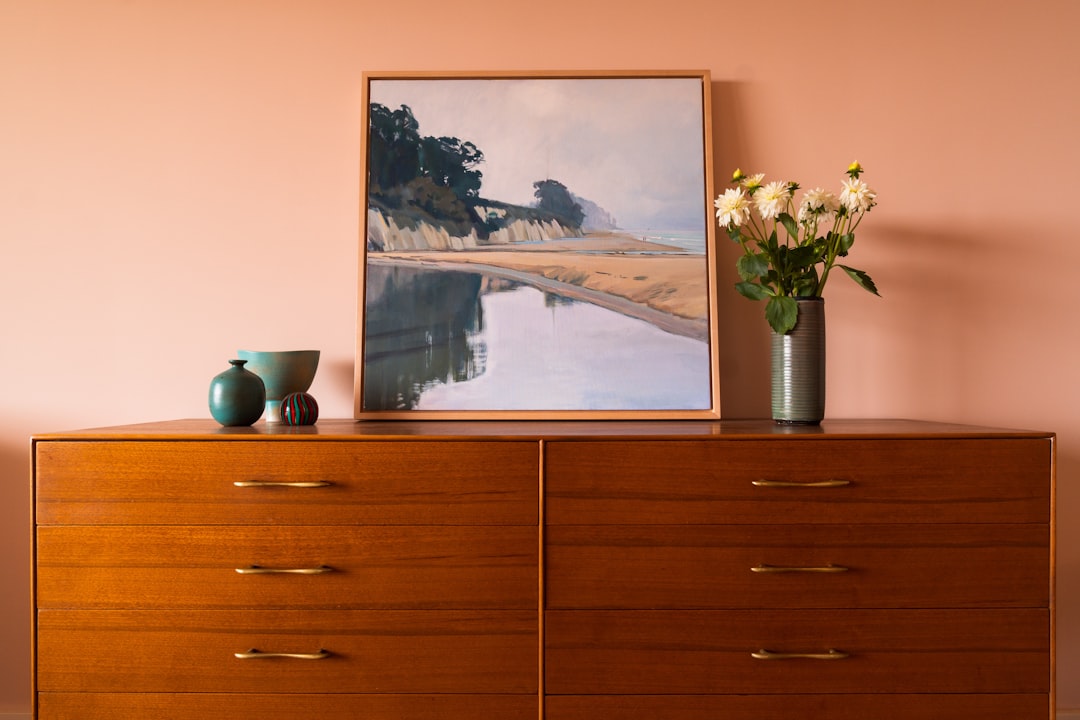
Some homeowners swear by applying a thin layer of beeswax to screw threads before assembly; it’s a simple hack that reduces friction and helps screws stay put. Just don’t overdo it — excess wax can attract dust and grime, which defeats the purpose. If you’re assembling the sideboard yourself, avoid overtightening screws; particle board splits easily, and that’s harder to fix than a loose fitting.
Hardware finish compatibility: matching to existing room accents
In many landed properties, electrical outlets sit 30cm above the floor — a height that seems practical until you slide a sideboard into place and realise the drawers won’t open. It’s an oversight that turns up more often than you’d think, especially in older homes where wiring wasn’t planned with modern furniture in mind. Before committing to a purchase, grab a tape measure and check the clearance; even a few centimetres can make the difference between functional storage and a frustrating design flaw.
Walkways matter just as much. A 60cm-wide path might feel spacious in isolation, but add a sideboard and suddenly it’s a tight squeeze. Lay down masking tape to map out the footprint of your chosen piece — this visual trick helps avoid surprises when the delivery arrives. It’s also a good way to test how much space you’ll have left for movement, especially in dual-function dining-living layouts where traffic flow is key.
Sideboards are versatile, but they’re not forgiving when it comes to placement. Those sleek drawers and cupboards need room to breathe, and the top surface — often used for displays or as a bar — shouldn’t feel cramped by nearby walls or furniture. Take the time to measure twice; it’s better to discover a potential issue with tape on the floor than with a bulky piece of furniture blocking your favourite walkway.