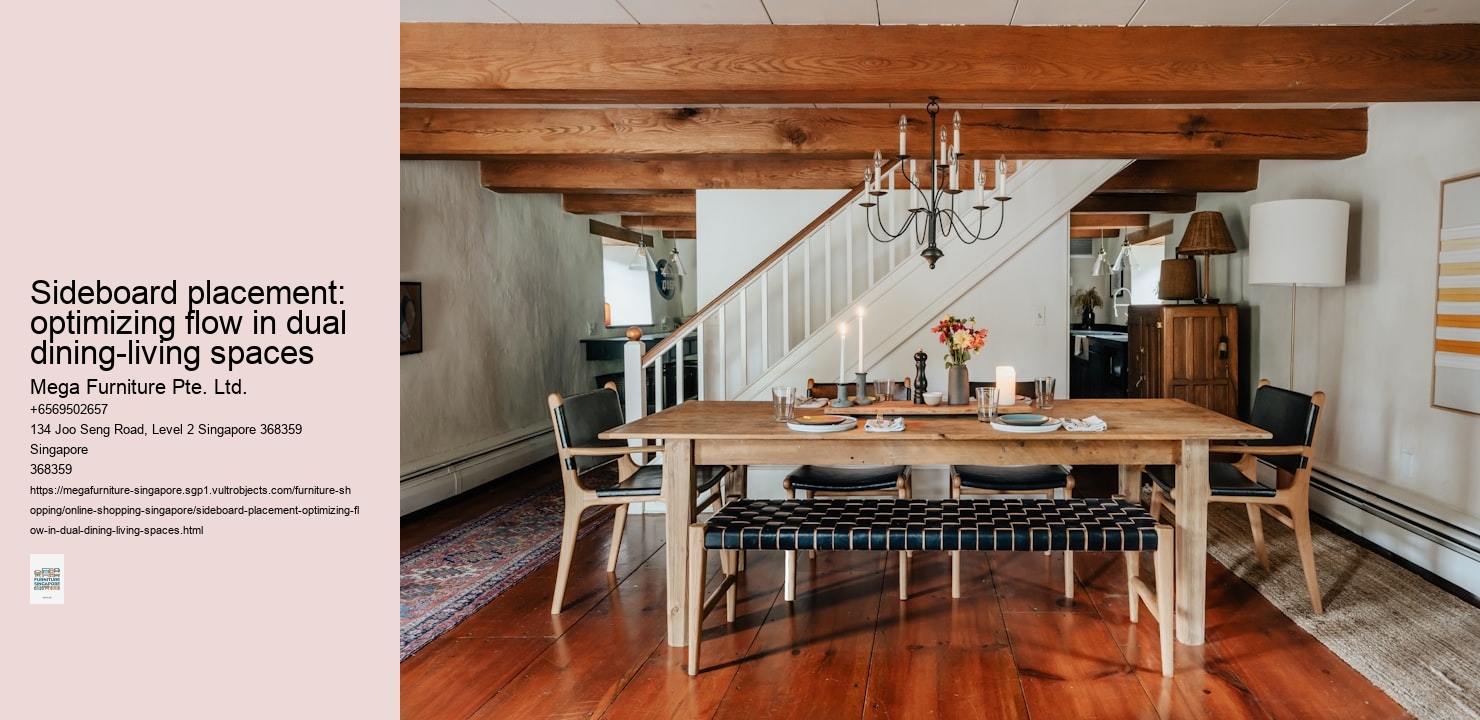
A 180cm sideboard fits neatly into a 12 sqm HDB dining area — but try the same in a landed property, and it’ll look like a child’s toy. In many HDB flats, especially those with dual-function dining-living layouts, depth becomes the deciding factor. Anything over 45cm risks blocking walkways, turning what should be a sleek storage solution into an obstacle course.
Condos and landed properties, on the other hand, offer more flexibility. A 200cm statement piece can anchor a spacious dining room without overwhelming it — though you’ll still want to leave at least 90cm clearance for chairs and movement. The extra width also means more storage, which is a bonus for homeowners juggling dual-purpose spaces.
For BTO flats, where space is at a premium, sticking to narrower dimensions is key. A sideboard under 45cm deep won’t eat into precious walkway space, and pairing it with wall-mounted shelving can maximise storage without cluttering the room. In smaller HDB layouts, it’s less about making a statement and more about keeping things functional.
Material choice plays a role too. Lightweight finishes like laminate or engineered wood work well in compact spaces, while heavier materials like solid wood suit larger homes where the sideboard can double as a focal point. Either way, balancing storage needs with spatial constraints is the real challenge.
Ultimately, the right sideboard isn’t just about measurements — it’s about how it fits into your daily flow. A well-chosen piece should feel like it’s always been there, not like it’s fighting for space.
Teak veneer holds up better than MDF in Singapore’s 80% humidity—the wood’s natural oils repel moisture, while MDF swells at the edges within two rainy seasons. Powder-coated steel legs outperform chrome or untreated metal; that thin white film isn’t just aesthetic—it’s the difference between a sideboard lasting five years versus fifteen. Avoid rattan unless it’s sealed with marine-grade varnish; uncoated strands trap moisture and start smelling musty by August.
Most sideboards in landed properties face worse humidity than HDBs—ground-floor storage near garden doors gets hit with condensation overnight. Teak’s dimensional stability makes it ideal for wide panels (150cm+), where MDF would warp. For painted finishes, look for polyester powder coating over standard lacquer; the former bonds at 200°C, creating a moisture barrier that won’t peel.
Monsoon season tests joinery—dovetail or mortise-and-tenon constructions resist racking when humidity swells the wood. Cheaper sideboards use staples or glue blocks that fail when moisture seeps into particleboard cores. A telltale sign: drawers that stick in June but rattle by September.
Megafurniture’s teak veneer options use waterproof PVA glue between layers, preventing delamination. Their powder-coated steel bases come with rubberised feet to prevent scratches on tiles—and more importantly, to stop capillary action from wicking moisture upward. For coastal areas like Pasir Ris or Sentosa Cove, that extra 3mm of clearance matters.
Rust stains on untreated metal legs usually start around screw holes—those tiny gaps let salt air creep in. Homeowners near East Coast Park report corrosion within eighteen months unless they opt for full stainless steel hardware. It’s the hidden cost of "industrial chic" finishes.
Maintain 30cm clearance around dining tables in combined spaces — this allows chairs to pull out without scraping walls or sofas. In 4m x 5m layouts, that leaves 70cm walkways when the table's centered. Tighten to 25cm clearance if using backless benches instead of chairs. Never let sideboards block primary circulation paths to balconies or service yards. Test clearance by sliding dining chairs out fully — if they graze your sideboard, reposition either piece.
Place sideboards perpendicular to windows to avoid casting shadows across seating areas during daylight hours. In north-facing HDB flats, position them along the darker wall opposite the window wall. Glass-fronted or mirrored sideboards bounce light better in narrow spaces. For evening use, install LED strip lighting under floating sideboards — warm white at 2700K mimics natural sunset tones. Darker finishes like walnut absorb light, so compensate with overhead spotlights.
Use sideboards as visual room dividers between dining and living areas without full partitions. Align the sideboard's rear edge with the sofa back to create implied boundaries. In open-concept layouts, match the sideboard's length to the dining table's — a 180cm table pairs with a 150-180cm sideboard. Floating designs with tapered legs maintain spatial continuity better than boxy units. For studio apartments, opt for backless designs that double as console tables.
Account for three movement types: serving dishes from sideboard to table, guests circulating during gatherings, and daily foot traffic. Allow 90cm clearance between sideboard corners and door swings. In high-traffic areas, avoid protruding handles or sharp hardware — consider push-to-open mechanisms. Corner placements work best when the sideboard's depth matches the adjacent furniture's (e.g., 45cm sideboard with 45cm-deep sofa). Always leave 50cm clearance between sideboards and ceiling fans.
Balance proportions by matching the sideboard's mass to nearby furniture — a chunky L-shaped sofa needs an equally substantial sideboard. Low-slung designs under 75cm height keep sightlines open in compact spaces. Dark finishes advance visually, making walls feel closer; light tones recede. For gallery walls above sideboards, maintain 30-45cm gap between cabinet top and lowest frame. Glossy surfaces require more frequent dusting in Singapore's humid climate.
Buyers often walk into showrooms with tape measures and floor plans, yet still overestimate corridor space in 99-year leasehold condos. A 1.2m corridor might seem generous until you’re manoeuvring a sideboard through it — especially one with a 200cm width that’s become popular for dual dining-living layouts. Showroom lighting and staging can be deceptive, masking how narrow passages feel once furniture is in place.
Glossy finishes are another common pitfall, particularly in high-rise units where dust accumulates faster. A sleek lacquered sideboard might look pristine under showroom spotlights, but it’ll highlight every fingerprint and speck of dust in a 24th-floor condo with floor-to-ceiling windows. Matte or textured finishes, like oak veneer or sintered stone, tend to fare better in Singapore’s humid, dusty environment.
Pet owners often overlook scratch-resistant laminates, opting instead for materials that look elegant but show wear quickly. A sideboard with a full-grain leather or bouclé finish might suit a landed property, but in a condo with cats or dogs, it’s likely to show scratches within months. Rubberwood or high-pressure laminate options, while less glamorous, can withstand daily wear without compromising on style.
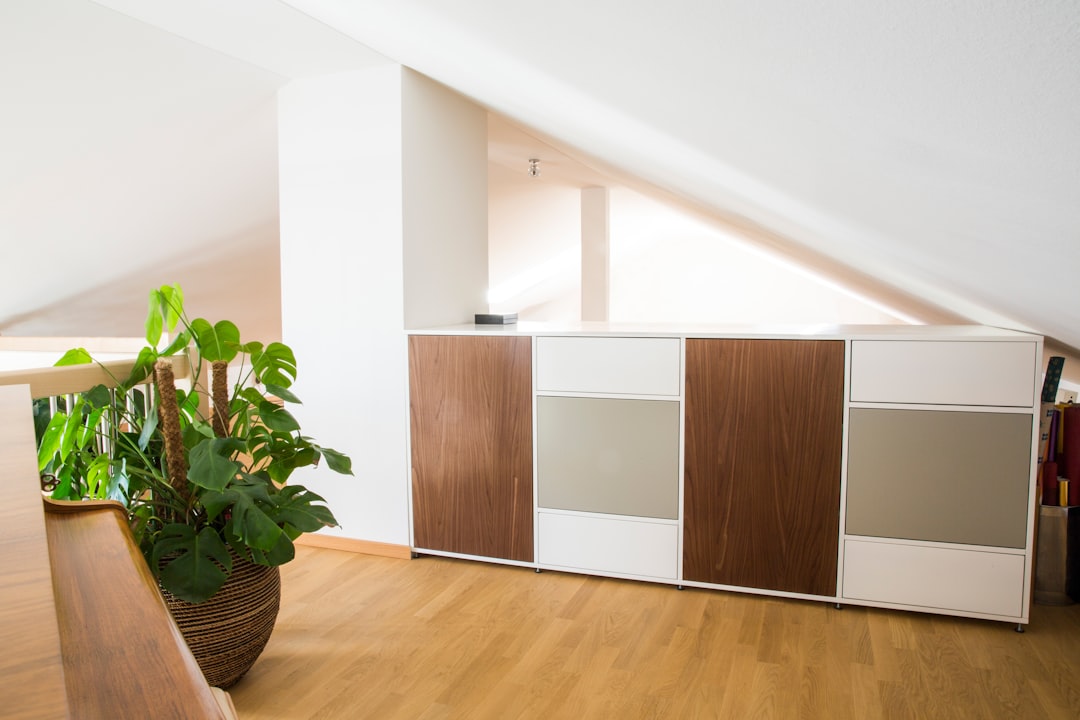
Showrooms rarely account for practicalities like storage needs in dual-function spaces. A sideboard might look perfect as a bar cabinet or media console, but buyers often forget to check if it has enough drawers or compartments for actual storage. In many homes, the top surface ends up cluttered with remotes, chargers, and decor — defeating the purpose of a streamlined design.
Megafurniture’s collection offers sideboards with both style and practicality in mind, like models with concealed storage and durable finishes. But even with careful planning, it’s easy to get swayed by showroom aesthetics — a mistake many buyers only realise once the piece is in their living room.
Sideboard return policies: understanding your rights as a consumer
The Joo Seng showroom’s 1:5 scale room mockups solve what online configurators can’t — testing whether a 180cm sideboard overwhelms a 4-room BTO’s dining zone when placed perpendicular to the kitchen entry. Their displays use actual HDB doorframe widths (typically 85–90cm), proving that teak-and-cane pieces like the Nami series leave 60cm clearance for traffic flow — crucial in dual-purpose spaces where someone’s always squeezing past with a laundry basket. Humidity warps cheaper veneers within months, but the Nami’s kiln-dried teak slats expand predictably. You’ll find slight seasonal gaps in the cane weaving (wider in February’s dryness, tighter during November’s monsoons) — a non-issue compared to Robertson Quay imports that crack at the first sign of aircon usage. The showroom keeps samples in a humidity-controlled glass box cycling between 60–90% RH, so you can watch how materials behave before committing. For sideboards doubling as bar cabinets, the mockups demonstrate sightlines from common seating positions. A 75cm height keeps bottles visible yet out of toddler reach; 45cm depth accommodates standard wine racks without protruding into walkways. Staff will rearrange the miniature sofas and dining sets on request — try it with your flat’s exact dimensions scribbled on their grid mat. The Somnuz® mattress testing corner isn’t just for naps. Lie down to judge whether a sideboard’s upper drawers will knock your knees when opened — a frequent oversight in 12 sqm bedrooms where beds sit flush against storage walls. They’ve got
samples in espresso and driftwood finisheswith the same scratch-resistant coating used on yacht decks. No need to guess if that rattan accent panel matches your existing light fixtures. The showroom’s east-facing windows bathe displays in the same harsh afternoon glare most Singapore living rooms endure. Watch how the teak’s undertones shift from honey to caramel between 3–5pm — that’s when you’ll notice which stains just look cheap.
Delivery teams will often refuse jobs outright if the sideboard exceeds 190cm in length — a common HDB lift landing clearance limit. Even landed properties with service elevators present challenges; third-party couriers frequently decline these deliveries due to narrow stairwells or awkward turns. That’s where specialised in-house teams come in, familiar with navigating landed property quirks like low ceilings or tight corners.
For larger sideboards, assembly can’t be an afterthought. A 200cm model might arrive flat-packed, but it’ll need two people to manoeuvre and secure it properly — something many homeowners underestimate. In many landed properties, the team might disassemble doors or remove railings just to get the piece into place. It’s not uncommon for a straightforward delivery to stretch into a half-day project.
Budgeting for delivery is another overlooked factor. While HDB flats typically cost less to service, landed properties often incur higher fees due to the extra time and effort required. Some teams charge by the hour, especially if they’re dismantling fixtures or reassembling furniture onsite. It’s worth clarifying these details upfront to avoid unexpected costs.
Sideboards aren’t just about storage — they’re often the focal point of a room. But if it doesn’t fit through the door, it’s just a headache. Measure twice, check lift dimensions, and confirm delivery specifics before committing. After all, a sideboard that arrives smoothly is already halfway to transforming your space.
Singaporeans eyeing sideboards often hesitate at three practical concerns — will it crowd their 3.5m living room, survive their cat’s acrobatics, and justify the price when a buffet cabinet looks similar? The answers hinge on centimetres, materials, and warranty fine print.
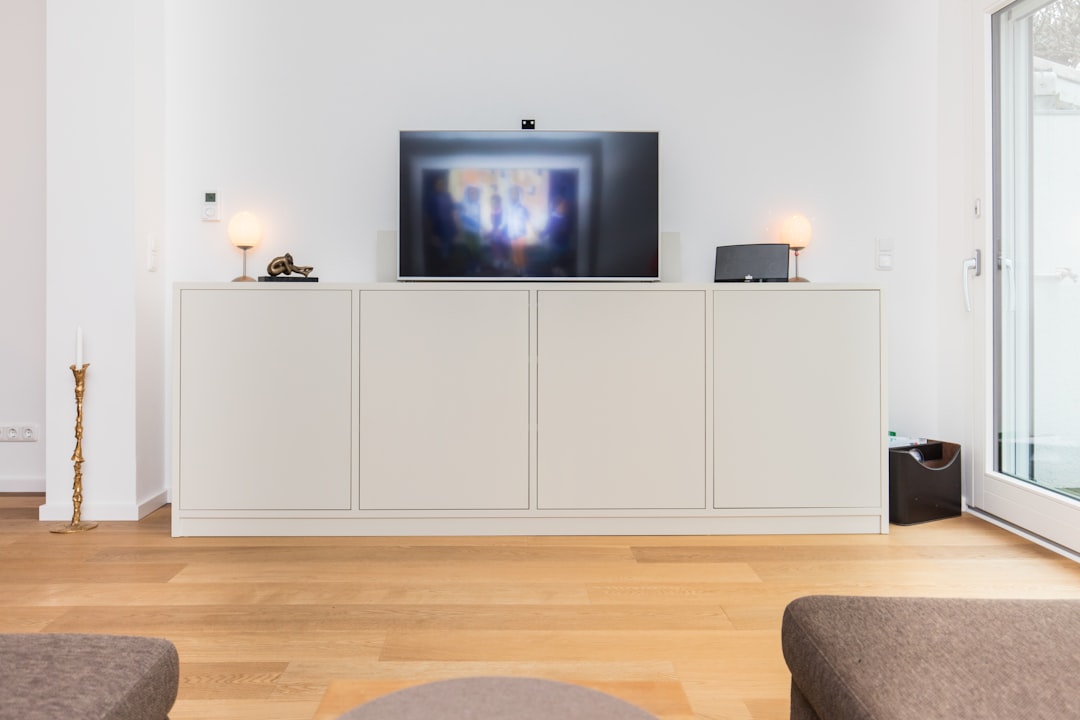
A 180cm sideboard can replace a TV console if you leave 60cm clearance on either side — tight but workable in many 4-room BTO layouts. Go for wall-mounted or tapered-leg designs to preserve visual floor space; avoid chunky bases that’ll make the room feel hemmed in.
Cat owners should skip rattan fronts and thin veneers — a single claw drag ruins the finish. Powder-coated metal legs withstand scratching better than stained oak, while laminate tops handle spilled water bowls without warping.
Buffets are taller (90–110cm) with deeper storage for serving dishes, while sideboards prioritise display surface at 75cm height. That 15cm difference matters when you’re pairing it with a 75cm dining table — mismatched heights look awkward.
Warping warranties vary wildly. Solid wood guarantees typically cover defects for 1–2 years if humidity stays under 70%, but laminate warranties often void for moisture damage. Check if the policy requires proof of dehumidifier use — some retailers demand it.
A sideboard wedged against a wall with no power outlet access is just a very expensive shelf. Measure socket heights before committing — most media setups need at least one plug behind the unit, and you’ll curse every time you have to yank it forward to unplug the router.
BTO door swings are the silent killers of furniture placement. That 85cm-wide sideboard might fit on paper, but if it blocks the master bedroom door at 90 degrees, you’re either living with a perpetually ajar door or sawing 5cm off the cabinet legs. Sales staff at showrooms like Megafurniture’s Joo Seng location often catch these issues if you bring photos of your floor plan — they’ve seen hundreds of layouts where buyers only notice the problem during delivery day.
Rubberwood sideboards around 75cm tall typically clear standard Singapore electrical sockets (30cm from floor), but check your actual wall. Older HDB flats sometimes have sockets at knee height, while some condos position them oddly high for wall-mounted TVs. If you’re converting the unit to a bar cabinet, factor in small appliances: a 20cm clearance above the surface lets you slide a coffee machine or wine fridge underneath without fighting cords.
The worst missteps happen when buyers measure the space but forget about human movement. A 180cm sideboard might technically fit along a 190cm wall, but that leaves no room for elbows when someone’s serving food or adjusting the soundbar. In dual-purpose dining-living spaces, allow at least 40cm clearance between the sideboard and dining chairs — enough to walk through without turning sideways.
Showroom lighting can distort depth perception. What looks modest under spotlights might dominate a real living room. Tape the dimensions on your floor with masking tape for three days; you’ll quickly realise if that 200cm behemoth turns your walkway into an obstacle course.
Choose a sideboard depth matching your dining chairs' clearance (typically 18-24 inches) to maintain walkability. For narrow spaces, opt for a console-style sideboard under 12 inches deep. Ensure proportional length—neither overwhelming the dining area nor dwarfing the living zone.
Open shelving on the living side displays decor while closed cabinets face the dining area for dish storage. Incorporate soft-close drawers to minimize noise disruption. Leave 36+ inches between sideboard and sofa for circulation lanes.
Use a low-profile sideboard (under 30" tall) to preserve sightlines between zones. Contrasting finishes (e.g., matte dining side vs. glossy living side) subtly define areas. Position centered on the shared wall for balanced visual weight.