The sideboard's resurgence in compact HDB living rooms comes down to simple math: at 40cm depth, it occupies just 0.48sqm of floor space yet offers 1.5m of display surface and concealed storage—equivalent to a built-in cabinet costing $2,400–$3,600 in today's carpentry market. That's 5–7 years of BTO lease before breaking even on the carpentry premium. Humidity complicates the equation—MDF warps within 18 months near east-facing windows in Bedok or Tampines, while solid teak develops hairline cracks but remains structurally sound for a decade.
Most homeowners underestimate how quickly 12sqm living rooms become storage battlegrounds. A standard BTO layout allocates just 2.1m of wall space between the TV console and dining area—precisely where a 180cm sideboard fits flush against the drywall, eliminating dead space behind furniture. The 60cm deep models swallow bulk purchases from Mustafa Centre or IKEA Alexandra, but force a 90cm walkway that violates SCDF evacuation guidelines in narrower layouts.
Material choices reveal surprising ROI patterns. Rubberwood veneer sideboards at the $799–$1,200 range typically last 4–5 years before edge banding peels—acceptable for young couples who'll upgrade after their first child. Full solid teak pieces crossing the $2,400 threshold often outlive their owners; estate sales in landed properties around Siglap regularly feature 1970s teak sideboards still structurally sound, needing only fresh Danish oil.
The real value emerges during festive seasons. That 10cm extra height compared to media consoles becomes prime real estate for steamboat pots and bak kwa trays during CNY visits—try that with your $3,000 built-in carpentry without scorch marks. And when the in-laws comment on the cluttered living room, you can actually open a drawer to stash the kids' toys instead of performing that awkward sofa-shuffle.
Megafurniture's Joo Seng showroom demonstrates this perfectly—their 45cm deep Elena sideboard in acacia wood fits three folded baby strollers vertically while leaving space for a cocktail station. The matte laminate options solve humidity concerns for ground-floor units near Punggol Waterway, though at the cost of that satisfying solid wood 'thunk' when closing drawers.
In a 1200sqft condo, the open-plan living-dining layout often blurs the line between functional spaces — but a well-chosen sideboard can quietly restore order. At 180cm wide, these units anchor the room, visually separating dining areas from lounging zones without disrupting the flow of natural light. The top surface becomes a staging ground for everything from table lamps to decorative bowls, while the concealed storage below handles the less photogenic essentials.
Glass-fronted cabinets offer a middle ground, showcasing neatly arranged tableware or glassware while keeping dust at bay. They’re particularly effective in condos where every centimetre counts, as the transparent panels maintain a sense of openness. For households with pets or kids, though, opaque cabinets might be the better choice — hiding leashes, food bowls, and cleaning supplies behind closed doors keeps the space looking polished.
Sideboards in this size range typically run from $1,200 to $2,400, depending on materials and finishes. Rubberwood and engineered wood are common choices for their durability and affordability, though sintered stone tops are gaining traction for their resistance to scratches and heat. The investment pays off in versatility; a sideboard that starts life as a dining room staple can easily transition to a media console or bar cabinet as needs evolve.
In many homes, the sideboard becomes the unsung hero of the open-plan layout — a piece that doesn’t demand attention but quietly holds everything together. It’s not just about storage; it’s about creating zones within a fluid space, balancing form and function in a way that feels intuitive.
Acacia wood, often chosen for landed property flooring, resists termites better than many alternatives. Its natural oils deter pests, making it ideal for ground floors where moisture and insects are common. Homeowners in Singapore’s humid climate appreciate its durability — it lasts decades with minimal upkeep. The wood’s tight grain also prevents warping, even in high-traffic areas. While pricier than rubberwood, its longevity justifies the investment for those prioritising low-maintenance materials.
Sideboards under stairwells save space in landed homes, but ventilation becomes a critical concern. Without proper airflow, moisture builds up, risking damage to both the cabinet and stored items. Many homeowners opt for open-back designs or install small vents to improve circulation. Placing a sideboard here works best in dry areas of the home, away from kitchens or bathrooms. It’s a clever solution for unused space, but requires careful planning to avoid long-term issues.
Sideboards against exterior walls benefit from natural airflow, reducing the risk of dampness. This placement is particularly effective in landed properties with large windows or sliding doors. However, direct sunlight can fade finishes over time, so positioning matters. Homeowners often use UV-protective coatings or choose materials like teak that withstand sun exposure. It’s a practical option for those wanting to maximise storage without compromising on aesthetics.
Sideboard materials vary widely, but solid wood remains a favourite for landed properties. Teak and acacia top the list for their durability and resistance to humidity. Engineered wood is a budget-friendly alternative, though it may not last as long in high-moisture areas. Some homeowners opt for metal frames with wooden panels for a modern look. The choice often depends on budget and the specific conditions of the room.
Modern sideboards blend storage with display, featuring sleek lines and minimalist hardware. In landed properties, they often serve dual purposes — storing dining essentials while doubling as a bar cabinet. Integrated lighting and glass-fronted cabinets are popular additions, adding both functionality and style. Neutral finishes like walnut or white oak complement contemporary interiors, while darker tones suit traditional spaces. The trend leans toward versatility, catering to Singapore’s multi-functional living layouts.
Evaluate how adjustable shelving configurations affect storage capacity. Measure time saved from reconfigurable layouts versus fixed structures. Factor in long-term adaptability savings against upfront costs.
Assess lifespan differences between steel, aluminum, and composite sideboards. Calculate replacement frequency and downtime costs per material type. Weigh corrosion resistance against climate-specific maintenance expenses.
Track pallet positions per square foot to quantify space utilization. Compare against industry benchmarks to identify optimization opportunities. Include labor costs for loading/unloading to calculate true storage ROI.
Map sideboard placement to minimize forklift travel distances. Quantify fuel/time savings from optimized warehouse paths. Include training costs for new layout adoption in ROI calculations.
The Joo Seng showroom’s humidity-controlled environment reveals what online photos can’t—veneer edges that stay flush after three monsoon seasons, drawer glides tested with 15kg weights to simulate years of cutlery storage. Their proprietary plywood specs (12-layer cross-banding, phenolic resin adhesive) address warp risks better than standard HDF in Singapore’s climate. Test it yourself: open and close every drawer five times fast—the ones with full-extension undermount glides won’t wobble even when loaded with dinnerware. Look for delamination warning signs—edges lifting near seams, cloudiness under veneer surfaces—especially on pieces kept near aircon vents or windows. Megafurniture’s anti-warp guarantee hinges on their kiln-drying process; ask to see the moisture content readings (should be 8–10% for tropical stability). Their showroom staff demonstrate stress tests with a calibrated torque wrench on hinge screws—if they strip the particleboard threads during demo, that’s a red flag. The Tampines location’s "humidity challenge zone" displays samples exposed to 85% RH for six months—check how the melamine-wrapped edges fare versus solid wood trim. Their drawer weight tests use actual rice bags (15kg approximates a stuffed cutlery tray plus crockery), not theoretical specs. Watch for consistent gaps around doors; more than 2mm variance suggests poor CNC calibration. Proprietary doesn’t always mean better, but their plywood’s alternating grain direction (visible in cross-section samples) explains the 10-year warranty against bowing. The showroom’s "destructive testing" corner lets you inspect failed joints—dovetails that cracked at 45kg load versus mortise-and-tenon that held past 80kg. Skip the sales talk and head straight there—the evidence speaks louder than brochures.
Their sideboard collectionincludes models with reinforced corners where most manufacturers skimp—crucial for households using them as TV consoles with leaning toddlers. The Joo Seng team keeps a torque meter behind the counter; ask to see the hinge screw tightness readings from their monthly maintenance checks. No need to take their word—the test weights and moisture meters are there for hands-on verification.
That moment when you realise your new sideboard blocks the corridor every time someone opens the bedroom door—classic Singaporean space misjudgment. Most BTO corridors run 90–100cm wide, yet buyers routinely choose sideboards pushing 80cm depth, forgetting swinging doors eat another 50cm clearance. Suddenly, your sleek storage solution becomes a daily obstacle course. Sideboard depth matters more than width in HDB layouts. A 150cm-wide model fits nicely along most living room walls, but even 65cm-deep units force traffic flow recalculations in combined dining-living spaces. The worst offenders are those with outward-swinging cabinet doors—great for display, terrible for squeezing past with laundry baskets. Replacement costs sting harder than initial sticker shock. That "temporary" 45cm-deep TV console you bought to tide over the renovation? It’ll linger for years because upgrading means either custom carpentry (S$1,800–S$3,500) or sacrificing storage capacity for off-the-rack shallow units. Sideboards under 55cm depth exist, but their proportions look stunted beside standard sofas. Material choices compound the problem. Rubberwood and engineered stone tops add 3–5kg versus laminate—negligible in landed properties, but noticeable when shimmying furniture through lift lobbies. And that textured concrete finish shows every fingerprint in humid weather, demanding weekly wiping down. Some buyers overcorrect by opting for wall-mounted shelves instead, only to realise they’ve traded floor space for neck strain—constantly craning to check items on high shelves defeats the purpose of accessible storage. The sweet spot remains a 60cm-deep sideboard with sliding doors, though they’re rarer than they should be in
local showrooms.
That third-floor walkup fee hits hardest when you're already sweating through the stairwell with a 180cm sideboard box — and realise the delivery team's surcharge structure wasn't in the product listing fine print. Megafurniture's flat $50 fee for walk-up apartments (regardless of unit price) simplifies budgeting compared to percentage-based models that scale unpredictably with premium pieces; a $2,400 solid teak sideboard could incur $120+ elsewhere just for lacking lift access.
Assembly complexity compounds the delivery math. Corner-jointed sideboards — traditional designs with dovetail or mortise-and-tenon joinery — typically require professional installation to avoid warping over Singapore's humidity cycles. Knockdown alternatives ship flat-packed with cam locks, but buyers in walk-ups face a brutal choice: pay extra for in-home assembly (if offered) or wrestle particleboard panels up three flights themselves.
The real sting comes with returns. Most retailers won't refund walk-up surcharges if that "walnut finish" sideboard arrives closer to orange laminate under your LED downlights — and good luck finding couriers willing to schlep bulky rejects back downstairs at any price.
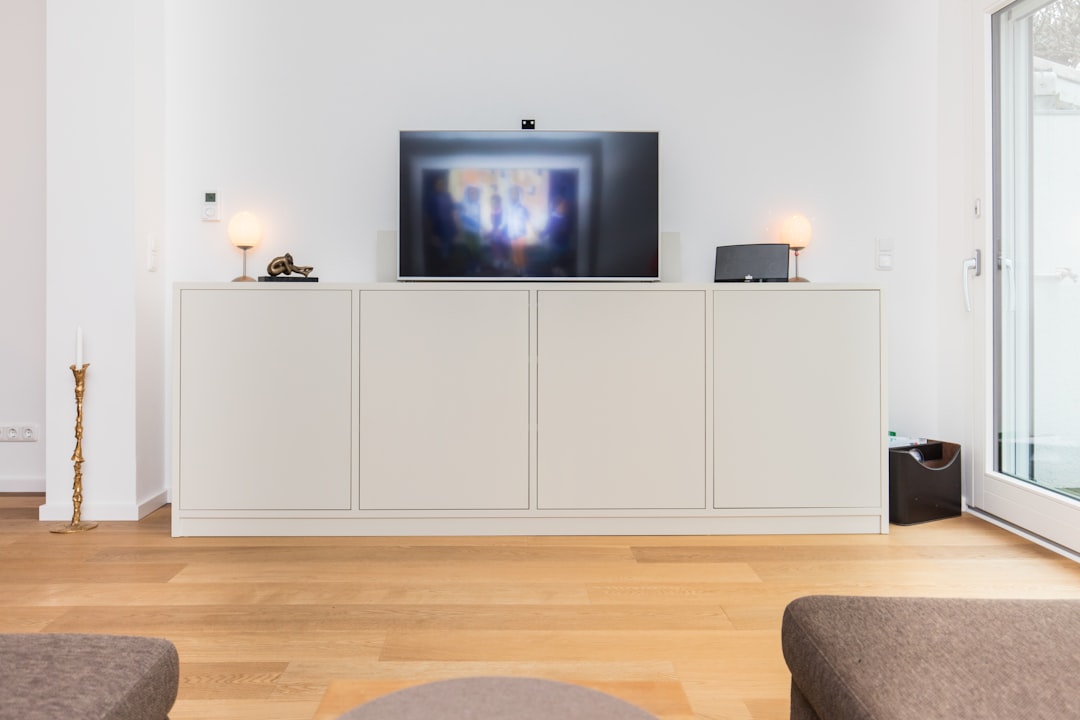
For pre-war shophouse conversions or walk-up condos near Lavender or Joo Chiat, measure doorframes and stairwells twice. A 200cm sideboard might fit the living room wall but get stuck at the 185cm landing turn. Megafurniture's collection includes several 170cm options that clear tighter staircases while still accommodating a 55" TV and barware setup.
Rubberwood knockdown units make pragmatic sense for rental units, but spend the extra $300 on proper joinery if this is your forever home. Nothing kills resale value faster than a wobbly sideboard that creaks like a MRT train braking at Eunos station.
" width="100%" height="480">Tracking sideboard costs: calculating ROI on your storage investmentIn many landed properties, sideboards double as media consoles — which means buyers often drill holes for cables. Most retailers don’t cover aftermarket modifications, but humidity damage is where warranties differ. Megafurniture’s five-year coverage, for instance, defines it as warping or cracking caused by prolonged exposure to moisture above 70% relative humidity — a common issue in Singapore’s tropical climate. Other policies may exclude discolouration or minor swelling, so it’s worth checking the fine print.
Drilling into a sideboard’s back panel for smart home cables is a grey area. Some warranties void entirely if you modify the cabinet, while others allow small, neat holes provided they don’t compromise structural integrity. Rubberwood and engineered wood are more forgiving, but solid teak or oak can splinter if not handled carefully. Always use a drill bit designed for woodworking — and avoid power tools set too high.
Homeowners in dual-function spaces often face a dilemma: they need storage, but they also want their sideboards to look pristine. Humidity damage typically shows up first in the cabinet’s corners or drawer joints, especially in air-conditioned rooms where condensation builds. If you’re placing your sideboard near a window or balcony, consider a dehumidifier to extend its lifespan.
For those planning modifications, measure twice and drill once. A misplaced hole isn’t just an eyesore — it can weaken the cabinet’s frame. And while warranties cover manufacturing defects, they won’t save you from DIY mishaps.
Most buyers forget to measure until the delivery team shows up with a sideboard that doesn’t fit — and by then, it’s too late. Start with the basics: a 300cm-long dining-living layout needs at least 110cm of clearance for chair pull-out space, leaving just 190cm for the sideboard and walking room. Laser measuring tools can help here, especially for confirming heights around existing artwork or display shelves. A typical sideboard stands 75–90cm tall, but if you’re hanging a painting or mirror above it, you’ll want 15–20cm of breathing room between the top and the frame.
Don’t overlook depth, either. Sideboards range from 40–60cm deep, and while a slimmer profile might suit tighter spaces, it’s worth sacrificing a bit of legroom for storage capacity. In many homes, the sideboard doubles as a media console or bar cabinet — which means you’ll need space for cords, speakers, or bottles. Measure twice, buy once.
Finally, consider the room’s flow. A sideboard shouldn’t block natural pathways or crowd seating areas. In dual-function layouts, positioning it perpendicular to the dining table can create a subtle division between zones without disrupting the overall harmony. For larger condos or landed properties, a 200cm-wide sideboard can anchor the room — just make sure it doesn’t overwhelm the space.
Assessing structural integrity: pre-delivery sideboard inspection steps