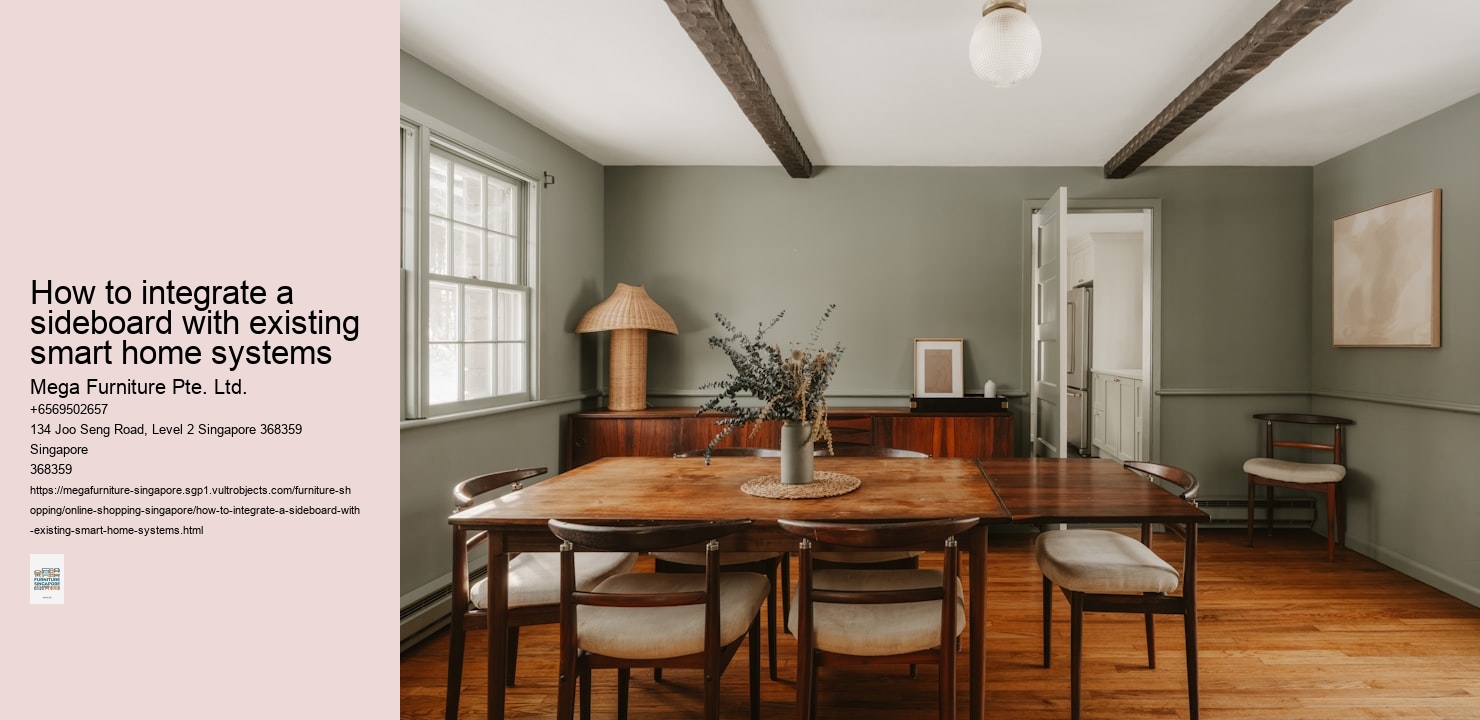
In a 4-room BTO flat, the dining area often doubles as a workspace — which is where a sideboard earns its keep. At 75–90cm tall and 150–200cm wide, it’s compact enough to slide into tight corners yet spacious enough to hold printers, stationery, and a stash of snacks. Humidity-resistant materials like rubberwood or sintered stone are non-negotiable; Singapore’s 80%+ humidity levels warp cheaper plywood within months.
Landed properties offer more flexibility, but that doesn’t mean buyers should default to oversized units. A sideboard in a Tampines semi-detached might anchor an open-concept living-dining space, doubling as a bar cabinet for weekend gatherings. In compact condos, like those near Eunos MRT, it’s common to see sideboards replace traditional TV consoles — their flat tops accommodate soundbars and routers while concealing cables in built-in drawers.
Placement matters as much as size. In dual-function layouts, a sideboard can act as a subtle room divider, separating dining and living zones without blocking natural light. Entryways in landed homes often benefit from a narrower unit, providing storage for keys and umbrellas without overwhelming the space. For buyers prioritising aesthetics, full-grain leather finishes or bouclé upholstery add a touch of sophistication without compromising functionality.
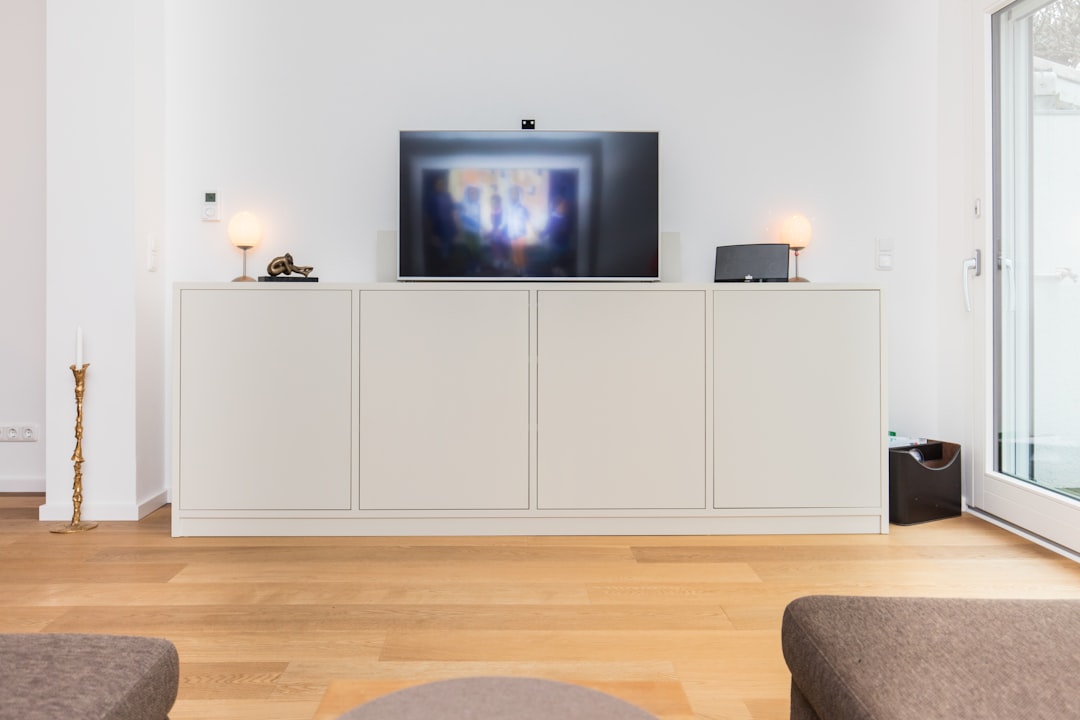
Smart home integration is increasingly a consideration. Sideboards with built-in power outlets and USB ports simplify cable management, while deeper units can house smart hubs like Google Nest or Apple HomePod. In many homes, these features turn an otherwise utilitarian piece into a central tech hub — discreetly blending storage and connectivity.
Choose a sideboard design that complements your smart home’s visual theme while maintaining practicality. Conceal wires and devices within the sideboard’s drawers or cabinets for a streamlined look. Balance functionality with style to create a cohesive living space.
Position the sideboard near voice assistant devices to enhance accessibility and functionality. Use the sideboard’s surface to place smart speakers or displays for seamless interaction. Ensure the sideboard’s material doesn’t interfere with sound quality or signal reception.
Ensure the sideboard dimensions align with your smart home setup by measuring the available space and verifying it accommodates devices like hubs or routers. Plan for cable management to maintain a clean and functional design. Avoid overcrowding by selecting a sideboard with adequate depth and shelving.
In Singapore’s humid climate, a sideboard’s finish can make or break its longevity — even in air-conditioned spaces, untreated solid wood tends to warp within months. Laminate or engineered wood, with their moisture-resistant properties, are the smarter choice for most homes, especially in areas like Bedok or Tampines where humidity lingers year-round. Look for sealed edges and smooth surfaces; these not only resist swelling but also make cleaning easier in spaces like 4-room BTO dining rooms, where sideboards often double as storage for tableware or bar essentials.
Quality hinges and drawer glides are non-negotiable in compact layouts. A sideboard in a 12 sqm HDB common bedroom might see daily use, from storing linens to housing tech gadgets, so flimsy hardware won’t hold up. Test the drawers — they should slide effortlessly, even when fully loaded, and close with a soft click. Sturdy hinges ensure that doors won’t sag over time, which is crucial for sideboards that double as media consoles in dual-function living-dining spaces.
For design-forward buyers, finishes like matte laminate or textured engineered wood offer both durability and a sophisticated look — think muted greys or warm neutrals that complement modern interiors. Avoid glossy finishes; they show fingerprints and dust too easily, especially in high-traffic areas like condominium living rooms. And while solid wood might appeal aesthetically, it’s best reserved for treated pieces in controlled environments — otherwise, it’s a gamble in Singapore’s climate.
Many buyers forget to account for the 15cm gap needed behind wall-mounted TVs when positioning sideboards. This creates a cramped look and blocks ventilation ports. In HDB flats with pre-installed TV brackets, measure from the wall outward — not from skirting boards. Sideboards deeper than 45cm often force sofas uncomfortably forward in 4-room BTO living areas. Always mock up the space with painter’s tape before committing.
Solid wood sideboards in coastal neighborhoods like Marine Parade or Pasir Ris develop hairline cracks within two monsoon seasons. Engineered wood with moisture-resistant veneers fares better, but check for rust-proof drawer glides. Dehumidifiers help, though most homeowners won’t run them daily. The real solution? Avoid placing units directly under aircon vents where condensation drips.
A 200cm sideboard in a narrow HDB corridor-style layout leaves just 60cm walking space — barely enough to pass with laundry baskets. Standard dining chairs need 75cm pull-out room, so allow 120cm clearance if using the sideboard as a buffet. Test pathways by walking through with arms full of grocery bags. Angled corners help in tight spaces near Eunos MRT flats.
That gorgeous marble top becomes a dumping ground for keys, receipts, and school permission slips within weeks. Open shelving units collect dust faster than expected in Singapore’s urban areas. Glass-fronted cabinets show off crockery but require weekly wiping. For low-maintenance homes, opt for sideboards with 70% closed storage and just one display niche.
Buyers splurge on sideboards matching current sofa colors, then regret it after redecorating. Neutral oak or matte black withstands trends better than bold teak stains. Modular units with stackable extensions suit growing families in Punggol or Tengah estates. Consider power outlets for charging stations — most showroom displays don’t account for cable spaghetti.
" width="100%" height="480">How to integrate a sideboard with existing smart home systemsThe humidity-resistant lacquer on Megafurniture’s sideboards isn’t just marketing fluff—it’s a necessity when your storage unit sits three metres from a steamy kitchen in a Pasir Ris terrace house. Their Joo Seng showroom lets you test drawer glides after spraying them with a water mist, an oddly satisfying stress test that separates decent hardware from the kind that’ll stick by next monsoon season.
Most sideboards in Singapore homes pull double duty as bar cabinets or media consoles, which means they need to withstand both condensation from chilled bottles and the heat dissipation of AV equipment. The 180cm-wide options at Megafurniture’s Tampines location come with pre-drilled cable management holes at varying heights—try threading a router power brick through them to see if the design actually works with your setup.
Their sales staff won’t bother you with brochures until you’ve spent ten minutes opening and closing every compartment—a tacit acknowledgement that buyers of solid wood furniture need to verify the heft of dovetail joints themselves. The darker walnut finishes hide water rings better than you’d expect, though the matte grey oak remains their bestseller for HDB open-concept layouts where the piece transitions from dining to living zones.
You’ll find their sideboard collection leans toward 78cm heights, a deliberate choice to align with standard dining chair armrests when used as buffet servers. The lower 45cm-deep models fit flush against most BTO dining room walls while still leaving space for a passing human—a rare compromise between storage capacity and not bruising your hips daily.
One display unit at Joo Seng has a drawer front warped from deliberate overexposure to a humidifier, left there as both warning and proof of warranty claims. It’s the kind of transparency you only get when showrooms aren’t just staging areas for online orders.
How to maintain your sideboard's finish in Singapore's climate
A sideboard arriving in a landed property near Bukit Timah might take three days; the same piece could stretch to a week for a condo in Punggol. Delivery timelines in Singapore’s urban centres — Orchard, Marina Bay, Tanjong Pagar — are often faster, while neighbourhoods like Jurong West or Yishun tend to lag. Always confirm the estimated window before committing, especially if you’re planning around a renovation schedule or a housewarming event.
Assembly services are a mixed bag. Some retailers include it in the price, while others charge an additional $50 to $150, depending on the complexity of the piece. A sideboard with sliding doors or integrated lighting might require more hands-on setup than a straightforward cabinet. If you’re opting for DIY assembly, double-check that the instructions are clear — nothing’s worse than staring at a pile of MDF panels and mismatched screws at 10pm on a Saturday.
Warranty coverage is non-negotiable in Singapore’s humidity. Look for policies that explicitly mention protection against warping, mould, or moisture damage — common issues for sideboards placed near windows or in open-concept dining-living spaces. Rubberwood and teak are naturally resistant, but engineered woods like MDF or particleboard need extra safeguarding. A solid warranty should cover these materials for at least two years, though five is better if you’re investing in a higher-end piece.
Can a sideboard double as a TV console in a 4-room BTO living room? Yes, but buyer should measure first — most sideboards sit at 75–90cm tall, which works for wall-mounted TVs around 50–55 inches. Anything larger risks awkward viewing angles, especially in compact HDB layouts. Width matters too: a 150cm sideboard fits snugly under a 55-inch TV, while 180cm models suit wider living rooms in landed properties.
Laminate or treated engineered wood are the go-to materials for SG’s humidity. Solid wood might warp over time, especially in east-facing flats near Bedok Reservoir or Tampines, where morning moisture lingers. Laminate’s moisture-resistant finish keeps it looking sharp, even in high-humidity months. Engineered wood, with its layered construction, offers similar durability — just avoid untreated veneers that peel in damp conditions.
Cleaning’s straightforward: a damp cloth works for most spills. Avoid soaking the surface — water pooling can seep into seams, causing swelling or discolouration. For stubborn stains, mild detergent diluted in warm water does the trick. Weekly dusting keeps the finish intact, especially in homes with pets or near construction sites like those around Eunos or Aljunied.
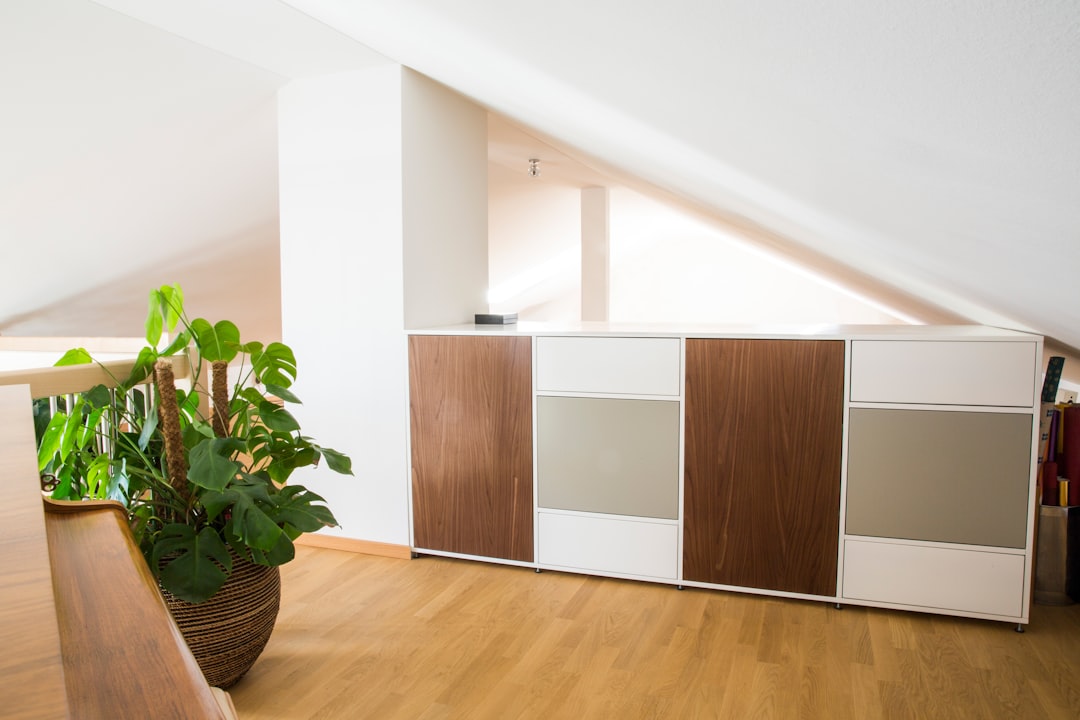
Sideboards aren’t just storage — they’re display surfaces. In many homes, they hold smart home hubs, soundbars, or even a curated lineup of books and decor. Just make sure there’s enough depth (around 40–50cm) to accommodate everything without crowding. Too shallow, and it feels cluttered; too deep, and it eats into precious floor space.
For those with dual-function layouts, sideboards can anchor the space between dining and living areas. A well-chosen piece ties the room together — think of it as the Swiss Army knife of furniture, blending practicality with style.
In a landed property’s open-plan living-dining area, a sideboard that’s 10cm too wide can throw off the entire room’s flow. Measure twice — not just the wall space but also the clearance needed for doors, drawers, and movement around it. Humidity in Singapore’s tropical climate often warps untreated wood, so note the room’s moisture levels; kitchens and bathrooms adjacent to living spaces can push humidity above 60%, even with air-conditioning.
Functionality trumps looks in most SG homes. A sideboard might need to double as a media console or bar cabinet, so prioritise features like cable management holes, adjustable shelves, and drawer dividers. The glossy finish that caught your eye online might show fingerprints in a high-traffic area — a matte or textured surface often holds up better.
Before committing, visit Megafurniture’s showrooms to test the products firsthand. Open drawers, check sturdiness, and assess how the finish looks under different lighting — critical in Singapore’s unique conditions. A sideboard that seems perfect online might feel off in person, especially in larger spaces where proportions matter.