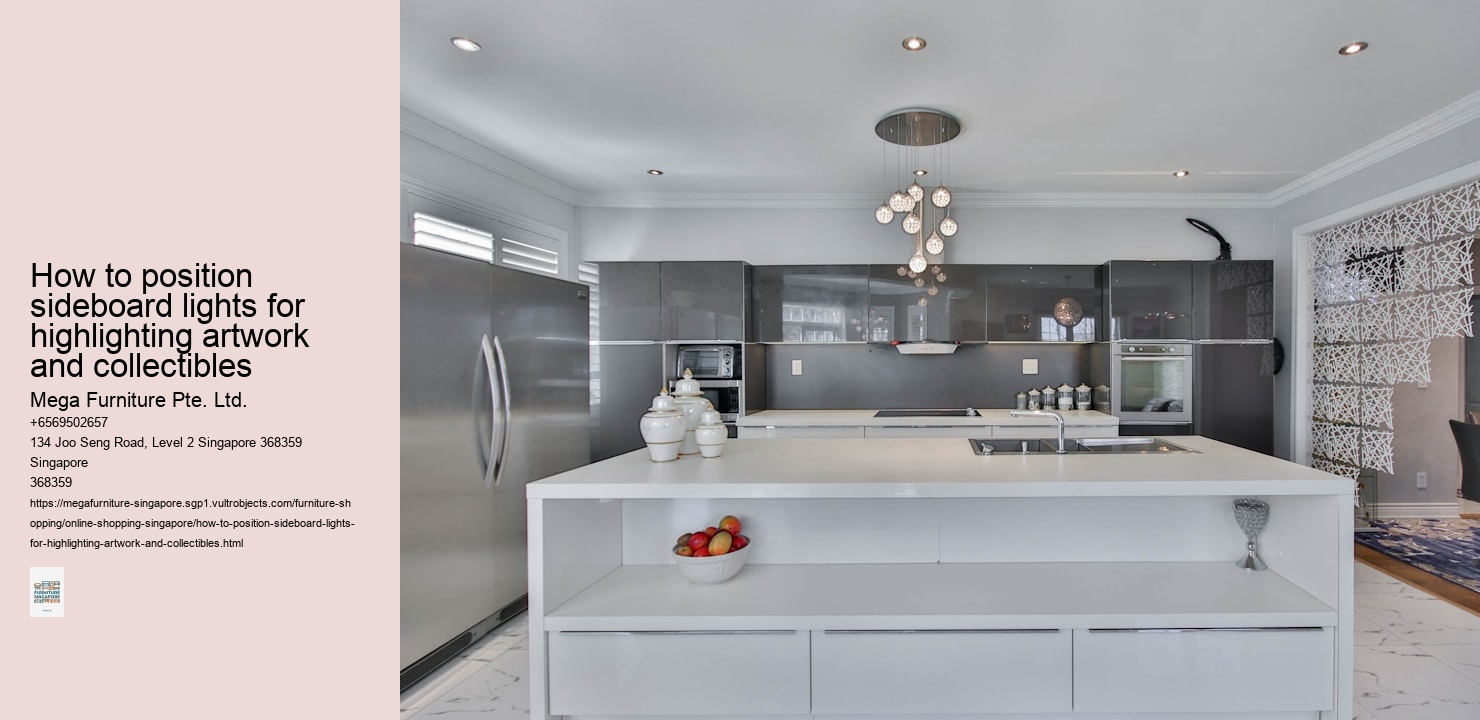
Sideboard lighting in Singapore homes isn’t about grand statements—it’s about navigating humidity warping cheap veneers while making a 1.8m storage piece look intentional in a 4-room BTO’s dining-living hybrid. Most homeowners wedge theirs between a shoe cabinet and the sofa, which means lights get installed at shin height or not at all. The trick is treating it like a gallery wall: directional spots for ceramic collections, diffused LED strips under floating shelves for whisky glasses.
Condos with 3m ceilings can pull off pendant clusters, but HDBs need flush mounts—anything dangling interferes with ceiling fans. Humidity dictates materials too. Powder-coated aluminium or glass diffusers last longer than rattan or unfinished wood in Bedok’s salt air. Warm whites (2700K–3000K) prevent clinical vibes in windowless dining nooks common in Jurong West layouts.
Landeds have the luxury of depth—sideboards here often stretch 2m, allowing separate zones for tableware and art. But even in a 12 sqm master bedroom repurposing a sideboard as a vanity, lighting follows the same rule: highlight what’s displayed, ignore what’s stored. Glass-fronted cabinets demand internal LEDs; solid teak ones need overhead grazing to emphasise grain.
Megafurniture’s sideboard collection leans into local constraints—shallow depths for narrow hallways, sealed MDF for east-coast dampness. Their in-house designers swear by 45-degree spot angles to avoid glare on lacquered surfaces. It’s a detail that matters when your display shifts from wedding china to Lego bonsais within a decade.
In Singapore’s humid climate, LED track lights are a practical choice for compact homes — they’re energy-efficient, generate minimal heat, and can be adjusted to highlight specific areas without overwhelming the space. Adjustable spotlights, on the other hand, offer precision for illuminating artwork or collectibles on a sideboard, but they’re best paired with a dimmer to avoid glare in smaller rooms.
Heat-emitting bulbs, like halogens, are a poor fit near delicate items; they can warp frames or fade pigments over time. Opt for LEDs with a colour temperature around 2700K to 3000K — they mimic natural light without the risk of damage.
For households with pets, safety becomes a priority. Cats and dogs often brush against fixtures or chew on dangling cords, so consider recessed lighting or fixtures with enclosed wiring. It’s a small detail, but one that prevents accidents and keeps both your decor and pets intact.
In living-dining layouts, where sideboards often double as display units, the lighting should complement the room’s dual function. A mix of track lights for general illumination and a single spotlight for focal points creates balance without cluttering the ceiling.
Finally, don’t overlook the finish. Matte black or brushed metal fixtures blend seamlessly with modern interiors, while polished chrome can feel dated in many homes. The goal is subtlety — lighting that enhances without demanding attention.
Aluminium fixtures dominate humid environments like Singapore — lightweight, rust-resistant, and low-maintenance. Stainless steel offers similar benefits but with added heft, ideal for sturdier sideboards. Bronze and brass fittings, while stylish, tend to oxidise faster unless treated with protective coatings. For contemporary setups, brushed nickel finishes complement neutral palettes without overpowering the room. Always prioritise metal components with IP ratings above IP44 for moisture resistance.
Teak remains a favourite for sideboards, blending durability with a warm aesthetic that ages gracefully. Laminate surfaces provide budget-friendly alternatives, mimicking wood grains while resisting warping in high humidity. For modern interiors, engineered wood like MDF offers consistent finishes but requires careful sealing. Natural wood grains often dictate lighting choices — lighter tones pair well with cooler LEDs, while darker finishes suit warm white bulbs. Avoid untreated solid woods; they’re prone to swelling in Singapore’s climate.
High-gloss finishes reflect light beautifully but show fingerprints and scratches easily — better for low-traffic areas. Matte finishes conceal imperfections and suit homes with children or pets, though they may require frequent dusting. Textured finishes like brushed or hammered metals add depth but can trap dirt in crevices. For coastal homes, powder-coated finishes offer superior resistance to salt air. Always test finishes with a damp cloth to ensure they won’t discolour over time.
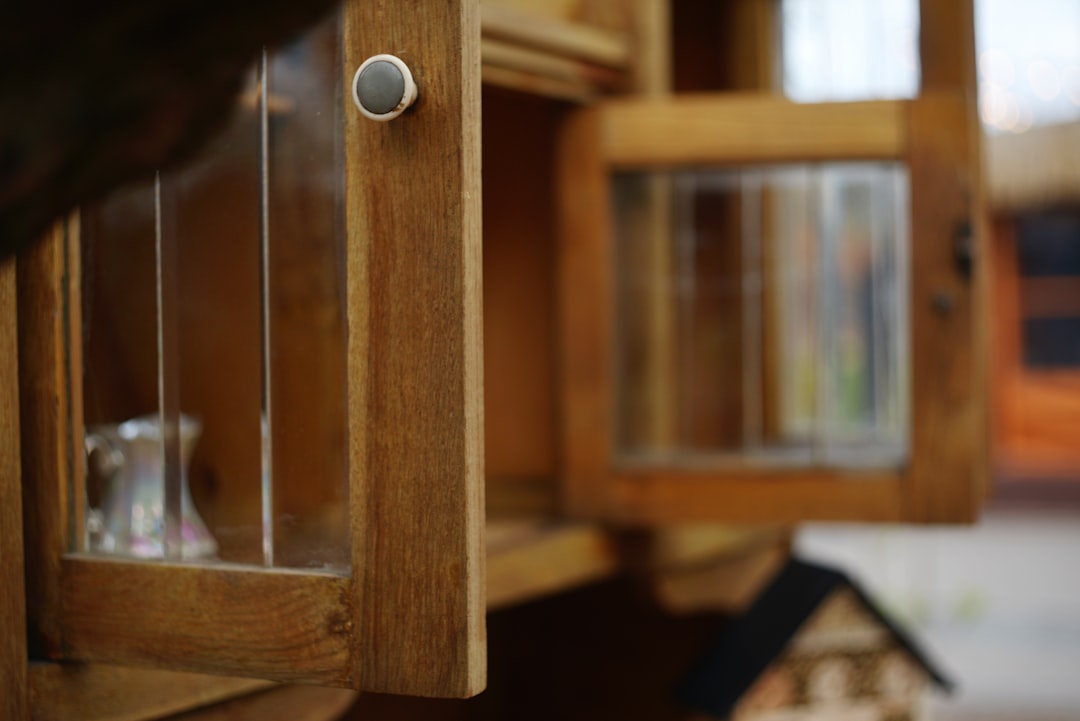
IP ratings matter more than aesthetics in Singapore’s humidity — look for fixtures rated IP65 or higher for outdoor or coastal use. Silicone seals around joints prevent moisture ingress, especially in sideboards near windows or open balconies. Avoid untreated particleboard; it absorbs moisture and swells, compromising storage spaces. Waterproof laminates and marine-grade plywood are safer bets for long-term durability. Regularly inspect fixtures for early signs of rust or mould, especially in hidden corners.
Sideboard lighting should complement, not clash with, the cabinet’s material and finish. Warm metallics like brass or copper suit traditional teak sideboards, while chrome or stainless steel aligns with contemporary laminates. Match lighting tones to wood undertones — cooler LEDs for grey or whitewashed finishes, warmer bulbs for rich browns. Avoid overloading the sideboard with fixtures; a single statement piece often works better than multiple smaller lights. Layered lighting, combining task and accent, creates depth without overwhelming the display surface.
Sideboard lighting often gets treated as an afterthought—homeowners focus on the cabinet itself, then slap on whatever spare LED strip was leftover from the kitchen renovation. That’s how you end up with harsh overhead glare bouncing off collectibles, or worse, a single dim bulb that turns your Limoges porcelain into shadowy lumps. Glare control matters more than raw brightness; install dimmers to adjust for daylight versus evening viewing, especially in open-concept layouts where sideboards pull double duty as bar stations during gatherings.
Scale is another common misstep. A chandelier that works over a dining table will overwhelm most sideboards—these pieces hover around 75cm tall, so anything dangling lower than 120cm becomes a forehead hazard. For art lighting, measure the distance between your sideboard’s surface and the bottom of the artwork (typically 15–30cm in HDB display niches) before choosing track or picture lights.
Then there’s the placement blunder: centering lights directly above the sideboard when the display items are clustered to one side. If your cabinet holds a staggered collection—say, tall vases beside squat figurines—position adjustable spotlights to create overlapping pools of light rather than a single uniform wash. That’s how you get depth without turning the setup into a museum exhibit.
Material choices compound these issues. Glass-fronted cabinets demand frosted or indirect lighting to avoid turning into glare boxes, while open shelving benefits from vertical LED strips mounted inside the frame. And if your sideboard stores liquor bottles, remember that direct downlights will heat the top shelf—stick to cooler 3000K LEDs unless you enjoy warm cognac.
The fix is simpler than most realise: treat sideboard lighting like a layered task. Start with ambient (dimmable ceiling spots), add accent (track lights for artwork), then finish with discreet functional lighting (motion-activated under-cabinet LEDs for midnight snack raids). No need for smart bulbs—a basic dual-control switch by the doorway handles 90% of use cases.
How to select sideboard lights that complement your existing decor
At Megafurniture’s Joo Seng showroom, the LED track lighting setup transforms sideboards into focal points — a detail often overlooked in online product photos. The warm, adjustable beams highlight textures like walnut veneer or matte finishes, making it easier to visualise how pieces will anchor a living-dining layout. For buyers in Tampines or Eunos, the Tampines showroom offers a similar experience, with sideboards staged against neutral backdrops that mimic modern condos.
Pairing sideboards with LED track lights isn’t just about aesthetics; it’s practical for dual-purpose spaces. In many homes, sideboards double as media consoles or bar cabinets, and the right lighting ensures collectibles or artwork don’t get lost in low-lit corners. The showroom setups demonstrate how adjustable fixtures can spotlight a favourite vase or sculpture while keeping glare off the TV screen.
One standout feature is the modularity of the lighting systems. Buyers can test different configurations — single tracks for minimalist setups or multiple strips for larger pieces. The 150–200cm sideboards, with their mix of drawers and display surfaces, benefit from this flexibility. It’s a subtle reminder that lighting isn’t just an afterthought; it’s integral to the design.
For those furnishing landed properties or larger condos, the showrooms offer a chance to see how sideboards scale in spacious settings. The Joo Seng location, in particular, stages pieces in room vignettes that feel lived-in, complete with curated lighting angles. It’s a nudge to think beyond storage and consider how lighting can elevate everyday spaces.
Delivery for bulky fixtures like sideboards often hinges on timing — especially in Singapore’s tighter HDB lift lobbies or landed properties with narrow gates. Most retailers schedule deliveries between 9am and 6pm, but it’s worth confirming exact slots to avoid clashes with school runs or peak-hour traffic. For landed homes, double-check if the delivery crew can manoeuvre through narrow driveways or staircases; some sideboards, particularly those around 200cm wide, may require disassembly on-site.
Assembly isn’t just about screwing legs onto a cabinet — secure mounting is non-negotiable, especially if the sideboard doubles as a media console or bar cabinet. In many homes, a poorly anchored unit becomes a hazard when kids climb on it or when heavy electronics are placed on top. Ensure the assembly team uses wall brackets or anti-tip straps, particularly for taller models or those in high-traffic areas like open-concept living-dining spaces.
LED components in sideboard lighting often get overlooked during assembly, yet they’re crucial for highlighting artwork or collectibles. Check warranties for these fixtures — cheaper LED strips sometimes burn out within months, leaving buyers with dimmed displays or costly replacements. Opt for models with modular LED systems; they’re easier to repair without dismantling the entire unit.
Place lights 12–18 inches away from the artwork to avoid overheating or fading. This range ensures focused brightness while preserving the piece’s colors. For larger collectibles, increase the distance slightly to cover more surface area evenly.
Combine overhead and directional lights to add dimension to displayed items. Use warmer tones (2700K–3000K) for a cozy ambiance that complements art. Dimmable fixtures allow control over intensity based on the room’s natural light.
Position lights at a 30-degree angle to minimize glare and create even illumination across artwork. Ensure the light source is slightly above eye level to enhance visibility without casting shadows. Adjustable track lighting works well for flexibility in highlighting different pieces.
Track lighting often gets dismissed for narrow sideboards — a mistake, since compact rail systems now fit widths as tight as 150cm without overhang. The real issue isn’t clearance but glare control; those sharp LED spots that work over a dining table will wash out your ceramics or framed prints.
Diffusers solve half the problem. Frosted glass or acrylic covers soften the beam, though they’ll cut brightness by about 30% — fine for accent lighting, less so if you’re trying to highlight dark-toned artwork. Adjustable gimbal heads work better for directional control; tilt them 15–20 degrees off-centre to avoid creating hot spots on glass-fronted display cabinets.
Most buyers overlook the ceiling factor. In Singapore’s typical 2.6m ceiling heights, track lights should sit no more than 60cm above the sideboard surface; any higher and the light spreads too wide, hitting adjacent walls instead of your collectibles. Go for warm whites (2700K–3000K) — cooler temps make wood finishes look clinical.
One persistent myth: that you need symmetrical spacing. Asymmetrical layouts often work better for mixed displays, with tighter clusters over prized items and single fixtures every 40–50cm along the rail. Just mind the cord management; draped power lines ruin the clean lines of a teak or walnut sideboard.
Rubberwood sideboards pose a unique challenge — their warm undertones can skew yellowish under poor lighting. Test with a dimmer switch first; 60–70% brightness usually strikes the right balance between showcase and subtlety.
Before swiping your card, measure twice—once for the sideboard itself, then again for the surrounding space. Most Singaporean living-dining layouts can’t handle a full 200cm width without blocking walkways; aim for 160–180cm if you’ve got a 4-room BTO or compact landed terrace. Lighting tests matter more than you’d think—bring photos of your wall art’s frames (brass? black lacquer?) to compare under warm 2700K versus neutral 3000K LEDs at the showroom. Neutral wall colours—think Dulux’s ‘Barely There’ or Nippon’s ‘Rice Paper’—bounce light better than feature walls, especially in windowless corridors common in older condos near Eunos or Bedok.
Check drawer glide mechanisms with one hand while holding your phone in the other—that’s how you’ll actually use it when balancing a wine glass. Sales staff at Megafurniture’s Joo Seng showroom keep dimmer switches behind the counter; ask to test your shortlisted pieces under 30%, 60%, and 100% brightness. Top-heavy displays look unstable on narrow sideboards—if you’re styling ceramic vases or art books, the safe zone is 40cm inward from each edge.
That matte finish you love? It’ll show every fingerprint in a household with kids or frequent gatherings. Go for textured laminates or cerused oak if you’re pairing with dark walls—they hide smudges better than high-gloss acrylics. Last tip: snap a photo of your current setup before leaving home. You’ll notice outlet placements and awkward gaps that never register in the moment.