In a 12 sqm HDB master bedroom, a sideboard that’s too wide can dominate the space, leaving little room for movement — yet one that’s too narrow risks looking like an afterthought. Sideboards typically range between 75–90cm in height and 150–200cm in width, dimensions that strike a balance between functionality and proportion. For compact homes, sticking to the lower end of the width spectrum ensures the piece doesn’t overwhelm the room; in larger condos or landed properties, opting for a wider model can anchor the space without appearing sparse.
Proportions matter just as much as dimensions. A sideboard that’s too tall might obstruct windows or feel imposing in a low-ceilinged HDB flat, while one that’s too short can seem dwarfed in a spacious living-dining layout. For dual-function rooms, consider how the piece interacts with other furniture — a sideboard that doubles as a media console shouldn’t clash with the height of your sofa or dining table. Rubberwood or sintered stone finishes can add visual weight without bulking up the design.
Practicality often dictates the choice. In many homes, sideboards serve dual purposes: storage for clutter and a surface for display. Drawers and cupboards keep essentials out of sight, while the top can host everything from a soundbar to a curated arrangement of books and decor. For those transitioning from a traditional TV console, the shift to a sideboard offers a sleeker, more sophisticated profile — though it’s worth measuring your existing setup to ensure the new piece fits seamlessly.
Ultimately, the right sideboard dimensions depend on the room’s function and flow. In a 4-room BTO living room, a 180cm-wide model might fill the wall without crowding the space; in a cosy HDB common bedroom, 150cm could be the sweet spot. Always measure twice — and don’t forget to account for doors, windows, and pathways.
Singapore’s humidity doesn’t just frizz hair—it warps untreated wood within months. That teak sideboard you admired in a showroom? Without proper sealing, its drawers will start sticking by the next monsoon season. Metal frames fare better, but cheap powder coatings bubble at the edges; look for marine-grade stainless or anodised aluminium if placing near windows in east-coast flats like Bedok or Marine Parade.
Most buyers fixate on aesthetics first, realising the material mistake only when white mould spots bloom across their rattan-wrapped cabinet doors. Engineered wood with phenolic resin cores resists swelling better than solid timber, while ceramic or sintered stone tops won’t stain from perpetual condensation. Budget constraints tempt homeowners toward laminate—opt for the thicker 18mm variants with moisture-resistant glue, especially for ground-floor units where rising damp creeps in.
The worst offenders are hybrid materials pretending to be something they’re not. Faux leather peels at the seams, while “water-resistant” paper veneers delaminate after six months near a kitchen backsplash. Genuine treated rubberwood or properly kiln-dried merbau hold up better in our climate, though they’ll still need quarterly waxing if placed under an aircon vent.
Megafurniture’s collection uses marine ply for structural elements—a pragmatic choice for storage pieces doubling as display surfaces. Their lacquered finishes withstand the occasional wet umbrella leaned against them, though you’ll still want to wipe down any pooled water within an hour. Humidity protection isn’t glamorous, but neither are warped drawers that won’t close properly.
" width="100%" height="480">How to camouflage sideboard cables and wires effectivelyCable trays are a practical solution for organising wires in dual-function layouts. Typically made from metal or plastic, they can be mounted underneath sideboards to keep cables out of sight. In many homes, they’re paired with adhesive backing for easy installation without drilling holes. Trays work best for thicker cables like HDMI or power cords, leaving thinner wires for other solutions. For homeowners in larger condos, they’re a discreet way to manage clutter while maintaining a clean aesthetic.
Built-in channels are increasingly popular in modern sideboard designs, especially for dual-purpose spaces. These grooves are integrated into the cabinet’s structure, often running along the back or sides. They’re ideal for routing cables neatly, preventing tangles and tripping hazards. In dining-living layouts, channels can be paired with grommet holes for seamless device connectivity. Rubberwood sideboards with these features are particularly sought after for their durability and clean finish.
Integrated USB ports transform sideboards into functional charging stations for dual-use spaces. Positioned discreetly on the top or sides, they allow homeowners to power devices without visible adapters. In many condos, this feature is paired with built-in power outlets for added convenience. It’s a smart upgrade for those who frequently use laptops or tablets in their dining-living areas. Homeowners often prioritise this feature when choosing sideboards for its practicality and modern appeal.
Sideboards with built-in power outlets are essential for seamless media use in dual-function layouts. These outlets are typically installed on the rear panel, hidden from view but easily accessible. They’re perfect for powering TVs, sound systems, or even coffee machines in living-dining setups. In larger landed properties, this feature reduces the need for extension cords, maintaining a tidy appearance. It’s a small detail that significantly enhances the functionality of a sideboard.
Wire clips are a simple yet effective way to manage cables in smaller spaces or retrofitted sideboards. Made from plastic or metal, they can be attached to the back or underside of the cabinet. These clips are ideal for organising thinner wires like charging cables or HDMI cords. In HDB flats or older condos, they’re a budget-friendly alternative to more elaborate solutions. Their versatility makes them a favourite among homeowners looking for quick fixes.
In Singapore’s humid climate, sideboards often face a silent enemy — warping. Megafurniture’s designs sidestep this with materials specifically engineered to resist moisture, ensuring they hold their shape even in high-humidity neighbourhoods like Tampines or Bedok. That’s not just a selling point; it’s peace of mind for buyers investing in furniture that’s meant to last.
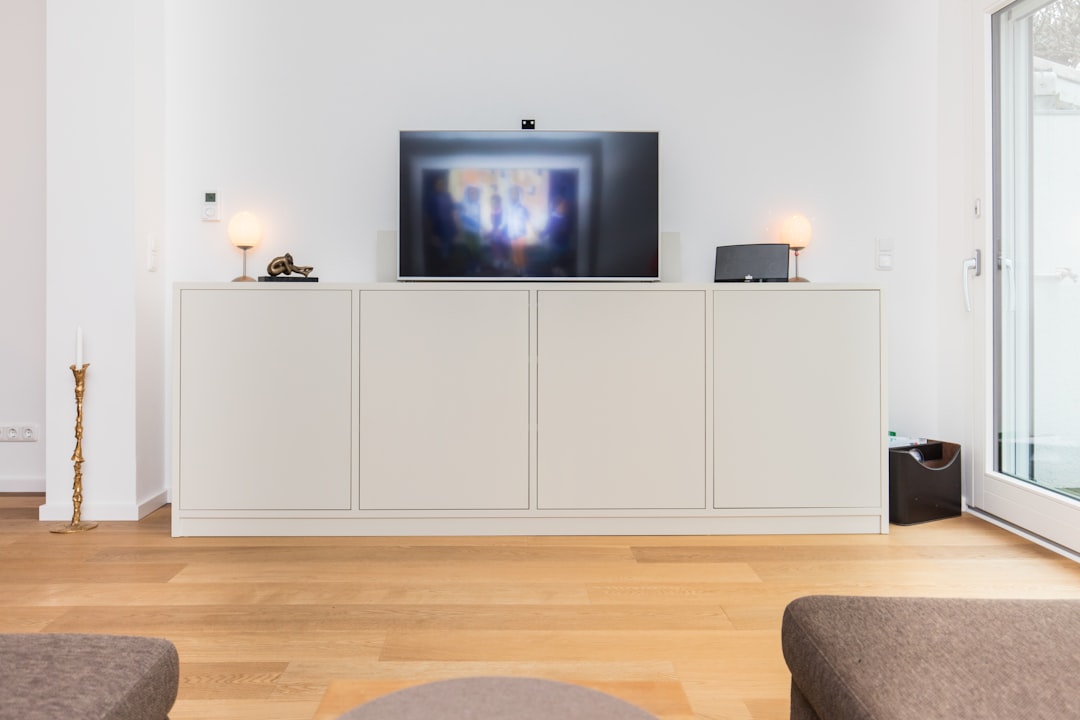
The sleek profiles of these sideboards are another draw. At 75–90cm tall and 150–200cm wide, they fit seamlessly into dual-function dining-living spaces common in larger condos and landed properties. The clean lines and minimalist finishes — think matte lacquer or brushed oak — make them versatile enough to double as media consoles or bar cabinets without clashing with modern interiors.
Functionality doesn’t take a backseat to form. Drawers and cupboards offer ample storage for everything from dinnerware to board games, while the top surface serves as a display area for decor or a spot to set down a cocktail tray during gatherings. It’s this balance of practicality and aesthetics that appeals to design-forward shoppers looking for more than just a TV console.
For those who want to see and feel the quality firsthand, visiting the Joo Seng or Tampines showrooms is worth the trip. You’ll get a sense of the craftsmanship and how the pieces might fit into your space. After all, a sideboard isn’t just furniture — it’s a statement piece that anchors a room.
Place decorative baskets or fabric panels beneath the sideboard to hide cables and power strips. Ensure the accessories complement the sideboard’s design while providing functional cable management. This approach adds style while maintaining a clutter-free appearance.
Position the sideboard near existing wall outlets to minimize cable exposure. Arrange furniture to naturally obscure wires, such as placing plants or decor in front of them. This method reduces the need for additional cable management solutions.
Utilize the space behind your sideboard by routing cables along the wall or baseboard. Use adhesive cable clips or sleeves to keep wires organized and hidden. Ensure the sideboard is slightly pulled away from the wall to avoid pinching cables.
Install cable channels beneath or along the edges of the sideboard to conceal wires seamlessly. Choose channels that match the sideboard’s finish for a cohesive look. This method keeps cables accessible yet out of sight.
Sideboards, typically 75–90cm tall and 150–200cm wide, often become an unexpected headache when navigating HDB lift lobbies. Doorways and staircases, especially in older estates like Bedok or Tampines, can be narrower than buyers anticipate—measure twice, or risk a delivery day disaster. Even in condos, where lifts are larger, tight corners and low ceilings can complicate things.
Professional assembly services are a lifesaver for buyers who don’t fancy wrestling with a screwdriver. Many providers include this in the delivery package, ensuring the sideboard is set up correctly and securely. It’s worth checking if the warranty covers assembly-related issues; a poorly installed sideboard might wobble or warp over time.
For those opting for DIY assembly, clear the space beforehand. A cluttered 4-room BTO living room can turn a straightforward task into a logistical nightmare. Lay out all parts and tools in advance, and keep the instruction manual handy—though some buyers swear by YouTube tutorials for clarity.
Warranty coverage is another key consideration. Look for terms that protect against damage during delivery or assembly, especially if the sideboard is a significant investment. Peace of mind often comes down to these small details.
Finally, don’t underestimate the value of a second pair of hands. Whether it’s a family member or a neighbour, an extra set of eyes can spot misalignments or potential issues before they become permanent.
A sideboard wedged into a tight corner, its drawers barely opening, is a common sight in Singapore’s open-plan condos. Buyers often underestimate room proportions, forgetting that a 150cm sideboard in a 12 sqm living room can overwhelm the space — especially when paired with a sectional sofa and coffee table. Measure twice, buy once; it’s a cliché for a reason.
Humidity-resistant materials are non-negotiable here. Sideboards in rubberwood or engineered wood might warp within months, particularly in east-facing rooms near Eunos or Bedok, where morning sun meets high humidity. Opt for moisture-resistant finishes like melamine or lacquered MDF if you’re set on wood; otherwise, sintered stone or metal frames offer better durability without sacrificing style.
Depth is another overlooked detail. A sideboard that’s too shallow won’t accommodate a soundbar or gaming console, while one that’s too deep eats into precious floor space in dual-function dining-living layouts. Aim for 45–55cm — enough to stash cables and devices without turning the top into a cluttered catchall. For TV consoles or bar cabinets, verify the height too; 75cm is ideal for most wall-mounted screens, but taller designs work better with freestanding TVs.
Finally, don’t assume every sideboard fits modern tech needs. Check for cable management features like rear cutouts or integrated grommets — especially if you’re hiding routers or charging stations. A sleek sideboard might look perfect in the showroom, but it’s no use if you’re left with a tangle of wires spilling onto your teakwood floor. Megafurniture’s collection offers options with these practical details, blending form and function for Singapore’s humid, tech-heavy homes.
In a 12 sqm HDB master bedroom, swapping a TV console for a sideboard isn’t just about aesthetics — it’s a space-saving gamble. Sideboards typically measure 75–90cm tall and 150–200cm wide, which means they’ll eat up more floor space than a compact console. But if you’re clever with layout, the extra storage can be a lifesaver for stashing laundry, books, or even a mini bar setup.
Can sideboards handle Singapore’s humidity? Most modern designs use treated rubberwood or engineered wood, which fare better in 80%+ humidity than untreated materials. Still, it’s worth checking for ventilation gaps and moisture-resistant finishes — especially if the unit’s near a window or air-con vent.
Height matters when you’re juggling dual functions. A sideboard doubling as a bar or workspace should sit around 75cm — low enough to keep the room feeling open but high enough to comfortably rest a drink or laptop. Anything taller risks making the space feel cramped, especially in compact layouts.
Sideboards aren’t just for dining rooms anymore. In many homes, they’ve become the go-to for hiding cables and wires in open-plan living spaces. Just remember: a sideboard’s depth can make it tricky to fit behind sofas or dining tables in tighter rooms. Measure twice, buy once.
How to integrate a sideboard with existing smart home systems
A sideboard that looks perfect online can feel entirely wrong in a 4-room BTO living room — too bulky, too short, or just awkwardly proportioned. That’s why measuring your space is non-negotiable before heading to the showroom. A sideboard typically spans 150–200cm in width, but in many homes, even a 180cm piece can overwhelm a smaller dining-living layout. Consider not just the footprint but also the height; a 90cm sideboard might block natural light from windows in a Punggol HDB, while a 75cm model could leave too much visual space above in a landed property’s high-ceilinged living area.
Material durability matters, especially in humid Singapore. Rubberwood and sintered stone are popular choices for their resistance to warping and stains, but they’re not indestructible. A sideboard in a dual-function dining-living space will likely endure spills, scratches, and daily wear — so prioritise finishes that age gracefully. Showrooms let you test how surfaces handle fingerprints or coffee rings, which online photos rarely reveal.
Cable management is often overlooked until it’s too late. A sideboard doubling as a media console needs discreet wire routing — think rear cutouts, built-in channels, or concealed compartments. In a showroom, you can check if the design accommodates a power strip or hides HDMI cables effectively. It’s these small details that separate a functional piece from one that just looks good.
Finally, don’t underestimate the value of seeing the craftsmanship up close. Joints, drawer slides, and veneer edges can tell you more about quality than any product description. A showroom visit lets you assess whether the sideboard feels sturdy enough for daily use or if it’s just a pretty facade. And while you’re there, test how easy it is to organise items inside — because storage that’s awkward to access quickly becomes clutter.