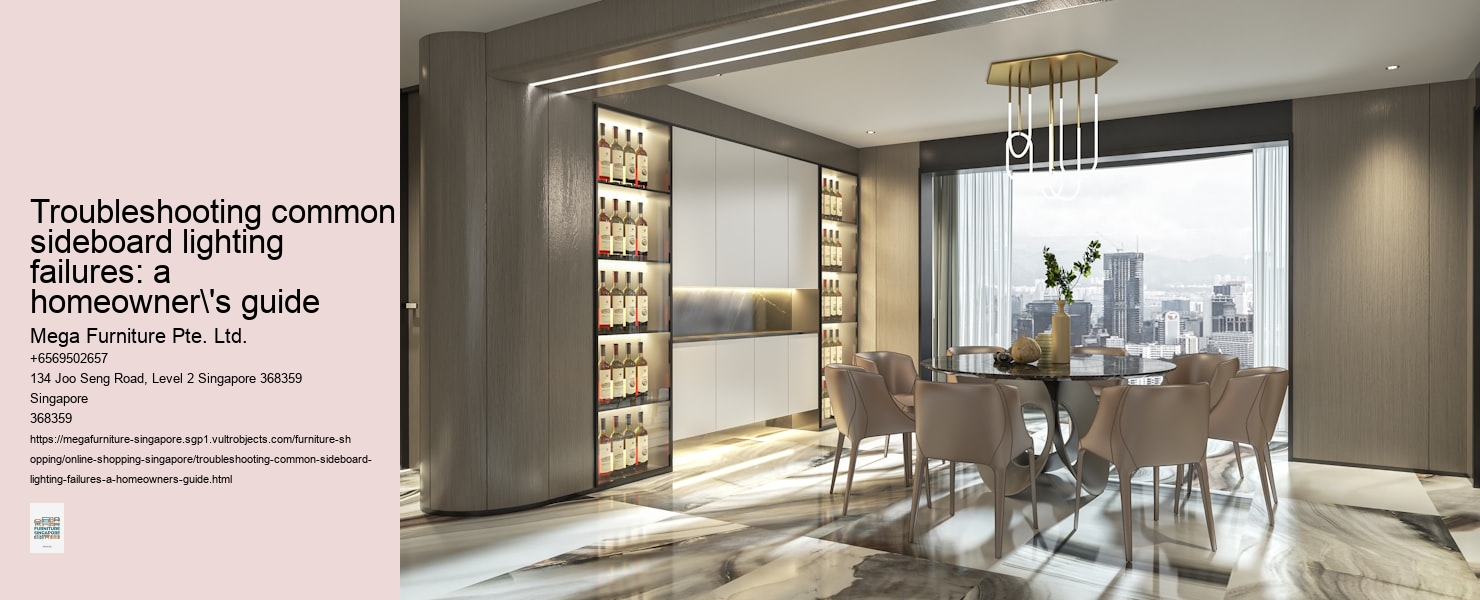
The humidity in Singapore’s HDB corridors and open-concept living spaces wreaks havoc on sideboard lighting—LED strips fog up within months, and cheap puck lights develop a flicker that’s more strobe than ambient. You’ll notice it first in high-traffic areas like Punggol or Jurong West flats, where the sideboard doubles as a console near the main door: condensation seeps into cheap drivers, and suddenly your display shelf looks like a malfunctioning aquarium. Moisture-resistant fixtures aren’t optional here; they’re survival gear for any storage piece that bridges the dining and living zones.
Most failures stem from three avoidable mistakes. Homeowners pair warm-white LEDs with dark-stained rubberwood sideboards, then wonder why their porcelain collection looks shadowy—when 4000K neutral tones would’ve bounced light properly off cream walls. Others cram waterproof but non-ventilated strip lights into the 5cm gap between wall and cabinet back, creating a mini sauna that cooks the adhesive. And nobody checks the IP rating until their $20 spotlight corrodes into a rusted husk after one northeast monsoon season.
The fix? Opt for extruded aluminium channels with diffusers—they distribute heat better than flimsy plastic housings—and stick to 12V systems over 220V mains voltage for built-in lighting. In landed properties where sideboards stretch 2m or longer, separate the transformer from the humid zones (mount it under the cabinet, not inside). And if you’re shopping at Megafurniture’s Joo Seng showroom, test their display units’ lighting at different angles; what looks bright under showroom halogens might underwhelm in your Tampines flat’s windowless dining nook.
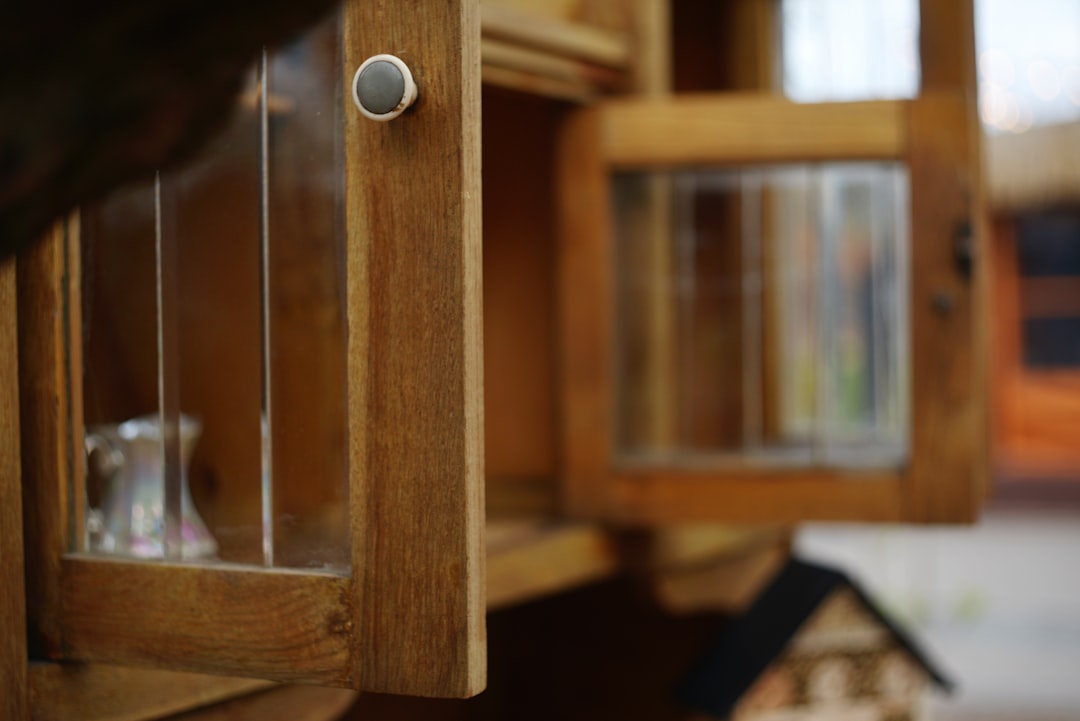
Singaporeans love sideboards precisely because they multitask—storage below, display up top—but that means their lighting works overtime. A well-chosen system should handle both tasks without becoming a maintenance headache: think sealed connectors, replaceable modules, and drivers rated for 85% humidity. The alternative is replacing entire strips every Chinese New Year when the old ones start blinking like a faulty traffic light.
Assessing sideboard damage: Identifying when professional help is needed
Singapore’s humidity doesn’t just frizz hair—it ruins lighting fixtures. Within a year, unprotected LED strips in open-concept condos often develop that telltale greenish corrosion around the edges, especially in landed properties near coastal areas like Pasir Ris or Sentosa Cove. IP44-rated fixtures aren’t just a recommendation; they’re the difference between replacing puck lights every 18 months and forgetting about them for a decade.
Cheap aluminium housings might look fine in a showroom, but they’ll start pitting where condensation pools—usually behind the sideboard’s plinth or under glass display shelves. Go for powder-coated steel or marine-grade anodised finishes instead; they’re pricier upfront but won’t leave rust stains on your teak veneer. Warm white (2700K–3000K) LEDs work best here—cooler tones exaggerate moisture streaks on glassware.
Landscape lighting suppliers oddly get this right more often than furniture brands. Look for wet-rated LED tape with silicone jacketing, the kind used in poolside installations—it handles the 80% humidity swings between Singapore’s monsoon and dry seasons without yellowing. Avoid adhesive-backed strips unless you’re mounting them on powder-coated metal channels; that sticky foam turns gummy by year two.
Some homeowners try sealing generic fixtures with clear lacquer. It’s a stopgap that dulls light output by about 15% and needs reapplication every wet season. Better to spend the extra $40–$80 upfront for proper IP-rated units—they’ll outlast most sideboards anyway.
Open shelving demands extra caution. Those minimalist brass sconces popular in Tiong Bahru cafes? They’ll develop verdigris patina in six months unless specifically treated for coastal environments. Stick to fully encapsulated LED modules or go with indirect lighting—washed walls hide moisture damage better than exposed fittings.
Singapore’s humid climate demands careful material selection for sideboard lighting. Treated wood and MDF resist warping, maintaining alignment for even illumination. Cheaper plywood often buckles, causing gaps that disrupt light distribution. In many homes, this leads to uneven brightness across the display surface. Opting for durable materials ensures longevity, especially in dual-function dining-living layouts.
High humidity wreaks havoc on unstable materials. Plywood absorbs moisture, expanding and contracting with seasonal changes. This movement misaligns lighting fixtures, creating shadows or hotspots. In landed properties with less climate control, the issue worsens. Stable materials like MDF perform better, keeping lighting consistent year-round.
Proper alignment hinges on the sideboard’s structural integrity. Warped surfaces tilt fixtures, disrupting their intended angle. This misalignment affects both practical lighting and aesthetic display. In condominiums with open layouts, uneven lighting draws unwanted attention. Durable materials maintain flat surfaces, ensuring fixtures stay correctly positioned.
Even light distribution enhances both function and design. Warped materials scatter light unevenly, creating dark spots or glare. This undermines the sideboard’s dual role as storage and display. In larger spaces, consistent lighting is crucial for visual harmony. Stable materials like treated wood preserve uniformity, elevating the overall look.
Material choice directly impacts lighting longevity. Plywood deteriorates faster, requiring frequent adjustments or replacements. Durable options like MDF withstand Singapore’s climate, reducing maintenance needs. For homeowners investing in sophisticated designs, this reliability is key. Choosing the right material ensures sideboard lighting remains functional and attractive for years.
The sideboard’s renaissance in Singaporean homes isn’t just about storage—it’s about staging light. Megafurniture’s Joo Seng showroom displays a 180cm teak veneer unit with recessed LED strips that cast upward glare onto textured plaster walls, solving two problems at once: ambient lighting for open-plan living-dining areas, and a way to spotlight decorative objects without cluttering surfaces. Humidity-resistant wiring runs through concealed channels in the back panel, a detail that matters when these pieces get wedged between aircon blasts and balcony humidity. Most buyers underestimate how much lighting compatibility affects placement. A sideboard with pre-installed LEDs typically needs 15cm clearance from walls to prevent heat buildup—meaning it won’t tuck neatly behind dining sets in tighter layouts. But for 4-room BTO flats where the dining area bleeds into the living space, that backlighting becomes functional art. The Tampines showroom demonstrates this with a rattan-fronted model illuminating a ceramic collection; the warm 2700K bulbs make even Ikea glassware look curated. The real test comes during thunderstorms. Cheaper units flicker when Singapore’s voltage fluctuates, but Megafurniture’s designs use stabilisers built into the kickboard. You’ll pay for it—their lit models start at $1,190 versus $600 for basic versions—though that’s still less than wiring a custom solution. Their
buffet hutch rangeincludes plug-and-play options with dimmers, crucial for homes where the same piece moonlights as a dinner party bar and weekday keys-and-mail dump. Notice how the lighting isn’t uniform. Strategic shadows hide the inevitable mess of router cables and spare charging bricks below the display shelf—a small mercy in open-concept flats where everything’s always on show. The best units use frosted diffusers to soften the LEDs, avoiding that clinical showroom glow. It’s a detail that separates furniture from furnishings.
In Singapore’s humid climate, warranties often overlook moisture damage — a common culprit for LED failures in sideboard lighting. It’s not just about flickering bulbs; humidity can corrode internal circuits, leaving buyers with a costly repair. Always check if the warranty explicitly covers humidity-related issues, especially for sideboards placed in open-concept living-dining areas where airflow fluctuates. Vendors who offer this coverage tend to use higher-grade materials, though it’s worth confirming before purchase.
Delivery in Singapore’s compact spaces is another hurdle. A sideboard’s sleek design means little if it arrives damaged or can’t navigate tight corridors in a Tampines condo or landed property. Opt for vendors providing professional assembly services; they’ll handle the heavy lifting and ensure proper installation. This is particularly crucial for sideboards with integrated lighting, where misaligned wiring can compromise both function and safety.
Some buyers skip assembly services to save $50–$100 — a false economy when you’re left wrestling with a 200cm sideboard in a 4-room BTO living room. Professional assemblers also spot potential issues early, like uneven floors or poorly aligned drawers, which can affect lighting placement. It’s a small investment for peace of mind, especially when dealing with dual-purpose furniture that needs to perform flawlessly.
Finally, consider delivery timelines. Sideboards with custom lighting options often take longer to ship — typically 4–6 weeks — so plan ahead if you’re coordinating with other furniture arrivals. Vendors offering express delivery might charge a premium, but it’s worth it if you’re working within tight renovation schedules.
Warranty and delivery aren’t glamorous topics, but they’re the backbone of a stress-free purchase. Skip these considerations, and you’ll likely find yourself troubleshooting lighting issues sooner than expected.
In a typical 4-room HDB flat with a dual-function living-dining layout, sideboard lighting often pulls double duty — it’s both functional task lighting and a decorative accent. That’s where buyers start asking questions.
Can LEDs handle SG humidity? Most modern LED strips are designed for high-humidity environments, but it’s worth checking the IP rating — IP65 or higher is ideal for Singapore’s climate. Cheaper options might yellow or fail faster, especially in landed properties with less consistent air-conditioning.
How bright for dual-function rooms? For a sideboard that doubles as a dining table or workspace, aim for around 400–600 lumens. That’s bright enough for meal prep or paperwork but soft enough to avoid glare during evening relaxation. Warm white (2700K–3000K) works best in most homes, balancing functionality with ambiance.
Warranty coverage for flickering issues? Flickering is often a power supply issue, not the LEDs themselves. Many warranties cover the entire unit, including the transformer, for at least a year. For HDB flats, where electrical setups can vary, it’s worth opting for a retailer that offers on-site troubleshooting.
Sideboard lighting isn’t just about practicality — it’s a design statement. In condos and landed properties, where sideboards often anchor open-plan layouts, the right lighting can transform a storage piece into a focal point. Just don’t skimp on quality; humidity and daily use will test even the best setups.
Overheating suggests excessive wattage or poor ventilation around enclosed lights. Switch to lower-wattage LEDs and ensure fixtures have adequate airflow. Avoid covering lights with decorative materials that trap heat. Persistent overheating risks fire hazards.
Flickering often indicates loose wiring or incompatible dimmer switches. Check bulb connections and ensure fixtures are securely mounted. For LED strips, verify the transformer matches voltage requirements. Persistent flickering may require an electrician’s inspection.
Dimness often stems from outdated bulbs or voltage drops in long LED strips. Replace older bulbs with brighter, energy-efficient alternatives. For strip lights, check for voltage drop by testing segments closest to the power source. Clean dust-covered bulbs regularly.
Narrow HDB corridors often force buyers to rethink their sideboard plans — a 180cm unit might fit the living room wall, but it’ll block the kitchen doorway. Measure twice, then subtract 10cm for clearance. In many homes, a sideboard’s top doubles as a bar or workspace, so adjustable lighting isn’t just decorative; it’s functional. Test the brightness levels in person; what looks warm and inviting online might glare in a 12 sqm living room.
Sideboards with built-in lighting often come with LED strips or puck lights — the latter tends to offer more precise control over brightness and colour temperature. Rubberwood models, common in mid-range options, pair well with soft white LEDs for a balanced look. Avoid setups where the lighting feels like an afterthought; uneven illumination can make even a well-organised display look cluttered.
Durability matters, especially if the sideboard will double as a media console or bar cabinet. Look for lighting fixtures that don’t flicker or overheat after prolonged use. Megafurniture’s showrooms let you test these features in person — a crucial step before committing. After all, a sideboard isn’t just storage; it’s a statement piece that should hold up under daily wear.
For dual-function spaces, prioritise designs that blend into both dining and living areas. A sideboard with adjustable lighting can transition seamlessly from a daytime workspace to an evening entertainment hub. Keep the finish neutral — matte oak or walnut tends to work better in multi-use setups than glossy finishes that show fingerprints.
" width="100%" height="480">Troubleshooting common sideboard lighting failures: a homeowner's guide