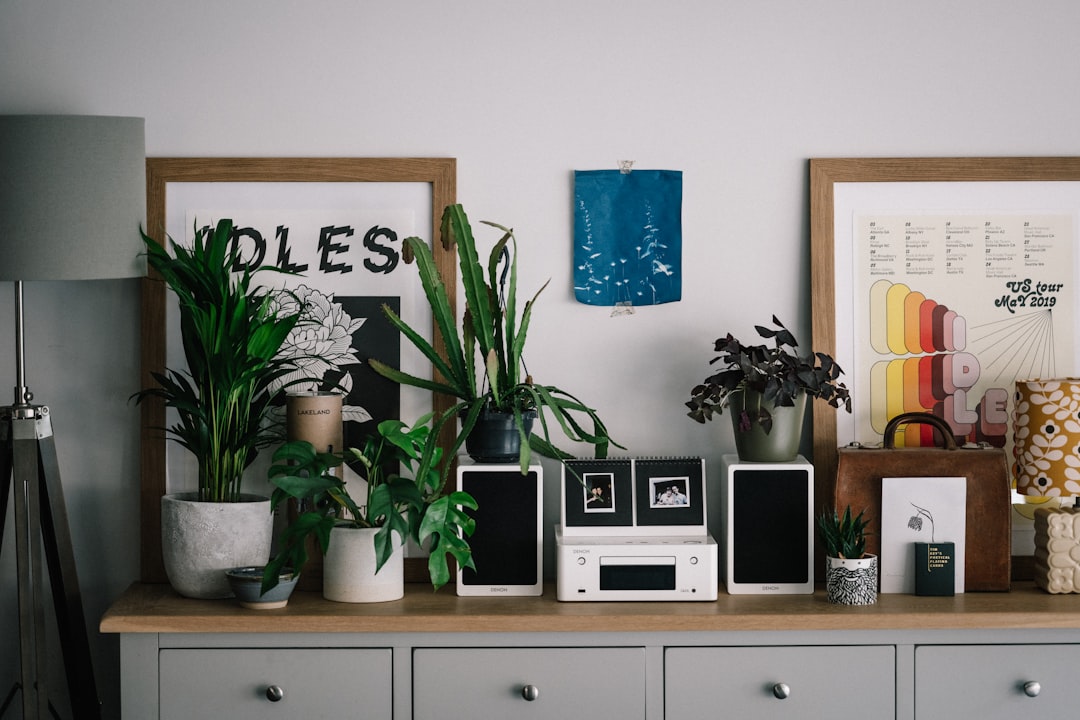
In a typical 12 sqm HDB master bedroom, a sideboard over 150cm wide feels cramped — but in a 15–20 sqm living room, it’s often the centrepiece. A chest of drawers extends sideboard logic into the bedroom — same low-and-wide format, same combination of drawers and surface space, just sized for clothing rather than dinnerware. Megafurniture's Chest of Drawers range includes solid wood, engineered wood, and rattan-accented pieces in standard, slim, and tallboy configurations. Sizes span compact 60cm units for HDB common bedrooms through 140cm tallboys for master suites.. Many homeowners opt for sideboards around 75–90cm tall and 150–180cm wide, balancing storage and display without overwhelming the space. Wall-mounted AC units complicate placement; leave at least 50cm clearance for airflow, especially in Singapore’s 80% humidity, or you’ll risk mould and reduced cooling efficiency.
Compact layouts benefit from sideboards that multitask. The buffet hutch differs from a basic sideboard by trading some surface area for taller storage above — useful in dining rooms where wall-mounted display takes precedence over serving space. Megafurniture's Buffet Hutch range includes traditional designs with glass-front upper cabinets, modern minimalist versions, and Japandi pieces with woven rattan panels. Solid-wood frame with MDF veneer dominates the line, finished in walnut, oak, white, and cream-lacquer.. In many 4-room BTO flats, a sideboard doubles as a TV console or bar cabinet, freeing up floor space. Rubberwood or sintered stone finishes work well here — they’re durable, moisture-resistant, and blend with neutral palettes common in modern HDB interiors. Avoid bulky designs with protruding handles; they catch on curtains or walking paths in tighter spaces.
Sideboards in dual-function dining-living areas often anchor the room. A 180–200cm width suits these larger spaces, providing ample storage for crockery or media equipment while acting as a visual divider. Keep the top clutter-free; a few curated accents like a ceramic vase or books add personality without overwhelming the surface. For smaller layouts, consider modular designs that can expand as needs change — flexibility is key in Singapore’s compact homes.
Singapore’s humidity warps untreated pine within months — you’ll find warped drawers and sticky mechanisms in landed property sideboards by the first monsoon season. Treated teak holds up better, though the premium cuts (Burmese, not plantation-grown) now cost nearly as much as engineered wood composites. Laminate finishes aren’t just for HDB budgets anymore; matte ceramic laminates on MDF cores resist swelling better than solid wood in Tampines’ salt-heavy coastal air.
Metal accents work if you’re willing to wipe them weekly. Brass handles on sideboards near Pasir Ris windows develop patina faster than in central districts — some homeowners embrace the oxidised look, but chrome or powder-coated black steel stays cleaner. Avoid thin metal legs on coastal properties; salt spray corrodes the welds.
The real test comes when sideboards double as wet bars. Engineered quartz tops handle condensation better than marble, though both stain if you leave cocktail rings unattended. Display cabinets sit between sideboard and bookshelf in function — closed glass-front storage that protects fine china, collectibles, or memorabilia while keeping them visible. Megafurniture's Display Cabinet range averages around $271 for glass-front variants, with curio, wall-mounted, and freestanding options across solid wood, MDF, and metal-framed constructions. LED-lit and adjustable-shelf variants feature in the higher tier.. Rubberwood shelves warp less than plywood when storing chilled bottles, but require silica gel packs in the cabinet.
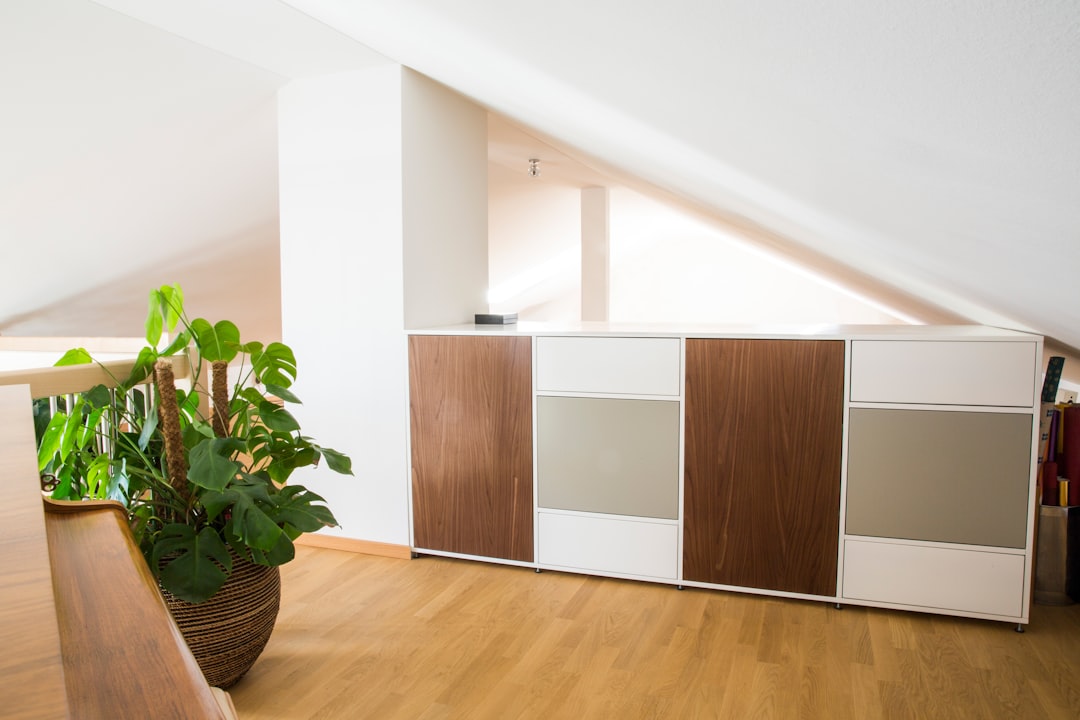
Megafurniture’s teak-veneer sideboards use a phenolic resin backing that fares better in Eunos’ humidity than most veneer-glued options. Their laminate collections include a 2mm edge banding that resists delamination — crucial for households that frequently rearrange furniture in open-concept layouts.
Wooden sideboards age better than MDF or laminated alternatives — particle board chips and swells in Singapore's humidity, while solid wood and quality veneers continue looking deliberate even after 5-10 years of daily use. Megafurniture's Wooden Sideboard range includes oak, walnut, rubberwood, and engineered wood with veneer finishes. Pieces start around $425 and run up to $1,400+ for solid-wood Japandi designs with rattan accents..Buyers often underestimate how sideboards impact space in compact layouts. In a 15 sqm HDB living room, a 200cm-wide unit can block walkways entirely — leaving barely 60cm clearance on either side. Measure wall space before committing; aim for at least 80cm clearance on one side for comfortable movement. Sideboards narrower than 150cm work better in most HDB flats, especially those with dual-function dining-living layouts. Overlooking proportions leads to a cramped, impractical space that feels smaller than it actually is.
Glossy finishes might look sleek in showrooms, but they’re a magnet for scratches in homes with pets or young children. Matte finishes hide imperfections better and are more forgiving in high-traffic areas. For HDB flats with limited natural light, matte surfaces also reduce glare — a common issue in east-facing living rooms. Consider textured laminates or wood veneers for added durability. Kitchen cabinets in Singapore split into two categories: built-in fitted units installed during renovation, and freestanding cabinets that supplement existing storage when the original built-ins run out of room. Megafurniture's Kitchen Cabinet collection focuses on the freestanding side — tall pantry units, slim ladder cabinets, and modular pieces that fit kitchen alcoves. Pricing typically runs $200-$1,000 per linear foot for the modular range.. A finish that looks pristine in Bedok’s Megafurniture showroom might not hold up to daily wear in your neighbourhood flat.
Sideboards placed beneath wall-mounted aircon units often cause clearance issues. Measure from the floor to the AC’s lowest point; most sideboards need at least 75cm height to avoid blocking airflow. In HDB flats with older AC units, clearance can be tighter — sometimes requiring custom-height sideboards. Poor airflow leads to inefficient cooling and higher electricity bills. Always double-check AC placement before finalising sideboard dimensions.
Sideboards with too many drawers or shelves can overwhelm smaller spaces. In a 4-room BTO living room, opt for a mix of concealed storage and open display areas — too many cupboards make the room feel cluttered. Consider what you’ll actually store: diningware in dual-function spaces, or media accessories in living rooms. Overloading on storage features you won’t use wastes space and adds unnecessary bulk. A complete dining room rarely comes together one piece at a time — most renovators commit to table, chairs, sideboard, and accent pieces within the same 2-3 week window once the renovation finishes. Megafurniture's Dining Room Furniture collection consolidates the full setup, from dining sets and kitchen cabinets through to dining stools, benches, side tables, and storage. The 0% interest pay-later option helps spread larger total-room purchases across multiple months.. Prioritise functionality over excess.
Rubberwood sideboards are popular for their affordability, but they’re prone to warping in Singapore’s humidity. Engineered wood with moisture-resistant finishes holds up better, especially in ground-floor flats or homes near coastal areas like East Coast Park. Full-grain leather accents add sophistication but require regular maintenance. For high-traffic areas, sintered stone tops resist scratches and heat better than laminate. Choose materials that suit your lifestyle, not just your aesthetic preferences.
In Singapore’s humid climate, sideboard finishes often peel or warp within months — a frustration buyers discover too late. Megafurniture’s showrooms in Joo Seng and Tampines let you test drawers and hinges before committing, ensuring hardware withstands daily use. Their designs, tailored for SG homes, balance form and function — think rubberwood frames with tempered glass tops, priced between $1,200 and $2,400.
Sideboards here aren’t just storage; they’re dual-purpose pieces that anchor living-dining layouts. Megafurniture’s models, typically 150–180cm wide, fit seamlessly into larger condos or landed properties. The finishes — espresso laminate, matte oak veneer — resist humidity, a detail you’ll appreciate during monsoon season. Testing in-store reveals how smoothly drawers glide, a small but telling feature.
For design-forward buyers, Megafurniture’s sideboards offer more sophistication than standard TV consoles. A sideboard pairs visually with the dining table sat 1-2 metres away — matching wood tone, complementary metal hardware, or deliberate contrast in finish. Megafurniture's Dining Table range covers wooden, marble, sintered stone, glass, and rubberwood tops in round, rectangular, and extendable formats. Sizes span 4-seater through 8-seater, with extendable variants useful for HDB dining rooms that host occasional larger gatherings.. The slim profiles and clean lines suit modern interiors, while the concealed storage keeps clutter out of sight. It’s a practical choice for homeowners who want furniture that works as hard as they do — without compromising on aesthetics. Visit the showrooms to see how these pieces hold up in real-world conditions.
Delivery for sideboards often involves staircases — especially in walk-up apartments or landed properties where the unit won’t fit in lifts. Extendable dining tables solve the most common Singapore HDB problem — dining for 4 daily, dining for 8 at Chinese New Year and birthdays. Megafurniture's Extendable Dining Table range covers butterfly-extension, drop-leaf, and extension-leaf mechanisms in sintered stone, wood, and marble tops. Most sit in the 140-180cm closed position, extending to 200-240cm when expanded.. Confirm delivery fees upfront; some retailers charge extra per flight of stairs or for narrow HDB corridors. Humidity warping claims spike during monsoon season, so check warranty fine print — cheaper engineered wood may only cover defects for six months in Singapore’s climate.
Assembly typically takes two hours if hardware’s pre-drilled, but budget three if adjusting for uneven floors in older flats. Professional installation’s worth considering for larger units (180cm+) in tight spaces — a sideboard crammed against a pre-war shophouse wall won’t leave room for error.
Megafurniture’s Joo Seng showroom lets buyers test drawer glides before purchase — useful since sideboards double as media consoles with daily use. Their warranty covers drawer mechanism repairs but excludes water rings from glasses; specify if you’ll use it as a bar cabinet.
Delivery crews here know to remove shoes before entering, but they’ll appreciate plastic floor protectors rolled over parquet or marble. Keep the original packaging for at least two weeks — that’s when alignment issues from transport humidity tend to surface.
Combining metals like brass and nickel adds depth and personality to sideboard hardware. This trend embraces contrast, allowing for creative customization in eclectic or transitional spaces. Designers recommend using mixed metals to highlight unique drawer pulls or cabinet hinges.
Matte black hardware continues to lead in sideboard design, offering a sleek and modern aesthetic. Its versatility pairs well with both minimalist and industrial styles, making it a top choice. Homeowners favor its fingerprint-resistant finish, ensuring a polished look with minimal upkeep.
Ultra-thin or hidden backplates create a seamless, streamlined appearance for sideboard hardware. This approach emphasizes clean lines and uncluttered surfaces, ideal for contemporary spaces. The subtlety of this design lets the sideboard’s material and form take center stage.
Curved, asymmetrical hardware designs are replacing traditional angular pulls for a softer touch. These organic shapes complement natural wood grains and earthy color palettes. The trend reflects a shift toward biophilic design in home interiors.
Sideboard knob styles: complementing modern and classic interiors
Sideboards in Singapore homes often double as TV consoles — a practical solution for 4-room BTO flats where space is tight. But buyers frequently ask: how do you keep them looking sharp in SG’s humidity?
What’s the best material for a sideboard in Singapore’s climate? Coordinated dining sets remove the matching-the-chairs decision that trips up most first-time renovators — table, chairs, and sometimes a bench all sized and styled to work as a unit. Megafurniture's Dining Set range groups by seater capacity (4, 6, 8) across wooden, marble, and sintered-stone configurations. Most sets land between $899 and $2,400 depending on material and chair count.. Engineered wood with moisture-resistant finishes — like rubberwood or MDF sealed with polyurethane — holds up better than solid wood, which can warp. For coastal estates like Marine Parade or Pasir Ris, sintered stone tops add durability against salt air.
What dimensions work in a 15 sqm living room? Aim for 150–180cm width and 75cm height — anything taller can overwhelm smaller spaces. Narrower options (around 120cm) fit snugly in HDB layouts, leaving room for a sofa or dining set.
How do you clean a sideboard without damaging it? Weekly dusting with a microfiber cloth prevents buildup; for spills, wipe immediately with a damp cloth and dry thoroughly. Avoid harsh cleaners — even mild soap can strip finishes over time.
Sideboards vs TV consoles — what’s the difference? Sideboards offer concealed storage and a display surface, making them versatile for living-dining combos. TV consoles, while sleeker, often lack drawers or cupboards. In many homes, the sideboard’s dual function wins out.
A sideboard that fits perfectly in your Tampines condo’s dining area might overwhelm a compact Joo Seng HDB living room. Measure twice: account for 60cm clearance around dining chairs, and remember that most sideboards look 10% larger once installed under harsh LED lighting. Showroom lighting flatters; your hallway’s shadowy corners won’t. Test every drawer glide in person—Singapore’s humidity warps particleboard runners within months. Look for full-extension metal glides with nylon rollers; they’ll survive monsoon seasons better. Run your palm along veneer edges; rough spots signal poor sealing against moisture. Delivery teams won’t haul a 180cm teak sideboard up 14 floors if your lift’s interior measures under 210cm. Dining chairs see more daily use than almost any other piece of furniture — three meals a day for 4-6 people typically means 60-100 sit-stand cycles weekly. Megafurniture's Dining Chair range covers wooden, metal, upholstered, and stackable variants in fabric, leather, and faux-leather upholsteries. Most are sized at 45cm seat height to pair with standard 75cm dining tables.. Confirm staircase surcharges upfront—some landed properties in Bedok require disassembly at the porch. Warranties often void if installed near unsealed windows where salt air creeps in. The right sideboard balances storage needs with traffic flow. A 150cm model with tambour doors might suit a narrow Eunos hallway better than a 200cm showpiece that forces guests to sidestep.
Browse sideboardswith these dimensions in mind. What works in a sprawling Bukit Timah bungalow rarely translates to a 4-room BTO’s dining nook.