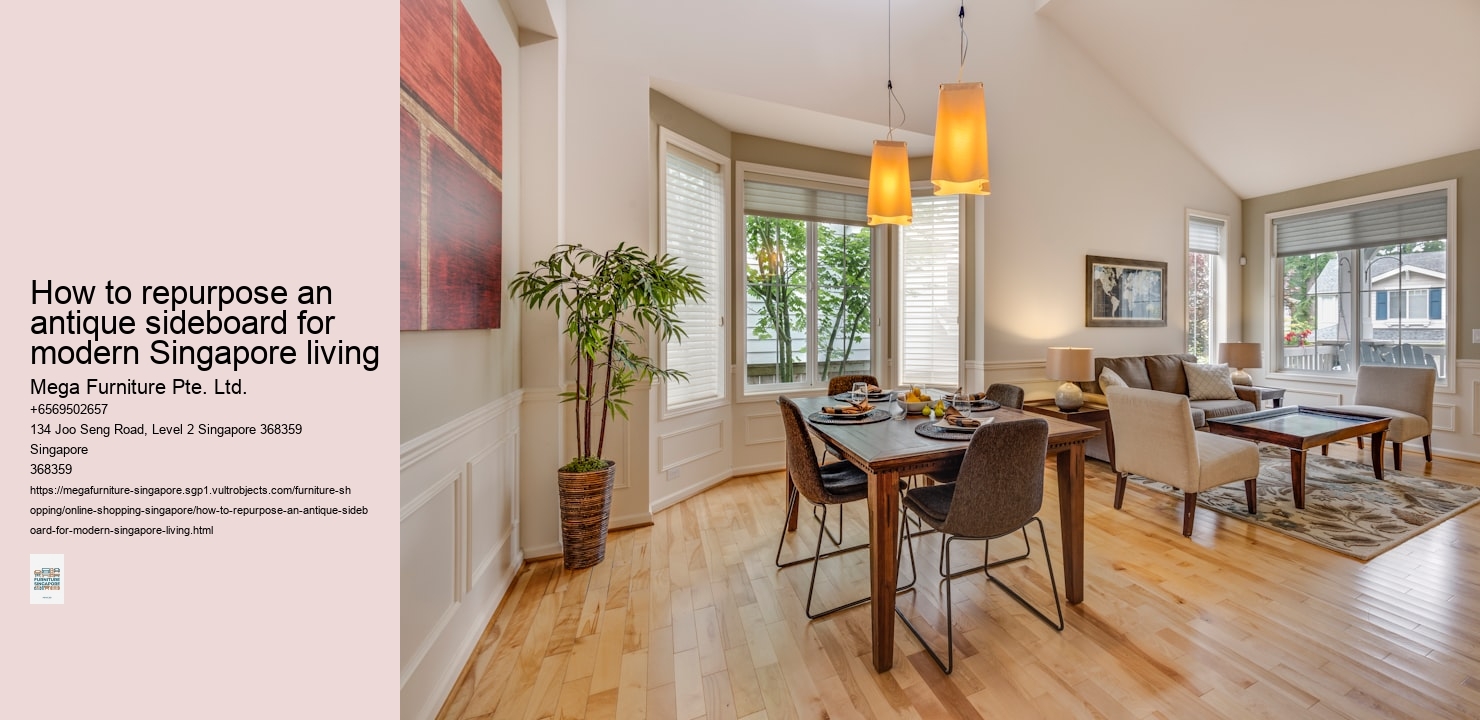
HDB corridors don’t forgive. That 90cm doorway clearance becomes a hard limit when maneuvering furniture — measure twice, buy once. Modern sideboards hover around 45cm depth for good reason: any deeper and you’ll block walking paths in 4-room flats where living areas average 2.8m wall-to-wall. The sweet spot? 180cm width fits flush beneath most BTO feature walls while leaving space for floor lamps or plant stands.
Standard HDB lift dimensions (1.5m x 1.4m) dictate more than delivery logistics. A 75cm tall sideboard clears most electrical trunking along walls, but check your specific unit — older flats sometimes have exposed pipes running at knee height. Go for tapered legs or recessed bases if your flooring has uneven transitions between living and dining zones.
Display surfaces need breathing room. Allow 30cm clearance above for artwork or wall-mounted lighting in low-ceiling flats. Open shelving units should stay under 35cm depth to avoid overwhelming narrow spaces — anything deeper becomes a clutter magnet. For reference, a typical three-seater sofa stretches 210cm; your storage should balance proportionally without mirroring that length exactly.
Megafurniture’s sideboard collection offers several 160–185cm models with 42cm depths, designed specifically for Singapore’s spatial constraints. Their rubberwood options handle humidity better than cheaper particleboard, though you’ll want to avoid direct AC blasts on any solid wood finish. Consider wall-mounted alternatives if your flooring has noticeable slant — older HDBs sometimes settle unevenly.
Singapore’s humidity warps MDF sideboards within months—especially in east coast flats where salt spray accelerates decay. That rattan-wrapped display unit might look charming in Tiong Bahru’s air-conditioned showrooms, but open-air landed properties in Siglap need solid teak or marine-grade plywood with dovetail joints. Check drawer glides for stainless steel bearings; plastic runners swell shut by August. Coastal condos from Marine Parade to Pasir Ris face 84% average humidity that delaminates particleboard veneers. A proper sideboard here needs quarter-sawn timber (less prone to cupping) and raised legs—no flat bases trapping dampness against floors. Look for ventilation cutouts behind cabinet backs; that 1970s teak sideboard from your grandmother’s Katong shophouse survived decades because its carcase breathed. Modern laminates touted as “water-resistant” often fail at seams. A sideboard storing whisky in Sentosa Cove’s humidity needs epoxy-coated edges, not PVC tape. For high-use drawers in humid climates, full-extension glides with nylon rollers outperform basic metal tracks—they won’t corrode when kids drip wet swimsuits onto them. Some Jurong homeowners swear by powder-coated steel frames with timber inserts, though condensation can still pool underneath. The real test? Run your hand along the underside after a rainy week—if it feels tacky, walk away.
Teak optionswith oil-rubbed finishes age better than lacquered ones near open windows. Warping isn’t always immediate. That sleek sideboard might sit straight in your Showflat-view condo for a year, then develop a 3mm lean during monsoon season. Check the warranty covers humidity damage—most don’t.
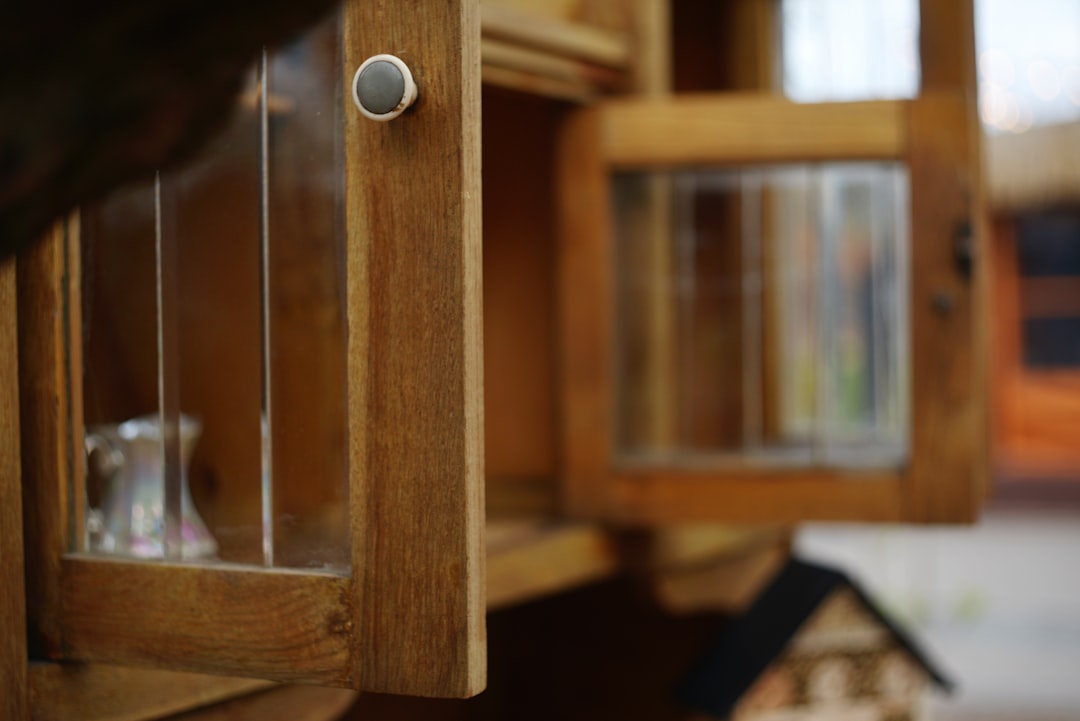
Modern sideboards carve open-concept areas without walls—position one perpendicular to the sofa to demarcate dining from living zones. In 120sqm condos, this creates visual separation while maintaining airflow; opt for perforated metal or rattan panels if light diffusion matters. The 1.2m clearance rule still applies—measure from sideboard edge to dining chair backs. Landed properties might float a unit between indoor and outdoor spaces, doubling as a plant stand for the lanai. Just ensure tropical humidity won’t warp solid wood finishes within months.
Floor-to-ceiling sideboard configurations absorb clutter in narrow landed property corridors—stack two 90cm-tall units with a 30cm-deep upper shelf for display. Singaporeans typically store everything from crockery to router boxes here, so include at least three drawers with soft-close mechanisms. Depth matters: 45cm fits folded tablecloths; 55cm swallows standing mixers. For HDB dwellers, a shallow 35cm-deep version tucks behind dining tables without blocking walkways. Always leave 20cm clearance above for lifting heavy items without scraping ceilings.
Teak veneer sideboards withstand aircon blasts in open-plan condos better than solid oak—the cross-grained laminate resists warping. Pair with sintered stone tops near dining areas to prevent wine ring stains; their 12mm thickness handles hot dishes directly. In landed homes, powder-coated steel bases elevate units above monsoon season dampness. For high-traffic zones, skip glossy lacquers—matte finishes hide scuffs from schoolbags and grocery trolleys. Local workshops often offer rubberwood cores with ceramic tile tops at half the price of imported options.
LED strip lighting transforms sideboards into ambient sources—install warm 2700K strips under floating shelves to illuminate dinnerware. Choose diffused channels to prevent glare in media console setups; they’ll cast enough light for board games without competing with the TV. For landed properties, weatherproof puck lights inside glass-fronted cabinets highlight barware collections. Smart bulbs add flexibility—schedule dimmed lighting for late-night snack raids. Just avoid direct uplighting on wood surfaces, which accelerates fading in our equatorial sun.
Standard 75cm heights suit Western dining chairs but feel awkward with local plastic stools—consider 65cm for kopitiam-style setups. Media console conversions demand 50cm-tall units to align with sofa armrests; add a 15cm plywood plinth if needed. In landed homes, 110cm bar-height versions create casual breakfast counters when paired with backless stools. For elderly households, avoid anything below 60cm—the bending strain outweighs aesthetic gains. Always mock up heights with cardboard boxes before committing to custom orders.
Testing drawer weight capacity isn’t just about durability—it’s about dinnerware survival. At Megafurniture’s Tampines showroom, bring a loaded tray (18kg minimum for six-place settings) and test glide mechanisms fully extended. Rubberwood veneer thickness often varies between production batches; run a fingertip along raw edges to verify the advertised 2mm isn’t sanded down to 1.5mm post-transit. Showroom lighting can disguise grain mismatches—ask staff to tilt sample drawers toward natural light. Cheaper sideboards often skimp on drawer liners; listen for cutlery rattling against bare particleboard during their in-house stability test. Their Joo Seng outlet keeps a demo unit with removed back panels to check joint reinforcements. Delivery teams won’t wait while you measure veneers, so note the inspection certificate number during purchase. Their Somnuz® mattress line’s packaging team handles sideboard deliveries too—look for double-wall cardboard corners on flat-packed units. For rubberwood care in humid climates, their showroom applies a beeswax blend monthly. You’ll find the same tin in their
buffet hutch collectiondisplay area.
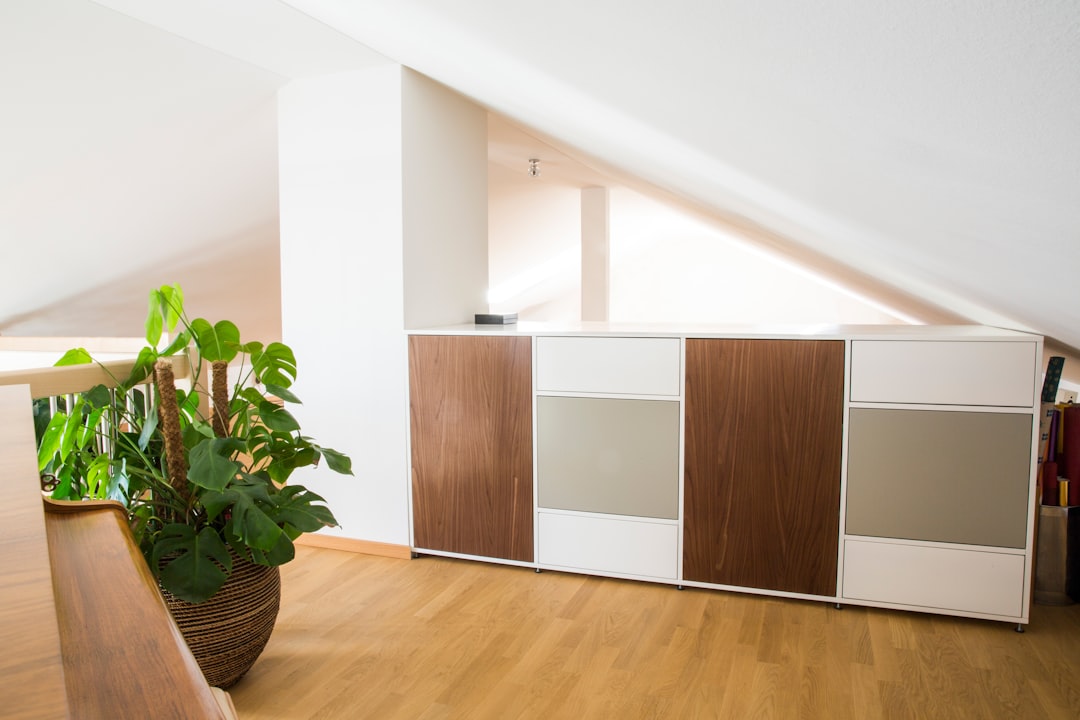
Scratches along the base of sideboards tell the story of free-roaming cats in landed homes—those low, sweeping arcs where claws meet wood during midnight sprints. For pet owners, tempered glass panels (S$180/sqm at Sungei Kadut workshops) solve the problem without sacrificing aesthetics; they’re cut to size and installed as a discreet barrier along vulnerable edges, turning what would be a monthly sand-and-revarnish project into a wipe-clean surface. The trick is specifying 6mm glass with polished edges—thinner sheets risk vibration fractures from heavy cabinet doors slamming shut, while raw-cut edges snag cleaning cloths.
Most workshops recommend mounting the panels with clear silicone spacers rather than adhesive, creating a 2mm gap that prevents trapped litter or fur from grinding against the wood. It’s a detail that matters in humid climates, where moisture can seep under solid mounts and warp veneers over time. For sideboards with turned legs or intricate carvings, some owners opt for L-shaped glass corner guards—less seamless but easier to retrofit than full panels.
The modification works best on sideboards with straight lines and flat surfaces, particularly those in high-traffic zones near dining areas or litter boxes. One Tampines homeowner reported her Burmese cat stopped scratching entirely after installation, though she still keeps a sisal scratching post wedged between the sideboard and wall as a decoy. Glass won’t deter determined chewers (for that, bitter apple sprays applied to the wood underneath are more effective), but it buys time for training.
Budget S$200–S$400 for a typical 1.8m sideboard, including installation. Workshops usually require the cabinet to be brought in—few offer on-site services unless you’re doing a full home renovation. Those near pet supply hubs like Serangoon North tend to stock pet-specific materials like non-slip rubber pads for glass panels, while industrial areas like Tuas focus on commercial-grade solutions.
Megafurniture’s collection includes sideboards with built-in scratch-resistant laminate finishes, though retrofitting existing pieces remains the more cost-effective option for landed properties. The glass panels age well, developing a faint patina of micro-scratches that diffuse light rather than yellowing like plastic protectors.
Laminate flooring warranties often exclude swelling in unconditioned spaces—a critical detail for basement units in waterfront developments like Reflections at Keppel Bay. That fine print matters when your storage room humidity hits 85% by November. Most buyers discover the loophole only when their flooring buckles near the service ducts.
Standard warranties typically cover manufacturing defects, not environmental factors. Condo basement units—even luxury ones—often fall into this grey area. The problem isn’t the material; it’s the assumption that all spaces are air-conditioned. Developers rarely highlight this during showflat tours.
For basement buyers, three details matter: warranty start date (some begin at project completion, not key collection), exclusion clauses (look for "humidity-related damage" disclaimers), and whether the flooring contractor handles rectification. One D10 resident spent $12,000 replacing warped flooring because their warranty excluded "areas with inadequate ventilation".
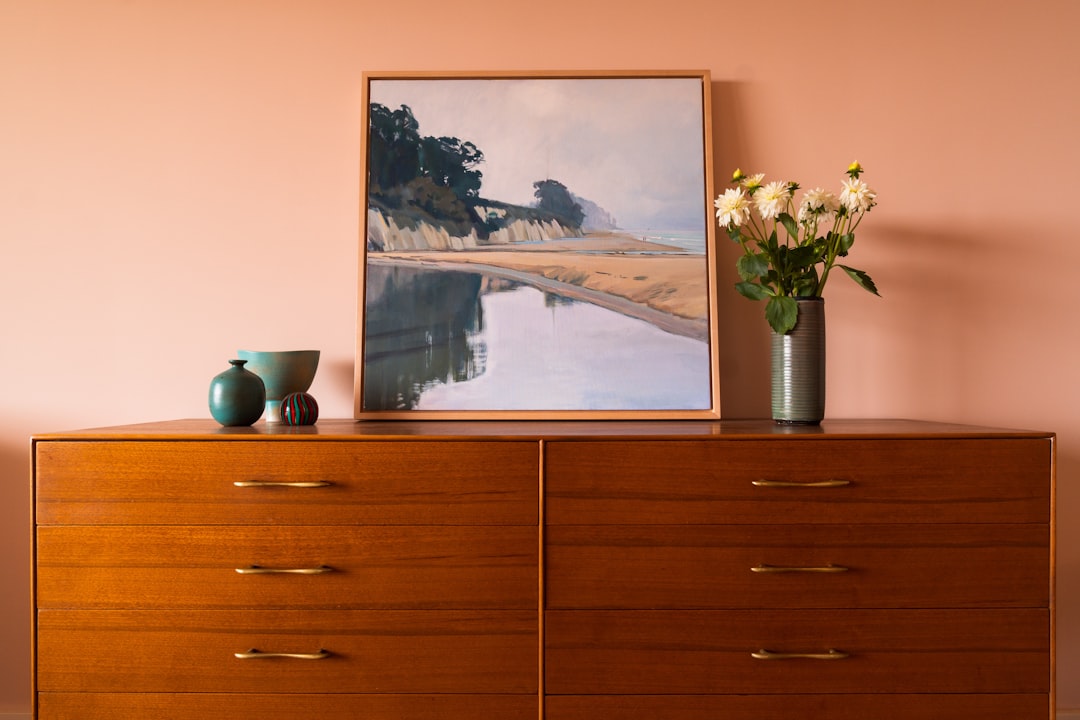
Pre-purchase inspections should include a moisture meter reading. If the basement measures above 60% RH during the viewing, assume you’ll need to budget for dehumidifiers—or alternative flooring. Some owners retrofit with vinyl planks, sacrificing the seamless look for practicality.
Megafurniture’s laminate collections specify humidity tolerances upfront—a rarity among mass-market retailers. Their showroom staff can demonstrate how different finishes react to simulated tropical conditions. Worth noting: their warranties explicitly exclude installations in wet areas like basements unless sealed with additional moisture barriers.
Convert an antique sideboard into a sleek industrial-style storage unit by sanding down ornate details and applying matte black or gunmetal gray paint. Replace traditional handles with minimalist metal pulls or exposed hinges for an urban loft aesthetic. Pair with metallic decor or concrete-finish accessories to complete the modern look.
Reposition the sideboard as a kitchen island by adding a quartz or butcher-block top. Install hooks underneath for hanging utensils and fit one drawer with dividers for spice jars. The carved legs or vintage detailing add character to contemporary cooking spaces.
Remove cabinet doors to create open shelving for displaying curated ceramics, coffee table books, or indoor plants. Line the back panel with patterned wallpaper or peel-and-stick tiles for a pop of texture. Ideal for compact Singapore homes needing both storage and visual appeal.
Drill discreet holes for cable management and use the sideboard as a charging station for devices. Top with a mirror and baskets for keys/mail, while drawers hide unsightly adapters. The fusion of old-world charm and modern functionality suits high-rise living.
Retrofit the sideboard with interior LED strip lights to highlight glassware or liquor bottles. Add a removable tray for mixing drinks and use wax to protect the original wood from condensation. Perfect for entertaining in space-conscious Singapore apartments.
Projector owners in 4m-wide living rooms often regret the standard 60cm TV console height when their screen crops the bottom third of every film — sideboards hover at a more forgiving 45cm, letting you binge without neck strain. That extra 15cm matters more than you’d think; it’s the difference between mounting your projector at eye level versus craning upward like you’re in a back-row cinema seat.
Open-plan layouts turn router spaghetti into a design crime, and here’s where sideboard drawers outclass flip-top console cabinets. You can stuff a mesh network hub, tangled cables, and even the ISP’s ugly modem behind solid timber — no more plastic blinking lights ruining your Scandinavian minimalist vibe. Most TV consoles prioritise open shelving for soundbars, which just means dusting more surfaces.
Sideboards do demand compromises. Their deeper frames (typically 50cm versus consoles’ 35cm) eat into narrow walkways in combined dining-living spaces — problematic in older condos where developers carved up 90 sqm units with awkward columns. And while both handle 55-inch TVs safely, sideboards distribute weight better for those eyeing 75-inch upgrades later.
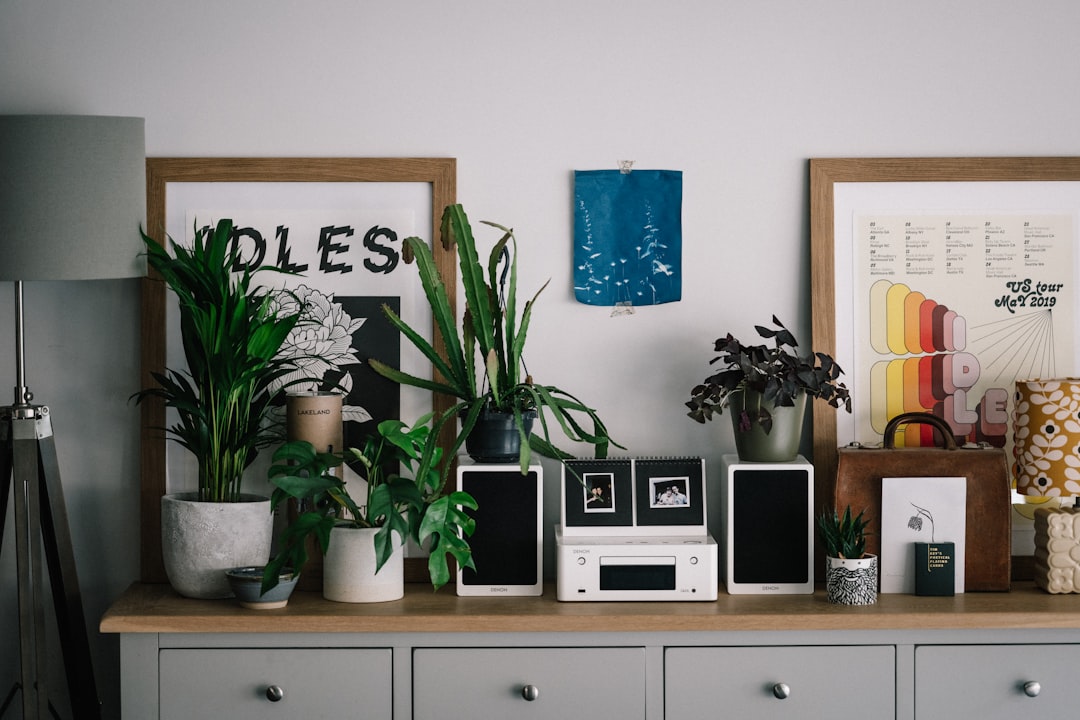
The real test comes when guests assume it’s just a pretty surface for your ceramic collection, then gasp at how much junk disappears behind those fluted cabinet doors. Storage beds get all the hype for HDB flats, but sideboards are the secret workhorses of landed property living rooms.
Browse the options if you’re weighing router concealment against projector angles — just measure your sightlines first.
How to secure a sideboard to the wall for enhanced stability
Moving an antique sideboard into a pre-1996 walkup apartment means budgeting for dismantling—those narrow stairwells and tight corners weren’t designed for solid teak behemoths. Expect to add S$200 for labour, plus another hour’s wait while the delivery team reassembles it in your living room. Landed properties might seem easier, but that Joo Seng warehouse truck needs 3.5m clearance; if your semi-detached’s driveway has low-hanging frangipani branches, they’ll charge extra for a smaller vehicle.
The real challenge comes with HDB lifts—most sideboards over 180cm won’t fit diagonally, and those ornate carved legs? They’ll snag on every neighbour’s bicycle parked in the common corridor. Condo dwellers fare slightly better, though basement loading bays often have height restrictions that rule out upright packaging. Pro tip: measure your lift’s diagonal depth with a broomstick first, not a tape measure.
Older shophouse conversions bring their own quirks. That 1920s sideboard might’ve originally lived in a similar space, but modern fire safety regulations mean delivery teams can’t block staircases—even temporarily. Time the move for off-peak hours unless you want to apologise to six café patrons trying to squeeze past with iced lattes.
For landed homes, the issue isn’t just access but humidity. A solid wood sideboard left waiting on the porch during a sudden downpour will warp before it even crosses the threshold. Delivery teams worth their salt will bring moving blankets and plastic sheeting, but always check the weather app.
Some homeowners resort to cranes for upper-floor condos—hardly cost-effective for a S$1,200 sideboard, though it does make for great #renonation TikTok content. Most just opt for modular designs that fit standard lift dimensions, or hunt for vintage pieces already local to their neighbourhood. After all, that 1970s rosewood sideboard from Katong fits through East Coast doorways better than one hauled in from Jurong.