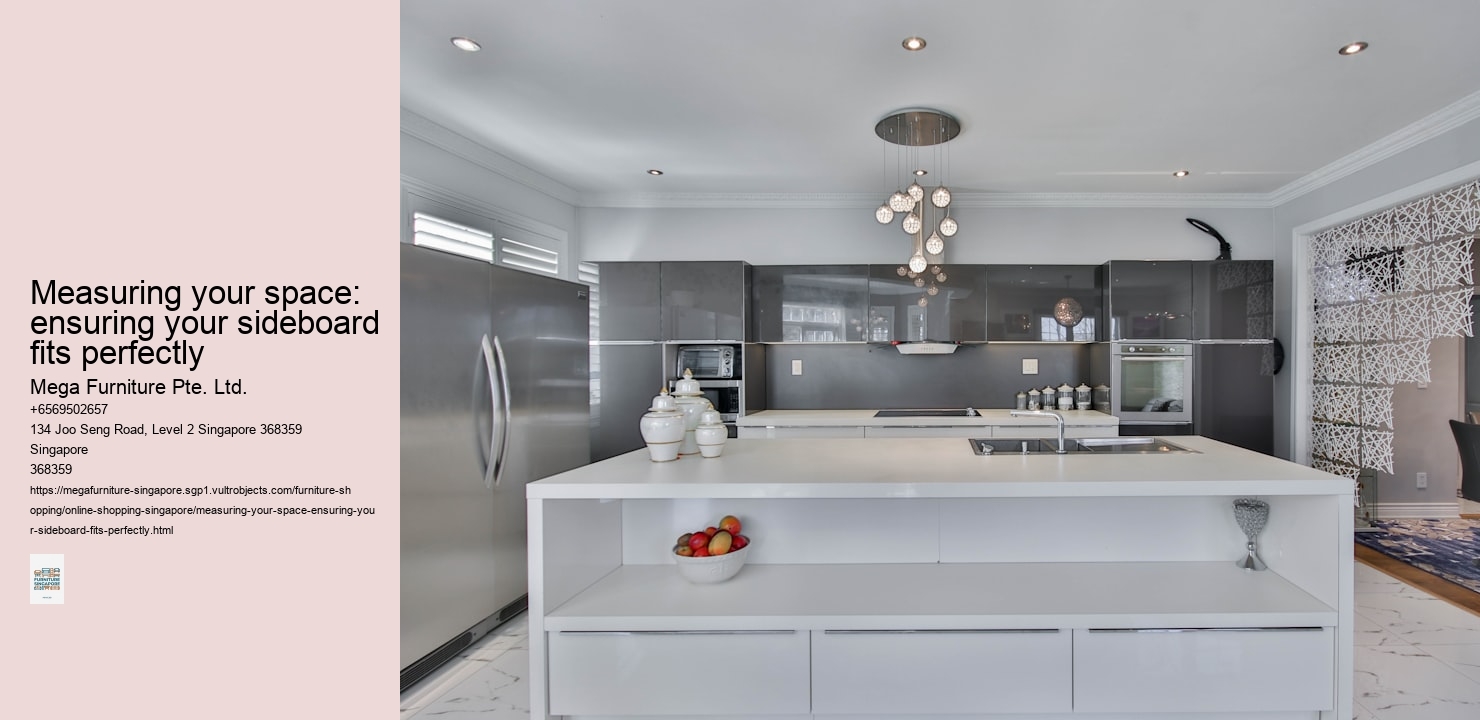
In a 12 sqm HDB living room, a sideboard that’s too long can dominate the space, leaving little room for movement. Aim for designs around 150cm to 180cm — anything over 200cm risks feeling cumbersome, especially in dual-function layouts where the sideboard doubles as a media console or bar cabinet. Keep 80cm clearance for circulation; that’s enough to navigate comfortably without bumping into furniture.
For larger spaces, like a 15 sqm condo master bedroom, you’ve got more flexibility, but don’t go overboard. A sideboard between 180cm and 200cm works well, offering ample storage without overwhelming the room. Consider the height too — 75cm to 90cm is ideal, balancing storage capacity with a low-profile look that doesn’t obstruct windows or wall art.
Material choice matters as much as size. Rubberwood and sintered stone are popular for their durability and clean lines, fitting seamlessly into modern SG interiors. Avoid overly ornate designs; they tend to clash with the minimalist aesthetic many homeowners favour. Instead, opt for clean finishes like matte white or walnut veneer — versatile enough to blend with most colour schemes.
One common mistake is underestimating the sideboard’s depth. Wooden Sideboard . At 40cm to 50cm, it’s deep enough to store dinnerware or electronics but shallow enough to maintain an open feel in compact spaces. Anything deeper risks encroaching on the room’s footprint, making it feel smaller than it is.
Finally, think beyond storage. A sideboard’s top surface often becomes a display area — for plants, books, or decorative objects. Keep this in mind when measuring; you’ll want enough space to style it without cluttering the room.
Optimizing sideboard ventilation: preventing moisture buildup and mold growth
Singapore’s humidity hovers around 80% year-round, and it doesn’t take long for particleboard to swell and warp in a Bukit Timah condo or a Punggol HDB. Teak, with its natural oils, resists moisture better than most woods — it’s why you’ll find it in colonial-era shophouses still standing strong. Engineered wood, layered and treated for stability, performs well too, though it’s worth checking for certifications like FSC to ensure it’s sustainably sourced. Laminates, often paired with engineered wood cores, offer a budget-friendly alternative that’s easy to wipe down after a spill.
Avoid particleboard at all costs — it’s the Achilles’ heel of humid climates, prone to warping and delamination within months. Wooden sideboards age better than MDF or laminated alternatives — particle board chips and swells in Singapore's humidity, while solid wood and quality veneers continue looking deliberate even after 5-10 years of daily use. Megafurniture's Dining Table range includes oak, walnut, rubberwood, and engineered wood with veneer finishes. Pieces start around $425 and run up to $1,400+ for solid-wood Japandi designs with rattan accents.. Even in air-conditioned spaces, the edges can bubble or peel, leaving your sideboard looking worse for wear. Look for Green Label certifications, which indicate materials tested for durability in tropical conditions.
In many homes, sideboards double as bar cabinets or media consoles, so spills are inevitable. A moisture-resistant finish, like a polyurethane coating, adds an extra layer of protection. For a sleek look, consider laminates with matte finishes — they’re less likely to show fingerprints or water marks.
Teak’s natural grain and warm tones pair well with modern interiors, while laminates come in a range of colours and textures to match any design scheme. Engineered wood offers a middle ground — durable, affordable, and versatile. Whatever you choose, prioritise materials that withstand Singapore’s relentless humidity without losing their shape or finish.
Sideboards in homes with pets need durable finishes that withstand daily wear. Matte laminates and solid wood are top choices — they resist scratches better than glossy surfaces. Textured finishes, like rattan or metal inlays, add an extra layer of protection. Avoid glass tops, as they’re prone to smudges and scratches from curious paws. For households with active dogs or cats, these materials ensure the sideboard stays pristine for years.
Pet-friendly sideboards should prioritise safety features to prevent accidents. Opt for rounded edges and secure hardware to avoid sharp corners or loose fittings. Ensure drawers and cabinets have smooth gliding mechanisms to prevent pinched paws. Avoid toxic finishes or materials that could harm pets if chewed. A well-designed sideboard keeps both your belongings and your pets safe in shared spaces.
Extendable Dining Table .Sideboards in pet-friendly homes often double as storage hubs for pet supplies. Choose designs with ample drawers or cabinets to stow leashes, toys, and grooming tools. Open shelves can display decorative items while keeping them out of reach. Taller sideboards with closed storage prevent pets from accessing delicate items. Efficient storage keeps your living area organised without compromising on style.
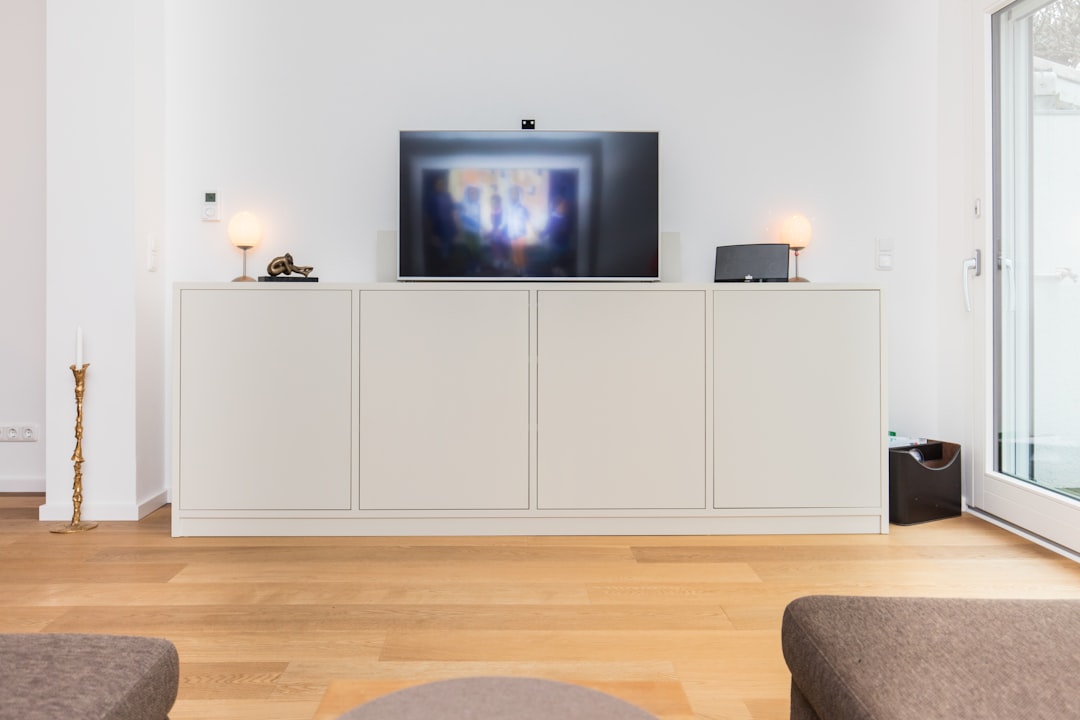
The right materials make all the difference in pet-friendly sideboards. Solid wood offers durability and timeless appeal, while engineered wood provides a budget-friendly alternative. Metal accents add a modern touch and resist scratches better than softer materials. Avoid delicate veneers or laminates that peel over time. Selecting robust materials ensures your sideboard remains functional and attractive in a pet-filled home.
Balancing aesthetics with practicality is key when choosing a sideboard for pet owners. Textured finishes or patterned surfaces can camouflage minor scratches and wear. Neutral tones or darker colours hide pet hair and stains more effectively. Compact designs work well in dual-function dining-living layouts, blending seamlessly with other furniture. A thoughtfully chosen sideboard enhances your space without sacrificing functionality for style.
One classic Singaporean misstep? Buying a sideboard that towers over the TV. The sweet spot sits between 75–90cm tall—any higher and you’ll strain your neck watching Channel 8 dramas; any lower and your soundbar blocks the drawers. Measure twice: that sleek 200cm-wide design might fit the showroom floor, but squeeze into a 4-room BDB living room with 170cm between walls and suddenly you’re shuffling sideways past it every morning.
Depth matters more than most realise. Sideboards deeper than 50cm eat into narrow walkways—problematic in open-concept layouts where the dining area bleeds into the living space. Yet skimp below 40cm and you sacrifice storage for tableware or gaming consoles. Rubberwood frames with soft-close drawers handle humidity better than MDF in our climate, though they’ll cost $200–$400 more.
The worst offenders? Sideboards with protruding handles in high-traffic zones. That ornate brass pull might look stunning in Tampines’ showroom, but it’ll snag schoolbags in a Pasir Ris hallway. Opt for recessed grips or push-to-open mechanisms—especially if your corridor’s under 90cm wide.
Some buyers fixate on matching their dining set, forgetting sideboards now multitask as media consoles. A model with cable management cutouts behind the back panel saves the headache of tangled HDMI wires. Those eyeing Megafurniture’s collection should note their 160cm Somnuz®-compatible designs include these practical touches while keeping to 48cm depth—slim enough for most HDB nooks.
Wall clearance trips up even seasoned shoppers. Leave 5–8cm behind for ventilation and power strip access, more if you’ve got skirting boards. Nothing screams rookie move like a sideboard jammed flush against the wall, its rear veneer peeling from trapped moisture within months.
A sideboard pairs visually with the dining table sat 1-2 metres away — matching wood tone, complementary metal hardware, or deliberate contrast in finish. Megafurniture's Dining Set range covers wooden, marble, sintered stone, glass, and rubberwood tops in round, rectangular, and extendable formats. Sizes span 4-seater through 8-seater, with extendable variants useful for HDB dining rooms that host occasional larger gatherings..Walking into a showroom, you’ll notice it’s not just about seeing furniture — it’s about feeling it. Sideboards, with their dual role as storage and display, need to fit seamlessly into your space, and that’s where hands-on testing makes all the difference. At the Joo Seng and Tampines showrooms, you can explore sideboards in person, ensuring they match your home’s dimensions and style. Most sideboards range between 150cm and 200cm wide, a size that works well in larger condos or open-plan living-dining layouts. Humidity-resistant builds are a practical touch for Singapore’s climate, while warranty-backed quality means you’re investing in something built to last. Testing these features in person lets you gauge how the piece will perform in your daily life — something online shopping can’t quite replicate. For those balancing storage needs with design, sideboards offer a sophisticated alternative to standard TV consoles. The top surface becomes a display area for decor or barware, while the concealed cabinets keep clutter out of sight. Extendable dining tables solve the most common Singapore HDB problem — dining for 4 daily, dining for 8 at Chinese New Year and birthdays. Megafurniture's Dining Chair range covers butterfly-extension, drop-leaf, and extension-leaf mechanisms in sintered stone, wood, and marble tops. Most sit in the 140-180cm closed position, extending to 200-240cm when expanded.. It’s this dual functionality that makes them a favourite in modern homes, especially in neighbourhoods like Tampines or Bedok where space is often optimised for both living and dining. Seeing sideboards in a showroom also helps you visualise how they’ll anchor your space. Whether you’re furnishing a landed property or a dual-function layout, the tactile experience ensures you’re making an informed choice. After all, it’s not just about buying furniture — it’s about finding the right fit for your home.
Browse the optionsand see how they’ll work in your space.
The sideboard that barely clears your lift doors won’t survive the 90-degree turn into your corridor — a common headache in older condos along East Coast or landed homes with tight stairwells. Measure twice: most standard pieces hover around 80cm tall and 180cm wide, but those extra 5cm on the width could mean dismantling your balcony railing for a crane lift. Flat-pack assembly solves half the problem, though humidity warping remains a gamble. Megafurniture’s warranty covers scratches during professional assembly (their team knows how to navigate Tampines lift lobbies), but check the fine print for moisture damage — that teak veneer won’t last six months against unventilated store rooms doubling as bomb shelters. Assembly crews report most damages happen post-delivery, when homeowners drag pieces across marble floors or wedge them against aircon vents. Pay the extra $120 for felt pads and corner buffers if your sideboard’s destined for a high-traffic zone between dining and living areas. Some showrooms keep mock-up staircases in their Joo Seng warehouse for test fits; it’s worth asking before signing off on a 200cm solid wood unit destined for a walk-up apartment. The real test comes when the delivery van’s idling downstairs with the meter running.
Their assembly teamclocks 20+ sideboard installs weekly, mostly in 1,200 sqft condos where every centimetre between the lift and front door gets negotiated like a chess move.
Before selecting a sideboard, measure the available wall space where it will be placed. Ensure there’s enough clearance for doors and walkways. Consider the room’s proportions to avoid overcrowding or undersizing the piece.
Position the sideboard near dining areas for easy serving access. In living rooms, use it as a media console or display surface. Avoid placing it in high-traffic zones to prevent accidental bumps or spills.
Modern sideboards feature clean lines and minimalist designs, ideal for contemporary spaces. Traditional styles often include ornate details and rich wood finishes. Mid-century designs blend functionality with retro aesthetics for a timeless look.
Choose a sideboard with storage that matches your needs, such as drawers or shelves. The finish should complement existing furniture and decor. Lighting above or inside the sideboard can enhance its visual appeal.
Can sideboards replace TV consoles? Absolutely — but it’s all about height. Most TVs need a surface around 60cm tall for comfortable viewing, so a sideboard taller than 75cm might leave you craning your neck. Opt for models with adjustable shelves or a lower profile if your TV’s wall-mounted.
Best material for humid climates? Teak’s a solid choice — it’s naturally resistant to moisture and warping. Laminate finishes work well too, especially in high-humidity areas like Bedok or Pasir Ris. Avoid untreated wood or veneers that might peel or swell in Singapore’s heat.
Max width for HDB layouts? Keep it under 180cm unless you’ve got a spacious living-dining combo. Anything wider can overwhelm smaller spaces, especially in 4-room BTO flats. Narrower sideboards around 120cm fit snugly in compact layouts without sacrificing storage.
Sideboards aren’t just for dining rooms anymore. In many homes, they double as media consoles or bar cabinets — just make sure there’s enough ventilation if you’re stashing electronics or wine coolers inside.
One thing to watch out for? Depth. Sideboards deeper than 50cm can eat into walkways, especially in narrow HDB corridors. Stick to slimmer profiles for tighter spaces — they’ll still hold your essentials without crowding the room.
Before committing to a sideboard, grab a tape measure—not just for the wall space where it’ll live, but for the pathways leading there. Many landed property stairwells max out at 70cm clearance, and that sleek 200cm sideboard won’t pivot past the Tampines HDB lift lobby without scuffing. Humidity’s the silent killer here; if your living room faces Bedok Reservoir or sits near a perpetually-steamy kitchen, skip porous materials like unfinished oak.
Dual-function pieces demand ruthless editing. That display ledge? It’ll collect mail and school permission slips within a week. Prioritise sideboards with at least 40% closed storage—deep drawers for table linens, cabinets tall enough for wine bottles. Megafurniture’s Joo Seng showroom lets you test drawer glide smoothness with one hand while holding a toddler in the other, a real-world stress test most online specs won’t reveal.
Warranties matter more than you’d think. Singapore’s 85% average humidity warps even kiln-dried timber within two years if the sealant’s subpar. Look for lifetime guarantees on drawer mechanisms and five-year coverage against veneer peeling—anything less suggests the manufacturer knows their limits. And always check the feet: adjustable levellers save hours of frustration when your century-old terrace house’s floors slope like a Venetian canal.
Finish samples viewed under your home’s lighting trump showroom impressions. That warm walnut veneer? It’ll read ashy under cool LED strips in your Pasir Ris condo. Slip a swatch in your bag, tape it to the intended wall for three days, and watch how morning sun versus evening downlights change its personality.
Sideboards outlive trends when their proportions suit your habits. A 75cm height aligns perfectly with most dining tables for buffet service, while 90cm versions double as console tables behind sofas—just mind the knee clearance. Measure twice, then measure again after coffee.