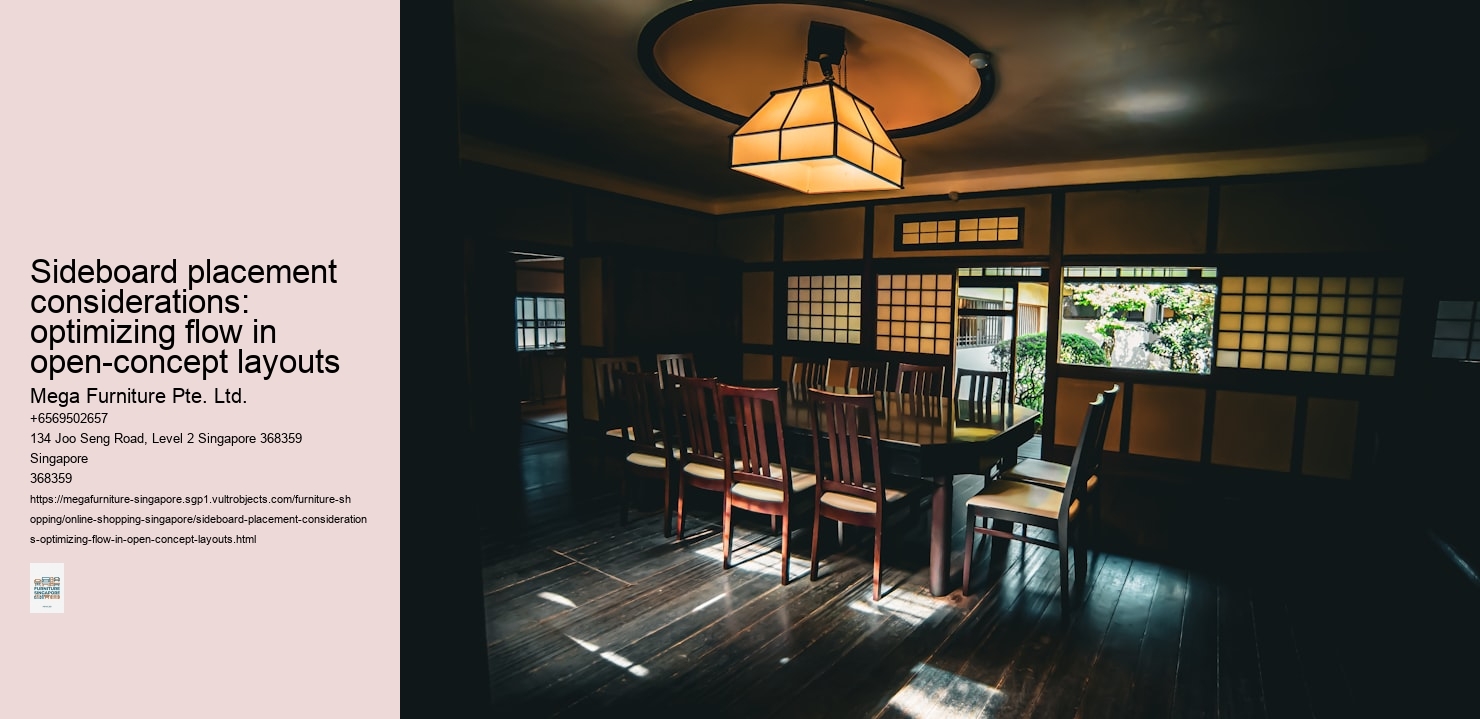
In Singapore’s space-starved bedrooms, a sideboard’s width dictates whether it functions as storage or becomes an obstacle course. HDB master bedrooms average 12–14 sqm—barely enough clearance for a queen bed and wardrobe—so anything beyond 150cm risks blocking natural pathways. Condo dwellers with 16–20 sqm bedrooms can push to 180cm models, but only if they’re willing to sacrifice a nightstand or keep the foot traffic single-file.
The sweet spot for most local bedrooms is 120–140cm—wide enough to stash folded linens and display a table lamp, narrow enough to avoid crowding the doorway. Depth matters too: 45cm fits standard HDB layouts without jutting into walkways, while 50–55cm works in landed properties where bedrooms often double as home offices. Forget about those sprawling 200cm showroom pieces unless you’re furnishing a Good Class Bungalow’s dressing room.
Material choices reveal subtle hierarchies. Rubberwood sideboards under $800 dominate HDB listings—lightweight for rearranging, neutral enough for resale appeal. Condo upgraders lean toward sintered stone tops ($1,200–$2,400) that withstand coffee spills during late-night work sessions. The real test? Whether you can open all drawers fully without hitting the bed frame—a detail most buyers overlook until they’re doing the sideways shuffle at 2am.
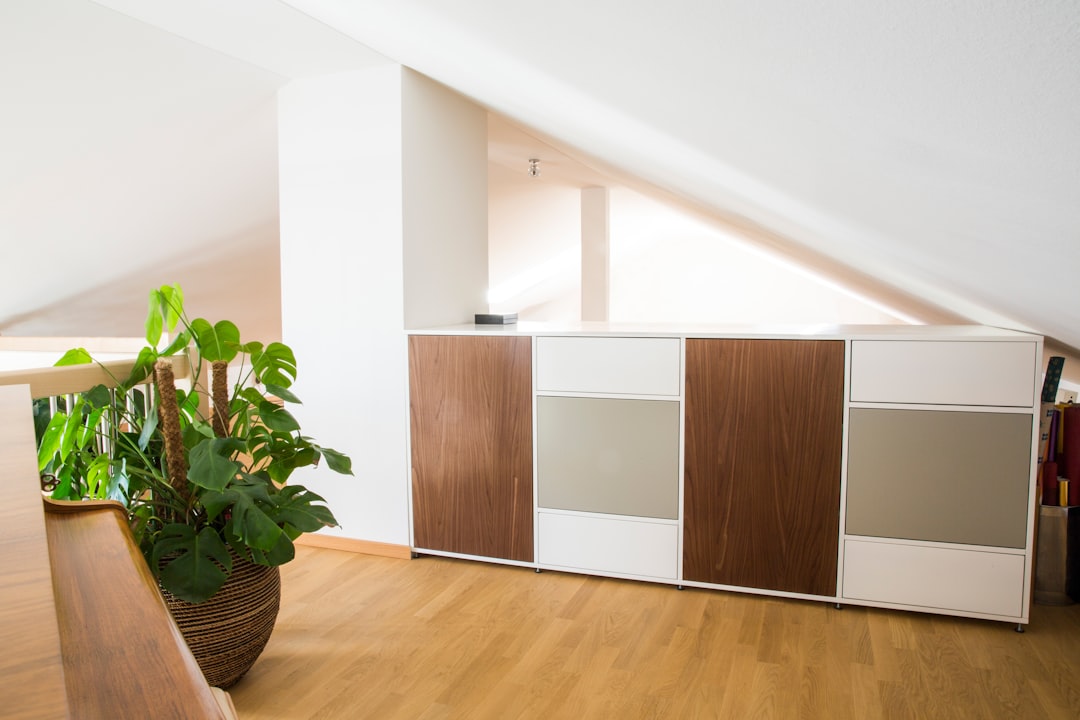
Megafurniture’s collection leans into these constraints with modular designs—some models shave depth to 42cm for tighter spaces, others offer asymmetrical drawer configurations. The buffet hutch differs from a basic sideboard by trading some surface area for taller storage above — useful in dining rooms where wall-mounted display takes precedence over serving space. Megafurniture's Buffet Hutch range includes traditional designs with glass-front upper cabinets, modern minimalist versions, and Japandi pieces with woven rattan panels. Solid-wood frame with MDF veneer dominates the line, finished in walnut, oak, white, and cream-lacquer.. Their Tampines showroom arranges sideboards in mock 12 sqm bedroom setups, proving even a 135cm piece can feel oppressive if the clearance zone dips below 60cm. The takeaway: measure your bedroom’s dead zones first, then subtract 15cm for breathing room.
In Singapore’s 80% humidity, solid wood sideboards expand slightly — a millimetre or two over seasons, enough to make drawers sticky. Engineered wood, on the other hand, resists warping better; its layered construction helps it hold shape even in damp conditions. Both materials need quarterly maintenance — a quick wipe with wood polish or conditioner — but engineered wood tends to forgive the occasional missed session.
MDF sideboards, while budget-friendly, swell and warp in high humidity, often within a year. They’re a gamble in landed properties with less climate control, where moisture levels fluctuate more than in air-conditioned condos. For buyers prioritising longevity, rubberwood or teak veneers are safer bets; they’re denser and less prone to moisture damage.
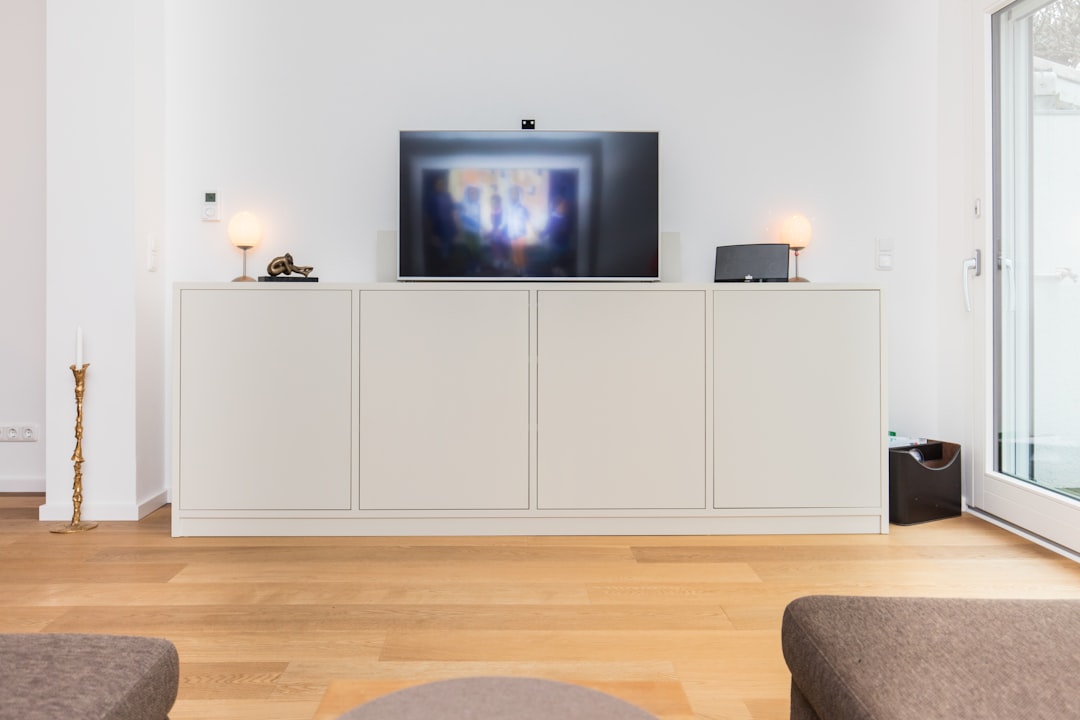
Maintenance matters more than material in the long run. Even the best wood won’t survive neglect — spills left to seep, polish skipped for months. A sideboard in a dual-function dining-living space sees more action than one tucked in a corner; it’s worth investing in materials that can handle the wear.
Sideboard style clashes: avoiding design discord in your home
Scratch-proof laminate surfaces are essential for households with cats, who often use furniture as makeshift scratching posts. High-pressure laminate finishes, typically found in modern sideboards, resist claw marks better than natural wood veneers. This durability ensures the piece maintains its polished look even in active homes — a practical choice for pet owners who don’t want to compromise on style. Rubberwood sideboards with laminated tops are particularly popular, offering both affordability and resilience. Opting for textured finishes can also help mask minor scratches that might occur over time.
Soft-closing drawers are a must for pet-friendly sideboards, preventing accidental injuries to curious paws. These mechanisms ensure drawers close gently, even if nudged by a playful pet, reducing wear and tear on the hardware. Many sideboards now feature this as a standard inclusion, especially in mid-range models priced between $1,200 and $2,400. Beyond safety, soft-closing drawers add a touch of luxury, making the piece feel more premium. For households with both pets and children, this feature doubles as a practical safeguard.
A sideboard height of 75–85cm strikes the right balance between functionality and pet safety. This range deters cats from jumping onto the surface, reducing the risk of knocked-over decor or spills. Taller units, while offering more storage, often become climbing surfaces for agile pets, defeating the purpose of a pet-friendly design. In many homes, this height also aligns well with dining tables or sofa arms, maintaining visual harmony. For dual-function spaces, it’s a practical compromise between aesthetics and practicality.
Kitchen cabinets in Singapore split into two categories: built-in fitted units installed during renovation, and freestanding cabinets that supplement existing storage when the original built-ins run out of room. Megafurniture's Kitchen Cabinet collection focuses on the freestanding side — tall pantry units, slim ladder cabinets, and modular pieces that fit kitchen alcoves. Pricing typically runs $200-$1,000 per linear foot for the modular range..Sideboards with solid, stable bases are less likely to tip over if a pet decides to climb or jump against them. Look for designs with wide, weighted legs or plinth bases that distribute weight evenly. This stability is especially important in open-concept layouts, where pets have more room to roam and explore. Materials like rubberwood or metal-framed bases add extra durability, ensuring the piece can withstand occasional bumps or nudges. A well-anchored sideboard not only protects pets but also preserves the longevity of the furniture itself.
Pet-friendly sideboards should be easy to clean, as fur, paw prints, and occasional spills are inevitable. Smooth, non-porous surfaces like laminate or sintered stone wipe down effortlessly, making them ideal for busy households. Avoid intricate carvings or textured finishes that can trap dirt and hair, opting instead for minimalist designs. Regular maintenance, like wiping with a damp cloth, keeps the sideboard looking fresh without requiring specialised cleaning products. For Singapore’s humid climate, moisture-resistant materials are an added bonus.
In many open-concept condos across Eunos and Bedok, the sideboard has become a quiet hero — bridging dining and living spaces without breaking the flow. It’s not just about storage anymore; it’s about creating a seamless transition between areas that serve different purposes but share the same airspace. Extendable Dining Table . Opt for designs around 150–180cm wide — narrow enough to avoid crowding the walkway, yet substantial enough to hold dinnerware on one end and a soundbar on the other.
Adjustable shelves are key here. You’ll want the flexibility to store taller items like wine bottles or vases alongside flatter objects like board games or DVDs. Look for models with concealed cable management, especially if you’re tucking a router or gaming console behind closed doors — nobody wants a spaghetti of wires ruining the clean lines of their living-dining area.
Materials matter in dual-function spaces. A rubberwood sideboard with a matte finish typically blends better than glossy laminates, which can feel out of place next to a dining table. For a cohesive look, consider finishes that complement both your dining chairs and sofa — a warm walnut or muted oak often works well in Singapore’s light-filled interiors.
Depth is another consideration. At 40–45cm, most sideboards won’t encroach too far into the walkway, but you’ll want to leave at least 80cm clearance for comfortable movement in tighter layouts. Some designs even incorporate drop-down doors or pull-out trays — handy for quick access to cutlery during meals or remotes during movie nights.
Walking into Megafurniture’s Joo Seng showroom, the first thing you’ll notice is how the materials feel — not just look. Humidity-resistant finishes on sideboards and cabinets aren’t just a label here; you can test them in real conditions, running your hand over the surfaces to gauge their durability. It’s a tactile experience that online shopping can’t replicate, especially for buyers in Tampines or Bedok, where humidity tends to linger year-round. For homeowners with dual-function dining-living layouts, sizing becomes critical. A sideboard that’s too deep can disrupt flow in a 4-room BTO, while one that’s too narrow might leave your storage needs unmet. Extendable dining tables solve the most common Singapore HDB problem — dining for 4 daily, dining for 8 at Chinese New Year and birthdays. Megafurniture's Dining Chair range covers butterfly-extension, drop-leaf, and extension-leaf mechanisms in sintered stone, wood, and marble tops. Most sit in the 140-180cm closed position, extending to 200-240cm when expanded.. Megafurniture’s staff are trained to advise on optimized dimensions — they’ll suggest a 150cm-wide unit for a narrow wall, or a 90cm-tall piece to balance proportions in a high-ceilinged landed property. The showroom setup also lets you visualise how finishes like sintered stone or rubberwood will complement your existing decor. In many homes, sideboards double as media consoles or bar cabinets, so seeing how the materials hold up under daily wear — coffee spills, remote scratches — matters. It’s a practical approach that saves buyers the hassle of returns or mismatched purchases. One detail often overlooked? The height of the display surface. A sideboard that’s 75cm tall works perfectly for a TV or decorative objects, but if you’re planning to use it as a bar cabinet, you’ll want something closer to 85cm for comfortable access. Megafurniture’s showrooms let you test these nuances in person, ensuring your final choice fits both your space and your lifestyle.
Browse the options— it’s a chance to see how materials and dimensions translate into real-world use, without the guesswork of online shopping.
Sideboards can define functional zones in open layouts without walls. Position them perpendicular to living areas to create natural pathways. Choose low-profile designs to maintain sightlines while subtly separating spaces.
Allow 36-42 inches clearance around sideboards for traffic flow. Center them on architectural features like windows for balance. Scale length to 2/3 of adjacent seating areas for harmonious spacing.
Contrast sideboard finishes with flooring to guide movement. Glossy surfaces reflect light to brighten pathways, while textured woods anchor dining zones. This creates intuitive navigation cues in expansive rooms.
Delivery charges in Singapore aren’t one-size-fits-all — condo owners typically pay SGD50–80, while landed properties see rates between SGD100–150. It’s a detail that catches many buyers off guard, especially those upgrading from HDB flats to larger spaces. Assembly, on the other hand, usually takes 90–120 minutes; that’s enough time to unpack, organise, and adjust the sideboard to fit seamlessly into your layout.
Warranties offer some peace of mind, ranging from 1 to 5 years depending on the model and materials. Rubberwood options, for instance, often come with longer coverage due to their durability. It’s worth noting that warranties don’t cover scratches or dents from daily use — a reminder to handle that polished sintered stone top with care.
For buyers in neighbourhoods like Tampines or Bedok, delivery slots can fill up quickly on weekends. Opting for a weekday might save you a wait, especially if you’re juggling work and home setup. And while assembly teams are efficient, they’ll appreciate a clear path to the living room — especially in dual-function spaces where every centimetre counts.
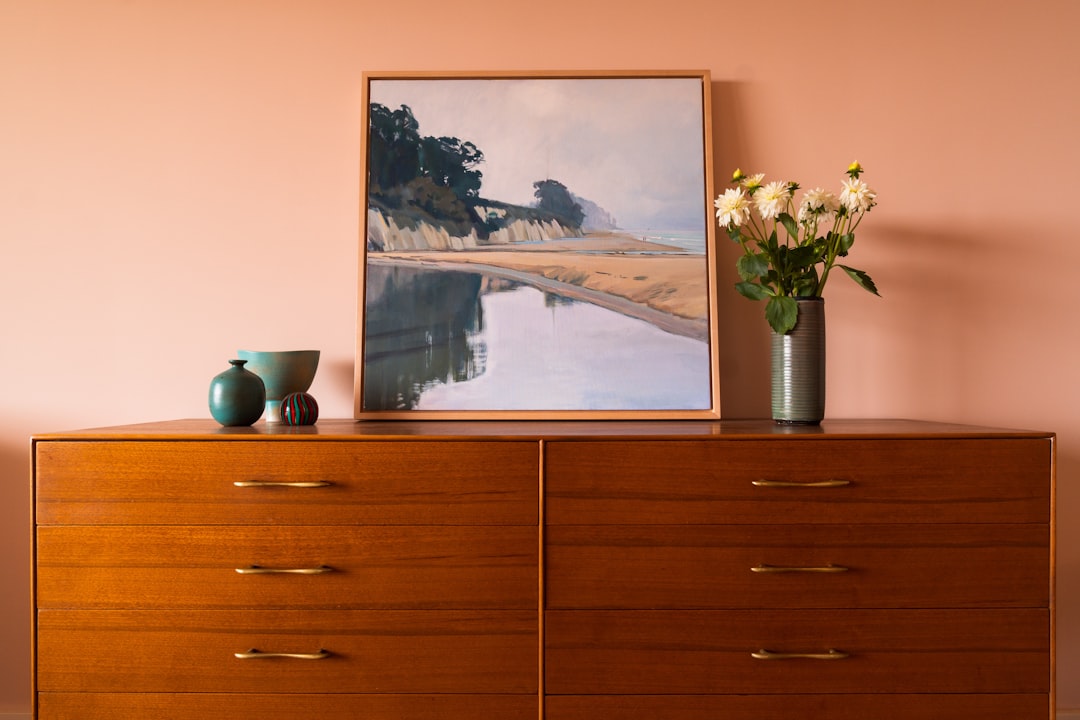
Sideboards, with their blend of storage and display, are often the first piece buyers assemble in open-concept layouts. That’s partly because they anchor the room, but also because their size — typically 150–200cm wide — makes them a logistical priority. Once in place, they’re surprisingly forgiving, adapting easily to shifts in furniture arrangement or décor trends.
In Singapore’s humid climate, a sideboard’s material choice isn’t just about aesthetics — it’s about survival. Rubberwood and teak hold up better than cheaper laminates, which can warp or peel within months, especially in HDB flats without aircon running 24/7. For buyers in landed properties with open-concept layouts, a sideboard’s placement often doubles as a room divider; opt for finishes like sintered stone or lacquered MDF that resist moisture while blending with both dining and living zones.
Pet owners face their own challenges. Cats love to jump onto sideboards, so avoid delicate veneers that scratch easily. Performance fabrics on upholstered pieces, like Crypton or Sunbrella, can handle claws better than untreated textiles. Dining chairs see more daily use than almost any other piece of furniture — three meals a day for 4-6 people typically means 60-100 sit-stand cycles weekly. Megafurniture's Display Cabinet range covers wooden, metal, upholstered, and stackable variants in fabric, leather, and faux-leather upholsteries. Most are sized at 45cm seat height to pair with standard 75cm dining tables.. And if you’ve got a dog that sheds, steer clear of open shelving designs — they’re dust and fur magnets in compact spaces like 12 sqm HDB living rooms.
Multi-room placement raises practical questions too. In a dual-function dining-living area, a sideboard’s height matters. Too tall, and it blocks sightlines; too low, and it feels out of scale. Aim for around 75cm — high enough to store dinnerware but low enough to double as a media console. For buyers in larger condos, modular designs let you reconfigure storage as needs change, though they often come at a premium ($1,200 to $2,400).
Maintenance tips are straightforward but often overlooked. Wipe down surfaces weekly with a damp cloth to prevent mould buildup, especially in high-humidity neighbourhoods like Bedok or Tampines. And if you’re placing a sideboard near a window, consider UV-resistant finishes — Singapore’s sun can bleach even the sturdiest materials over time.