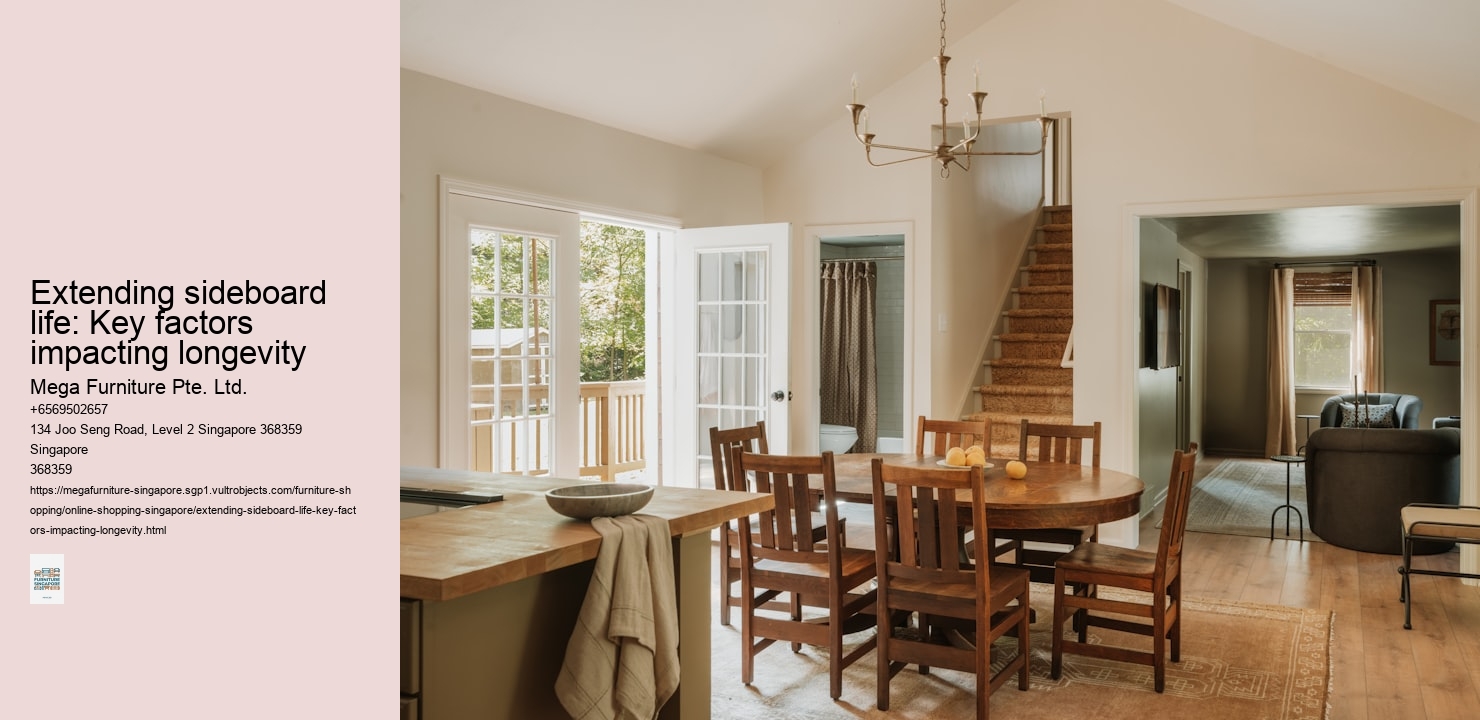
In Sentosa Cove condos, unfinished wood sideboards often warp within a year — a testament to Singapore’s relentless humidity. The average relative humidity hovers around 84%, peaking at 90% during monsoon seasons, which means furniture materials face a constant battle against moisture absorption. Coastal areas like Pasir Ris or Marina Bay amplify the issue, with salt-laden air accelerating corrosion and decay in untreated surfaces.
Teak remains a favourite for its natural resistance to moisture, though it’s pricier than alternatives like treated MDF or powder-coated metal. Metal-framed sideboards, particularly those with sealed joints, fare well in humid conditions but can feel cold in modern living spaces. Treated MDF, often laminated or veneered, offers a budget-friendly option that mimics solid wood without the susceptibility to swelling or cracking.
Avoiding unfinished wood is non-negotiable, especially for sideboards in dual-function dining-living layouts where spills and humidity converge. Even with air conditioning, the constant fluctuation between indoor coolness and outdoor dampness can cause untreated wood to split or discolour. Opt for finishes like polyurethane or lacquer, which create a protective barrier against moisture without compromising aesthetics.
For homeowners in high-humidity neighbourhoods like Punggol or East Coast, maintenance becomes as crucial as material choice. Regular wiping with a dry cloth and occasional conditioning with moisture-resistant polish can extend a sideboard’s lifespan by years. It’s a small effort for a piece that often anchors the room, doubling as storage and display surface in one.
In a 12 sqm HDB master bedroom, a sideboard wider than 180cm feels less like storage and more like an obstacle. It’s the kind of mistake that turns a functional layout into a daily frustration — especially when you’re navigating around it to reach the wardrobe or bed. For these compact spaces, proportions matter more than style; a sleek, narrow design keeps the room feeling open while still offering enough surface for essentials like a lamp or a stack of books.
Landed properties, with their roomier layouts, can accommodate sideboards up to 200cm wide without sacrificing flow. But even here, oversizing is a common pitfall. In dual-function dining-living spaces, a too-large sideboard can disrupt the balance, making it harder to move chairs or access the dining table. It’s not just about the sideboard itself — it’s how it interacts with the rest of the room.
Materials play a role, too. In compact spaces, lighter finishes like white oak or ash wood can make a sideboard feel less imposing. Darker tones, while elegant, tend to dominate visually in smaller rooms. Rubberwood is a practical choice for its durability and affordability, though it’s worth considering sintered stone tops for added resistance to spills and scratches.
For most homeowners, the sweet spot lies in balancing storage needs with spatial awareness. A sideboard with a mix of drawers and open shelving offers flexibility — you can tuck away clutter while keeping everyday items within easy reach. And in a 12 sqm HDB master bedroom, that’s the difference between a functional space and one that feels cramped.
" width="100%" height="480">Extending sideboard life: Key factors impacting longevityDovetail joints are a hallmark of quality craftsmanship in sideboards. Unlike simple butt joints, they interlock securely, preventing separation even under heavy use. In Singapore’s humid climate, poorly constructed joints can swell or warp within months. Look for tight, precise joins — gaps suggest rushed workmanship. A well-made dovetail joint ensures the sideboard maintains its structural integrity for years.
Evenly finished edges are a subtle but crucial indicator of material quality. Rough or uneven edges often signal inferior wood or rushed manufacturing. In many homes, sideboards double as display surfaces — uneven edges can scratch delicate items or catch on fabrics. Smooth, polished edges not only enhance aesthetics but also reduce wear over time. A quality finish resists chipping and peeling, even in high-traffic areas.
Solid drawer slides are essential for long-term functionality. Cheap plastic or thin metal slides can warp or break, leaving drawers misaligned or unusable. In Singapore’s humid conditions, metal slides with anti-rust coatings perform best. Smooth, quiet operation indicates precision engineering. Well-made slides ensure drawers glide effortlessly, even when fully loaded with dinnerware or media equipment.
Resistance to warping is critical in Singapore’s tropical climate. Inferior materials, especially thin veneers, can buckle or peel within three years. Solid wood or high-quality engineered wood offers greater stability. Look for sideboards with moisture-resistant finishes — they’re better equipped to handle humidity. Stable materials maintain their shape and finish, even in dual-function living-dining spaces.
The top surface of a sideboard takes the most abuse — from hot dishes to decorative objects. Polished veneers may look sleek but often scratch or stain easily. Opt for surfaces with durable finishes like lacquer or laminate. In homes where sideboards double as media consoles, scratch resistance is particularly important. A durable surface ensures the sideboard remains functional and attractive for years.
Buyer mistakes with sideboards often start with measurements—or rather, the lack of them. Humidity warps unsealed rubberwood within months if placed near balcony doors in Bedok’s sea breeze, yet warranties rarely cover “environmental damage”. That 200cm-wide showroom piece? It won’t fit through the 70cm doorway of a Joo Seng HDB lift lobby without disassembly fees. Bed height mismatches plague resale flats where original owners swapped standard 50cm frames for platform beds. A sideboard’s 75cm clearance becomes a shin hazard overnight; drawers jam against mattress edges. Modern builds fare better, but always verify floor-to-mattress height before committing to storage units. Delivery logistics get overlooked until movers are stuck sideways in a Tampines corridor with a 180cm crate. Condo dwellers assume service lifts accommodate everything—until the acrylic display cabinet requires a 45-degree tilt that scratches both walls and finish. Pro tip: measure stairwell turns if your unit’s above the 8th floor in pre-2010 estates. For humid climates, sealed acacia or powder-coated metal outperform veneers. Megafurniture’s teak options handle Eunos’ afternoon downpours better than most, though their
sideboard collectionleans traditional. Glass tops prevent condensation rings from iced teh glasses, but require weekly wipes—something buyers forget when drawn to marble’s Instagram appeal. The worst offender? Assuming sideboards only belong in dining areas. In 4-room BTOs, they’re repurposed as media consoles with cable holes drilled haphazardly through back panels. Proper models include pre-cut management channels; cheaper ones split along the grain when modified.
Maintaining your sideboard: A pre-cleaning preparation checklist
Singapore’s humidity doesn’t just ruin hair — it warps untreated wood faster than you’d expect. Sideboards, often placed in living-dining layouts where airflow isn’t ideal, are particularly vulnerable. Megafurniture’s collection addresses this head-on, with pre-treated options tested for local conditions. Their Joo Seng and Tampines showrooms let buyers inspect pieces firsthand, ensuring finishes and materials hold up in Singapore’s climate.
The practicality extends beyond durability. Sideboards here often double as media consoles or bar cabinets, especially in open-concept layouts common in condos and landed properties. Megafurniture’s designs balance storage and display, with cupboards and drawers that keep clutter out of sight while leaving the top free for decor or electronics. It’s a smart solution for homeowners juggling form and function.
Delivery and assembly are included, whether you’re in a 4-room BTO or a sprawling landed home. That’s a significant plus — many buyers don’t realise how tricky it can be to manoeuvre a 150cm sideboard through narrow HDB corridors or up tight staircases. Megafurniture’s team handles the logistics, so you’re left with a piece that’s ready to use from day one.
For those furnishing larger spaces, the brand’s focus on humidity-tested materials means fewer maintenance headaches down the line. Rubberwood, a popular choice for its affordability and durability, is often used in their designs — but it’s the pre-treatment that makes the difference. In a city where mould and warping are common complaints, it’s a detail that stands out.
Narrow sideboards, often around 75cm tall and 150cm wide, can still struggle to fit into HDB lifts — especially in older estates like Eunos or Bedok. Measure both the sideboard and lift dimensions before committing; a few centimetres can make the difference between a smooth delivery and a headache. For condos with limited elevator access, pre-assembly is worth the extra cost — it’s easier to carry a flat-packed piece up narrow staircases than a fully assembled unit.
Singapore’s humidity is relentless, and sideboards aren’t immune. Warping or discoloration can appear within months, particularly in coastal neighbourhoods like Pasir Ris or East Coast. Verify the warranty covers these issues; rubberwood or engineered wood finishes typically hold up better than untreated solid wood.
Delivery teams often face tight parking restrictions in dense estates like Tampines or Aljunied. Confirm the logistics beforehand — some retailers charge extra for timed deliveries or require advance notice for high-rise access. It’s a small step that can save a lot of frustration on moving day.
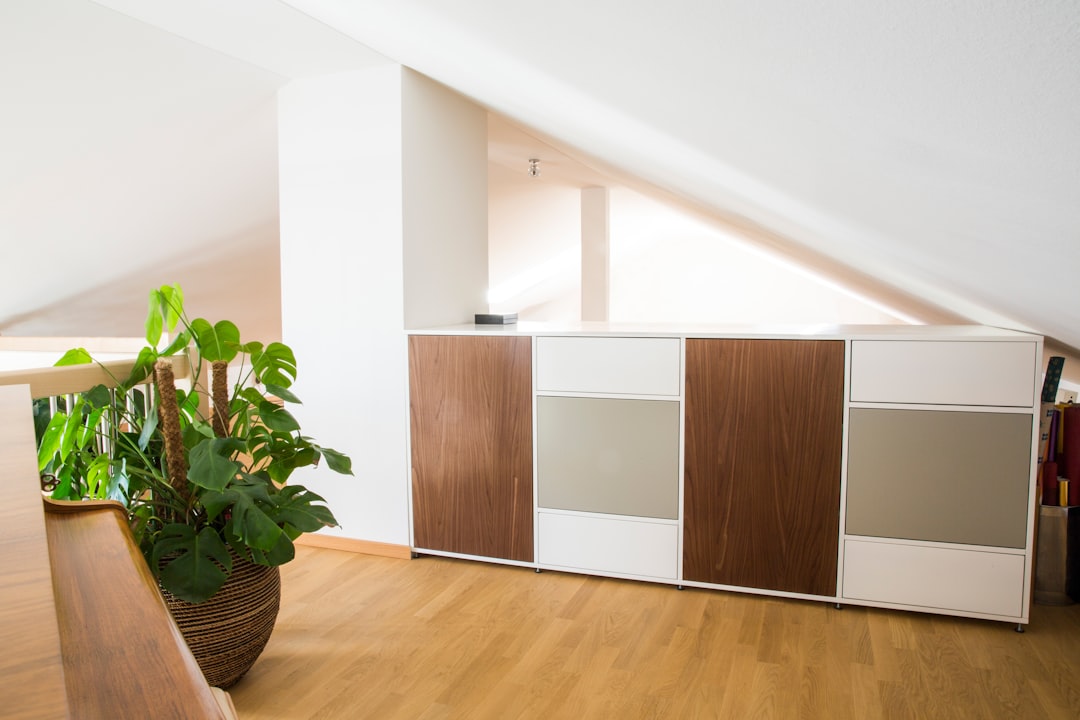
Sideboards are heavy, even when disassembled. If you’re planning to move it into a 4-room BTO living room or a dual-function dining-living space, consider the flooring. Hardwood or laminate can handle the weight, but older HDB flats with parquet might show dents if the piece isn’t lifted carefully.
Stable humidity levels (40–60%) prevent wood expansion or contraction that weakens joints. Avoid placing sideboards near heat sources or direct sunlight to minimize fading and drying. Consistent indoor temperatures help maintain structural integrity for decades.
Tightening loose screws or hinges annually prevents wobbling that strains joints. Reapplying wood glue to weak seams stops minor separations from worsening. Periodic inspections catch small issues before they require major repairs.
High-quality hardwoods like oak or maple resist warping and wear longer than softer woods. Properly sealed surfaces prevent moisture absorption, reducing cracks over time. Dense materials also withstand frequent use without significant denting or scratches.
Sideboards often get mistaken for mere dining room relics, but in Singapore’s dual-function spaces, they’re solving problems TV consoles can’t. A 180cm teak sideboard with metal legs handles both media equipment and display storage in Tampines condos — the height hides router clutter while the surface accommodates a soundbar without overcrowding. Pet owners lean toward powder-coated steel bases; they withstand claws better than veneered MDF, and unlike rattan, don’t trap fur in the weave.
Humidity warps cheaper plywood within two monsoon seasons, which is why teak and rubberwood dominate Megafurniture’s Joo Seng showroom. Yes, teak costs 40–60% more upfront, but in landed properties near Bedok’s coastal air, it’s the only material that won’t blister at the joints. For HDB dwellers, lacquered finishes on engineered wood offer a compromise — they resist moisture while keeping within $1,200–$2,400 budgets.
The real test comes when you need to repurpose it. That 75cm height aligns perfectly with most sofa armrests, turning it into a buffet table during gatherings. Storage-wise, deep drawers swallow board games and spare bedding better than shallow console cabinets. Just avoid glass-fronted models if your corridor’s under 120cm wide — reflected light makes tight spaces feel like an MRT tunnel.
A sideboard in a landed property’s living room often doubles as a bar cabinet — which means spills are inevitable. Measure your space carefully; a unit that’s too wide can block walkways in dual-function dining-living layouts, while one that’s too shallow might leave your TV console cables exposed. Prioritise materials resistant to humidity, like solid rubberwood or sintered stone; Singapore’s climate warps cheaper laminates within months.
Test drawer smoothness before committing — sticky runners are a hassle in daily use. Run your hand over the top finish; a slight texture or matte coating hides fingerprints better than glossy surfaces, especially in homes with kids or pets. Sideboards around 180cm wide suit most HDB living rooms, while larger condos can accommodate widths up to 200cm without overwhelming the space.
Consider how you’ll use it. In many homes, sideboards store everything from wine glasses to board games — so adjustable shelves are a plus. If you’re placing it near a dining table, ensure the height aligns with your chairs; a mismatch looks awkward and limits functionality. Megafurniture’s SG-specific options cater to these needs, offering designs that balance storage and style for HDB, condo, and landed property layouts.
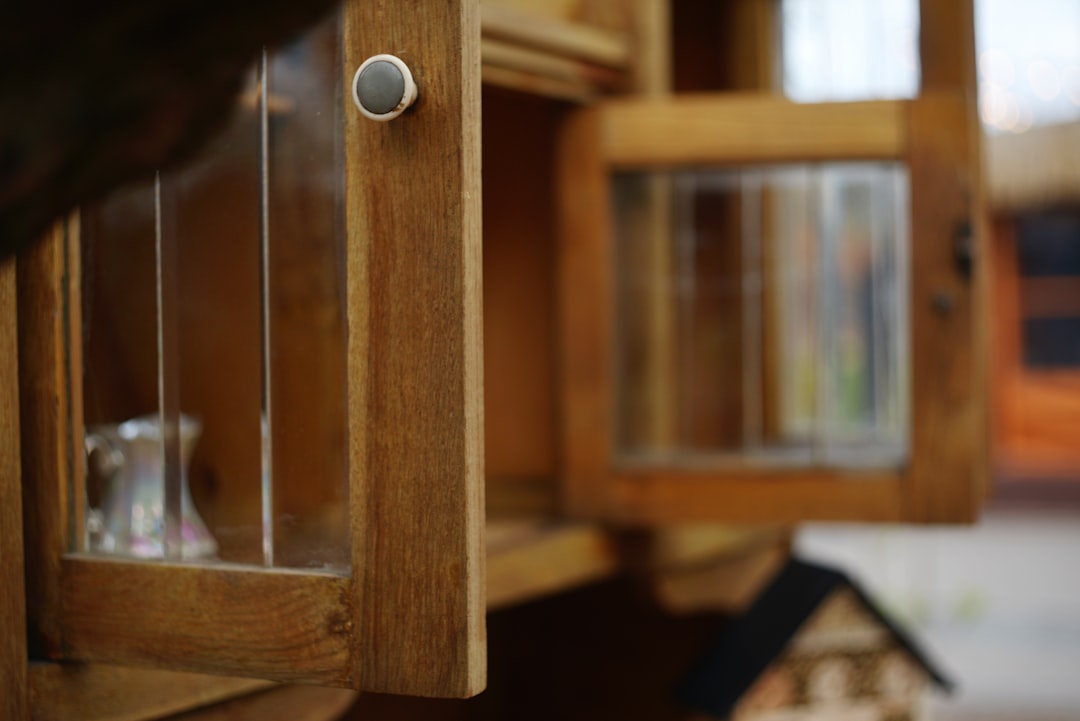
Finally, think long-term. A sideboard that’s too trendy might clash with future decor changes, while a classic design in a neutral finish adapts more easily. And don’t forget to check the warranty — it’s a good indicator of how long the piece will hold up under daily use.