In Singapore condos, the living-dining area often pulls double duty — weekday meals become weekend movie nights, and that sleek sideboard you bought for tableware somehow ends up storing board games and spare chargers. Most newer developments allocate 20–30 sqm for these combined spaces, leaving little wiggle room for furniture that doesn’t earn its keep. A sideboard’s sweet spot here is 150–180cm wide — enough surface for a coffee station or display, but not so much it overwhelms the sightlines between zones. Go narrower than 140cm and you’ll sacrifice storage; wider than 200cm risks turning the piece into a room divider that wasn’t needed. Depth matters too — 45cm fits standard dinner plates without jutting into walkways, while anything deeper than 55cm starts eating into precious circulation space. The best configurations leave 90–110cm clearance between sideboard and dining table, letting chairs slide out without bumping drawers. Material choices telegraph function. Gloss lacquer or marble tops suit condos where the sideboard moonlights as a bar cabinet; matte finishes and integrated power outlets work harder in homes where devices get parked mid-meal. Open shelving looks airy in showrooms but collects dust in humid Singapore — go for glass-fronted cabinets or full-height doors if you’re within 3km of the coast. One quirk of local layouts: developers often position electrical outlets exactly where a sideboard’s back panel would block them. Measure your intended spot’s socket placement before committing to a design with a solid back. The
slimmer profilesin the 60–65cm height range tend to play nicer with switches and USB ports. Rubberwood frames hold up better than MDF in our climate, though they’ll need quarterly waxing if placed near aircon vents. For tight spaces, consider a sideboard with recessed handles or push-to-open mechanisms — those extra 3cm of clearance prevent bruised hips when squeezing past during family gatherings.
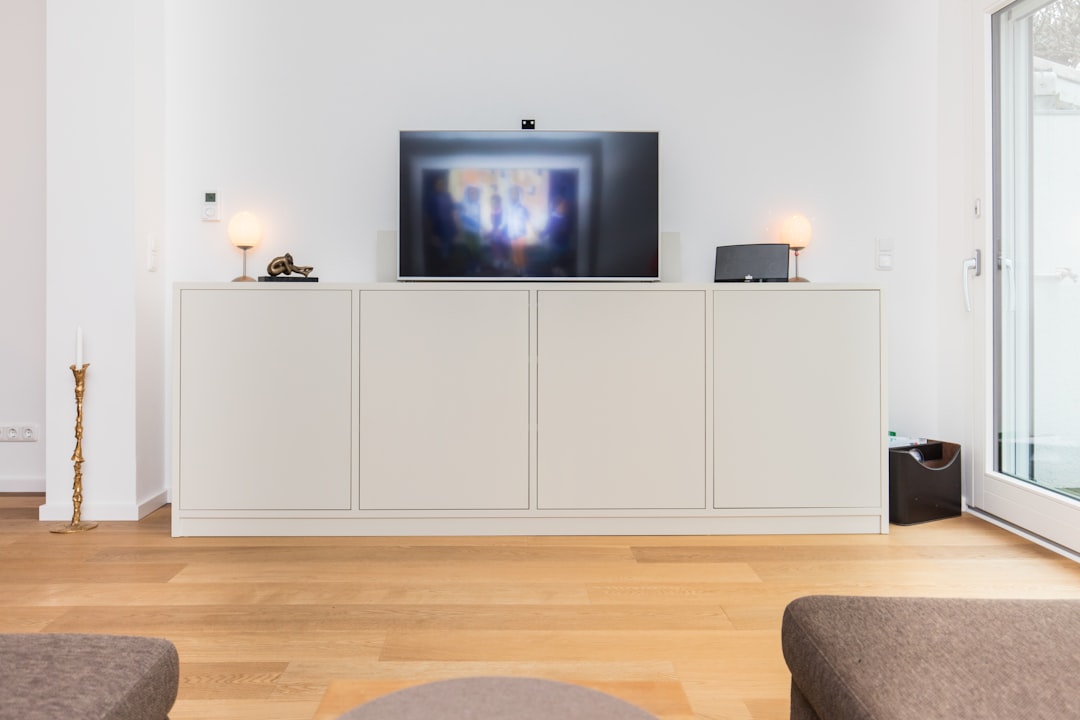
Singapore’s humid climate doesn’t just frizz hair — it warps furniture. A sideboard left in a 4-room BTO’s living-dining area for two years can develop mould along its base or start to bow at the corners, especially if it’s near a window or balcony door. That’s why material choice matters more here than in drier climates; buyers need options that can withstand 80%+ humidity without compromising on aesthetics.
Teak is a favourite for good reason — its natural oils repel moisture, making it resistant to warping and mould. Treated oak is another solid pick, though it requires regular maintenance to keep its finish intact. Engineered wood, with its layered construction, offers stability against humidity-induced expansion and contraction. Laminate finishes, often overlooked, are surprisingly durable in Singapore’s conditions; they’re easy to clean and won’t warp, even in high-humidity spaces.
For those prioritising longevity over natural wood grain, sintered stone or high-pressure laminate tops are worth considering. These materials mimic the look of wood or stone but are far more resistant to moisture damage. Just avoid MDF or particleboard if the sideboard will be placed near windows or air-conditioning units — these materials swell and degrade quickly in humid environments.
In many landed properties, sideboards double as bar cabinets or media consoles, so durability is key. A teak or engineered wood piece with a laminate finish can handle spills, condensation, and humidity without losing its shape. It’s a practical choice for buyers who want their furniture to last more than a few rainy seasons.
Assess sideboard storage capacity versus actual items stored: metrics
Singapore’s standard ceiling height of 2.6m often catches buyers off guard. Sideboards taller than 90cm can feel overwhelming, especially in condos where dining and living spaces merge. A too-tall unit not only disrupts sightlines but also makes the room feel cramped. Measure your ceiling clearance before committing — even a few centimetres can make a difference. Opt for sleek, low-profile designs that complement rather than dominate the space.
Many buyers prioritise aesthetics over functionality, only to regret it later. Sideboards with shallow drawers or open shelves may look chic but often fail to store essentials like barware or small appliances. Look for units with deep drawers and adjustable shelves for flexibility. Hidden compartments can keep clutter out of sight while maintaining a clean look. Remember, a sideboard’s primary role is storage — don’t sacrifice it for style alone.
In many Singapore homes, sideboards end up too wide for the available space. A unit spanning 200cm might overwhelm a 12 sqm living-dining area, leaving little room for movement. Measure your wall space carefully, leaving at least 30cm clearance on either side for a balanced look. Smaller condos might benefit from modular sideboards that can be rearranged as needed. Proportion matters — a well-sized piece enhances rather than dominates the room.
Rubberwood and sintered stone are popular for sideboards, but they’re not always practical. Rubberwood, while affordable, can warp in Singapore’s humidity if not treated properly. Sintered stone offers durability but adds significant weight, making it harder to rearrange. Consider materials like engineered wood or laminate for a balance of durability and affordability. The right material ensures your sideboard lasts without compromising on style.
Sideboards often serve dual purposes — storage and display — but buyers tend to overlook one or the other. A unit with a glossy top might look great but show every fingerprint and dust particle. Opt for finishes that are easy to clean, like matte or textured surfaces. Think about how you’ll use the space — will it double as a bar cabinet or media console? Practicality should guide your choice as much as aesthetics.
Walking into a 4-room BTO living room with a sideboard that’s too deep or too tall feels like squeezing a queen bed into a 12 sqm HDB master bedroom — it’s functional, but awkward. That’s why visiting Megafurniture’s Joo Seng or Tampines showrooms makes sense for buyers eyeing sideboards; proportions are everything when balancing storage and display space in Singapore’s compact layouts. Standing 75–90cm tall and stretching 150–200cm wide, sideboards often anchor living-dining zones — and seeing them in person helps gauge how they’ll fit alongside dining tables, sofas, or TVs. Customisation options add another layer of practicality. Many homeowners tweak finishes or dimensions to suit their space — a shorter height, for instance, can keep sightlines open in open-plan layouts. Rubberwood and sintered stone finishes dominate the range, offering durability without overwhelming smaller rooms. It’s also worth noting how versatile sideboards are; they’re not just for dining rooms anymore. In many homes, they double as media consoles or bar cabinets, blending storage with a more polished aesthetic than standard TV stands. For landed property owners, the appeal lies in larger designs that can handle bulkier items like tableware or linens. But whether it’s a condo or a terrace house, the key is balance — too much storage overwhelms, too little defeats the purpose. Megafurniture’s showrooms let buyers visualise this balance, from compact units suited for dual-function spaces to statement pieces that anchor sprawling layouts. Browse the
sideboard collectionto see how these pieces can transform your living-dining area.
Position the sideboard perpendicular to dining areas to create a natural room divider without blocking light. Leave at least 0.9m clearance between the sideboard and dining chairs for comfortable circulation. Avoid corners near entryways to maintain an open feel in narrow condo layouts.
Opt for sideboards with vertical storage (e.g., tall cabinets) to maximize capacity in limited floor areas. Glass-fronted units help maintain visual spaciousness in combined living-dining configurations. Integrated power outlets accommodate small appliances while keeping surfaces clutter-free.
For Singapore condo living-dining spaces, a sideboard should ideally be 1.2m to 1.8m wide to balance functionality and space efficiency. Depth should not exceed 0.5m to avoid obstructing walkways in compact layouts. Height around 0.8m ensures visual harmony with dining tables while providing ample storage.
Narrow HDB lifts and tight condo corridors demand sideboards under 180cm wide — anything wider risks getting stuck at the 90-degree turn near the rubbish chute. Modular designs with detachable legs or split bases solve this; look for units that assemble after clearing the doorway rather than pre-assembled monoliths. That 12 sqm master bedroom you measured? Account for the 15cm swing radius of cupboard doors when positioning near wardrobe sliders or curtain tracks.
Delivery teams charge extra for stairwell carries in walk-ups like Joo Chiat shophouses or older HDB blocks — factor in $80–$120 if your lift can’t accommodate the packaging. Sideboards with backless designs (common in rattan or open-shelf styles) simplify wall-hugging in irregular layouts, while flush-mounted handles prevent snagging on passing laundry baskets.
Mid-range sideboards ($1,200–$2,400) often ship flat-packed with cam locks and wooden dowels, requiring 45–90 minutes of assembly. Higher-end solid teak or marble-top versions typically come pre-assembled but need four movers for safe placement — problematic in estates with single-lift towers like Punggol Northshore.
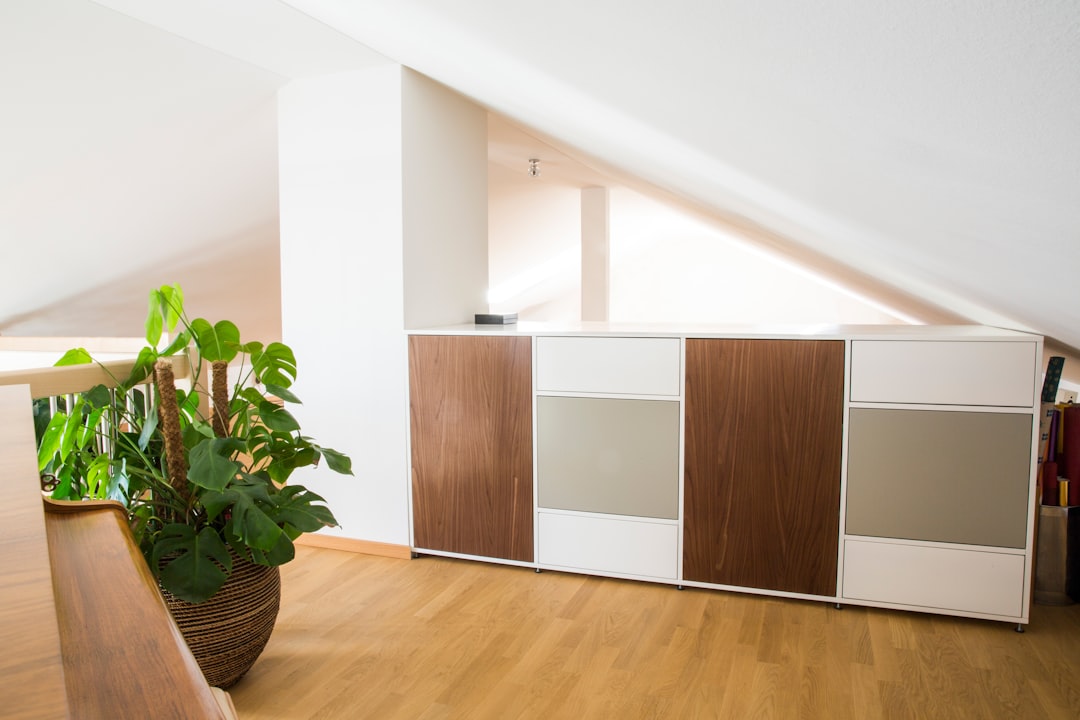
Consider temporary plastic floor protectors during assembly; that “scratch-resistant” oak veneer won’t survive a dropped corner bracket on mosaic tiles. For tight spaces, Megafurniture’s collection includes shallow-depth models (35cm) that still fit dinnerware sets behind sliding doors.
Measure your lift interior diagonally — many newer BTO lifts have 200cm clearance but lose 10cm once the mirrored walls and handrails are accounted for. A sideboard that fits empty may not clear when tilted to avoid ceiling lights.
In a 4-room BTO flat, sideboards often pull double duty — storing cutlery in the dining area while doubling as a TV console in the living room. But can they really replace a dedicated media unit? In 18 sqm combined living-dining spaces, it’s possible if you stick to a depth of 40–45cm — anything deeper eats into walkway space. Keep the height under 90cm to avoid overwhelming the room.
Best sideboard depth for narrow dining areas? Aim for 35–40cm if the dining zone is less than 2m wide. Anything bulkier will make the space feel cramped; a slimmer profile ensures there’s still room to pull out chairs without bumping into the cabinet. For tighter layouts, consider wall-mounted options — they free up floor space while maintaining storage capacity.
Pet-safe finishes for cats and dogs? Look for scratch-resistant laminates or powder-coated metal frames — they’re easier to clean and less likely to show claw marks. Avoid veneers or lacquered finishes if you’ve got pets that like to jump; one misplaced leap can leave permanent scratches. For households with shedding dogs, dark-toned finishes hide fur better than light ones.
In many homes, sideboards end up as catch-all storage — from board games to wine bottles. That’s fine as long as you organise the clutter behind closed doors. Open shelving might look good in showrooms, but in real life, it’s a magnet for dust and pet hair. Stick to cabinets with solid doors for a cleaner look.
Before committing to a sideboard, grab a tape measure — it’s the quickest way to avoid buyer’s remorse. In Singapore’s dual-function spaces, where a living room doubles as a dining area, the sideboard’s height (typically 75–90cm) should align with your dining chairs and sofa armrests. A mismatch here creates visual clutter, even in spacious condos like those in Tanah Merah or Bukit Timah. Measure your room’s width first; a sideboard that’s too wide can block walkways, while one that’s too narrow leaves awkward gaps.
Storage needs often dictate the final choice. A family in a 4-room BTO flat might prioritise cupboards for tableware and linens, while a landed property owner in Serangoon Gardens could opt for open shelving to display barware or decor. Rubberwood sideboards, with their durability and clean lines, are a favourite in many homes — they’re sturdy enough for daily use but don’t overwhelm smaller spaces. Don’t skimp on quality; a $1,200 piece that lasts a decade beats a $600 one that warps in two years.
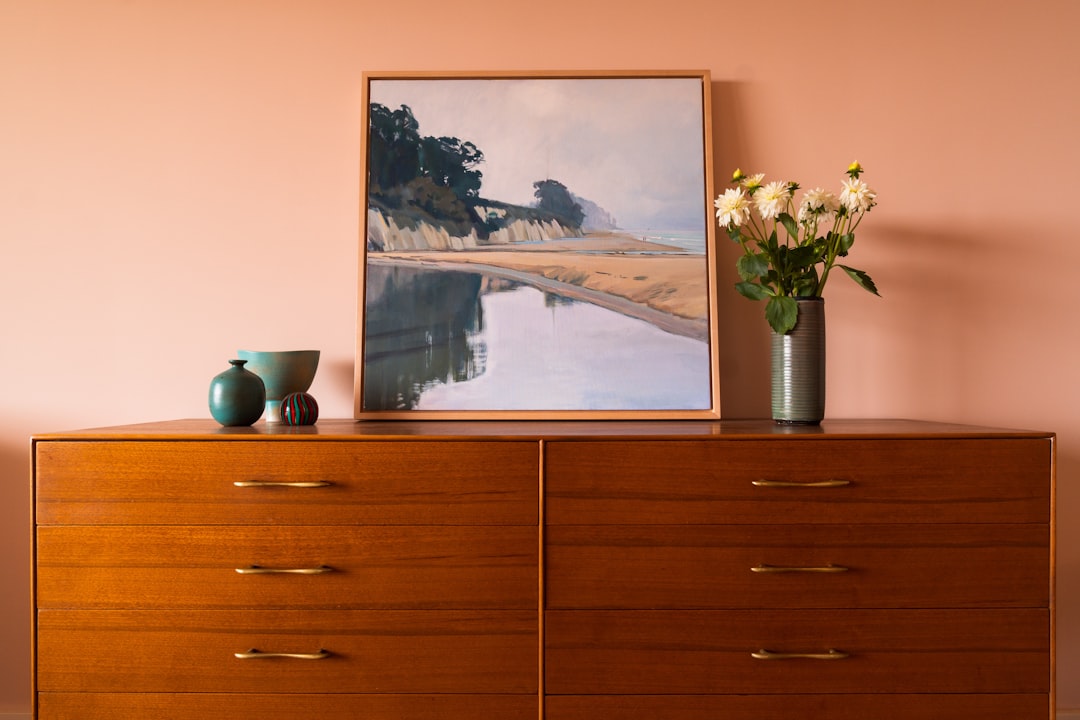
Finally, consider the sideboard’s role in your room’s flow. In dual-function spaces, it’s often the anchor piece between dining and living zones. A sleek, sintered stone top can double as a serving surface during meals, while bouclé finishes add texture to a minimalist setup. If you’re unsure, visit Megafurniture’s collection to see how different styles fit into real room layouts — it’s a practical way to visualise the final look without second-guessing.