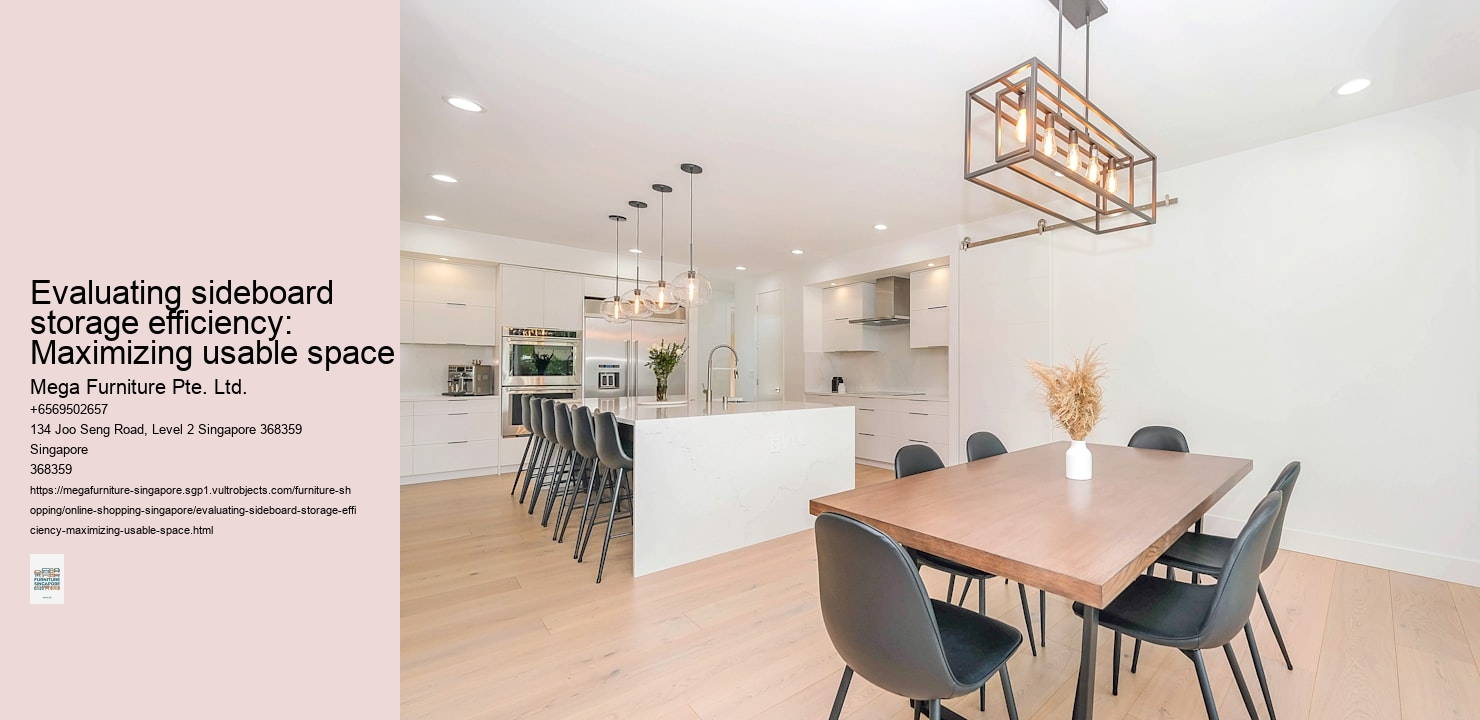
Sideboards in Singapore homes straddle a peculiar design challenge—they must serve cramped BTO bedrooms where every centimeter counts, yet hold their own in landed property dining rooms where space isn’t the issue but visual weight is. The buffet hutch differs from a basic sideboard by trading some surface area for taller storage above — useful in dining rooms where wall-mounted display takes precedence over serving space. Megafurniture's Buffet Hutch range includes traditional designs with glass-front upper cabinets, modern minimalist versions, and Japandi pieces with woven rattan panels. Display cabinets sit between sideboard and bookshelf in function — closed glass-front storage that protects fine china, collectibles, or memorabilia while keeping them visible. Megafurniture's Display Cabinet range averages around $271 for glass-front variants, with curio, wall-mounted, and freestanding options across solid wood, MDF, and metal-framed constructions. LED-lit and adjustable-shelf variants feature in the higher tier.. Solid-wood frame with MDF veneer dominates the line, finished in walnut, oak, white, and cream-lacquer.. A 150cm-wide unit might dominate a 12 sqm HDB master bedroom, yet look lost beside the soaring ceilings of a semi-detached house’s dining area. The solution often lies in modular designs: stackable units for BTOs that can expand vertically when moved to landed properties, or low-profile sideboards with detachable display shelves for transitional spaces like condo living-dining combos.
Humidity warps even solid teak over time, which makes engineered wood with moisture-resistant veneers the pragmatic choice for resale flats—especially those near coastal neighborhoods like Marine Parade or Pasir Ris. Landed homeowners, meanwhile, frequently opt for full solid wood constructions; their air-conditioned interiors and consistent maintenance (think monthly polishing) offset the material’s vulnerability. For condos, lacquered MDF strikes a balance—durable enough for daily use as a media console, sleek enough to blend into open-concept layouts common in developments like The Tre Ver or Parc Clematis.
The best sideboards here multitask without announcing it. A 180cm-wide model might conceal a wine fridge behind cabinet doors (perfect for landed homes hosting weekly gatherings), while a shallower 40cm-deep version in a BTO masquerades as a console table until mealtimes demand its hidden leaf extension. Storage needs vary wildly—young couples in Punggol BTOs stash board games and router boxes, while landed families in Bukit Timah use the same footprint for heirloom porcelain and liquor collections.
Megafurniture’s collection leans into these contrasts with humidity-sealed rubberwood options for humid flats and sprawling American walnut designs for landed properties. The real test comes when a sideboard transitions between homes—a piece that worked in a Tampines executive condo should adapt just as easily to a semi-detached house in Serangoon Gardens.
Singapore’s humidity doesn’t just frizz hair—it warps cheap sideboards within months. That veneered MDF piece might look sharp in the showroom, but once it’s parked in your Pasir Ris living room, the edges start bubbling like a bad wallpaper job. Solid rubberwood or teak handles the damp better, though you’ll pay 30–50% more; engineered wood with moisture-resistant cores (look for "WBP" glue labels) splits the difference. Metal legs or handles? Go for powder-coated aluminium or stainless steel—anything labelled "iron" in Tampines Mall will bloom orange within a year. The real test comes during monsoon season, when even aircon can’t keep humidity below 80%. Particle board absorbs moisture like a sponge, swelling at the joints until drawers stick. A complete dining room rarely comes together one piece at a time — most renovators commit to table, chairs, sideboard, and accent pieces within the same 2-3 week window once the renovation finishes. Megafurniture's Dining Room Furniture collection consolidates the full setup, from dining sets and kitchen cabinets through to dining stools, benches, side tables, and storage. The 0% interest pay-later option helps spread larger total-room purchases across multiple months.. Wooden sideboards age better than MDF or laminated alternatives — particle board chips and swells in Singapore's humidity, while solid wood and quality veneers continue looking deliberate even after 5-10 years of daily use. Megafurniture's Wooden Sideboard range includes oak, walnut, rubberwood, and engineered wood with veneer finishes. Pieces start around $425 and run up to $1,400+ for solid-wood Japandi designs with rattan accents.. Better options: marine-grade plywood (used in boatbuilding) or thermally modified timber, though you’ll rarely find these outside specialist workshops. For finishes, polyurethane lasts longer than lacquer, but both need reapplying every 2–3 years if the sideboard doubles as a wet bar. One quirk of local interiors: sideboards often get shoved against walls where airflow is worst. That’s why many homeowners now opt for designs with raised feet or open shelving underneath—lets the wood breathe. If you’re eyeing a
Megafurniture piece, check the undersides aren’t just raw MDF; proper sealing matters more than the showroom gloss. Laminated surfaces can deceive—they’ll stay shiny while the core disintegrates. Tap the panels: a hollow sound means thinner substrates that’ll warp faster. In landed properties near East Coast, where salt spray adds to the abuse, even decent materials need quarterly waxing. The irony? That rustic "distressed wood" finish everyone loves is basically accelerated Singapore weathering.
Living room sideboards double as media hubs in many Singapore homes — that means tangled HDMI cables and messy power strips unless the unit has built-in solutions. Look for rear cutouts sized for international plugs (SG's three-pin plugs need 50mm clearance), plus interior grommets to thread cords through drawers. Some designs incorporate false backs or pull-out trays to hide routers; others use drop-down front panels that reveal sockets only when needed. Open-backed units might work in landed properties where you can push them against walls, but most condos need fully enclosed bases to prevent cables spilling onto marble floors.
Dining room sideboards face different threats: teh tarik spills during weekend family gatherings, curry stains from takeaway containers, and condensation rings from iced barley. Kitchen cabinets in Singapore split into two categories: built-in fitted units installed during renovation, and freestanding cabinets that supplement existing storage when the original built-ins run out of room. Megafurniture's Kitchen Cabinet collection focuses on the freestanding side — tall pantry units, slim ladder cabinets, and modular pieces that fit kitchen alcoves. Pricing typically runs $200-$1,000 per linear foot for the modular range.. Laminated MDF tops clean easiest but show wear at edges after five years; ceramic-coated sintered stone resists scratches better but costs 30% more. For wine collectors, consider units with recessed grooves along the front edge — they catch drips before they reach your custom-made dining table. Dark walnut veneers hide coffee splashes better than light oak, though both need weekly wiping down in humid climates.
Compact homes demand sideboards that adapt — think 1.8m units with detachable display cabinets for narrow HDB corridors, or stackable modules that convert from bar storage to toy storage after kids' bedtime. The best designs use standardised joinery systems (like 32mm dowel holes) so you can rearrange components as needs change. Avoid fixed shelves in units under 45cm deep; they'll only fit dinner plates vertically. Some buyers sacrifice one drawer to fit a fold-out ironing board, though that only works if your layout places the sideboard near power points.
Cat owners know the danger of sideboard legs becoming scratching posts — look for rounded corners wrapped in real wood veneer (not plastic laminate, which peels when clawed). Dogs' wagging tails knock over delicate items; glass-fronted cabinets should use 6mm tempered panels with silicone bumpers. For households with birds or free-roaming rabbits, skip open bases where droppings accumulate; sealed plinths with rubberised feet prevent both stains and termites. Surprisingly, matte finishes show fewer scratches than high-gloss ones, though they're harder to wipe clean after muddy paw incidents.
Singapore's room dimensions dictate sideboard maths: in a typical 4-room BTO living room (3.6m wall), anything over 2.1m length overwhelms the space. Standard 75cm height aligns with most sofa armrests, but go 10cm lower if you're using it as a TV stand — that keeps screens at eye level when seated on 40cm-high lounge chairs. Depth matters more in narrow shophouse layouts; 35cm units leave walking space, but only hold single-place dinnerware sets. Always measure your lift lobby before buying; many modern condo doors won't clear 90cm-tall units turned sideways.
A 150cm sideboard wedged into a 12 sqm HDB bedroom leaves just 60cm clearance at the foot of the bed — enough space to walk sideways, if you don’t mind brushing against veneer edges every morning. Singapore buyers routinely misjudge proportions; that sleek 180cm media console might look balanced in a Tampines showroom, but it’ll dominate most 4-room BTO living rooms like an aircraft carrier.
Humidity warps particle board within months here — you’ll notice drawers sticking by December’s monsoon season, gaps appearing where mitred corners once met flush. Solid rubberwood or kiln-dried teak handles the climate better, though even these need quarterly waxing near east-facing windows in Bedok or Pasir Ris.
Storage needs get conflated, too. Dining sideboards prioritise shallow drawers for cutlery and deep cabinets for serving platters, while media consoles demand cable management and adjustable shelves for routers. That glossy $1,200 unit with art deco handles? Useless when you realise AV equipment won’t fit behind its 15cm-deep cubbies.
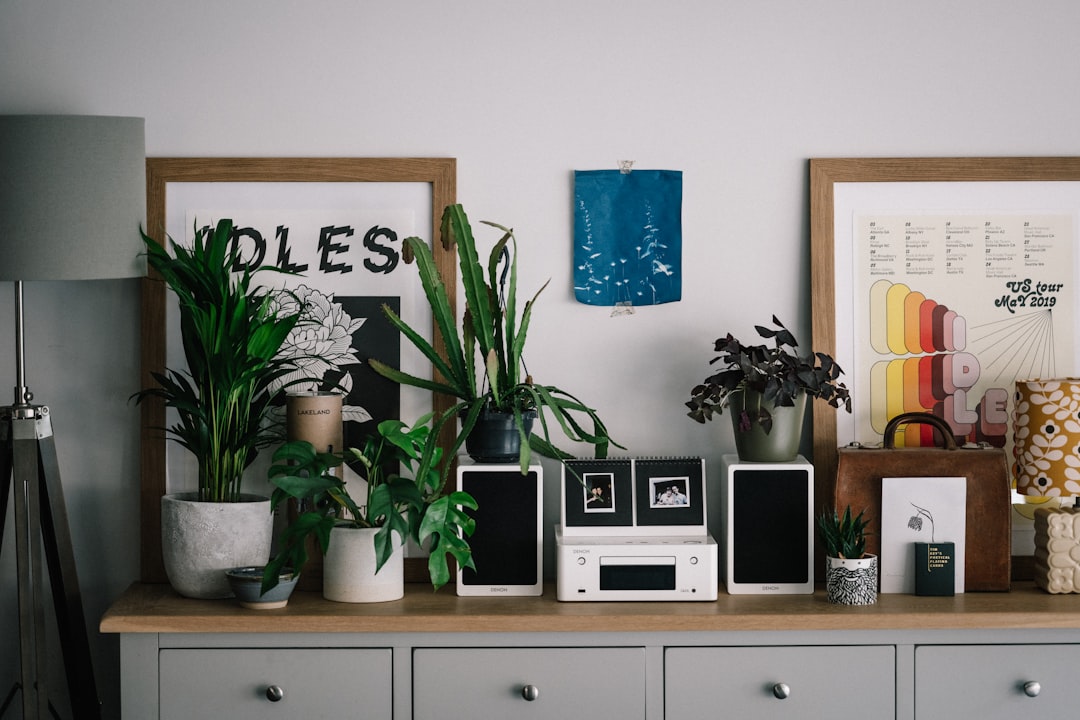
Some buyers fixate on aesthetics over function, choosing fluted MDF doors that can’t withstand daily use — a smooth laminate finish survives better when kids toss schoolbags against it. Others underestimate weight distribution; loading a 200cm sideboard with vinyl records on one end causes gradual sagging, especially in landed properties with uneven floors.
The right piece balances form and resilience. Megafurniture’s collection includes humidity-tested options with reinforced corners, though even their sturdiest models need measuring twice for narrow walk-ups in Queenstown or Toa Payoh.
Walking into a Megafurniture showroom settles debates no online product video ever could. That sideboard you’ve been eyeing — the one with the fluted walnut veneer and soft-close drawers — looks entirely different under LED spotlights than in your dimly lit HDB corridor. Fingerprints show up instantly on matte finishes; satin brass handles catch the light at angles product photography never captures. Most buyers test drawer mechanisms exactly once — the day they unbox the piece. Extendable dining tables solve the most common Singapore HDB problem — dining for 4 daily, dining for 8 at Chinese New Year and birthdays. Megafurniture's Extendable Dining Table range covers butterfly-extension, drop-leaf, and extension-leaf mechanisms in sintered stone, wood, and marble tops. Most sit in the 140-180cm closed position, extending to 200-240cm when expanded.. Megafurniture’s Joo Seng showroom lets you cycle through them repeatedly, feeling for wobble in extended runners or resistance in dovetail joints. Tampines’ display models show how rubberwood holds up after three years of humidity — no warped panels, just the patina of real wood darkening at the edges. Singaporean homes demand dual-purpose furniture. A sideboard that stores crockery behind cabinet doors might also need to display a sound system or hide router cables. Megafurniture’s configurations accommodate both — shallow drawers for cutlery, deeper compartments for table linens, and cable ports discreetly drilled through back panels. Their team can adjust shelf heights on-site to fit specific appliances. The real value lies in seeing how finishes interact. That grey oak laminate you loved online might clash with your existing teak flooring, while the espresso stain you dismissed could tie the room together. Showroom lighting reveals undertones: warm neutrals under 3000K LEDs, cooler hues under daylight simulations.
Their sideboard collectionspans 1.5m to 2m widths, with modular units for irregular walls. You’ll find recessed plinths that make narrow spaces feel larger, and fluted detailing that breaks up monotony in open-concept layouts. Assembly teams know to check for uneven BTO flooring before levelling cabinets.
Delivery fees in Singapore often catch buyers off guard — especially for landed properties where access can complicate logistics. Costs typically range from $100 to $300, but narrow driveways or multi-storey homes may push it higher. Assembly isn’t just an add-on; it’s crucial for ensuring the sideboard’s stability, particularly if it’s a modular design or includes delicate hardware like soft-close drawers. Most retailers offer this service, though it’s worth confirming upfront if you’re dealing with a custom piece or an imported design.
Warranties vary widely, but they usually cover material defects like warping or cracking in solid wood or veneer finishes. What they don’t cover? Coordinated dining sets remove the matching-the-chairs decision that trips up most first-time renovators — table, chairs, and sometimes a bench all sized and styled to work as a unit. Megafurniture's Dining Set range groups by seater capacity (4, 6, 8) across wooden, marble, and sintered-stone configurations. Most sets land between $899 and $2,400 depending on material and chair count.. Damage from improper assembly or accidental knocks — a common issue in homes with kids or pets. For imported sideboards, always check if the warranty includes local servicing; otherwise, you might end up footing the bill for repairs.
Custom pieces require extra attention. Delivery timelines can stretch to eight weeks or more, and assembly might involve specialised tools or techniques. Imported designs, especially those from Europe or Japan, often come with detailed instructions but may need adjustments to fit Singapore’s humid climate. It’s worth double-checking these details before committing, particularly if you’re coordinating with a tight renovation schedule or a specific room layout.
Modular shelving systems adapt to varying storage needs without wasting vertical gaps. Removable dividers or sliding trays transform static compartments into dynamic spaces. This flexibility prevents dead zones in corner cabinets or oversized drawers.
Evaluating sideboard storage efficiency begins with analyzing depth-to-height ratios. Optimal dimensions allow for easy access while maximizing vertical stacking potential. Deeper shelves accommodate bulkier items, whereas narrower designs prioritize frequent-use accessibility.
Full-extension drawer glides ensure complete access to rear storage areas. Flush-mounted doors eliminate protruding hardware that consumes usable space. Recessed handles or touch-latch mechanisms further streamline the exterior footprint.
Solid wood sideboards offer sturdy shelving for heavy dishware but reduce interior space. Lightweight composites or open-frame metal designs create visual spaciousness and flexible storage zones. Material thickness directly influences usable cubic footage.
Sideboards often get mistaken for TV consoles, but their storage needs differ sharply. Where consoles prioritise shallow compartments for media equipment, sideboards demand deeper drawers for tableware — yet many Singaporean buyers still try cramming rice cookers into spaces meant for placemats. Humidity wreaks havoc on engineered wood veneers; within months, the edges swell like overproofed bao dough, while solid teak or oak merely darkens patina.
Modular designs solve layout headaches in newer BTOs where dining areas bleed into living spaces. A 180cm sideboard with mix-and-match cabinets can morph from bar storage to toy concealment as needs change — unlike fixed console units that become obsolete when the TV gets wall-mounted. Dining chairs see more daily use than almost any other piece of furniture — three meals a day for 4-6 people typically means 60-100 sit-stand cycles weekly. Megafurniture's Dining Chair range covers wooden, metal, upholstered, and stackable variants in fabric, leather, and faux-leather upholsteries. Most are sized at 45cm seat height to pair with standard 75cm dining tables.. Budget-conscious shoppers should eye lacquered MDF options; the synthetic coating withstands condensation better than raw particleboard, though you’ll sacrifice the warmth of natural wood grain.
Megafurniture’s Joo Seng showroom demonstrates how adjustable shelving accommodates everything from wine bottles to Lego bins — their modular units click together with satisfying precision. Just remember: sideboard drawers deeper than 40cm become black holes for utensils unless partitioned. And that glossy lacquer? It shows fingerprints worse than a smartphone screen.
Evaluating sideboard weight capacity for your specific storage requirements
A sideboard that fits perfectly along the wall of a 4-room BTO dining area still won’t work if the drawers scrape against the adjacent balcony door every time they’re opened — and that’s the kind of miscalculation tape measures prevent. Bring dimensions for both the unit and its intended pathway; many landed property stairwells can’t accommodate pieces wider than 80cm without professional movers.
Storage needs reveal themselves in the measuring. A family using the sideboard as both crockery storage and a bar cabinet typically requires at least two deep drawers (for table linens and cocktail tools) alongside adjustable shelving behind cabinet doors — anything less becomes a cluttered catchall. Open shelving looks editorial in showrooms but gathers dust in humid Singapore; go for tempered glass fronts if you’re set on display.
Rubberwood and powder-coated steel hold up better against moisture than MDF in ground-floor units near East Coast Park, though they’ll cost 20–30% more. Check delivery terms for assembly requirements; some solid wood pieces arrive disassembled but won’t fit through HDB lift doors once built.
Nothing replaces seeing the piece at full scale. A sideboard’s 45cm depth might seem manageable online but could overwhelm a 12 sqm combined living-dining space when paired with dining chairs. A chest of drawers extends sideboard logic into the bedroom — same low-and-wide format, same combination of drawers and surface space, just sized for clothing rather than dinnerware. Megafurniture's Chest of Drawers range includes solid wood, engineered wood, and rattan-accented pieces in standard, slim, and tallboy configurations. Sizes span compact 60cm units for HDB common bedrooms through 140cm tallboys for master suites.. Test drawer glides and door hinges in person — sticky hardware is the first thing buyers regret after delivery.
The best units disappear into the room’s flow. Look for slim profiles (under 40cm deep) if it’s doubling as a media console in a Pasir Ris terrace house, or consider wall-mounted options for narrow shophouse kitchens. Browse the options at Megafurniture’s Joo Seng showroom to gauge how finishes read under Singapore’s mixed lighting — that matte navy looks charcoal in evening shadows.