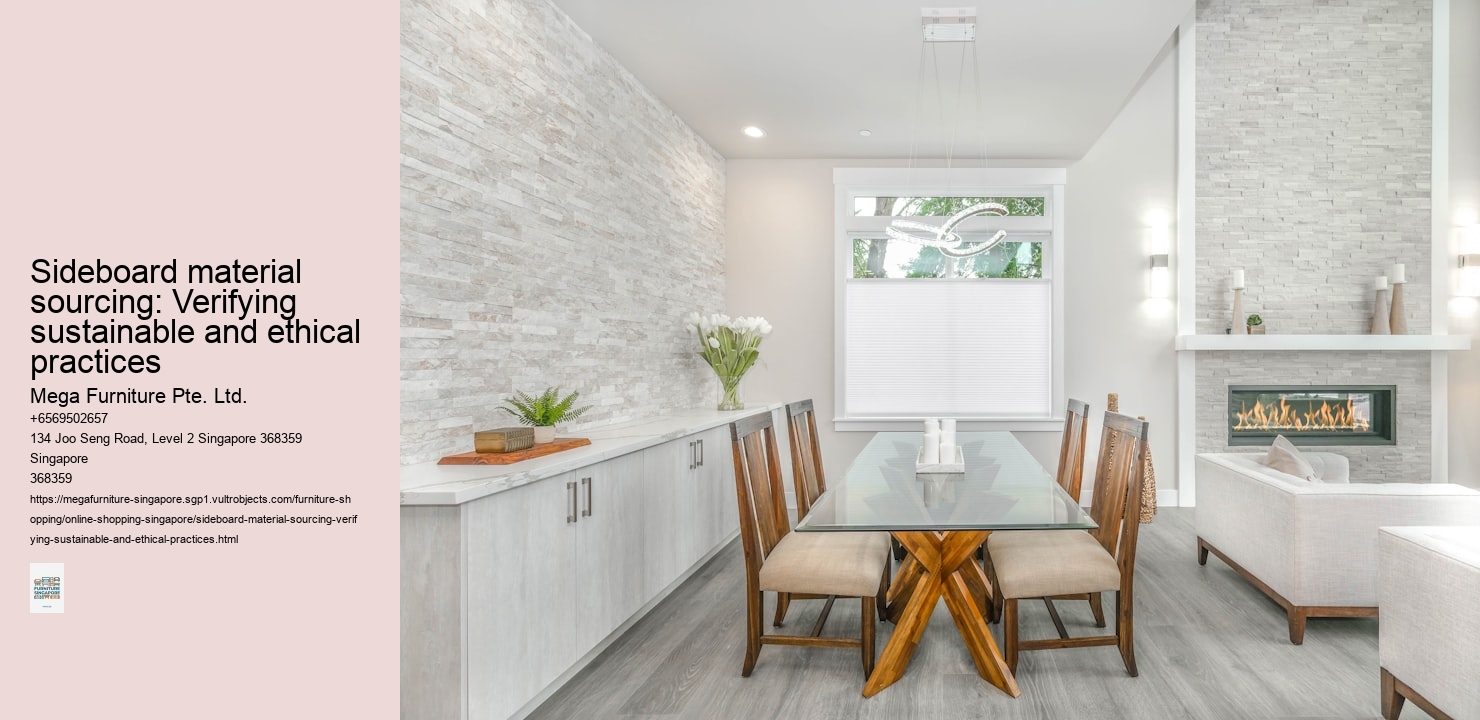
Sideboards in HDB living rooms often end up wedged between the sofa and the wall — a compromise that’s less about design and more about working with what’s there. Wooden Sideboard . Measuring doorway clearances is the first hurdle; anything under 80cm means manoeuvring the piece becomes a two-person job, especially in tighter BTO layouts. Most living rooms in these flats hover around 3.2 to 3.6m wide, leaving just enough space for a sideboard that’s 150–180cm long without overwhelming the area.
Walkways matter more than you’d think. A 1.2m clearance between the sofa and the sideboard isn’t just a recommendation — it’s the difference between a functional space and one that feels like an obstacle course. In many homes, this means opting for a narrower sideboard or repositioning the sofa slightly, especially if there’s a TV console or coffee table in the mix.
Height is another consideration. Sideboards typically stand at 75–90cm, which works well visually against standard HDB ceilings. But in smaller living rooms, a taller piece can make the space feel cramped, even if it offers extra storage. The sweet spot? Something low-profile that doesn’t compete with the sofa or TV unit for attention.
Material choice plays a role too. A sideboard in rubberwood or engineered wood tends to feel lighter in smaller spaces, while darker finishes like walnut or mahogany can anchor a larger room. Either way, it’s worth measuring twice — because once it’s in, there’s no easy way to adjust.
Singapore’s 84% average humidity can turn even the sturdiest furniture into a warped mess — especially in non-airconditioned spaces like open-concept living rooms or landed property verandas. Engineered wood with an HDF core and melamine laminate often holds up better than expected, thanks to its layered construction that resists moisture absorption. In many homes, it’s a practical choice for sideboards that double as media consoles or bar cabinets, offering stability without the hefty price tag of solid wood. Still, buyers should note that MDF — a cheaper alternative — tends to swell and warp in humid conditions, making it a poor fit for Singapore’s climate.
Solid teak, on the other hand, is a classic choice for its natural resistance to moisture and termites. Its dense grain structure allows it to expand and contract without cracking, making it ideal for sideboards in dual-function dining-living layouts. However, teak’s premium price often puts it out of reach for mid-range budgets, and its weight can make rearranging furniture a hassle in smaller condominiums. For those who can afford it, though, teak’s durability and timeless aesthetic make it a long-term investment.
When choosing between these materials, consider how the sideboard will be used. Engineered wood works well in airconditioned spaces or homes with consistent humidity control, while teak excels in more variable environments. Either way, avoiding MDF is key — it’s a false economy in Singapore’s climate, prone to warping even in mildly damp conditions. For buyers prioritising both durability and affordability, engineered wood often strikes the right balance.
Chain of Custody documentation traces tropical woods from forest to showroom. Look for FSC-certified rubberwood or acacia in sideboard frames—these species regenerate faster than teak. Singaporean importers typically bundle paperwork with customs declarations; request it before purchase. Without certification, that "sustainable" claim might just mean the supplier planted one tree somewhere. Mid-range sideboards around $1,200 often skip this paperwork entirely.
Laminate tops and adhesive fumes trigger allergies in HDBs with poor ventilation. The Singapore Green Building Council tests for formaldehyde emissions—their sticker should be visible on product tags. Cheaper Malaysian imports sometimes fake these labels; rub them to check for embossed holograms. Water-based adhesives add about 8% to production costs but eliminate that chemical smell. Budget under $1,800 for sideboards with legitimate certifications.
Old railway sleepers and warehouse beams get repurposed into statement sideboards. Verify provenance through supplier photos of original structures—authentic pieces show weathering patterns that can't be replicated. These command 20-30% premiums but suit landed properties with industrial aesthetics. Watch for "reclaimed-style" knockoffs using fresh timber with artificial distressing. A genuine 180cm reclaimed teak sideboard typically starts at $2,400.
Shipping raw materials burns less fuel than transporting finished sideboards—ask whether assembly happens locally. Kitchen cabinets in Singapore split into two categories: built-in fitted units installed during renovation, and freestanding cabinets that supplement existing storage when the original built-ins run out of room. Megafurniture's Extendable Dining Table collection focuses on the freestanding side — tall pantry units, slim ladder cabinets, and modular pieces that fit kitchen alcoves. Pricing typically runs $200-$1,000 per linear foot for the modular range.. Indonesian workshops near Batam often supply partially constructed pieces for final finishing in Singapore. This cuts transport emissions by half compared to fully imported units. Some retailers offset carbon through mangrove planting; request the project's GPS coordinates. Expect to pay 5-7% more for climate-conscious logistics.
Carved details signal hand craftsmanship—check for artisan cooperatives listed on packaging. Vietnamese lacquer workshops and Javanese woodcarvers should have identifiable maker's marks. Bulk importers sometimes replace these with machine-made duplicates halfway through production runs. Ethical sideboards display slight asymmetries that prove human involvement. Budget $2,000+ for pieces supporting traditional craft communities.
The Joo Seng showroom’s drawer glides held up under 15kg weights—just. Test them yourself with the supplied dumbbells, focusing on mid-extension wobble. Edge banding on display units measured 2.1mm at thinnest points, though humidity warping won’t show until year two. Look for hairline gaps where laminate meets substrate; that’s where Singapore’s wet-dry cycles will strike first. Megafurniture’s sideboard collection leans toward rubberwood frames with paper-laminated MDF panels—budget-friendly, but check drawer bottoms for 9mm plywood versus 5mm fibreboard. Their sales staff will demonstrate soft-close mechanisms, but insist on seeing the undamped version too; that’s what you’ll live with when the hydraulics fail. One tester noted inconsistent lacquer thickness on sample doors—glossy surfaces showed 0.3mm variance under UV penlight. Not catastrophic, but enough to affect how light plays across a 180cm unit in a condo’s open-plan living area. The Tampines branch keeps better-lit inspection stations for finish checks. Their
buffet unit lineupincludes three depth options: 35cm for narrow HDB corridors, 45cm standard, and 55cm for landed property dining rooms. The shallow versions sacrifice utility—you’ll struggle to stack dinner plates sideways—but gain 10cm of precious walkway clearance. Showroom lighting masks grain variation in veneered pieces. Ask to see your shortlisted model under the corridor’s fluorescent tubes, where colour shifts become obvious. That warm oak sample? Chest of Drawers . It’s yellower than it appears under spotlights.
Sideboard materials should prioritize FSC-certified or reclaimed wood to ensure responsible forestry practices. Verify supplier transparency through chain-of-custody documentation. Avoid tropical hardwoods unless accompanied by proof of legal harvesting and reforestation efforts.
Confirm manufacturing facilities adhere to fair wage standards via third-party audits like Fair Trade or SA8000. Handcrafted pieces should highlight artisan partnerships with equitable profit-sharing. Reject suppliers with histories of forced or child labor violations.
Water-based stains and plant-derived oils reduce VOC emissions compared to traditional varnishes. Seek Greenguard Gold or Cradle-to-Cradle certified coatings. Natural wax finishes offer durability without synthetic chemical additives.
Sideboard placement considerations: Optimizing flow in dual-function layouts
A pre-war shophouse staircase with its original 65cm clearance seems charming until you’re watching movers tilt a 2.1m-wide sideboard at 45 degrees, scraping century-old plasterwork. Delivery teams in Tiong Bahru and Joo Chiat know this dance too well — they’ll charge $200 extra for the privilege of dismantling your new purchase mid-stairwell.
Marble tops are the silent saboteurs in these homes. That 90cm sideboard might fit the alcove, but pre-war joists weren’t designed for 80kg of Carrara slab. Three homeowners in Katong discovered this the hard way last year; their contractor invoices included $3,500 for reinforced flooring after hairline cracks appeared in the ceiling below.
Terrace house buyers often fixate on room dimensions while forgetting the journey between front gate and final placement. A standard sideboard’s 75cm depth becomes problematic when navigating tight service staircases common in conserved Bukit Timah properties — some as narrow as 55cm with original banisters intact. Extendable dining tables solve the most common Singapore HDB problem — dining for 4 daily, dining for 8 at Chinese New Year and birthdays. Megafurniture's Display Cabinet range covers butterfly-extension, drop-leaf, and extension-leaf mechanisms in sintered stone, wood, and marble tops. Most sit in the 140-180cm closed position, extending to 200-240cm when expanded.. Movers report at least one abandoned delivery per month in these neighbourhoods, usually when clients realise their dream piece won’t clear the maid’s quarters’ spiral staircase.
The smart play? Measure twice, then measure the path. Seasoned buyers in heritage districts bring laser measures to check overhead clearances under beams, and they’ll mock up cardboard cutouts to test tight turns. It’s tedious, but cheaper than paying storage fees for furniture that never makes it past the foyer.
For those set on marble, consider sintered stone alternatives at 60% lighter weight — they’ll fool most guests visually while keeping your floor joists happy. Just verify the load rating matches your home’s original construction; many 1930s landed properties max out at 50kg per sqm for second-floor installations.
In Singapore’s humid climate, laminate peeling isn’t just a cosmetic issue — it’s a near inevitability. Most warranties cover this for a minimum of five years, but buyer’s should scrutinise the fine print for exclusions. Dining Room Furniture . Coastal areas within 5km of seawater exposure often void coverage entirely, leaving homeowners in neighbourhoods like East Coast or Pasir Ris with limited recourse.
Structural integrity is another key factor, especially for sideboards that double as media consoles or bar cabinets. Warranties typically guarantee this for 10 years, though terms vary widely. Look for clauses that address warping or joint failure, common issues in high-humidity environments. Some manufacturers exclude damage caused by prolonged exposure to air-conditioning, which can dry out materials unevenly.
For buyers in landed properties or larger condos with dual-function spaces, these details matter. A sideboard’s warranty isn’t just a safety net — it’s a reflection of how well the piece is built to withstand tropical conditions. Rubberwood and engineered wood options often fare better than solid timber, which can expand and contract more dramatically with humidity.
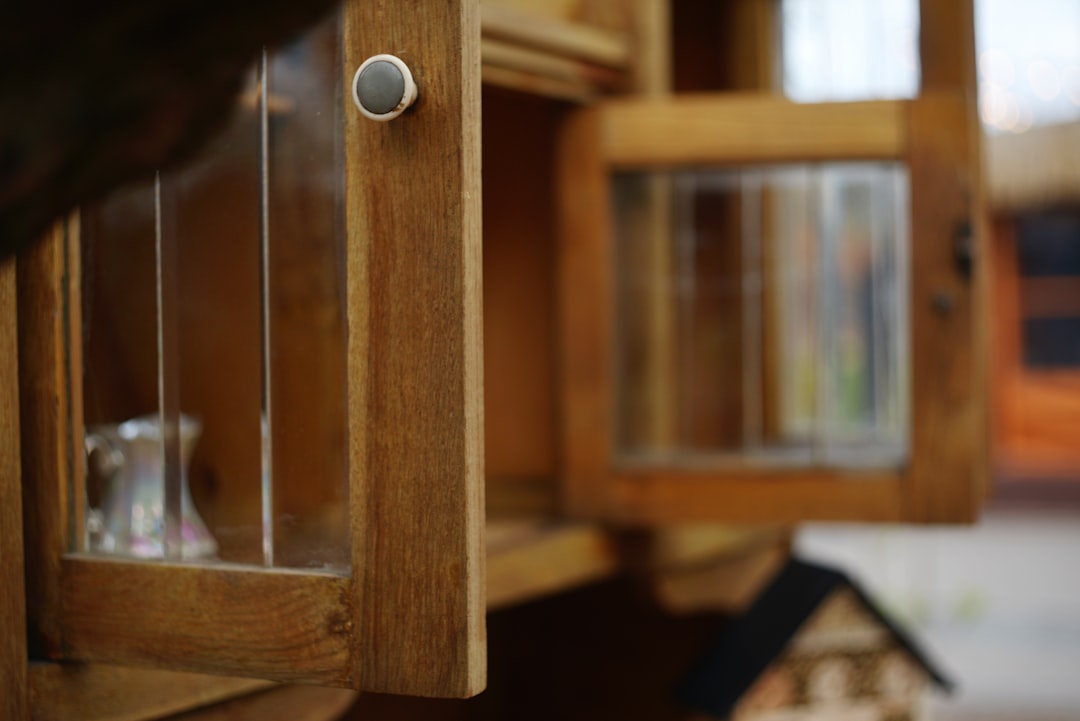
Exclusions for coastal areas are particularly stringent, with some warranties explicitly naming neighbourhoods like Bedok and Tanah Merah. If you’re furnishing a home near the coast, consider materials like sintered stone or high-pressure laminate, which are less prone to moisture damage.
Ultimately, the warranty’s fine print tells you more about a sideboard’s durability than any sales pitch ever could.
In a 12 sqm condo living room, floating consoles often edge out sideboards — they’re slimmer, wall-mounted, and free up floor space. But buyer wants storage? That’s where sideboards still win, especially for dual-function layouts where dining spills into living areas. Floating consoles typically max out at 25cm depth, which works for remotes or decor but not much else; sideboards, even compact ones, start around 35cm, enough for LP records or dinnerware.
Minimum depth for storing LP records? Aim for 33cm or more — vinyl sleeves measure 31.5cm, and you’ll want a bit of clearance. Sideboards under 90cm width often hit this mark, though some slim designs sacrifice depth for aesthetics. Rubberwood or engineered wood constructions are common in these smaller units, balancing durability with a lighter profile.
For media storage, sideboards around 150cm wide and 40cm deep can double as TV consoles — just ensure there’s enough ventilation for electronics. Floating consoles, while sleek, often leave cables exposed unless paired with clever cable management. In many homes, the choice comes down to whether you’re prioritising visual lightness or practical storage.
The moment you unbox a sideboard and find it blocks half the power outlets is when you realise why Singaporean electricians install sockets at 30cm — precisely where most sideboard backs hit. Tape the floor where your dining chairs pull out; that 60cm clearance looks generous until someone needs to squeeze past during Chinese New Year steamboat.
Measure twice for wall-mounted TVs — their power cords often exit downward at 15cm, which means your sideboard’s 75cm height might force ugly cable draping unless you’ve confirmed the socket sits above 85cm. Painter’s tape works better than mental math for visualising how a 180cm sideboard eats into walkways in narrow HDB dining areas.
Watch for depth mismatches. A standard 45cm-deep sideboard fits flush against most walls, but older landed properties sometimes have skirting boards that add 2–3cm — enough to make the unit jut awkwardly into walkways. In open-plan condos, check sightlines from the kitchen; you’ll want at least 90cm clearance between the sideboard’s edge and any island breakfast bar.
Pro tip: Lay newspapers over the taped floor outlines for a day. That’s how you’ll notice if the proposed spot interferes with the ceiling fan’s downdraft or forces someone to sidle past the fridge. For corner units, verify diagonal clearance — many 150cm models claim to fit L-shaped spaces but forget to account for door swings.
Megafurniture’s sideboard collection includes several shallow-depth options ideal for tight spaces. Their 38cm-deep models sacrifice some storage but solve outlet conflicts in pre-2000s flats where builders clustered sockets oddly low.