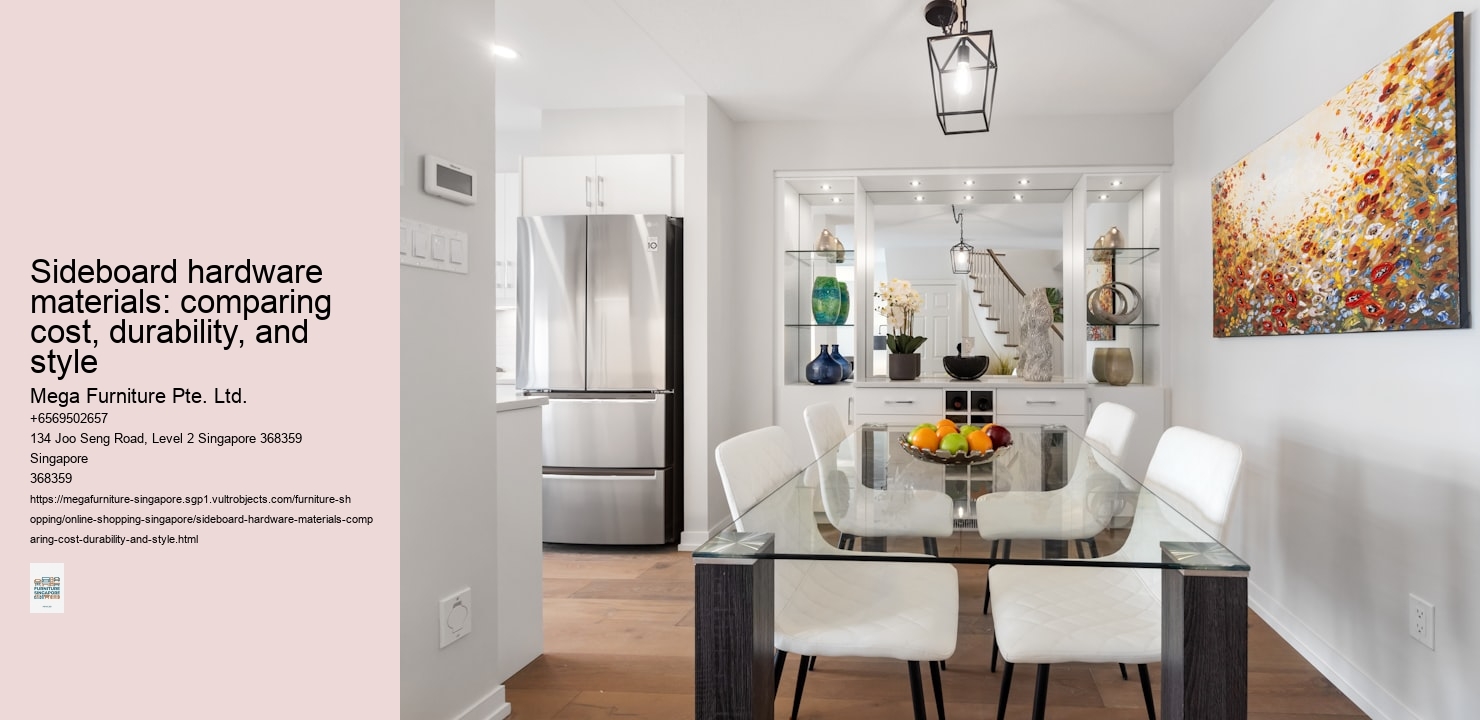
In a 4-room BTO living room, the 180cm sideboard isn’t just furniture — it’s a spatial anchor. It fills the wall between the TV console and the dining table without crowding the walkway, leaving just enough room for a 90cm-wide sofa. With a 45cm depth, it tucks neatly behind the sofa, creating a clean line that visually expands the space. HDB layouts, especially those around 3.6m wide, benefit from this balance; it’s storage without the bulk.
Condo dining areas, though, demand a different approach. Here, a 120cm sideboard works better — it’s compact enough to fit alongside a 6-seater dining table without dominating the room. In many homes, it doubles as a bar cabinet or display surface for tableware, blending function with form. The shorter width also leaves space for a console table or plant stand, keeping the area feeling open.
Depth matters as much as width. A 45cm depth is ideal for living rooms, but in smaller dining spaces, 35cm can make all the difference. It’s slim enough to avoid feeling intrusive, yet deep enough to hold dinner plates or wine glasses. For those with dual-function layouts, like a combined living-dining area, the sideboard becomes a divider — a subtle way to define zones without walls.
Material choice plays into this too. A sideboard in light oak or white laminate can make a room feel larger, while darker finishes like walnut or charcoal add depth to open-plan spaces. In many homes, it’s the finish that ties the room together — a neutral tone for minimalist schemes, or a bold lacquer for a more contemporary look.
Singapore’s relentless humidity — hovering around 80% RH year-round — doesn’t just frizz hair; it wreaks havoc on poorly chosen sideboard hardware. Zinc alloy hinges, for instance, might look sleek initially, but they’ll start corroding within months in neighbourhoods like Tampines or Bedok, where salt air compounds the moisture. Stainless steel, though pricier, holds up better, resisting rust even in high-humidity zones like Eunos or Aljunied. It’s a practical choice for buyers who don’t want to replace hinges every few years.
Ceramic knobs, often overlooked, offer another humidity-resistant alternative. Unlike brass plating, which can tarnish and peel under Singapore’s conditions, ceramic maintains its finish even in coastal areas like Pasir Ris or East Coast. They’re also easier to clean — a quick wipe removes fingerprints and salt residue without damaging the surface. For a modern sideboard in a dual-function dining-living layout, ceramic knobs add a subtle, durable accent.
Powder-coated options, like those in Megafurniture’s collection, strike a balance between durability and style. The coating acts as a barrier against moisture, making it suitable for humid climates. It’s worth noting that powder-coated finishes come in a range of colours, from muted greys to bold blues, allowing buyers to match their sideboard hardware to existing décor. While they’re not entirely immune to wear, they’re far more resilient than untreated metals.
For homeowners in landed properties or larger condos, where sideboards often serve as bar cabinets or media consoles, investing in humidity-resistant hardware is a no-brainer. It’s not just about aesthetics — it’s about avoiding the frustration of rusted hinges or tarnished knobs in a piece meant to last. The right materials ensure that your sideboard remains functional and stylish, even in Singapore’s challenging climate.
At S$799, laminated MDF sideboards offer stain resistance that outperforms natural wood. Spilled kopi wipes clean without leaving marks, crucial for households with young kids or frequent entertainers. The trade-off comes in durability — edges chip if bumped by vacuum cleaners, and heavy objects leave permanent dents. Budget-conscious buyers in 4-room BTOs often choose this for its uniform appearance across multiple pieces. Just avoid placing it near balcony doors where humidity causes swelling over time.
Priced around S$1,400, oak veneer develops character with age but demands quarterly conditioning. Its open grain traps turmeric stains in Tandoori-heavy households, requiring immediate blotting with mineral spirits. The material withstands decades of use when treated properly, developing a honeyed patina that laminated surfaces can't replicate. Ideal for landed properties with consistent aircon, though direct sunlight in west-facing condos may cause uneven fading. Maintenance costs add roughly S$120 annually for specialty wood cleaners.
Adding S$200 to base prices, tempered glass tops prevent water rings from condensation-heavy kopi cups. Their 8mm thickness supports serving trays during CNY visits without risk of cracking. The downside? Fingerprints show constantly in homes with toddlers or piano students. Installation requires professional help to avoid chipped edges during fitting — a hidden cost many overlook. Best paired with darker bases to mask the inevitable dust accumulation between weekly cleanings.
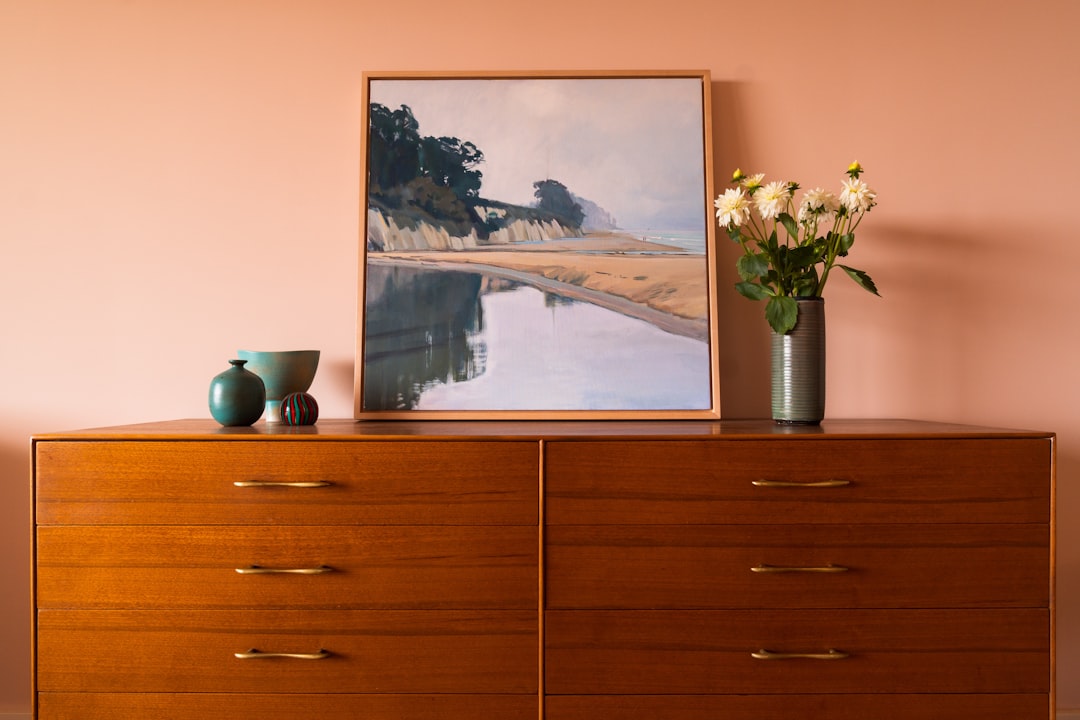
Mid-range options around S$1,100 use acrylic coatings that mimic marble without the staining. They resist common HDB hazards like hair dye spills and melted candle wax. Deep scratches require professional buffing at S$80–S$120 per service, making them poor choices for homes with cats. The high-gloss finish amplifies small spaces but shows every water droplet in humid Eunos bathrooms. Some buyers report yellowing after 5–7 years near kitchen grease.
Industrial-chic sideboards feature powdered metal legs at S$1,800+, shrugging off chair bumps in tight dining areas. The matte finish hides scuffs better than polished alternatives but attracts magnet dust in landed properties near MRT tracks. Unlike wood, temperature changes won't warp the material — a plus for converted balconies. Just expect to hear every vibration when placing cutlery directly on the surface during meals. Most owners eventually add felt pads to drawer bottoms for noise reduction.
Scratch marks on sideboard legs tell the story of most pet households — cats treat furniture like territorial signposts, while dogs’ wagging tails become wrecking balls at drawer-pull height. Magnetic child locks (S$25/set) solve the feline drawer-raiding problem without ugly visible latches; look for models with 3M adhesive backing that won’t leave residue on teak or walnut veneers.
Melamine-coated hardware outperforms lacquered brass or powder-coated steel when claws are involved — the plastic laminate shrugs off scratches that’d permanently etch softer metals. Avoid protruding handles in homes with excitable spaniels or golden retrievers; recessed finger pulls or touch-latch mechanisms prevent tails from smashing hardware loose over time.
Pet owners should skip delicate ceramic knobs in favour of forged iron or solid aluminium pulls — the weight makes them harder to dislodge during zoomies. Sideboards near litter boxes need stainless steel hinges; standard zinc alloy corrodes within months from ammonia exposure.
Megafurniture’s sideboard collection offers several pet-proof options with rounded corners and scratch-resistant finishes. Their magnetic lock sets install in minutes without drilling — crucial for renters in leasehold condos where modifications void deposits.
Brass sideboard hardware offers a classic, warm aesthetic with moderate durability. It is more expensive than basic materials but resists tarnishing with proper care. Ideal for traditional or vintage-inspired designs, brass develops a patina over time that adds character.
Stainless steel provides a sleek, modern look with exceptional corrosion resistance. While mid-range in cost, its durability makes it suitable for high-use areas. The neutral tone pairs well with contemporary or minimalist sideboard styles.
Wooden hardware creates organic warmth and can be stained to match any sideboard finish. Affordable but prone to wear, it requires occasional resealing. Perfect for rustic, Scandinavian, or eco-friendly interior themes.
Ceramic hardware introduces vibrant color options and intricate hand-painted designs. Less durable than metal options, it chips more easily but offers unique artistic flair. Best for decorative accent pieces in low-traffic spaces.
In a Tampines showroom, buyer tests drawer glides with 10kg weights — a practical move, given how often sideboards in dual-purpose living-dining spaces get overloaded with dinnerware and bar supplies. The smoother the glide, the less likely it’ll jam after a year of heavy use. Back panels, often overlooked, matter too; solid wood resists warping in Singapore’s humidity, while particleboard tends to swell at the edges over time. Humidity-tested samples on display let buyers see how materials hold up in tropical conditions, a detail worth noting for landed properties with less climate control than condos.
Sideboards in modern homes often double as media consoles or bar cabinets, so durability isn’t just about storage — it’s about daily use. Drawer glides should handle weight without sagging, especially if you’re storing bottles or electronics. Back panels, though hidden, affect stability; solid wood provides better support for taller units, while particleboard can weaken over time. Testing these features in person ensures you’re not just buying looks but functionality that lasts.
Showroom visits also reveal how finishes react to light and humidity — a matte veneer might hide fingerprints better in a high-traffic living room, while a glossy finish could highlight dust in a dining area. Humidity-tested samples show how materials age, a crucial factor for buyers in neighbourhoods like Bedok or Aljunied, where coastal air accelerates wear. It’s not just about what looks good now, but what will still look good after a year of Singapore’s weather.
" width="100%" height="480">Sideboard hardware materials: comparing cost, durability, and styleSideboard hardware security: enhancing safety and childproofing
Lift doors in Singapore’s high-rise condominiums typically measure 80cm wide — a detail that’s easy to overlook until you’re staring at a sideboard that won’t fit. Most modern designs hover around 75cm in width, but even that slim margin can spell trouble if the delivery crew doesn’t account for hinges or protruding handles. Condo dwellers in Eunos or Bedok often find themselves measuring twice, buying once — and occasionally hiring a professional dismantler to get the piece upstairs.
For landed properties in neighbourhoods like Bukit Timah or Seletar, the challenge shifts from width to weight. Teak sideboards, prized for their durability and grain, can tip the scales at 200kg or more — well beyond what a standard delivery team can handle. Crane-assisted deliveries are the norm here, adding at least $300 to the cost. It’s a premium that many buyers don’t factor in until the invoice arrives, though the sight of a crane hoisting a sideboard over a garden fence tends to draw more curiosity than complaints.
Storage-heavy designs with multiple drawers or concealed compartments add another layer of complexity. While they’re practical for dual-function dining-living layouts, their bulk often requires partial disassembly before they’ll clear the lift. Buyers in 4-room BTO flats or larger condos should prioritise modular designs or pieces that can be reassembled without specialist tools.
Sideboards aren’t just furniture — they’re logistical puzzles. Whether you’re navigating a narrow lift in Tampines or coordinating a crane in a landed estate, the delivery process often demands as much planning as the purchase itself.
In many landed properties, buyers position sideboards against walls without checking for power points — only to realise too late that the unit blocks all sockets. A 150cm sideboard might look sleek in a Tampines showroom, but it’s useless if you can’t plug in your coffee machine or charge your phone without dragging cables across the floor. Measure the wall space, mark outlet locations, and consider a unit with a cutout or cable management system to avoid this common oversight.
Glossy finishes, while striking in showroom lighting, tend to highlight every smudge and speck of haze residue — a frequent issue in neighbourhoods like Bedok or Aljunied. Matte or satin finishes are more forgiving, especially in homes with open windows or balconies. If you’re set on a high-gloss look, factor in the extra effort of daily wiping or invest in a microfiber cloth stash.
Underestimating storage needs is another pitfall, particularly for families preparing for Lunar New Year. A sideboard might seem spacious until you’re juggling crockery, serving trays, and festive decorations. Look for units with adjustable shelves or deeper drawers — a 200cm sideboard with six drawers typically offers more flexibility than a shorter model with fewer compartments.
Lastly, don’t assume a sideboard’s top surface is purely decorative. In dual-function layouts, it often doubles as a bar or media console, so choose materials that can withstand spills and scratches. Rubberwood tops are durable and affordable, while sintered stone adds a modern touch but comes at a higher price point.
Sideboards over 180cm wide often arrive flat-packed for good reason — even disassembled, their solid wood panels may not fit through older HDB lift doors or pivot around narrow corridor turns. Delivery crews in Tampines and Bedok estates routinely carry components up stairwells when lifts measure under 210cm tall.
Soft-close mechanisms fail fastest in coastal neighborhoods like Marine Parade where salt air accelerates hinge corrosion. Look for drawer runners with zinc alloy coatings; the cheap stainless steel variants marketed as "rust-proof" still seize up within 18 months when humidity stays above 80%. A thin smear of food-grade silicone grease on the tracks every monsoon season helps — just avoid petroleum-based lubricants that degrade plastic dampers.
Marble floors in Bukit Timah landed properties demand sideboards with adjustable levelling feet. The weight distribution matters less than preventing point loads — a 200cm solid teak unit should have at least six height-adjustable glides, not the standard four. Shim uneven spots with neoprene pads rather than wooden wedges; they compress uniformly under load.
Wall-mounted units only make sense when your contractor confirms the partition wall is reinforced concrete. Most BTO drywalls can’t safely support more than 40kg without additional framing. Freestanding designs with back panels finished on all sides offer more placement flexibility — useful when rearranging open-concept layouts in Sengkang or Punggol flats.
Megafurniture’s Joo Seng showroom lets buyers test drawer actions on sample units — their teak sideboards use Blumotion hardware that holds up better in Singapore’s climate than generic imported runners. The soft-close buffers are user-replaceable without dismantling the entire drawer.