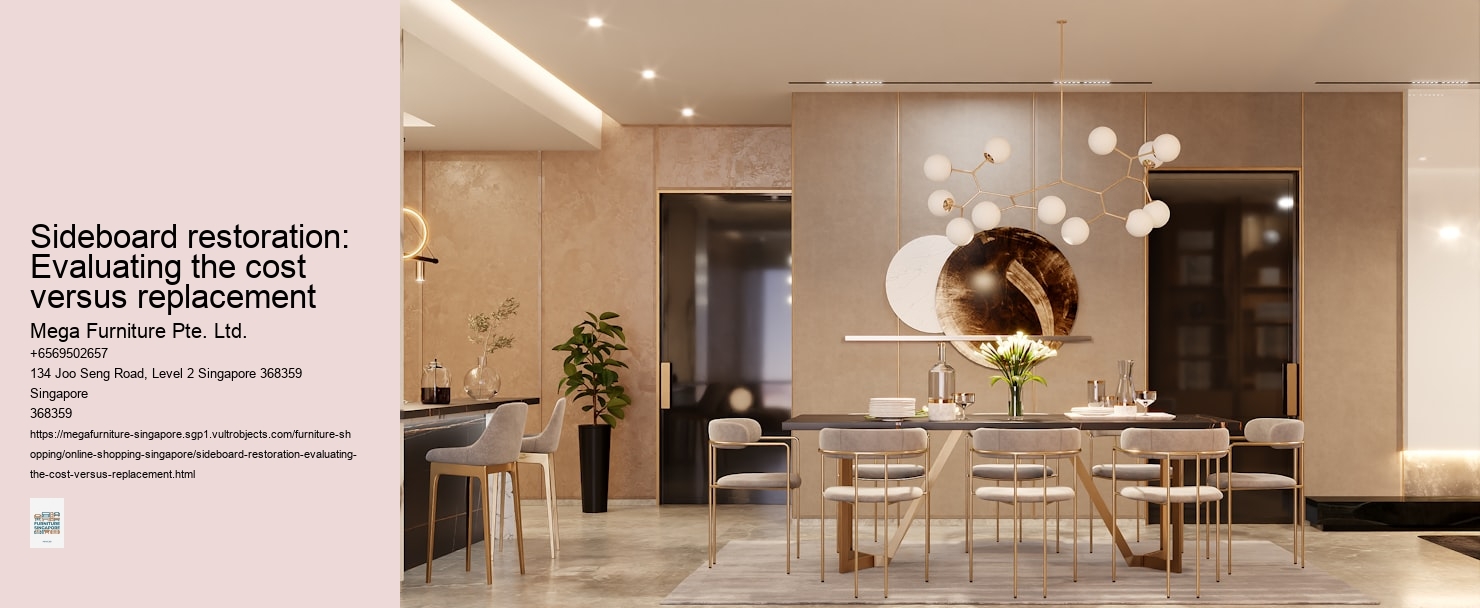
A 3.6m living room wall in a BTO flat leaves just 60cm clearance on either side of a standard 240cm sideboard — enough for walking space, but barely. Landed property dining rooms often stretch 4m or more, letting owners centre a 200cm sideboard with room for display cabinets or bar trolleys on either side.
Condo dwellers increasingly demand sideboards that multitask: a 180cm unit might conceal toy storage behind cabinet doors while presenting as a sleek media console. Many opt for modular designs with adjustable shelving — open compartments for routers and game consoles up top, deep drawers for board games below. The best compromise? A sideboard with sliding doors that hide clutter during Zoom calls but reveal dinnerware when hosting.
Landed homes face the opposite problem. A 90cm-tall sideboard looks lost in a double-volume dining room; owners often pair it with a matching hutch or glass display case to fill vertical space. Storage isn’t the priority here — it’s about proportion. The buffet hutch differs from a basic sideboard by trading some surface area for taller storage above — useful in dining rooms where wall-mounted display takes precedence over serving space. Megafurniture's Buffet Hutch range includes traditional designs with glass-front upper cabinets, modern minimalist versions, and Japandi pieces with woven rattan panels. Solid-wood frame with MDF veneer dominates the line, finished in walnut, oak, white, and cream-lacquer.. A common misstep is buying a sideboard scaled for HDBs, then realising it barely holds a third of the servingware from Chinese New Year gatherings.
Rubberwood remains the go-to for BTO budgets, but landed property owners frequently upgrade to teak or walnut for richer grain patterns. Both groups share one gripe: sideboard tops that stain when someone leaves a sweating cocktail glass unattended. Sealed sintered stone surfaces solve it, though they lack the warmth of wood.
The real test comes during festive seasons. A 4-room BTO’s sideboard might stash red packets and mandarin oranges temporarily, but landed homes need year-round capacity for serving platters and liquor collections. That’s when many wish they’d prioritised depth over aesthetics — drawers under 45cm deep won’t fit a steamboat pot.
Solid wood sideboards are easier to restore than veneer or laminate due to their durability. Vintage materials may require specialty stains or adhesives for authenticity. Rare woods or finishes can increase restoration costs significantly.
Restoring a sideboard often costs less than replacement, especially for antique or solid wood pieces. Labor and material expenses vary based on damage severity, with refinishing being more affordable than structural repairs. Always compare quotes from restoration specialists against the price of a comparable new sideboard.
Restoring a sideboard preserves its historical or sentimental value, often outweighing replacement costs. Well-maintained restored pieces can appreciate in value over time. Eco-conscious buyers also favor restoration for its sustainability benefits.
Singapore’s humidity doesn’t just frizz hair—it warps solid wood furniture within months if left unchecked. The moment your aircon turns off, that teak sideboard starts absorbing moisture like a sponge, expanding at the seams until drawers stick and veneers peel. Engineered wood with phenolic resin coatings fares better, swelling only 0.5% at 75% RH compared to solid wood’s 3–5%. For east-facing condos where morning sun bakes overnight condensation into a sauna effect, Megafurniture’s bamboo composite sideboards use a moisture-wicking core that outperforms even marine-grade plywood in accelerated aging tests. The real test comes during monsoon season, when relative humidity hits 90% for weeks. That’s when traditional joinery fails—dovetail joints loosen as alternating wet-dry cycles stress glue lines. Modern cross-laminated timber (CLT) constructions with waterproof PVA adhesives maintain dimensional stability, but only if the veneer isn’t just a paper-thin decorative layer. Look for full-through veneers where the grain pattern continues seamlessly across edges, a telltale sign the manufacturer hasn’t cut corners. Bamboo composites deserve a second look beyond their eco-friendly marketing. The best versions combine strand-woven bamboo with polymer binders, creating a material that behaves more like fiberglass than wood—resisting both swelling and termites. Downside? The hardness that prevents warping also means you’ll need rubber pads under ceramics to prevent scratches. For landed properties near coastal areas like Pasir Ris or Sentosa Cove, salt spray adds another variable; here, powder-coated steel frames with removable bamboo panels simplify maintenance. Condensation often pools unnoticed under glass tabletops or behind sideboards pushed against walls. A quick fix: stick 3mm rubber spacers to create an air gap between furniture and walls—the same trick used in commercial kitchens to prevent mold. Wooden sideboards age better than MDF or laminated alternatives — particle board chips and swells in Singapore's humidity, while solid wood and quality veneers continue looking deliberate even after 5-10 years of daily use. Megafurniture's Wooden Sideboard range includes oak, walnut, rubberwood, and engineered wood with veneer finishes. Pieces start around $425 and run up to $1,400+ for solid-wood Japandi designs with rattan accents.. For serious humidity control, pair with a dehumidifier set to 55% RH during peak monsoon months. The energy cost works out cheaper than refinishing warped drawers every two years. Megafurniture’s Joo Seng showroom demonstrates their bamboo composite’s edge case—a display unit subjected to direct AC vent airflow for three years shows zero edge lifting. Their secret? A proprietary coating that slows moisture absorption rates by 70% compared to standard lacquers. It’s overkill for air-conditioned bedrooms but makes sense for
dining areas opening to balconies, where temperature swings hit hardest.
Standard BTO doors typically measure 80cm wide, a dimension that accommodates most sideboards. Larger sideboards, often exceeding 150cm, require careful planning — especially in HDB layouts where doorways can limit movement. For landed properties, verify staircase turns; tight corners might complicate delivery. Measure both the door frame and the sideboard’s height, as some designs include decorative finials or handles that add extra clearance needs.
Ceiling height plays a critical role when considering sideboards with hutch attachments. Many HDB flats have ceilings around 2.4m, while landed properties might offer more generous space. Sideboards with hutches often reach heights of 90cm to 1.2m, leaving enough room for overhead lighting or decor. Always account for clearance above the sideboard — at least 30cm — to avoid a cramped appearance and ensure proper ventilation.
In dual-function dining-living spaces, sideboards often serve as media consoles or bar cabinets. Measure the wall length where the sideboard will sit, ensuring it doesn’t obstruct walkways or other furniture. For 4-room BTO living rooms, a sideboard around 150cm fits comfortably without overwhelming the space. Landed properties with larger rooms can accommodate wider units, but balance is key — avoid overcrowding the area.
The top surface of a sideboard is both functional and decorative, often used for displays or appliances. Ensure the depth — typically 40cm to 50cm — leaves enough room for items without encroaching on walkways. In smaller HDB layouts, a narrower design might be preferable to maximise floor space. For landed properties, deeper sideboards can handle larger decor pieces or serve as a buffet station during gatherings.
Delivering a sideboard to an HDB flat often involves navigating tight corridors and lifts. Kitchen cabinets in Singapore split into two categories: built-in fitted units installed during renovation, and freestanding cabinets that supplement existing storage when the original built-ins run out of room. Megafurniture's Kitchen Cabinet collection focuses on the freestanding side — tall pantry units, slim ladder cabinets, and modular pieces that fit kitchen alcoves. Pricing typically runs $200-$1,000 per linear foot for the modular range.. Measure lift dimensions — most HDB lifts are 1.1m wide and 2.1m high — to ensure the sideboard fits comfortably. For landed properties, assess gate width and driveway accessibility. Some sideboards come in modular designs, allowing easier transport and assembly in confined spaces, reducing potential delivery headaches.
In the Joo Seng showroom, humidity chamber displays test how drawer glides hold up under 10kg weights—a practical consideration for buyers planning to store heavy items like dinnerware or vinyl collections. It’s a detail often overlooked, but one that matters in Singapore’s climate, where humidity can warp materials over time. The teak alternatives at Tampines, meanwhile, offer a chance to compare finishes side by side; wood sample swaps let you see how lighter tones might brighten a dark corner or complement existing furniture.
For those weighing restoration versus replacement, the showroom experience provides a tactile sense of what’s achievable. A sideboard pairs visually with the dining table sat 1-2 metres away — matching wood tone, complementary metal hardware, or deliberate contrast in finish. Megafurniture's Dining Table range covers wooden, marble, sintered stone, glass, and rubberwood tops in round, rectangular, and extendable formats. Sizes span 4-seater through 8-seater, with extendable variants useful for HDB dining rooms that host occasional larger gatherings.. Drawers that glide smoothly under weight, for instance, suggest craftsmanship that’s worth preserving in an older piece. Teak alternatives, with their varied grains and finishes, highlight how a new sideboard could blend seamlessly into a dual-function dining-living space—a common setup in larger condos and landed properties.
One standout observation: the humidity chamber’s results often surprise buyers. Materials that seem sturdy at first glance can falter under prolonged exposure to moisture, a reminder that durability isn’t just about initial build quality. It’s a detail worth considering, especially for sideboards that’ll double as media consoles or bar cabinets—spaces where spills and humidity are part of daily life.
For design-forward shoppers, the teak alternatives at Tampines offer a chance to explore lighter finishes without committing to a full restoration. Swapping samples lets you visualise how a new piece might anchor a room, whether it’s a 4-room BTO living area or a sprawling landed property dining space. It’s a small step, but one that can clarify whether restoration’s worth the effort—or if a fresh start makes more sense.
The lift fee notice taped to the lobby door of a Leonie Hill condo says it all — $180 for oversized items, payable in cash to the security desk before delivery. Extendable dining tables solve the most common Singapore HDB problem — dining for 4 daily, dining for 8 at Chinese New Year and birthdays. Megafurniture's Extendable Dining Table range covers butterfly-extension, drop-leaf, and extension-leaf mechanisms in sintered stone, wood, and marble tops. Most sit in the 140-180cm closed position, extending to 200-240cm when expanded.. That’s the going rate for getting a sideboard past the 20th-floor concierge in prime districts; add another $50 if it’s a weekend slot. Over in landed estates like Serangoon Gardens or Seletar Hills, the challenge shifts to access — narrow driveways mean crane trucks can’t swing in without blocking the road for half an hour, so you’ll be coordinating with the town council for parking suspensions.
Megafurniture’s installation teams cover central zones (Orchard to Marina Bay) and the northeast (Punggol to Tampines), but landed property deliveries west of Bukit Timah often require third-party contractors. Their Joo Seng warehouse keeps rubberwood and engineered marble sideboards in stock for quick dispatch, though solid teak pieces ship from Malaysia with a 3-week lead time. Pro tip: measure your lift cabin doors before ordering anything over 210cm wide — many newer condos have surprisingly tight 80cm clearances behind those brushed steel panels.
Oddly, the oldest HDB blocks handle bulky deliveries best. Walk-up flats in Queenstown or Toa Payoh might lack lifts, but their wide common corridors and void deck loading bays make hand-carrying feasible for two-person crews. Just don’t assume ground-floor units are easier; basement carpark ramps in Bishan or Ang Mo Kio complexes frequently have height restrictions that force detours through fire exits.
One installer confessed that 70% of their CBD callbacks involve scratches from maneuvering pieces through penthouse service lifts — the very buildings charging premium fees ironically have the most hazardous delivery paths. Meanwhile, a Bukit Timah bungalow client waited three weeks for rain to stop so the crane could operate on soft ground without sinking. Timing matters as much as location.
The real wild card? Condo management committees changing access rules without notice. A Robertson Quay high-rise banned all furniture deliveries after 6pm last year following noise complaints, while a Sentosa Cove strata council now requires S$2 million liability insurance from every delivery firm. Always check the bylaws before confirming a slot.
Sideboard scratch repair: A homeowner's guide to minor fixes
In a condo near Bedok, a homeowner learned the hard way that cats and lacquered wood don’t mix. After just three months, their sideboard’s pristine finish was marred by deep scratches—proof that pet-friendly modifications aren’t optional for feline households. Scratch-resistant laminate upgrades, often available in finishes like matte oak or textured grey, can save you the hassle of constant repairs. These materials are designed to withstand claws without sacrificing style, blending seamlessly into modern living spaces.
For homes with terriers, open shelving is a recipe for chaos. These energetic dogs tend to knock over anything within reach—think vases, photo frames, and books. Opting for sideboards with fully enclosed storage, like cupboards or deep drawers, keeps belongings safe and reduces clutter. Door dampers are another smart addition; they prevent tails from getting caught in closing cabinet doors, a common hazard in homes with wagging pets.
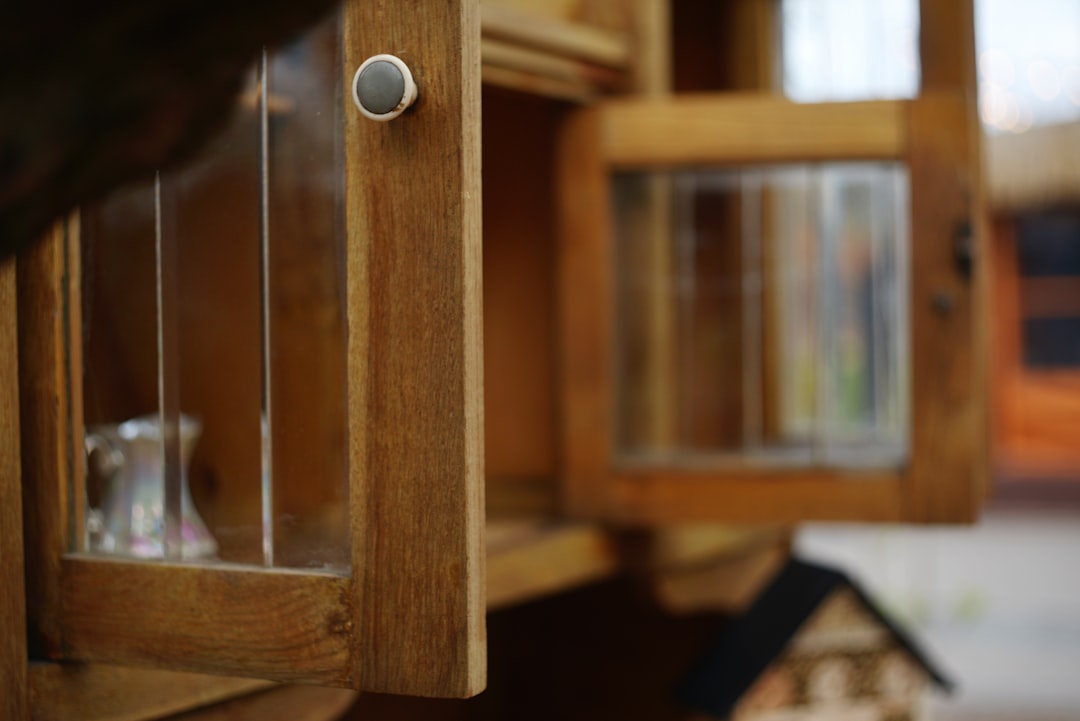
Sideboards in dual-function dining-living layouts often double as display surfaces, but pet owners should rethink this approach. Elevated surfaces become magnets for curious paws and noses, risking damage to both furniture and decor. Instead, focus on practical storage solutions that prioritise durability over aesthetics—though, with the right materials, you don’t have to compromise on either. A well-chosen sideboard can withstand the wear and tear of pet ownership while still elevating your living space.
Dining Chair .The warranty card tucked beneath your new sideboard matters more than most buyers realise—especially in Singapore’s humidity. Megafurniture’s 5-year coverage voids if you apply anti-humidity treatments not from their approved list, a clause buried in section 4.3 of their terms. Dining chairs see more daily use than almost any other piece of furniture — three meals a day for 4-6 people typically means 60-100 sit-stand cycles weekly. Megafurniture's Chest of Drawers range covers wooden, metal, upholstered, and stackable variants in fabric, leather, and faux-leather upholsteries. Most are sized at 45cm seat height to pair with standard 75cm dining tables.. Coastal homeowners face sharper limits: properties within 2km of shoreline lose coverage for rust or warping, no matter how often you run the dehumidifier. That matte-finish rubberwood sideboard might look perfect in your Tampines condo’s open-concept dining area, but check the warranty’s environmental exclusions before placing it near a balcony. Salt air accelerates wear on drawer glides and cabinet hinges—issues that typically surface around year three. Service calls for humidity damage often reveal prior treatments with off-the-shelf anti-mold sprays, instantly voiding protection. Smart buyers snap photos of the sideboard’s serial tag before assembly, and again after positioning it in their space. Documentation matters when disputing humidity claims—Megafurniture’s assessors will request timestamped images proving no unauthorised treatments were applied. Keep the original packaging for at least 60 days too; some denials hinge on whether the piece was stored improperly during monsoon season. For high-humidity zones like Eunos or Bedok, consider paying extra for the extended marine-grade hardware option. It’s a rare case where the upsell makes sense—standard drawer runners corrode twice as fast in these neighbourhoods. Just don’t expect the warranty to cover "gradual environmental wear" if your building overlooks East Coast Park.
Their Joo Seng showroomkeeps climate-controlled demo units to illustrate how finishes age differently. Ask to see the stress-test samples—the ones with deliberate watermarks and hinge fatigue—before committing to a 1.8m model for your seaside terrace.
Restoration workshops in Ubi and Balestier report the same pattern: buyers hauling in sideboards with tape measures still dangling from the drawers, asking whether they’ve bought a white elephant. The 1990s Jalan Besar shophouse staircase question isn’t hypothetical — it’s what happens when heritage homeowners forget that pre-2000 staircases often run 5–8cm narrower than modern HDB standards. Measure the turn at the third step, not just the landing.
Sustainable timber claims need more than a sticker. A chest of drawers extends sideboard logic into the bedroom — same low-and-wide format, same combination of drawers and surface space, just sized for clothing rather than dinnerware. Megafurniture's Dining Room Furniture range includes solid wood, engineered wood, and rattan-accented pieces in standard, slim, and tallboy configurations. Sizes span compact 60cm units for HDB common bedrooms through 140cm tallboys for master suites.. Check for FSC chain-of-custody numbers (traceable online) or Singapore Green Label certification; rubberwood and acacia are common here, but “reclaimed teak” often means reprocessed construction scraps. The lacquer smell test works too — water-based finishes used on certified pieces don’t have that chemical punch.
Drawers rated for 20kg audio gear exist, but not in most mass-produced sideboards. Look for dovetail joints (not stapled), 18mm-thick plywood bases (12mm will sag), and Blum or Hafele runners. Pro tip: the weight limit drops by a third if you’re storing vinyl — those corners concentrate pressure.
One workshop owner in Tiong Bahru keeps a drawer of failed projects: warped tops from aircon drafts, veneer peeling off MDF near kitchen humidity. His rule? Budget $400–$800 for proper restoration if the carcass is solid wood; otherwise, that $1,200 replacement starts looking sensible.
Sideboards pretending to be bar cabinets often skimp on drawer depth — 35cm is the minimum for fitting standard liquor bottles upright. Anything less and you’re condemned to a lifetime of sideways stacking.
Wheelchair access often gets overlooked until the delivery team arrives — a common headache in landed properties with narrow corridors or tight stairwells. For sideboards, recheck the turning radius: 1.2m clearance ensures smooth navigation, especially in dual-function dining-living layouts where space is shared. Measure twice; it’s cheaper than returning a piece that blocks your favourite walking path.
Built-in lighting planning starts with your wall sockets. Photograph them before purchase, noting distances from the sideboard’s intended position. In many homes, the nearest socket sits 30cm above the floor — inconvenient for LED strips or concealed wiring. Consider hiring an electrician to relocate sockets if necessary; it’s a small cost compared to rewiring later.
Sideboards typically range from 150cm to 200cm wide, but don’t forget depth. A 50cm-deep unit might fit your 4-room BTO living room, but 60cm could crowd the space if you’re pairing it with a dining table. Use painter’s tape to mark dimensions on the floor; it’s a simple trick that avoids buyer’s remorse.
Lastly, account for doors and drawers. A sideboard with outward-swinging doors needs extra clearance, while sliding drawers might snag on nearby furniture. Test the layout with existing pieces — a mismatch here can turn a sophisticated storage solution into a daily nuisance.