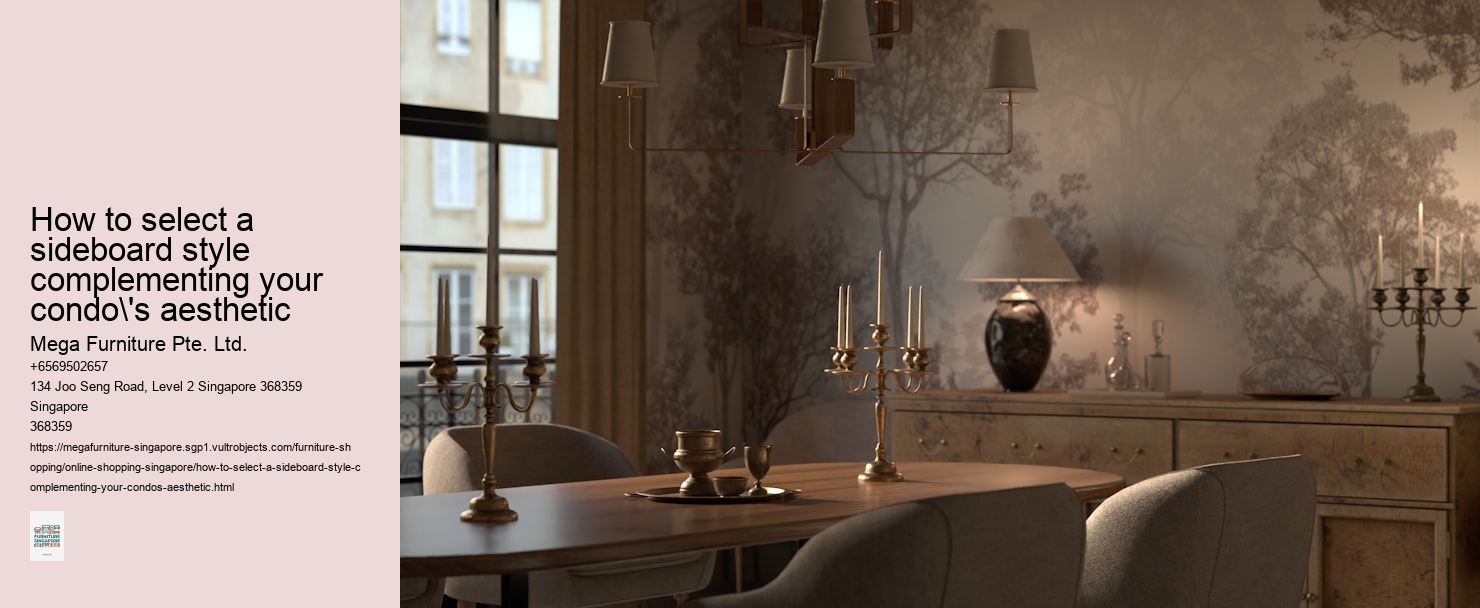
In Singapore condos, the sideboard often becomes the unsung hero of dual-function living-dining spaces — a storage solution that doubles as a statement piece. For a 12 sqm HDB living room, a 150cm width typically strikes the right balance, offering enough surface area without overwhelming the space. In larger condos, especially those with open-plan layouts, 180cm and up can anchor the room more effectively.
Walkway clearance is crucial; leave at least 80cm for two adults to pass comfortably, especially in homes where the sideboard sits between the dining area and living space. Anything less feels cramped — and nobody wants to navigate a furniture obstacle course during dinner parties. Consider the flow of movement around the piece; it’s not just about where it fits but how people move around it.
Placement often comes down to wall space and room function. In many homes, the sideboard ends up against the wall shared with the kitchen, creating a natural transition between cooking and dining zones. Others position it perpendicular to the sofa, defining the living area without blocking sightlines. It’s a flexible piece, but one that demands careful planning — too close to the dining table, and you’ll sacrifice legroom; too far, and it feels disconnected.
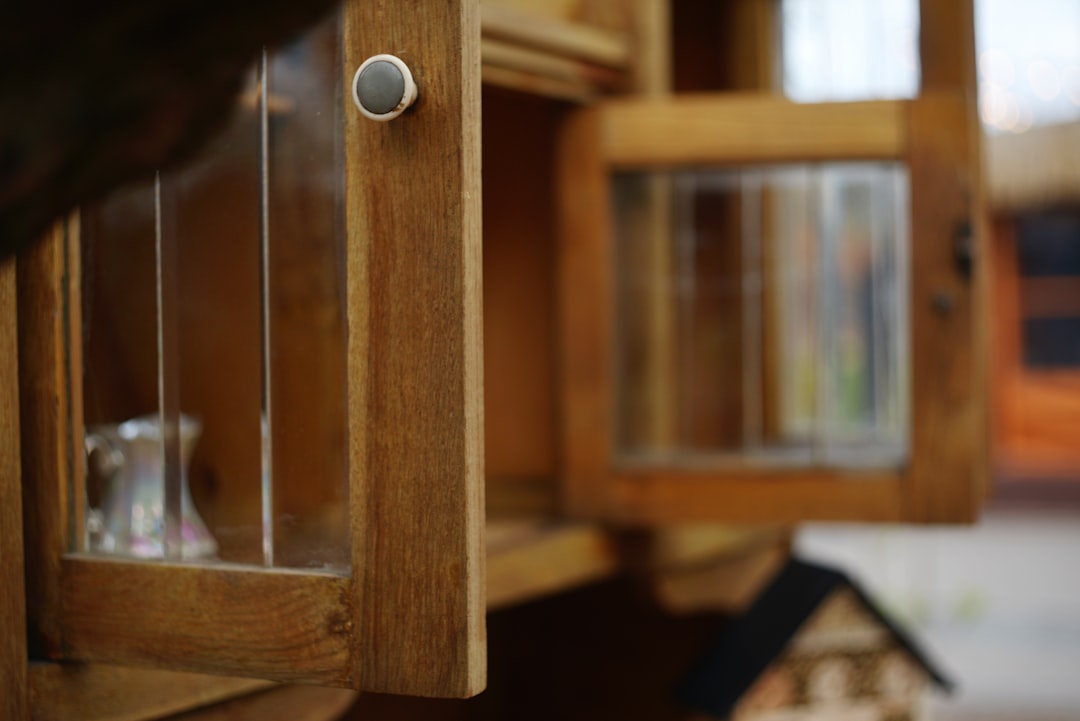
Material choice plays a role, too. A sleek sintered stone top can handle spills from impromptu wine nights, while rubberwood offers warmth in neutral-toned interiors. Whatever the finish, the sideboard’s height — typically 75–90cm — should align with nearby furniture for visual cohesion. It’s these small details that elevate it from mere storage to a design feature.
Match wood tones or metal finishes to your condo’s dominant materials for cohesion. Glass-top sideboards reflect light in dim spaces, while matte textures suit minimalist schemes. Avoid clashing with flooring or cabinetry by sampling swatches first.
Curved sideboards soften angular condo layouts while rectangular models align with modern lines. Consider oval options for corners to maximize dead space. Avoid sharp edges in pathways under 3ft wide for safety.
Light hues recede to make narrow halls feel wider; bold colors anchor open-concept areas. Monochromatic schemes blend the sideboard into walls for subtlety. Two-tone designs (dark base + light top) define zones without dividers.
Glass-front cabinets showcase decor without overwhelming the room, ideal for airy aesthetics. Solid doors conceal clutter in high-traffic zones but may feel heavy. Mix both types (70/30 ratio) for visual interest and practicality.
Singapore’s humidity doesn’t just frizz hair—it warps furniture. Sideboards in condos with dual-function living-dining layouts often sit near windows or air-conditioning vents, where temperature shifts and moisture wreak havoc on untreated materials. Teak, with its natural oils, resists warping better than most woods; engineered wood with moisture-resistant finishes performs nearly as well, especially when paired with laminated surfaces that repel spills and stains.
Avoid MDF unless it’s treated—it’s a sponge in Singapore’s 80% humidity, swelling and crumbling faster than you’d expect. Laminated finishes aren’t just practical; they’re a time-saver. A quick wipe removes condensation or coffee splashes, keeping the sideboard looking sharp in a living room that doubles as a social hub.
In many homes, sideboards serve as both storage and display, housing everything from dinnerware to vinyl records. Warped drawers or sticky cabinet doors aren’t just annoying—they’re a design fail. Opt for materials that can handle the climate without constant maintenance; it’s one less thing to worry about in a space that’s already pulling double duty.
Teak’s golden-brown hue ages gracefully, developing a patina that suits both modern and traditional interiors. Engineered wood, meanwhile, offers a sleeker finish for contemporary spaces—just make sure the veneer is thick enough to withstand occasional knocks from vacuum cleaners or errant elbows.
Laminated surfaces aren’t just functional; they’re versatile. They come in matte, gloss, or textured finishes, blending seamlessly with everything from minimalist Scandinavian schemes to bold Art Deco-inspired designs. Pair them with teak or engineered wood, and you’ve got a sideboard that’s as resilient as it is stylish.
Sideboards for compact homes often feature streamlined silhouettes — typically around 75cm tall and 150cm wide — to fit snugly in 4-room BTO living rooms. Their low profile avoids overwhelming smaller spaces while maintaining functionality. Many models incorporate recessed handles or flush cabinet doors, which prevent protruding edges from disrupting tight walkways. This minimalist approach ensures the piece complements rather than dominates the room’s aesthetic. In dual-function dining-living layouts, a compact sideboard can serve as both storage and a subtle room divider.
Combination storage is key for sideboards in smaller homes — think drawers for cutlery and cabinets for bulkier items like dinnerware or linens. Adjustable shelving inside cabinets allows homeowners to customise space for specific needs, from wine bottles to board games. Some designs include hidden compartments or sliding trays, maximising utility without cluttering the exterior. Enclosed storage keeps everyday items out of sight, maintaining a clean, uncluttered look. This thoughtful organisation is especially valuable in condos where storage space is often at a premium.
Rubberwood and engineered wood are popular for sideboards in compact homes, offering durability without the weight of solid timber. Lighter finishes like oak or white laminate help the piece blend into smaller spaces, visually enlarging the room. For a more premium feel, sintered stone or glass tops add sophistication without bulk. Matte finishes reduce glare in well-lit living rooms, while textured surfaces like bouclé add depth. These material choices balance practicality with aesthetic appeal, making the sideboard a versatile addition to modern interiors.
In many Singapore homes, sideboards double as media consoles or bar cabinets, maximising their utility in limited spaces. A top surface can host a TV or display decorative items, while lower cabinets conceal electronics and cables. Some designs include built-in power outlets or USB ports, enhancing functionality for tech-heavy setups. For those who entertain, a sideboard can transform into a serving station during gatherings. This adaptability makes it a practical investment for homeowners looking to optimise their living spaces.
When selecting a sideboard, precise measurements are crucial — even a few centimetres can make or break the fit in a compact room. Leave at least 60cm clearance in front for easy access to drawers and cabinets. Positioning the piece against a long wall helps anchor the space without crowding furniture. In open-plan layouts, a sideboard can define zones without blocking natural light. Thoughtful placement ensures the piece enhances the room’s flow rather than disrupting it.
Measuring sideboard overhang: accounting for baseboard trim thickness
Walking into a high-ceiling condo with a sideboard under 90cm is like wearing flats to a gala — it just doesn’t fit. In many Singapore homes, especially those with dual-height living spaces or soaring ceilings, a low-profile sideboard can look awkwardly dwarfed. Opt for taller pieces, around 95cm to 110cm, to balance the verticality of the room. It’s not just about height; proportions matter too — a sideboard that’s too narrow for a long wall can feel lost, while one that’s too wide might overwhelm smaller dining-living layouts.
Delivery details often slip through the cracks, especially in landed properties. Narrow doorways, tight staircases, or awkwardly placed lift lobbies can turn what seems like a straightforward purchase into a logistical nightmare. Measure your entry points — not just the width but also the height and any potential turns. A sideboard that fits perfectly in your living room is useless if it can’t get through the front door.
Material choices can trip up buyers too. Rubberwood and MDF are common, but they’re not always the best match for humid Singapore weather. Look for finishes that resist warping or fading, especially if your sideboard will sit near a window or balcony. And don’t forget the top surface — sintered stone or tempered glass can handle daily wear better than veneers, which might scratch or stain over time.
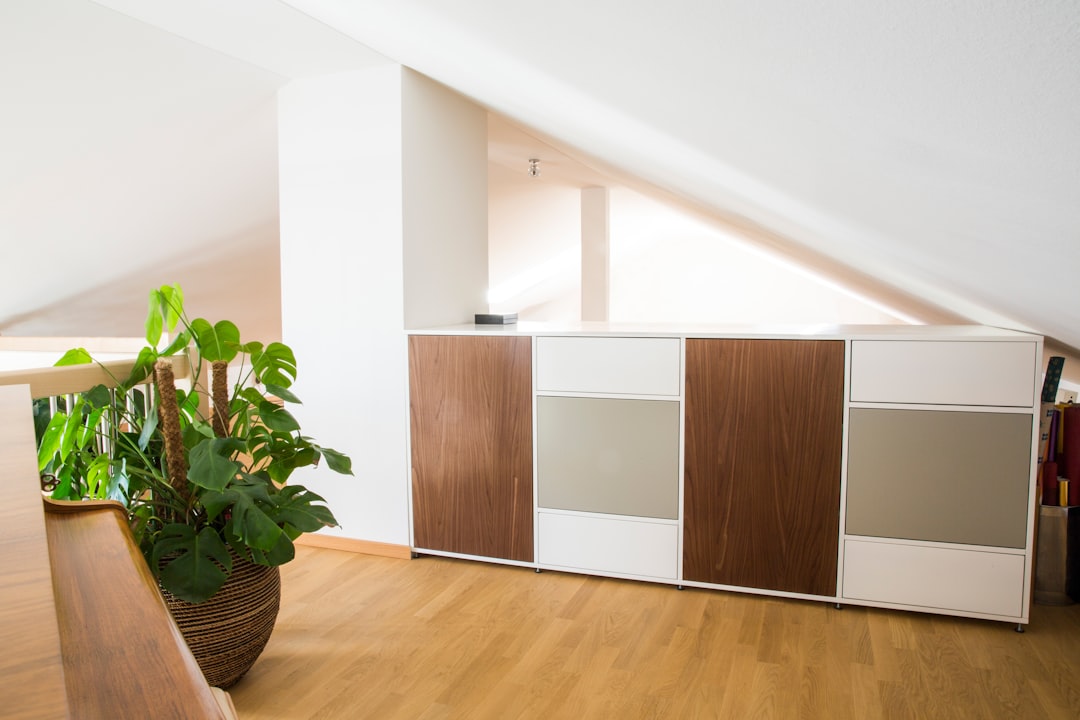
Finally, there’s the temptation to prioritise looks over function. A sideboard isn’t just a display piece; it’s storage, a bar, or even a media console. Think about what you’ll actually use it for — deep drawers for tableware, open shelves for books, or a mix of both. A sleek design might catch your eye, but it’s the practical details that’ll keep it in your home for years.
Singapore’s daylight varies wildly depending on HDB orientation — north-facing units get cooler, indirect light, while east-facing rooms bake in harsh morning sun. That’s why testing sideboard finishes in person matters; what looks warm and inviting online might clash with your condo’s lighting. Showrooms let you see how oak veneer or matte lacquer reacts under different conditions, avoiding costly mismatches.
For buyers in humid areas like Bedok or Pasir Ris, Joo Seng’s humidity-tested pieces offer peace of mind. Warping and discolouration are common complaints with cheaper imports, but pieces designed for Singapore’s climate hold up better. Meanwhile, Tampines’ compact options suit smaller layouts — think 4-room BTO living rooms or dual-function spaces where every centimetre counts.
It’s not just about aesthetics. Sideboards often pull double duty as media consoles or bar cabinets, so testing drawer mechanisms and weight-bearing capacity in person can save headaches later. And while online listings might claim “easy assembly,” seeing how panels fit together in a showroom gives a clearer picture of what you’re committing to.
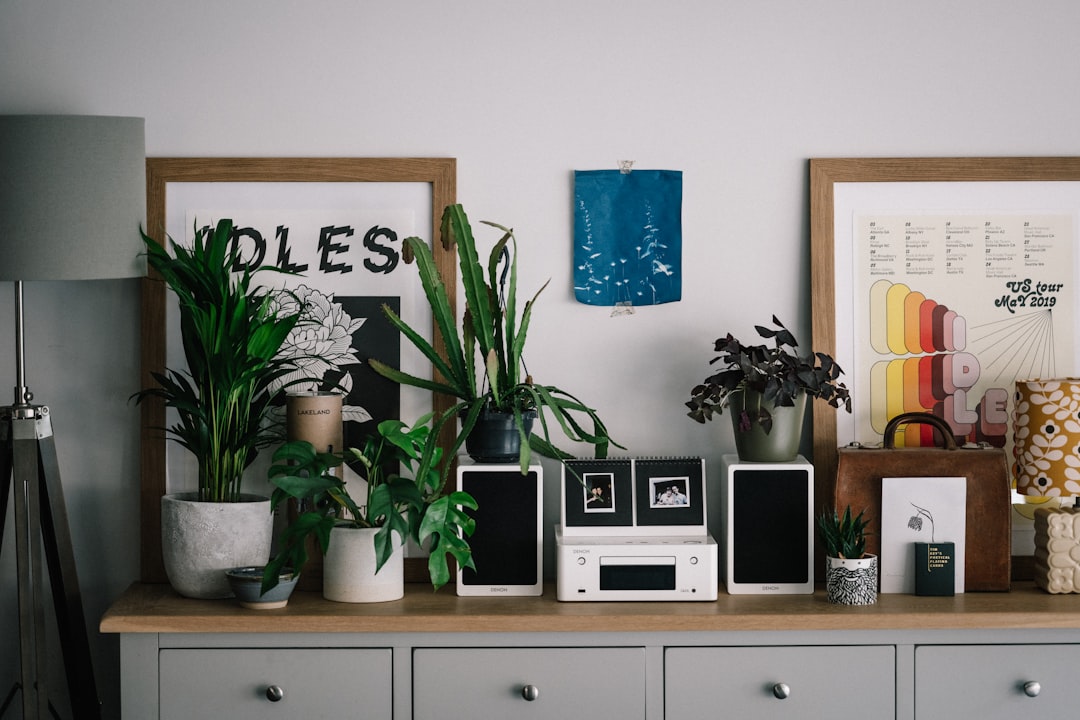
For design-forward shoppers, showrooms also offer a chance to mix and match styles. A mid-century sideboard might pair unexpectedly well with a modern sofa, or a minimalist design could balance out a more ornate dining set. It’s these nuances — the way finishes catch the light, the heft of a drawer pull — that make visiting in person worthwhile. Browse the options and see for yourself.
Delivery during Singapore’s monsoon season can be a gamble — items often arrive weeks late, leaving buyers staring at empty spaces where their sideboard should be. Confirm lead times upfront, especially if you’re planning around a housewarming or renovation schedule. Many retailers now offer assembly services, and it’s worth opting in; manoeuvring a 150cm sideboard up narrow condo lifts is no small feat, and DIY assembly can leave you wrestling with mismatched screws and misaligned hinges.
Warranties are often overlooked but crucial, particularly for hardware. Hinges and sliders bear the brunt of daily use — drawers opened for cutlery, cabinets accessed for wine glasses — and wear out faster than you’d expect. Look for at least a one-year warranty on these components; it’s a small assurance that won’t leave you Googling “how to fix a squeaky drawer” six months in. Some retailers even extend coverage to structural elements, which is a bonus if you’re storing heavier items like crockery or books.
Timing matters. If you’re eyeing a sideboard for a dual-function dining-living layout, factor in delivery delays common between November and January. That’s when monsoon rains and holiday shipping crunches collide, turning what should be a two-week wait into a month-long saga. It’s also worth double-checking return policies; while sideboards rarely get sent back, you don’t want to be stuck with a piece that’s scratched or warped from transit.
One last tip: if you’re ordering online, scrutinise the delivery photos. A sideboard arriving in perfect condition is a relief, but scratches or dents discovered later can be a hassle to resolve. Most reputable retailers will address these issues promptly, but it’s easier to catch them on the spot.
The standard ceiling height in newer Singapore condos hovers around 3.5m—enough clearance for sideboards up to 90cm tall without overwhelming the space, though anything above 80cm starts eating into wall art sightlines. For six-seater dining sets, measure your wall first: most need 180–220cm of uninterrupted length, leaving 30cm clearance at each end for chair shuffling in tight layouts like Pasir Ris 8’s open-plan units.
Laminate holds up fine against humidity if it’s grade E0 or higher—look for the green SG Mark sticker—but warping risk jumps when placed directly under aircon vents. Those in landed properties near East Coast’s salt spray should spring for marine-grade ply cores; everyone else can get by with UV-cured finishes that mimic walnut or oak grain convincingly enough to pass muster in dim lighting.
Sideboards absolutely can moonlight as TV consoles, provided you’re working with a 55-inch screen or smaller. The trick is cable management—run everything through stick-on PVC trunking along the back edge, then top with a shallow decorative tray to hide the mess. Just don’t expect built-in ventilation like proper media units; leave 10cm between the cabinet back and wall if stacking AV equipment inside.
Megafurniture’s collection includes several 160cm-wide models with tempered glass uppers that diffuse LED backlighting nicely—handy for open-concept layouts where the sideboard pulls double duty as a room divider between dining and living zones. Their lacquered teak options handle condensation better than most, though you’ll pay nearly double compared to laminate equivalents.
One quirk of Singaporean interiors: sideboards often end up as makeshift bar cabinets simply because proper wet bars consume too much floor space in 120sqm condos. If that’s the plan, skip open shelving—glass-fronted cabinets contain clinking sounds better when the MRT rumbles past after midnight.
Sideboards gathering dust in showrooms often have one thing in common—their depth was an afterthought. Measure your walkway clearance twice: 55cm fits tight spaces between dining tables and walls, while 60cm+ accommodates bulkier serving platters and wine coolers. That extra 5cm matters when you’re squeezing past during Chinese New Year gatherings or navigating around helper trolleys in landed property kitchens. Check finishes under both fluorescent and warm lighting—SG homes toggle between the two. A grey-washed oak that looks contemporary under showroom spotlights might turn jaundiced beside your Philips Hue-lit feature wall. Rub your palm across the surface grain; some veneers telegraph every fingerprint while others hide smudges better than your toddler’s art-class apron. Open every drawer while standing at your usual serving height. Deep drawers that glide smoothly empty might sag when loaded with porcelain—test them with one hand holding a mock platter. Watch for overhangs if your sideboard doubles as a console; that 3cm lip becomes a shin magnet in narrow walkways. The best sideboards disappear into daily life while standing up to it. Look for rounded corners if you’ve got racing kids or a helper who mops like she’s training for the Olympics. And if you’re pairing it with a
Somnuz® mattressin the guest room, consider how the wood tones play across spaces—no one wants their storage looking like a mismatched afterthought.