HDB dining spaces rarely clear 12 sqm — that’s barely enough room for a four-seater table and walking space, which is why sideboards here need to pull double duty as storage and serving surfaces without eating into circulation. Stick to heights between 75–90cm; any taller and it’ll loom over diners, any shorter and you’re sacrificing usable display area for wine bottles or tableware. Condo living-dining layouts demand similar proportions, though you’ll often see homeowners push the width to 180cm if the space allows — just don’t let it extend beyond the dining table’s length, or the room starts feeling like a furniture showroom.
Landed properties have more flexibility, but that doesn’t mean going oversized always works. A 200cm sideboard might fit physically in a semi-detached dining room, but visually it can overwhelm unless balanced with taller elements like floor lamps or art pieces. Depth matters too: 45cm is the sweet spot for holding dinnerware stacks without jutting into walkways, while shallower 35cm designs suit tighter spaces where every centimetre counts.
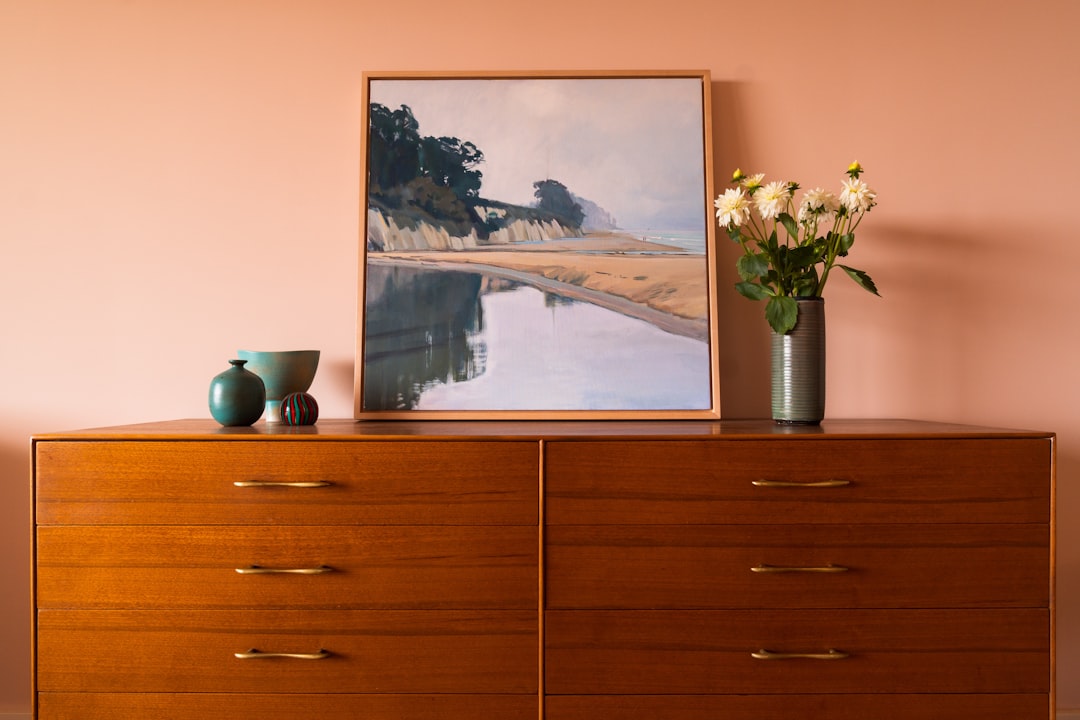
Material choices play into spatial perception more than most buyers realise. Glossy lacquer finishes reflect light and make small rooms feel airier, but they’ll show every fingerprint in households with kids. Matte oak or walnut tones ground the space without shrinking it — a safer bet for open-plan condos where the sideboard needs to transition from dining zone to living area.
One quirk of Singapore’s narrow floorplans: sideboards often end up as de facto room dividers. In dual-function layouts, a 160cm model with closed storage on one side (facing the dining area) and open shelving on the other (toward the sofa) can subtly define zones without blocking sightlines. Just avoid backless designs unless you enjoy staring at cable clutter.
For HDB upgraders moving into their first landed property, there’s a temptation to overcompensate with furniture scale. A 90cm-tall sideboard might’ve felt oppressive in your old BTO, but in a terraced house with 3m ceilings, it’s the proportional equivalent of a 70cm unit in a 2.4m HDB room. The trick is matching bulk to architectural volume, not just floor area.
Sideboard material choices: durability considerations for Singapore's climate
Singapore’s humidity doesn’t just frizz hair—it warps untreated wood within months. That sideboard you bought during the Great Renovation Wave of 2023? By last month’s haze season, the drawers already stuck. Teak holds up best—its natural oils repel moisture even in ground-floor landed properties where tiles sweat by 9am. Lacquered MDF works for condos (less direct wetness), though the 1.5mm edge banding on cheaper models peels first.
Solid wood needs treatment every 18–24 months near coastal areas like Pasir Ris or Sentosa Cove. One homeowner in Marine Parade found her rubberwood sideboard’s legs sprouting black mould spots after leaving it uncleaned during December’s monsoons. The solution isn’t varnish—that traps moisture underneath—but oil-based finishes that let the wood breathe.
For high-traffic areas like open-concept dining-living spaces, consider matte lacquer over gloss. Fingerprints show less, and the surface won’t cloud when wiped with a damp cloth. Budget around $120–$180 per linear foot for teak, $90–$140 for treated oak. Cheaper options exist, but that’s typically particleboard with a photo finish—fine for Bedok’s drier HDB corridors, not for ground-floor terrace houses.
Megafurniture’s lacquered teak options handle humidity better than most at their price point. Their Tampines showroom keeps samples in a humidity-controlled glass box—after six months, the untreated pine warped visibly while the teak stayed flush.
Painted MDF sideboards offer crisp, modern lines with endless color customization. This low-maintenance material resists warping and requires only occasional dusting. Matte finishes hide fingerprints well, making them ideal for family homes. Choose water-resistant coatings for kitchens or dining areas.
Natural wood sideboards bring warmth and organic texture to any space. These finishes require regular polishing to maintain their luster but develop a rich patina over time. Opt for hardwoods like oak or walnut for durability in high-traffic areas. Avoid direct sunlight to prevent uneven fading.
Sideboards with metallic handles or trim add subtle sophistication to minimalist spaces. Brass and brushed nickel finishes pair well with both contemporary and traditional decor. These accents need gentle cleaning with specialized polishes to avoid scratches. Consider lacquered metals for reduced tarnishing in humid climates.
Sideboards in 4-room BTO living rooms often look comically oversized when buyers forget to account for walkways. A 180cm unit might fit physically, but leave just 60cm clearance between sofa and cabinet — turning what should be a flow space into an obstacle course. Standard HDB layouts work best with sideboards under 150cm width; anything longer dominates rooms under 14 sqm. Measure not just wall space but traffic paths, especially in open-plan homes where the sideboard doubles as a room divider. That extra 30cm might seem negligible on paper, but it’s the difference between a balanced layout and a corridor that forces sideways shuffling.
Buyers splurging on lacquered finishes often regret it within months when the glossy top becomes a magnet for remotes, keys, and mail. High-maintenance surfaces like piano black or mirrored glass show every fingerprint and dust speck — fine for showflats, impractical for households with kids or frequent entertainers. Matte finishes or textured laminates handle daily abuse better, though even these need disciplined curation. The sideboard’s display function works best when treated like a gallery: three intentional objects max, not a dumping ground for yesterday’s receipts. Storage drawers matter more than you think — they’re where the real clutter gets tamed.
Sideboards deeper than 45cm create problems in narrow HDB dining areas, forcing chairs uncomfortably close to the table. Many modern designs push to 50cm or more to accommodate bulkier dinnerware, but that extra 5cm steals precious legroom in spaces under 2.4m wide. Shallow 35–40cm units work better for most Singaporean homes, though they limit storage for large platters. Compromise with vertical storage: taller cabinets with fewer depth sacrifices, or models with staggered depths (deeper lower cabinets, shallower top shelves). Always test with chairs pulled out — that’s when you’ll feel the squeeze.
Light oak and white laminate sideboards flood local showrooms because they photograph well, not because they suit real homes. These finishes show scuffs and stains relentlessly, especially in high-traffic areas near dining tables or play zones. Darker woods like walnut or charcoal laminates hide wear better, while textured finishes (brushed metal, rattan veneers) disguise minor damage. Consider how the piece will age — that pristine white surface won’t stay that way once it’s survived three Lunar New Year gatherings and a toddler’s sticker phase. Maintenance matters more than initial wow factor.
Glass-fronted cabinets tempt buyers wanting to display ceramics, but become dust traps in Singapore’s humid climate. Open shelving fares worse, collecting grease near kitchens and requiring weekly wipe-downs. For actual daily use, prioritise sideboards with 70% concealed storage (deep drawers, solid cupboard doors) and 30% display space. Mix matters too: shallow drawers for cutlery, deeper ones for table linens, and at least one lockable compartment for valuables. The best options balance show and stow without demanding constant curation.
In Singapore’s humidity, sideboards often show their weaknesses within a year — warped wood, peeling finishes, or stubborn mould spots. Megafurniture’s collection focuses on durability, with finishes tested specifically for local conditions. Their rubberwood options, for instance, are treated to resist moisture, while lacquered surfaces are engineered to withstand daily wear in high-traffic areas like open-plan living spaces. For buyers juggling aesthetics and practicality, the curated selection leans toward neutral tones and clean lines — think matte taupe or warm walnut finishes. These choices aren’t just about looking good; they’re designed to blend seamlessly into dual-function dining-living layouts, where sideboards often serve as both storage hubs and display surfaces. The showrooms in Joo Seng and Tampines let you see the finishes up close, a crucial step when investing in furniture meant to last. It’s not just about how a sideboard looks on arrival; it’s about how it holds up after months of exposure to Singapore’s climate. What sets Megafurniture apart is their focus on local needs. Their sideboards aren’t just imported pieces; they’re tailored for the realities of living here. Whether you’re furnishing a landed property or a larger condo, their designs offer a balance of style and resilience that’s hard to find elsewhere.
Browse the collectionto see how they’ve rethought storage for modern Singapore homes.
A sideboard’s delivery often hinges on one overlooked detail: the doorframe. In Singapore’s landed properties or condominiums with tight lift access, even a centimetre can mean the difference between smooth delivery and a logistical headache. Measure your entry points — including lift dimensions, stairwell turns, and main door clearance — before scheduling delivery. For homes in older neighbourhoods like Katong or Bukit Timah, where doorframes can be narrower, this step is non-negotiable.
Once inside, assembly becomes the next hurdle. Most sideboards arrive partially disassembled to ease transport, but humid conditions here can warp untreated wood if left unpacked too long. Check warranty coverage for material defects, especially for finishes like veneer or lacquer, which are prone to bubbling or peeling in high humidity. A good warranty should cover these issues for at least a year, though some extend to two or three.
Professional assembly is worth the extra cost, particularly for larger pieces or those with intricate hardware. DIY assembly might save a few dollars, but misaligned drawers or uneven legs are common pitfalls — and fixing them later can be a hassle. If you’re in a dual-function living-dining space, where the sideboard doubles as a media console or bar cabinet, precision matters even more.
Delivery teams here are accustomed to navigating tight spaces, but they’ll appreciate a clear path. Move furniture, roll up rugs, and clear hallway clutter beforehand. In smaller HDB flats, this might mean temporarily relocating a dining table or stacking chairs. It’s a small effort that ensures the process runs smoothly — and protects your new investment from scratches or dents.
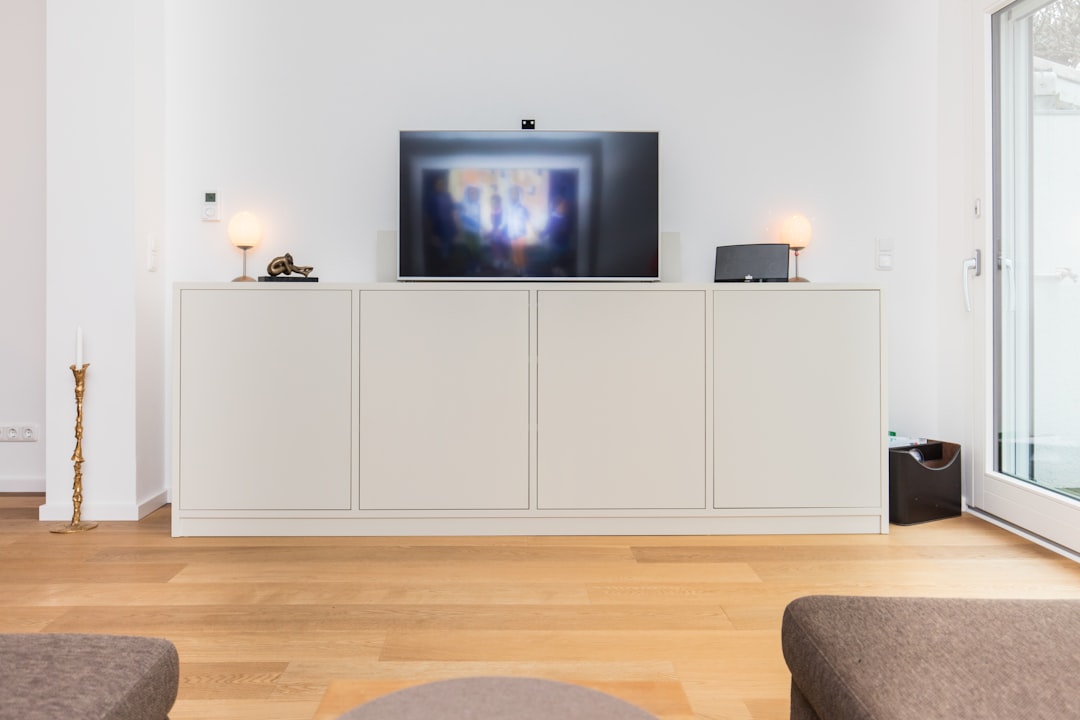
What’s the right height for a sideboard under an LG OLED TV? Most buyers aim for around 60cm — low enough to keep the TV at eye level when seated, but high enough to avoid awkward cable management. Standard sideboards run 75–90cm, so you’ll need to measure carefully or opt for a custom piece.
Is there a finish that’s safe for pets? Rubberwood with a matte lacquer holds up well against scratches, while darker finishes like walnut or espresso hide minor wear better than lighter tones. Avoid high-gloss surfaces — they show every paw print and require constant wiping.
How do you maintain a sideboard in humid conditions? Weekly dusting with a microfiber cloth keeps moisture from settling, while a monthly wipe with a damp cloth prevents mould. If you’re in a particularly humid neighbourhood like Bedok or Tampines, consider a dehumidifier nearby — it’ll extend the life of both the sideboard and your electronics.
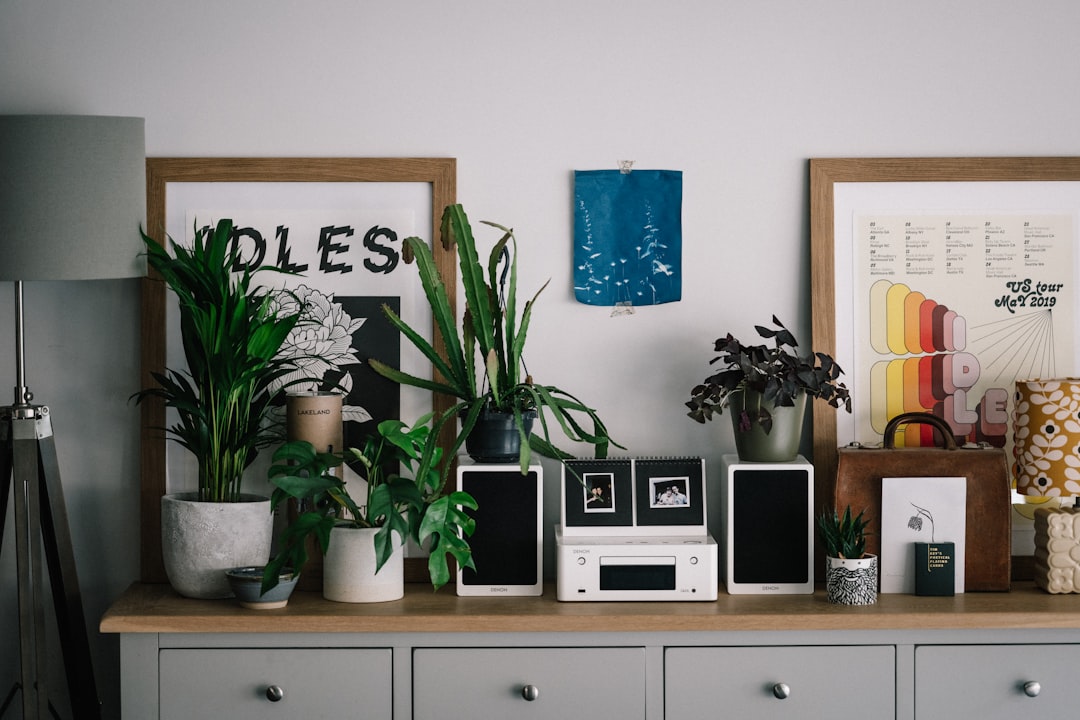
Sideboards in dual-function spaces often double as bar cabinets or display surfaces, so think about how much weight the top needs to hold. A solid wood or sintered stone top can handle heavier items like sound systems or cocktail equipment, while engineered wood might sag over time.
Most showroom visits end with buyers realising their chosen sideboard won’t fit through the lift lobby — a common oversight in landed properties with narrow staircases. Measure not just the room but also the path to it; a 180cm sideboard might look perfect in a Tampines semi-detached dining room, but getting it past the Eunos MRT station-side lift could be a headache.
Storage needs often get underestimated. In dual-function spaces like a 4-room BTO living-dining area, a sideboard doubles as a media console and bar cabinet — meaning it needs drawers for remotes, shelves for bottles, and concealed compartments for unsightly cables. Rubberwood or engineered wood options typically offer better humidity resistance in Singapore’s climate, especially in ground-floor units prone to dampness.
Material preferences matter, but so does finish. A high-gloss lacquer might look stunning in a showroom but show every fingerprint in a family home with kids. For those leaning towards minimalist designs, sintered stone tops are low-maintenance but can feel cold against a 12 sqm HDB living room’s cosy vibe.
Before heading to a showroom, snap a photo of your space. It’s easier to visualise how a 90cm-tall sideboard will balance against a 2.4m ceiling or whether its finish will clash with existing furniture. And remember, showroom lighting can be deceptive — that walnut veneer might look warmer under LED spotlights than in your north-facing Bedok flat.
Budgeting is another pre-visit essential. Sideboards in Singapore typically range from $1,200 to $2,400, but hidden costs like delivery or assembly can add up. For landed properties, check if the retailer offers installation services — navigating a sideboard up a spiral staircase isn’t a DIY project.