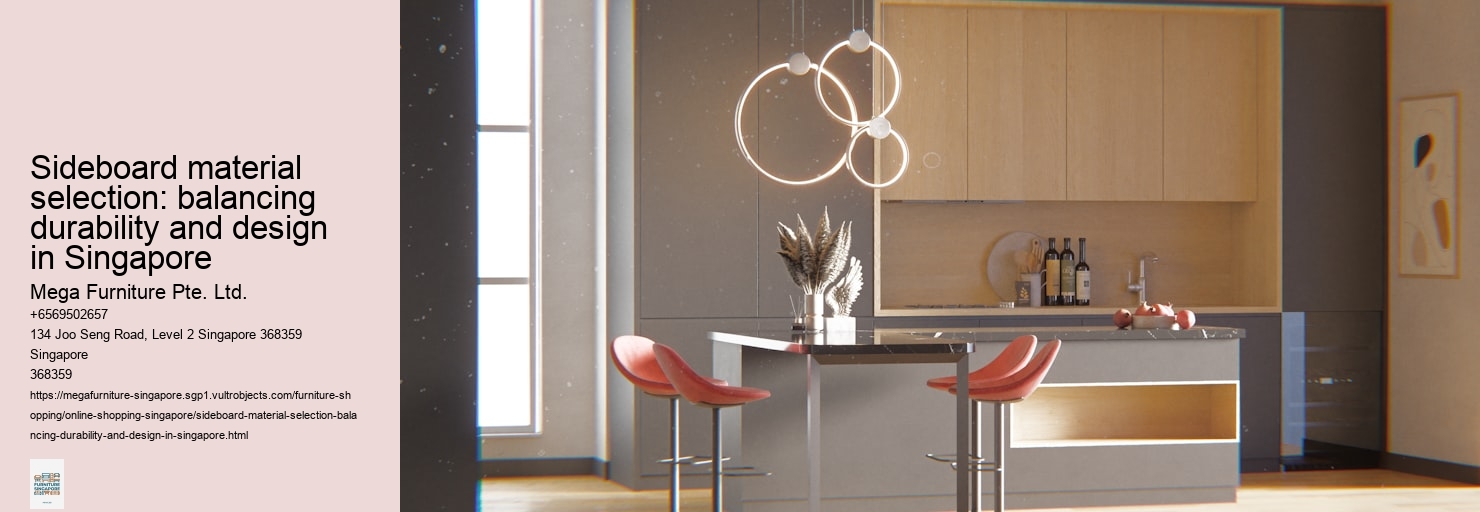
The sideboard’s renaissance in Singapore homes reveals how storage solutions adapt to constrained spaces. In a 12 sqm HDB master bedroom, a 150cm-wide model with sliding doors avoids clearance issues—bedside tables become redundant when the top surface holds bedside lamps and midnight glasses. Condo dwellers favour dual-purpose units: display shelves for wine glasses above, concealed storage for table linens below, all within arm’s reach of the dining table.
Landed properties deploy sideboards as spatial anchors. A 200cm teak unit in a semi-detached dining room demarcates zones without walls; its bulk balances high ceilings better than floating shelves ever could. Yet even here, depth matters—45cm keeps walkways fluid, while 60cm versions swallow too much floor real estate.
Material choices telegraph permanence. Rubberwood sideboards dominate HDBs for their warp resistance in humid corridors, while condo buyers splurge on marble-topped models that multitask as cocktail stations. The landed set commissions custom solid teak, often with brass inlays that catch light from chandeliers.
Space planning hinges on three measurements: 60cm clearance for chairs (35cm suffices if using stools), 90cm from sofa to sideboard edge for traffic flow, and at least 30cm between unit and aircon vents to prevent condensation warping. In open-concept layouts, aligning the sideboard’s edge with the kitchen island creates visual continuity without sacrificing functionality.
Megafurniture’s showrooms demonstrate this spatial calculus—their Joo Seng location stages a sideboard in a mock 4-room BTO living-dining layout, proving even 180cm units can work if flanked by low-profile armchairs rather than bulky sectionals.
In Singapore’s humid climate, a sideboard’s material choice isn’t just about aesthetics — it’s a battle against warping, mould, and pet scratches. Solid wood, while timeless, often struggles here; untreated teak or oak can swell in 80% humidity, leaving gaps in drawers or uneven surfaces. Engineered wood, with its layered construction, fares better — the cross-grain core resists expansion, and a sealed finish adds moisture protection. Laminate, though less premium, is the practical workhorse; it’s nearly impervious to humidity and pet claws, though it won’t age as gracefully as wood.
For homes with pets, durability becomes non-negotiable. Cats clawing at corners or dogs brushing past legs can leave marks on softer woods like pine or untreated oak. Engineered wood with a UV-cured finish or laminate with a textured surface can withstand daily wear better — though scratches on laminate are harder to repair. Solid wood, if treated with a scratch-resistant coating, offers a middle ground; it’ll develop character over time, but you’ll need to commit to occasional maintenance.
Budget plays a role too. Engineered wood typically costs around $1,200 to $2,400 for a 150cm sideboard, making it a mid-range option that balances durability and style. Laminate, at $800 to $1,500, is the most affordable but lacks the warmth of wood. Solid wood, starting at $2,500, is an investment — but in a landed property with controlled humidity, it can last decades.
Ultimately, the choice hinges on lifestyle. For a dual-function living-dining space in a humid neighbourhood like Bedok or Tampines, engineered wood with a moisture-resistant finish often hits the sweet spot. It’s practical enough for daily use but still elevates the room’s design — a sideboard that works as hard as you do.
Walk into any 12 sqm HDB bedroom with a 150cm sideboard, and you'll immediately see the problem—it eats up an entire wall, leaving no room for bedside tables or proper circulation. Condo owners in Tanah Merah and Bedok often make this mistake, assuming sideboards scale like TV consoles when they actually demand deeper breathing room. Measure twice: a 120cm unit typically fits better in Singapore's narrow bedrooms while still offering four drawers and display space. That extra 30cm might not sound like much until you're squeezing past it daily to reach the wardrobe. Sideboards work best when they leave at least 60cm clearance on both ends in dining-living layouts.
Solid wood warps within months in Singapore's humidity—just check any 10-year-old rubberwood dining set in Punggol flats for proof. High-pressure laminate outperforms here, resisting swelling at the joints while mimicking oak or walnut grains convincingly enough for most interiors. Modern laminates from German manufacturers like EGGER even incorporate anti-fingerprint coatings, crucial for homes with kids near the East Coast Park area. At $1,200-$1,800 for a quality 140cm piece, it's also kinder to budgets than teak or mahogany options that require quarterly waxing.
Too many buyers forget swinging doors need space until their sideboard blocks the balcony access in their Tampines BTO. Sliding doors solve this in tight spaces, but compromise on accessibility—deep drawers often get jammed behind them. For hinged doors, verify the arc won't collide with dining chairs or aircon units; 90-degree openings demand at least 45cm clearance. Corner units with L-shaped configurations work better in landed properties where walls are farther apart.
That gorgeous ceramic vase from Chinatown will look lost on a 200cm sideboard in a 4-room flat—scale matters. Designers recommend keeping decorative items within 1/3 of the surface length to avoid a cluttered or sparse look. For 120-150cm units, group items in odd numbers with varying heights: a 30cm sculpture flanked by two 15cm candle holders creates balance. Glass cabinets above the sideboard help, but only if ceiling heights exceed 2.4m to prevent a cramped feel.
Sideboards with solid bases create visual heaviness in compact spaces—a recurring issue in Jurong West studio apartments where every centimetre counts. Raised legs (15-20cm off the floor) maintain storage capacity while making rooms appear larger, especially important in dual-function dining-living areas. Just ensure the gap accommodates robot vacuums if you're using one; most need at least 12cm clearance to navigate under furniture. Floating designs work too, but sacrifice drawer depth and stability during earthquakes.
The difference between a sideboard that fits and one that dominates a room often comes down to 3cm — which is why most buyers regret skipping showroom visits. At Megafurniture’s Joo Seng and Tampines locations, you’ll find sideboards staged in realistic Singaporean room mockups: a 4.2m-long landed property dining area here, a dual-purpose HDB living-dining layout there. Staff carry laser measures, not brochures; they’ll show you how a 180cm rubberwood unit swallows a 3.6m wall versus how a 150cm sintered stone piece leaves breathing room for bar stools. Material testing matters more with sideboards than TV consoles — you’re touching the surfaces daily while retrieving cutlery or glassware. The Tampines showroom keeps sample panels of their teak veneers and matte laminates by the entrance, pre-scratched with keys to demonstrate wear patterns. Joo Seng’s staff will drag a damp cloth across marble-look sintered stone tops to prove no watermarks remain — crucial for humidifier-heavy homes or dining spaces doubling as bar areas. Space planning advice here skews local. For landed properties with 5m-wide living rooms, they’ll suggest placing a sideboard perpendicular to the sofa as a room divider. In compact HDB layouts, they demonstrate how a 75cm-tall unit with open shelving maintains sightlines better than solid-back designs. Their Singapore-specific product lines include shallower 40cm-deep models for narrow walkways and humidity-resistant rubberwood bases — neither feature you’d reliably find in imported catalogues. One quirk: the Joo Seng showroom keeps a running tally of buyer regrets. Top entry? “Should’ve measured the lift lobby.” Their staff now routinely ask about staircase turns and BTO lift dimensions before recommending
larger sideboard options. Tampines takes it further with VR mockups — drop your room dimensions into their tablet, and they’ll render how that 190cm sideboard actually looks between your existing sofa and balcony door. The showrooms stock at least six sideboard styles you won’t see online, usually overstock from landed property projects. Last month’s find: a 170cm distressed teak piece with brass inlays, priced at $1,290 after a client cancelled their semi-detached renovation. These one-offs move fast — staff claim most sell within 48 hours of being unboxed.
Delivery timelines for sideboards often hinge on HDB lift-landing dimensions—most older blocks can’t accommodate crates wider than 80cm without disassembly. Condo buyers should measure parking bay clearances too; that sleek 180cm teak sideboard might arrive in three boxes because the loading dock turns at 90-degree angles. Expect 4–6 weeks for made-to-order pieces, though Megafurniture’s ready-to-ship stock typically delivers within 10 working days if your corridor fits their trolley system.
Assembly usually involves attaching legs or sliding doors—simple enough, until you realise your Tampines flat’s uneven flooring requires adjustable feet. Pro tip: check if the warranty voids when using non-branded levelling shims. Most local warranties cover 1–2 years for structural defects, but exclude water rings from kopi mugs or scratches from cat claws.
Warranty fine print matters when your sideboard doubles as a bar cabinet. Spilled gin on the lacquer finish? That’s likely “cosmetic damage”. Hinges loosened by weekly rearranging of ceramic ware? Usually covered. Some showrooms offer extended warranties if you collect from their Joo Seng warehouse—worth considering for solid wood pieces prone to seasonal warping in our humidity.
Lift upgrading works in Eunos? Schedule deliveries before 11am to avoid the contractor lunch rush. And always photograph the unboxing—disputes over “pre-existing dents” get resolved faster with timestamps.
Selecting durable materials for sideboards in Singapore is crucial due to the humid climate. Opt for moisture-resistant options like teak or treated engineered wood to ensure longevity. These materials withstand daily wear while maintaining their structural integrity over time.
In Singapore’s compact living spaces, choosing the right sideboard dimensions is essential. Opt for slim profiles and multifunctional designs to maximize utility without overwhelming the room. Proper scaling ensures harmony with other furniture elements.
Effective space planning integrates sideboards as both storage solutions and decorative pieces. Positioning them strategically enhances room flow and accessibility. Consider open shelving or modular designs to adapt to evolving spatial needs.
Modern sideboard designs in Singapore often feature minimalist aesthetics with clean lines. Incorporating local influences, such as Peranakan-inspired motifs, adds a unique cultural touch. Balancing functionality and style ensures the piece complements diverse interiors seamlessly.
In Singapore’s humid climate, buyers often wonder if their sideboard will warp within a year — a valid concern, given how many homes here lean toward particleboard or MDF options. Opting for rubberwood or teak can sidestep this issue, though these materials typically push prices into the $1,200 to $2,400 range. Humidity-resistant finishes like UV-coated laminates or sintered stone tops are cheaper alternatives, but they’ll lack the warmth of natural wood.
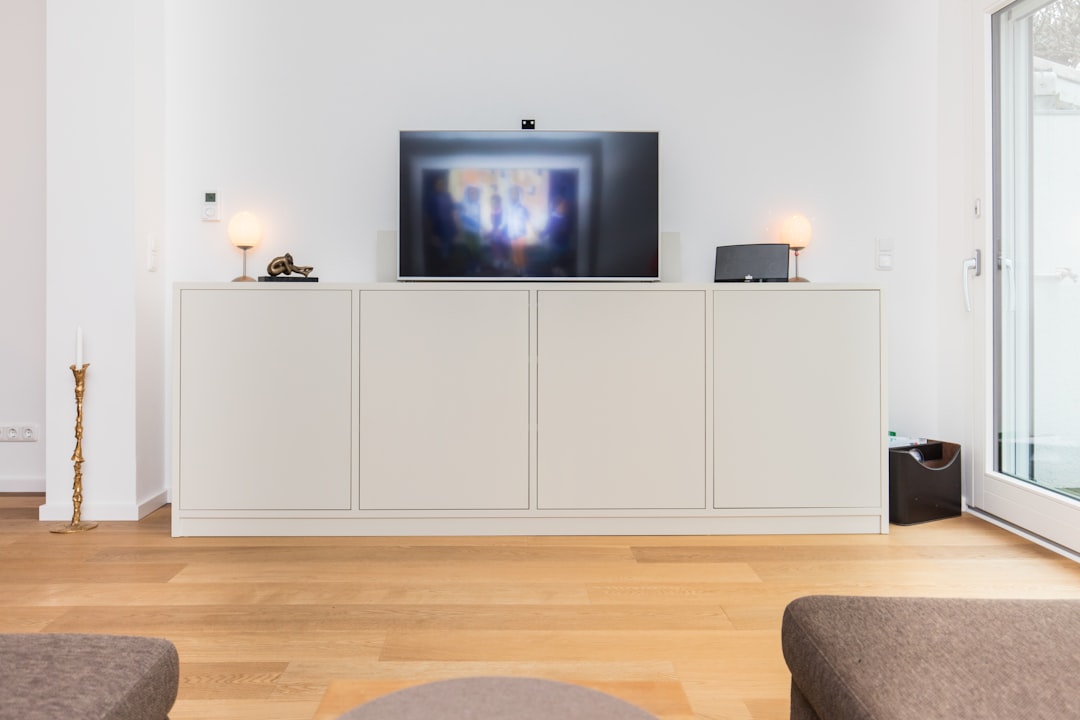
Wall-mounted TVs are a common feature in 4-room BTO living rooms, and buyers frequently ask if a sideboard can accommodate the setup. Most sideboards stand around 75–90cm tall, which aligns well with a 55-inch TV mounted at eye level — roughly 120cm from the floor. Just ensure there’s at least 10cm of clearance between the TV and the sideboard’s surface to avoid a cramped look.
For those with dual-function dining-living layouts, compatibility with queen-sized beds is another recurring question. Sideboards typically span 150–200cm in width, making them a natural fit alongside beds in larger condominium master bedrooms. They’re often used as bedside storage, replacing bulkier nightstands — though you’ll need to measure carefully if your bed frame extends beyond the mattress.
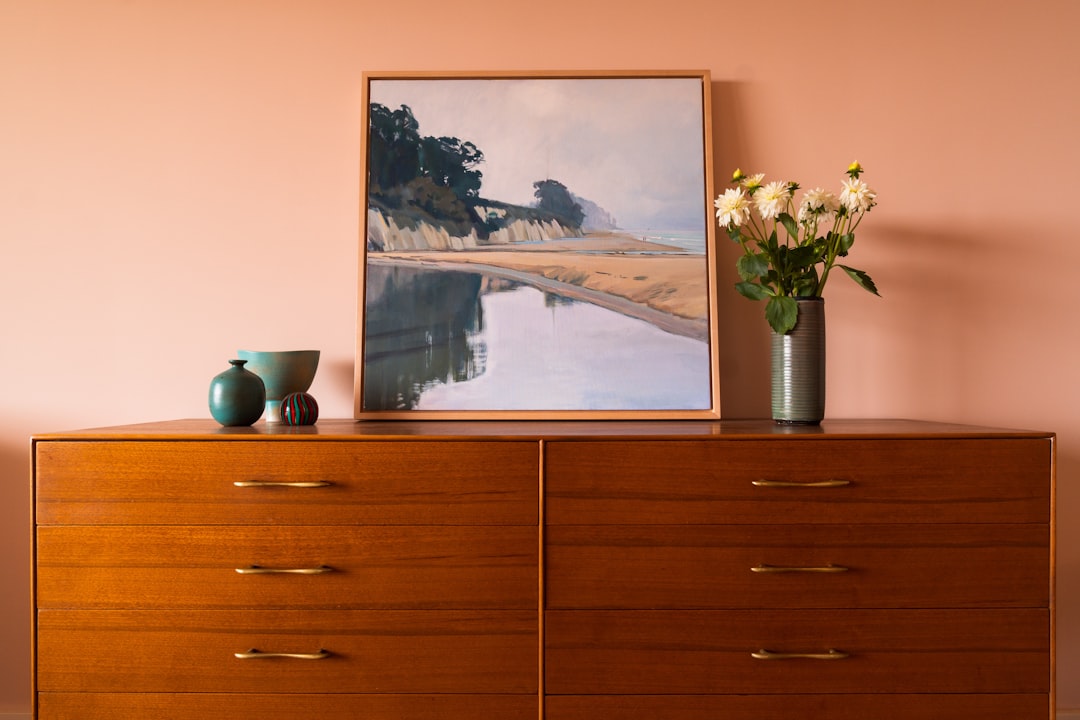
Design-forward shoppers often gravitate toward sideboards for their dual-purpose appeal: storage below, display space above. Yet, it’s worth noting that the top surface tends to collect dust faster than expected, especially in open-concept homes near Eunos or Aljunied. A quick wipe-down every few days keeps it looking sharp, but if you’re not the tidiest, consider a model with glass or laminate tops for easier maintenance.
Rubberwood sideboards, while pricier, have become a favourite for their durability and subtle grain. They’re a practical choice for landed properties, where larger spaces demand furniture that can withstand daily use without looking out of place.
" width="100%" height="480">Sideboard material selection: balancing durability and design in SingaporeSideboard placement: optimizing flow in dual dining-living spaces
Before stepping into any showroom, measure twice—not just the wall space where the sideboard will live, but door frames and lift dimensions too. That 180cm teak beauty won’t make it past the HDB corridor’s 80cm clearance. Most Singaporean buyers regret not accounting for the extra 5cm needed to manoeuvre around their existing sofa set.
Material choices reveal themselves in daily use. Glass tops show every fingerprint in humidity-heavy flats, while lacquered finishes bubble when placed too close to rice cookers. For landed properties near coastal areas like Pasir Ris or Sentosa Cove, salt-resistant materials like powder-coated metal legs matter more than Instagram aesthetics.
Consider what actually gets stored. Those deep drawers perfect for banquet tablecloths in landed homes become black holes for random cables in condos. Open shelving works if you’re the type who alphabetises hardcover books—otherwise, it’s just another dusting chore.
The sideboard’s surface often pulls double duty as a bar counter during gatherings or a homework station after school. One client discovered their dream piece couldn’t withstand condensation from iced teh glasses—water rings on solid oak don’t buff out like laminate.
Megafurniture’s collection offers modular options for awkward layouts, like corner units that fit Tampines new launch flats with irregular living room angles. But no showroom lighting replicates how that high-gloss finish will glare under your specific track lights at 8pm.