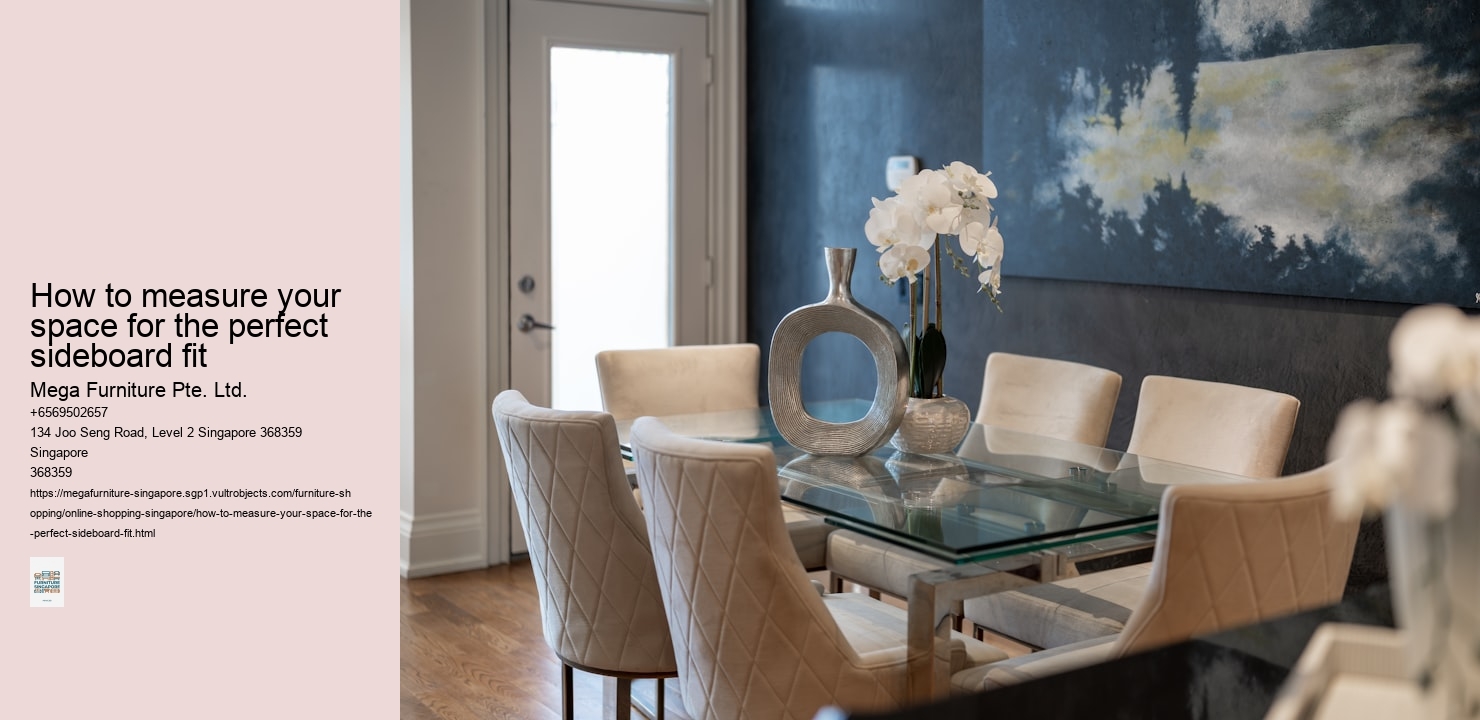
In a 20 sqm condo living-dining layout, the sideboard often doubles as a media console — but that’s exactly where things get tricky. At 150–200cm wide, it’s easy to underestimate how much floor space it’ll eat up, especially when paired with a dining table and sofa. Measure twice, buy once; that’s the golden rule here.
Height matters just as much. Sideboards typically range from 75–90cm tall, which works well for most TV placements but can feel overwhelming in compact spaces like a 12 sqm HDB master bedroom. If you’re pairing it with a wall-mounted TV, aim for a lower height — around 75cm — to maintain a balanced look. Anything taller risks making the room feel cramped.
Depth is the silent culprit. Most sideboards are around 40–50cm deep, which might not sound like much until you factor in walking space. In a narrow layout, even a few extra centimetres can mean the difference between easy movement and constant bumping into furniture. Always leave at least 60cm of clearance between the sideboard and other pieces.
For dual-function spaces, consider a slimmer design — around 35cm deep — to maximise flexibility. It’s a subtle adjustment, but one that can make all the difference in a room that pulls double duty as a dining area and living room. And don’t forget to account for doors and drawers; they’ll need space to open fully without hitting nearby furniture.
Material choice plays a role too. A sleek, sintered stone top can make a sideboard feel lighter visually, while darker finishes like walnut or espresso tend to dominate smaller spaces. If you’re working with limited square footage, lighter tones or reflective surfaces can help keep the room feeling open.
Start by measuring the length, width, and height of the area where the sideboard will go. Leave at least 36 inches of clearance in front for comfortable movement. Note any obstructions like outlets or vents that may affect placement.
Compare your measurements to standard sideboard sizes, typically 60-72 inches wide and 30-36 inches tall. Ensure the depth aligns with your space, usually 18-22 inches. Custom options can accommodate unique layouts.
Consider the room’s proportions—a large sideboard suits spacious areas, while compact designs fit tighter spots. Align the sideboard’s height with nearby furniture for harmony. Leave wall space above for decor or artwork.
Singapore’s humidity doesn’t just frizz hair—it warps untreated wood within months. That teak sideboard from your grandmother’s era? Its survival isn’t nostalgia; it’s density. Modern buyers should note: solid teak remains the gold standard here, with treated oak (steamed to stabilise cellular structure) running a close second. Engineered wood works if the veneer exceeds 3mm—anything thinner bubbles like bad wallpaper during monsoon season. Laminate gets unfairly maligned as ‘cheap’ when properly specified. High-pressure laminates with phenolic cores laugh at 85% humidity, though they’ll yellow under direct sun. The trick lies in the edges—thermofused ABS trims prevent the telltale peeling that plagues budget options. For coastal homes near East Coast Park or Pasir Ris, consider marine-grade plywood substrates; standard MDF swells like sponge cake in salt air. Avoid ‘acacia’ unless verified as kiln-dried—too many imports labelled as such are merely rubberwood with an identity crisis. Warping manifests first as drawer jams, then as doors that won’t close without shoulder-checking them. Some buyers swear by
Megafurniture’s treated oak range, though all wood here needs quarterly waxing if near aircon vents. Metal legs? Go for powder-coated aluminium over steel—rust stains on marble floors are a nightmare to remove. Glass tops are safe but collect condensation rings; tempered frosted versions hide fingerprints better. The real test: leave a sample in your bathroom for a week. If it emerges unchanged, you’ve found your material.
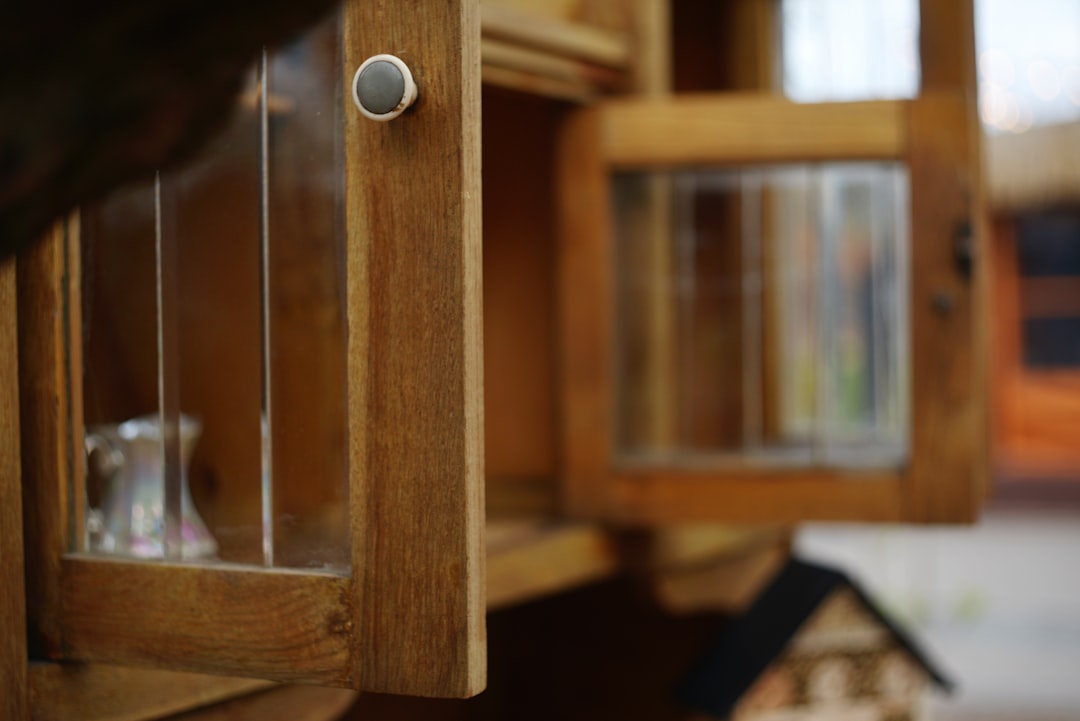
In many Singapore homes, buyers overlook sideboard depth — a critical mistake in dual-function spaces. Sideboards typically range from 45cm to 60cm deep; anything deeper risks blocking walkways in compact layouts. For open-plan living-dining areas, measure your space carefully; leave at least 90cm clearance for comfortable movement. A sideboard that’s too deep can dominate the room, making it feel cramped rather than cohesive. Always check the depth against your room’s traffic flow before committing.
Ignoring storage requirements leads to cluttered spaces, especially in multi-purpose rooms. A sideboard with three drawers and two cabinets strikes the right balance — drawers for smaller items like cutlery or remotes, cabinets for larger pieces like dinnerware or board games. In landed properties, this configuration works well for both dining and living room setups. Avoid sideboards with purely decorative features; practical storage solutions keep dual-function rooms organised and functional.
Buyers often prioritise aesthetics over durability, especially in humid Singapore. Solid wood sideboards, like rubberwood or teak, withstand moisture better than engineered wood or MDF. For modern interiors, sintered stone tops offer scratch resistance and easy maintenance. Avoid materials that warp or discolour over time; invest in finishes that can handle daily wear and tear. The right material ensures your sideboard remains functional and stylish for years.
Sideboard height is frequently underestimated, particularly in homes with varied ceiling levels. Standard heights range from 75cm to 90cm, but taller units can overwhelm smaller spaces. For condominiums with lower ceilings, opt for a sideboard under 80cm to maintain proportion. In landed properties with higher ceilings, taller sideboards create a balanced look. Always measure your room’s vertical space to avoid a mismatched aesthetic.
Choosing the wrong finish disrupts room cohesion, especially in open-plan layouts. Match your sideboard’s finish to existing furniture — a matte walnut sideboard complements darker tones, while a white lacquer finish suits minimalist interiors. Avoid finishes that clash with your wall colour or flooring; consistency creates visual flow. In dual-function rooms, the right finish ties both areas together seamlessly.
The Joo Seng showroom’s sideboard display feels almost like a curated gallery — each piece arranged to showcase its finish under soft, directional lighting. It’s a stark contrast to the Tampines outlet, where the layout mimics a real living room setup, complete with a 4m-wide console wall and a dining table pairing. Both approaches work, but you’ll want to visit both if you’re serious about assessing details like drawer glide smoothness and leg sturdiness. Bringing room dimensions is non-negotiable. A sideboard that looks perfect in a 25 sqm landed property living room might overwhelm a 12 sqm HDB common bedroom. Megafurniture’s staff are trained to offer tailored advice, but they’ll need specifics — not just “small” or “large.” Measure the wall space, note any obstructions like power outlets or aircon trunking, and bring photos if possible. Pay attention to finishes. High-gloss lacquer might catch the eye in the showroom, but it’s a fingerprint magnet in homes with kids or pets. Matte finishes, especially on rubberwood or oak veneer, tend to age better in Singapore’s humid climate. Test the drawers — a smooth glide feels effortless, while a jerky motion suggests cheaper hardware that’ll wear out faster. Leg sturdiness is another detail that’s easy to overlook. A sideboard might look solid, but give it a gentle push — if it wobbles, it’s not the one. For storage-heavy pieces, opt for thicker legs or a solid base; they’ll handle the weight better over time. Don’t rush the visit. Spend time visualising how the piece will fit your space — not just physically, but aesthetically. A sideboard isn’t just storage; it’s a statement piece that can anchor your room’s design.
Browse the optionswith that in mind, and you’ll find something that works as hard as it looks.
White-glove delivery matters more than you’d think when your sideboard arrives in a 1.2m-wide HDB corridor. Most solid wood pieces ship disassembled—Megafurniture’s team will haul flat-pack boxes upstairs, but check if your lift landing fits a 180cm crate before committing. Their assembly service handles cam locks and drawer slides; worth the extra $120–$200 when you’re staring at 18 unlabelled panels in a Punggol BTO. Warranty fine print often excludes damage from DIY assembly. One Tiong Bahru client learned this after overtightening MDF cam locks cracked her sideboard’s veneer. Professional installers know to leave 5mm expansion gaps for Singapore’s humidity—that rattan-weave cabinet door won’t warp if the frame breathes. Narrow stairwells in Joo Chiat shophouses demand extra planning. Delivery crews typically need 15cm clearance per side to pivot a sideboard upright—measure your fifth-floor walkup’s tightest turn. Megafurniture’s team once dismantled a Balestier client’s wrought-iron gate to deliver a 2m teak sideboard; they’ll advise on access routes during booking. Assembly isn’t just about tools. Their technicians carry rubber mallet protectors for joinery, unlike that time your uncle used a claw hammer on your IKEA Bestå. For lacquered finishes, they’ll position felt pads under legs before sliding across mosaic tiles—a detail most homeowners forget until the first scratch appears. Warranty claims spike after careless moves. That solid acacia sideboard might survive three generations, but only if you don’t drag it across your new homogeneous tiles. Professional installers lift, never slide—their
sideboard collectionincludes grip handles for this reason.
In Singapore’s humid climate, sideboard drawers tend to stick — a problem made worse by sliding mechanisms that haven’t been treated with silicone spray. For homes with pets, opting for a sideboard with rubberwood or laminate finishes can withstand scratches better than veneers; just avoid open shelving if you’ve got a curious cat that likes to climb.
Ceiling fans in many landed properties hover around 120cm from the floor, so sideboards taller than 90cm risk clashing visually — and practically, if you’re trying to access drawers without ducking. Stick to lower profiles, especially in dual-function spaces where the sideboard doubles as a bar or media console.
Noise reduction is often overlooked until the first time a drawer screeches open during a quiet dinner. Felt pads on drawer bottoms and silicone spray on tracks can make a world of difference; just don’t overdo the lubrication, or you’ll attract dust.
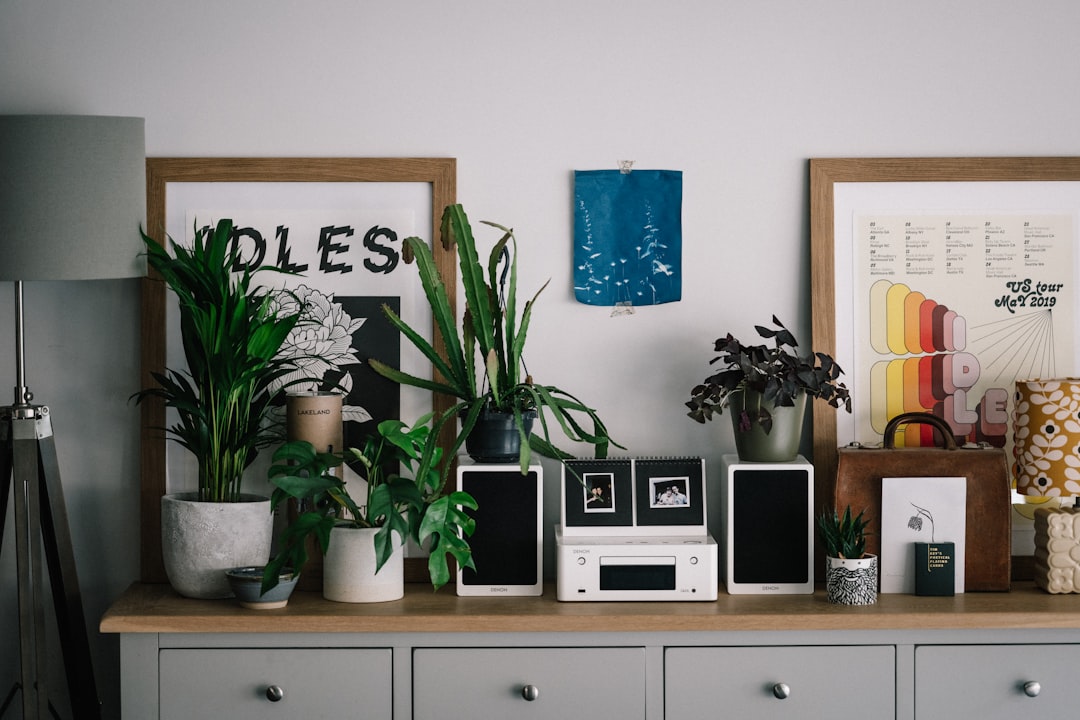
For cleaning, microfiber cloths work wonders on laminate and lacquered finishes, while a diluted vinegar solution helps prevent mould in humid corners. Avoid harsh chemicals on wood surfaces — they’ll strip the finish faster than you’d expect.
Sideboards in Singapore aren’t just storage; they’re statement pieces that anchor a room. Choosing one that balances function with form means considering everything from pet-proof materials to drawer mechanisms that won’t disrupt your evening.
A sideboard that fits perfectly in the showroom can still look awkward in your living room — especially if you didn’t account for the 15cm bulk of the sliding glass doors behind it. Measure twice: not just the wall space, but clearance for walkways in open-concept layouts where the piece might encroach on dining traffic. For landed properties with high ceilings, check proportions; a 75cm sideboard can look squat under 3.5m beams, while 90cm versions better balance the volume.
Material choice matters beyond aesthetics. Engineered wood with melamine finishes handles humidity better than solid teak in Singapore’s climate, though it won’t develop that same patina over decades. If you’re using the top as a bar or coffee station, test spill resistance — sintered stone resists rings better than lacquered mango wood. Open shelves collect dust faster than glass-fronted cabinets; decide whether you’re buying for display or low-maintenance storage.
Visit showrooms to assess drawer glides and door hinges. Cheaper models often skimp on hardware, resulting in drawers that jam when loaded with heavy dishware. For BTO deliveries, confirm lead times early; some sideboards ship flat-packed within a week, while solid wood pieces may take 12 weeks for custom finishes.
The best sideboards solve two problems at once: storing table linens or board games out of sight, while giving you a surface for that vintage turntable collection. Prioritise depth — 45cm fits most vinyl sleeves, but 50cm better accommodates speaker bases. And if you’re eyeing a bold colour, remember it’s easier to change cushions than a 2m-wide cerulean cabinet.
Megafurniture’s Joo Seng showroom lets you test weight capacity by loading display units with books — a smart move before committing to that open-tiered design for your Terrace condo. Their team can also advise on anchoring tall units in homes with young children.