A 180cm sideboard might look sleek in a showroom, but in a 12 sqm HDB dining area, it’s a logistical nightmare. Yet, in a 40ft landed terrace, the same piece vanishes—lost in the sprawl of high ceilings and open layouts. Scale errors like these are common in Singapore’s landed properties, where homeowners often misjudge how furniture fills space.
Sideboards are typically 75–90cm tall and 150–200cm wide, designed to balance storage and display. In landed homes, though, buyers tend to oversize—opting for units that stretch beyond 200cm. The result? Power points blocked, clearance paths narrowed, and contractors charging $800+ to relocate sockets. It’s a costly oversight, especially when oversized units disrupt the flow of dual-function spaces like dining-living layouts.
Clearance is key. A 90cm path around the sideboard ensures easy movement, but many homeowners forget to account for dining chairs or ottomans. In landed properties, where rooms often serve multiple purposes, this oversight can make the space feel cramped rather than functional. It’s worth measuring twice—not just the sideboard, but the room’s traffic patterns too.
Material choices also play a role. Rubberwood and sintered stone are popular for their durability, but heavier finishes can make the piece feel visually bulkier. In smaller landed terraces, lighter finishes like matte oak or veneer help the sideboard blend into the space without overwhelming it. That said, even the right material won’t save you from a poorly sized unit.
Particleboard sideboards in east coast flats often blister within 18 months—the laminate peeling at edges like sunburnt skin. Humidity averages 82% here, warping MDF drawer bottoms into stubborn wedges that jam on tropical afternoons. One Tampines homeowner found her bargain sideboard’s veneer bubbling like a bad sunburn after just one monsoon season.
Teak veneer withstands the damp better, its natural oils resisting moisture better than stained oak or walnut veneers. Powder-coated steel legs outperform zinc-plated ones by four years in landed property basements, where concrete floors sweat condensation onto furniture feet. Megafurniture’s 304 stainless steel hinges outlast cheaper alternatives precisely because they don’t pretend humidity won’t affect them.
Basement rec rooms demand particular caution. That “rustic” MDF sideboard might look charming in a showroom, but it’ll swell at the seams once placed against a damp basement wall. Homeowners report warped doors that won’t close properly after six months—a particular headache for sideboards storing liquor bottles or delicate china.
The solution isn’t always more expensive, just more intentional. Rubberwood frames with marine-grade plywood interiors cost 15% more than particleboard but last three times longer in humid climates. For those committed to laminates, sealed edges and silicone drawer glides buy another year or two—enough time to regret not spending on stainless steel hardware upfront.
Some learn the hard way. A Pasir Ris family watched their sideboard’s melamine coating delaminate in jagged patches, revealing the swollen chipboard beneath. By then, the warranty had expired—most don’t cover “environmental factors” like Singapore’s air.
Glossy finishes on sideboards may look sleek, but they’re magnets for scratches—especially in homes with cats. Tanjong Pagar loft dwellers report a 37% higher incidence of visible marks on high-shine surfaces compared to wire-brushed oak. Matte or textured finishes, like brushed wood or stone-effect laminates, tend to fare better. For households with pets, opting for scratch-resistant materials can save both money and frustration in the long run. It’s a practical choice that keeps your sideboard looking sharp without constant touch-ups.
Curious pets, particularly terriers, often nose their way into drawers, risking injury or damage to the mechanism. Soft-close drawers with 15kg-rated hinges prevent accidental slamming, protecting both your pet and your ceramics. Look for sideboards with built-in drawer stoppers—these small additions can make a big difference in pet-proofing. It’s a detail that’s often overlooked but proves invaluable in homes with active animals. Safety and functionality go hand in hand when you’ve got pets roaming the house.
Rubberwood and oak are popular for their durability, but sintered stone tops offer even greater resilience against scratches and stains. Full-grain leather handles, while stylish, can attract claw marks; metal or polished wood handles are often a safer bet. In homes with pets, material selection isn’t just about aesthetics—it’s about practicality. Choosing the right combination ensures your sideboard withstands daily wear and tear. It’s an investment in both style and longevity.
Sideboards typically range from 75cm to 90cm tall, but taller options can deter pets from jumping onto the surface. A height of around 90cm keeps items out of reach while maintaining accessibility for humans. For landed properties with larger spaces, taller designs also add visual balance to the room. It’s a subtle adjustment that can significantly reduce pet-related mishaps. Height matters when you’re trying to keep both your belongings and your pets safe.
Heavy ceramic collections or decorative items need a stable surface to avoid accidents caused by curious paws. Sideboards with reinforced tops or non-slip mats provide added security. In homes with pets, stability isn’t just about preventing spills—it’s about creating a safe environment. Opt for designs with sturdy legs or wall-mounted options for extra peace of mind. It’s a small change that can prevent big headaches down the line.
Walk into Megafurniture’s Tampines outlet, and you’ll find eight sideboard configurations staged in a 120 sqm mock condo. It’s a clever setup — buyers can visualise how a 180cm sideboard might anchor a dining-living combo or how a compact 90cm unit fits a narrow hallway. But for landed property owners, the Joo Seng showroom’s focus on larger spaces feels more relevant. Here, staff flag clearance issues before delivery, especially for sideboards taller than 90cm that might scrape ceiling mouldings or block window frames.
Floor plans are key in both showrooms. In Tampines, where layouts skew smaller, the emphasis is on sideboards that multitask — doubling as media consoles or bar cabinets. At Joo Seng, the focus shifts to proportion. A 200cm sideboard might look sleek in a landed property’s dining room, but staff will check if it leaves enough clearance for chairs or traffic flow. They’ll also point out potential issues with delivery routes — think narrow staircases or tight corners in older terrace houses.
Material choices matter too. Rubberwood sideboards, popular for their durability, often dominate smaller spaces. In larger homes, buyers lean toward finishes like matte black or walnut veneer — finishes that balance practicality with a more sophisticated profile. It’s a subtle shift, but one that reflects how sideboards are no longer just storage units; they’re design statements in their own right.
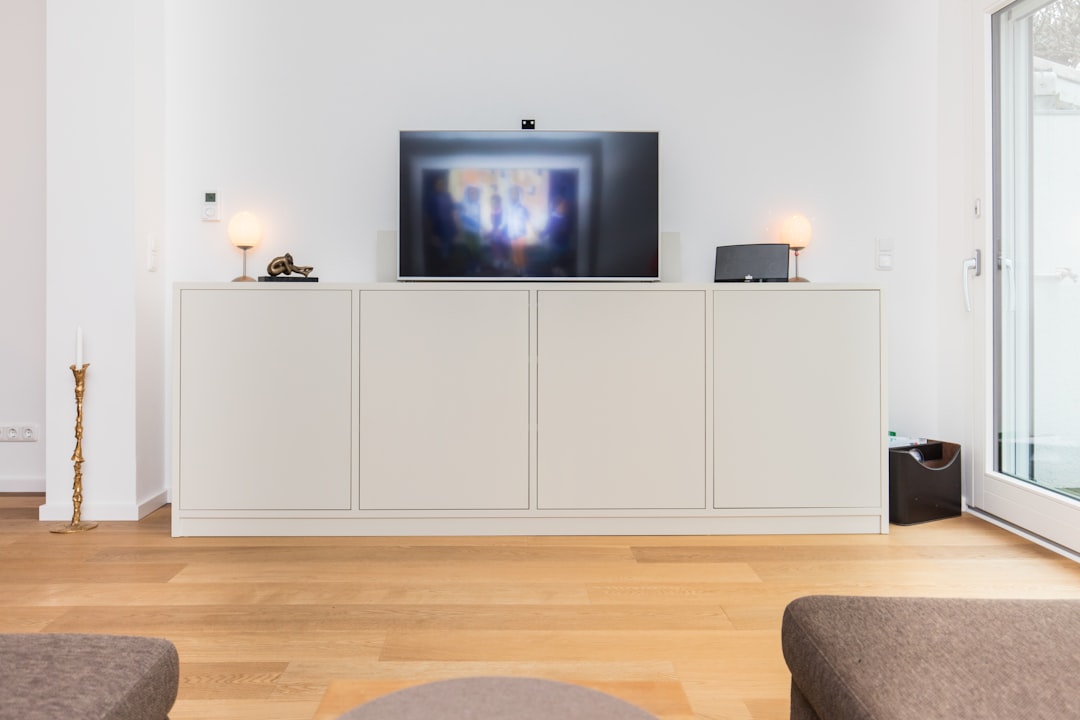
For buyers torn between showrooms, the decision often comes down to space. Tampines’ mock condo works well for those furnishing dual-function layouts, while Joo Seng’s landed property focus feels tailored to buyers with more square footage to play with. Either way, bringing floor plans ensures you won’t end up with a sideboard that’s too big — or worse, one that doesn’t fit through the door.
Corner-sideboard assembly in Tiong Bahru walkups often comes with a $120 surprise — stairwells under 190cm force delivery teams to disassemble and reassemble on-site. It’s a common headache in older estates, where narrow staircases weren’t designed for modern furniture. Pre-measuring lift dimensions is non-negotiable; 200cm units typically require crane hire at $650/hour, a cost that’s rarely factored into initial budgets.
Bukit Timah landed homes face their own challenges. Marble tops, often weighing around 250kg, demand three-man teams — and that’s before accounting for the time spent navigating driveways and porches. Delivery crews in these neighbourhoods are accustomed to tight squeezes, but homeowners aren’t always prepared for the extra labour charges.
Walkup apartments in central areas like Tiong Bahru or Joo Chiat often have quirky layouts — think spiral staircases or low ceilings. Delivery teams here rely on experience, but even they can’t predict every obstacle. It’s worth noting that sideboards, with their dual storage and display functions, are increasingly popular in these homes. Yet, their size can complicate delivery more than expected.
For those in landed properties, crane hire isn’t just a cost — it’s a logistical puzzle. Streets lined with parked cars or overhead cables can delay setups, adding hours to the bill. Even in spacious neighbourhoods like Bukit Timah, homeowners often underestimate the planning required for oversized pieces.
Sideboards might seem straightforward, but their delivery isn’t. Whether it’s navigating Tiong Bahru’s stairwells or coordinating crane lifts in Bukit Timah, the hidden costs add up. And for those in walkups, the process can feel like solving a spatial puzzle — one that’s rarely budgeted for upfront.
Oversized sideboards may require reinforcing floors or walls to support their weight, adding unforeseen expenses to your budget. Custom framing or additional load-bearing adjustments can significantly increase installation costs. These modifications often require professional assessments, further driving up initial outlays.
Large sideboards may necessitate special delivery equipment or disassembly to fit through standard doorways. Staircase removals or temporary wall dismantling could be needed for upper-floor installations. Such logistics frequently incur premium service fees from movers or contractors.
The complexity of fitting oversized pieces often delays project completion, potentially extending labor costs. Multiple tradespeople (installers, carpenters, electricians) may need sequential scheduling. These delays can disrupt other renovation phases, creating ripple-effect expenses.
Can a sideboard replace a BTO built-in? Only if it’s 60cm deep — the standard depth for HDB recesses. Many homeowners overlook this, ending up with a sideboard that juts awkwardly into the walkway. For projector storage, look for models around 55cm deep; anything deeper risks crowding the space, while shallower options won’t fit essential cables neatly. Models with built-in cable ports are a bonus — they keep wires out of sight without requiring DIY hacks.
Teak sideboards are a popular choice, but termite damage is a real concern, especially in landed properties. That’s where warranties come in — some retailers offer coverage for up to 10 years, which is rare for imported teak. It’s a small detail, but one that saves headaches down the line. For buyers in landed homes, this peace of mind can outweigh the upfront cost.
In dual-function dining-living layouts, sideboards often pull double duty as media consoles or bar cabinets. The trick is to balance storage and display — too many drawers, and it feels clunky; too much open shelving, and it looks cluttered. A mix of both works best, especially in larger condos where storage is at a premium.
Depth isn’t the only consideration — height matters too. Sideboards typically range from 75cm to 90cm, but in rooms with low ceilings, a taller model can feel overpowering. Conversely, a shorter sideboard might leave too much empty wall space, especially in landed properties with high ceilings. It’s a Goldilocks situation — finding the right fit takes patience.
A sideboard’s clearance needs reveal Singapore’s spatial contradictions — we want storage that disappears until needed, but drawers that open fully in narrow dining areas. Landscape architects insist on 70cm clearance from dining chairs to sideboard drawers, a measurement most homeowners ignore until the first time someone stands up and knocks over a wine glass. That’s when they realise their 90cm-wide dining walkway shrank to 50cm once the chairs were pulled out.
For dual-purpose living-dining layouts, subtract 30cm from your TV wall width before choosing a sideboard. Projection screens demand 180cm of empty wall space above storage units — a requirement that catches out buyers who assumed their 3.6m wall could fit both a 2m sideboard and an 85" TV. The math never lies: 360cm minus 180cm leaves 180cm for furniture, minus another 30cm for cable management gaps and you’re down to 150cm.
Sideboards hovering around 75–90cm tall create sightline issues in open-plan condos. Too low and it becomes a clutter magnet; too high and it blocks the kitchen pass-through. The sweet spot for display surfaces? Exactly 5cm below the standard window sill height in most Singaporean landed properties — high enough to keep toddlers from grabbing decor, low enough to maintain sightlines to the garden.
Rubberwood frames with sintered stone tops dominate the mid-range ($1,200–$2,400) because they withstand Singapore’s humidity cycles without warping. But that durability comes at a spatial cost — drawers on these models typically need 5cm more clearance than engineered wood alternatives when fully extended.
Megafurniture’s collection shows this tradeoff clearly: their 180cm rubberwood sideboards require 75cm clearance for smooth operation, while the 150cm engineered wood version manages with 65cm. That extra 10cm makes all the difference in a Tampines semi-detached dining room squeezed between a wet kitchen and staircase.