In a 12 sqm HDB master bedroom, space is tight but storage needs are high — that’s where a sideboard fits better than you’d think. Opt for a slim model around 150cm wide and 75cm tall, with closed cabinets to hide clutter and a top surface for a lamp or small decor. Avoid deep designs; anything over 40cm depth eats into precious floor space. Rubberwood or engineered wood options are practical here, balancing durability with affordability in the $600 to $1,200 range.
For 20 sqm condo living rooms, sideboards often double as media consoles or bar cabinets. A wider piece, around 180cm, anchors the space without overwhelming it. Look for designs with a mix of drawers and open shelving — it’s a practical way to organise remotes, books, and glassware while keeping the look streamlined. Finishes like matte laminate or oak veneer work well in these settings, offering a polished look without the maintenance fuss.
Landed property dining areas, meanwhile, can handle grander pieces. A 200cm sideboard in solid wood or sintered stone makes a statement while providing ample storage for tableware and linens. In many homes, this space transitions into a secondary living area, so consider a design with integrated lighting or glass-fronted cabinets for a more versatile aesthetic. Prices here typically start around $1,800, reflecting the larger scale and higher material quality.
Dual-function spaces are the norm in Singapore homes, and sideboards adapt seamlessly. In a dining-living combo, a sideboard can serve as a buffet during meals and a display unit the rest of the time. For smaller flats, models with built-in power outlets or USB ports add functionality, turning the surface into a charging station or workspace.
Material choice matters as much as size. Rubberwood is affordable and sturdy, while solid teak offers longevity but at a higher cost. Laminated finishes are easy to clean but can show wear over time — a trade-off worth considering in high-traffic areas.
Singapore’s humidity warps even the sturdiest furniture within months if you choose wrong. Solid wood sideboards develop hairline cracks along the grain when subjected to constant 80% RH — teak and acacia fare better than oak or walnut, but still require quarterly waxing. Engineered wood with moisture-resistant melamine finishes (look for E0 or E1 ratings) outperforms solid timber in landed properties near East Coast Park, where salt spray compounds the problem.
Metal-framed sideboards with powder-coated steel legs avoid swelling altogether, though condensation can pit cheaper finishes. The best compromise? Rubberwood cores with marine-grade plywood backing, finished with polyurethane sealant on all sides — including the often-neglected underside. Megafurniture’s Joo Seng showroom displays samples where this combination survived two years in a Pasir Ris terrace house’s open-air dining area.
Budget constraints push many toward MDF with PVC laminates, but these delaminate at edges when humidity fluctuates. If you must go this route, insist on rounded corners — sharp 90-degree joints peel first. Glass display cabinets atop the sideboard create a humidity buffer zone; the air gap between shelves and wall reduces direct moisture contact.
Wicker and rattan inserts tempt in photoshoots, but become breeding grounds for mould in ground-floor flats. Stick to ceramic knobs over brass (verdigris stains), and avoid fabric-lined drawers entirely. That gorgeous cane-fronted sideboard from the catalogue? It’ll start smelling like a wet market basket by year’s end.
Evaluate sideboard finish resistance to fading from sunlight exposure: metrics
Sideboards often end up too narrow or shallow for their intended space — a common mistake in dual-function dining-living layouts. Buyers forget to account for clearance around dining chairs or sofa arms, leaving gaps that disrupt the room’s flow. In landed properties with generous floorplans, undersized sideboards look lost against expansive walls. Measure twice: a 180cm width suits most 4-room BTO living rooms, while 200cm works better in larger condos.
Electronics like routers or gaming consoles need airflow — something many buyers overlook when converting sideboards into media consoles. Solid-backed designs trap heat, shortening device lifespans. Look for models with rear cutouts or mesh panels, especially if you’re placing gear inside enclosed cabinets. In humid climates like Singapore’s, proper ventilation also prevents moisture buildup that can warp wood over time.
Rubberwood and MDF dominate the market, but they’re not always the best choice for Singapore’s climate. High humidity causes warping in untreated materials, while direct sunlight fades finishes. Opt for moisture-resistant options like teak or engineered wood with UV-protective coatings. Budget-friendly laminates work too, but avoid glossy finishes that show fingerprints in high-traffic areas.
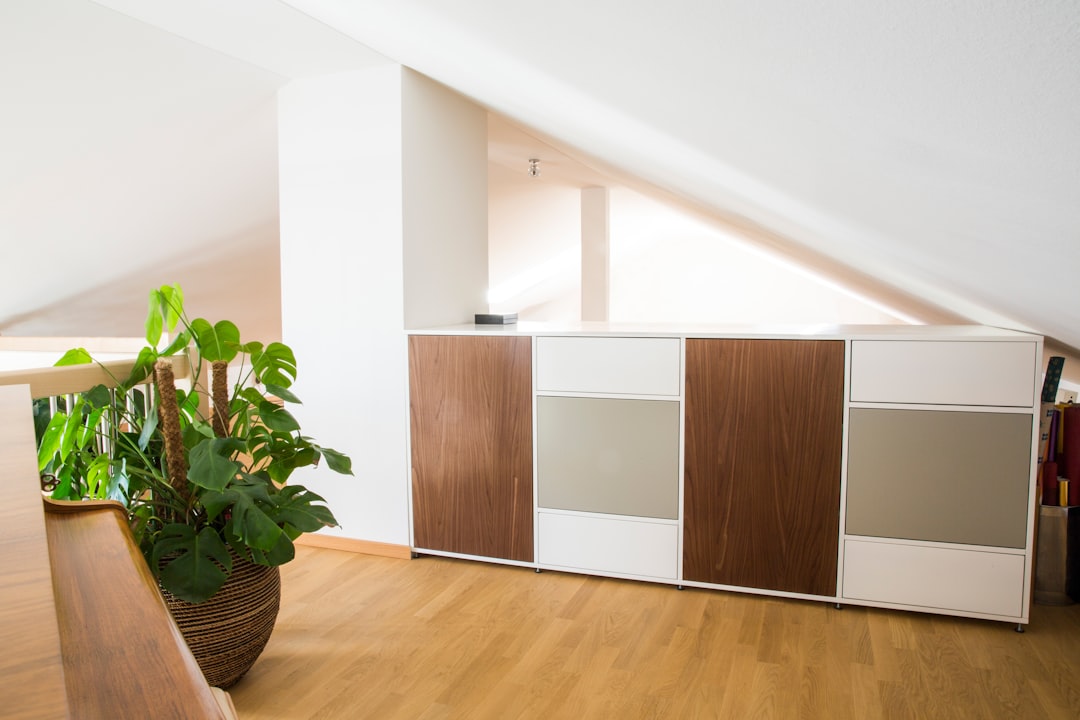
Sideboard tops often become dumping grounds for keys, mail, and random decor — a mistake that undermines their sophisticated profile. Limit display items to three or four curated pieces: a sculptural vase, a stack of art books, maybe a small potted plant. Keep the rest concealed behind cabinet doors or in drawers to maintain a clean, intentional look.
Positioning matters just as much as the sideboard itself. Placing it flush against a wall works in smaller spaces, but in larger rooms, floating it 10–15cm away creates depth. Avoid centering it directly under wall-mounted TVs — offset placement looks more dynamic. And don’t forget about lighting: a table lamp or pendant fixture above adds warmth and functionality to the display surface.
" width="100%" height="480">Evaluate sideboard construction quality for long-term use: checklistA sideboard’s finish looks flawless online — until it’s sitting in your 4-room BTO living room under harsh LED lighting. That’s where showroom visits come in. At Megafurniture’s Joo Seng and Tampines locations, you’ll see how rubberwood veneers hold up against daily wear, or whether sintered stone tops clash with your existing coffee table. It’s not just about aesthetics; it’s about how the piece fits into your space. Stability matters, especially in homes with kids or pets. A wobbly sideboard isn’t just annoying — it’s a hazard. Test drawers for smooth gliding, doors for snug closure, and the overall structure for wobble resistance. In many Singapore homes, sideboards double as media consoles or bar cabinets, so they need to handle more than just occasional use. Design compatibility is another reason to visit in person. Sideboards typically range from 75–90cm tall and 150–200cm wide, but dimensions alone don’t tell the full story. How does it look against your teak flooring? Does it overpower your 12 sqm dining-living combo? Seeing it in a showroom setting gives you a clearer sense of scale and proportion. For those furnishing larger condos or landed properties, the showroom experience is invaluable. You’ll spot details like drawer dividers or cable management holes that might not be obvious online. And if you’re considering dual-function layouts, seeing the piece in context can help you visualise how it’ll work in your home.
Browse the optionsin person to make sure your investment stands the test of time.
Delivery timelines for sideboards in Singapore often hinge on whether you’re buying off-the-rack or custom. Standard pieces from Megafurniture’s collection typically ship within 3–5 business days for metro areas like Eunos or Tampines, while made-to-order options stretch to 6–8 weeks — longer if you’ve specified non-stock finishes like matte lacquer or cerused oak. Landed properties in Districts 10–12 sometimes face extra delays during monsoon season, when logistics firms prioritise HDB estates with covered loading bays.
Assembly ranges from DIY (allen key and pictorial instructions) to white-glove service at $120–$180, though most sideboards under 180cm wide can be handled by two adults in a 4-room BTO living room. Watch for models with pre-attached legs or soft-close mechanisms that simplify setup; anything requiring wall-mounting should include a template. Local suppliers tend to bundle basic assembly with delivery above a $1,200 spend, but you’ll pay extra for evening or weekend slots.
Warranties here follow the 1-3-5 rule: one year for general craftsmanship, three for structural integrity, five for drawer glides and hinges. Moisture damage claims get tricky — what counts as ‘reasonable humidity’ in a Singaporean household versus manufacturer specs? Prioritise brands that list local service centres (Ubi, Woodlands) rather than requiring overseas parts. A sideboard left baking in a west-facing condo window might warp within months, yet few policies cover ‘environmental factors’ without proof of defects.
After-sales support separates decent retailers from the best. A shop that sends replacement drawer runners via GrabExpress within 48 hours saves you more hassle than one offering lifetime coverage but needing six weeks to process claims. Look for suppliers who include a QR code linking to local service contacts — the kind who’ll WhatsApp you a video tutorial when the soft-close mechanism sticks.
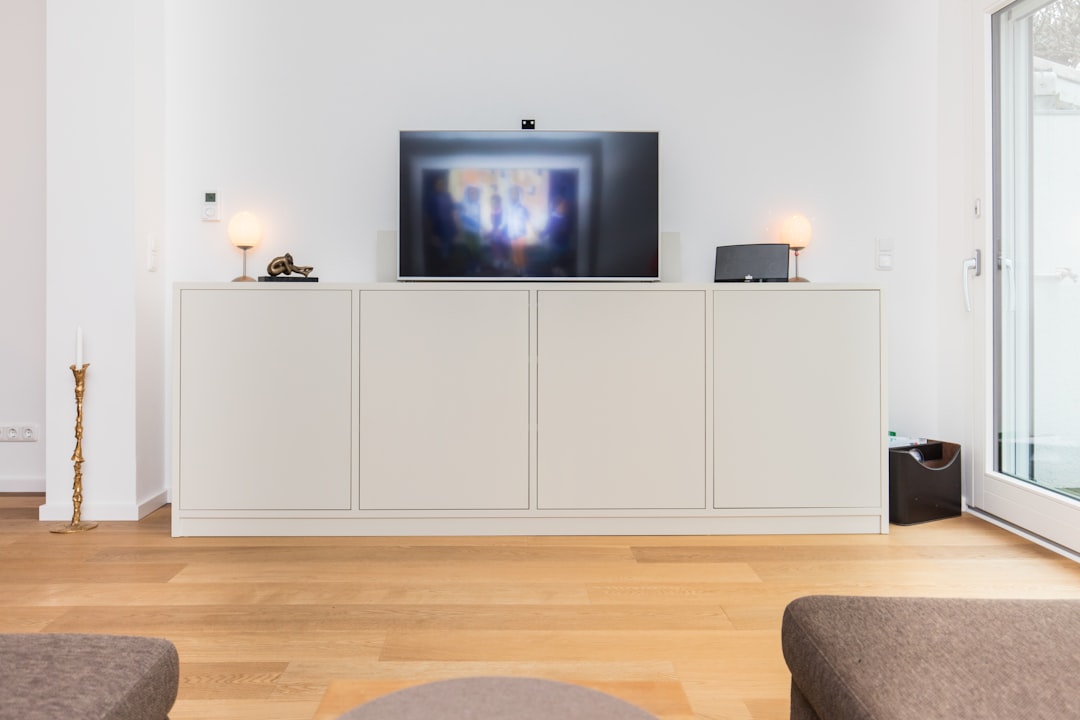
Can sideboards double as TV consoles? In many landed properties along Siglap or Bukit Timah, buyers are pairing 180cm teak sideboards with 65-inch TVs — but check the depth. Sideboards typically run 45–50cm deep, which means most soundbars will fit, though AV receivers often need separate shelving. The real test is cable management: look for models with back-panel cutouts or enough rear clearance to tuck routers and gaming consoles behind closed doors.
Which materials handle pets best? Scratches from a golden retriever’s tail wagging near a River Valley condo’s sideboard won’t show on textured oak or cerused finishes. Avoid high-gloss lacquers — one enthusiastic cat leap leaves visible marks. For households with parrots or shedding huskies, consider sealed MDF with metal legs; it’s easier to wipe fur off than woven rattan drawers.
How much clearance for walkways in dual-function spaces? A 4-room BTO’s combined living-dining area usually needs 90cm clearance around the sideboard — enough to slide past when someone’s seated at the dining table. Go narrower than 75cm in tight layouts like Joo Chiat shophouses, and you’ll constantly bruise hips on drawer pulls.
What’s the weight limit for display surfaces? That terrazzo lamp collection from Tiong Bahru’s indie stores? Fine. A 40-litre aquarium? Only if the sideboard has reinforced corners and cross-braced legs. Most solid wood tops support 25kg distributed weight, while engineered wood variants sag beyond 15kg near the centre.
For those measuring spaces between built-in carpentry and balcony doors, Megafurniture’s collection includes 12 depth options under 50cm — critical for older Katong apartments where every centimetre counts.
Most Singapore homeowners walk into a showroom knowing exactly what they want — until they see the sideboard in person and realise it’s too bulky for their 4-room BTO living room. That’s why finalising key criteria beforehand saves time and avoids buyer’s remorse. Start with size: a sideboard typically spans 150–200cm wide, but in many dual-function dining-living layouts, anything over 180cm can overwhelm the space. Measure your wall, leaving at least 30cm clearance on either side for a balanced look. Material matters just as much. Rubberwood and engineered wood are common choices, but for humid Singapore conditions, opt for moisture-resistant finishes like lacquered MDF or solid teak. These not only withstand humidity but also pair well with modern interiors. Functionality is another deal-breaker — buyers often overlook the depth of drawers or the height of cabinets, only to find their wine bottles or dinnerware don’t fit. A good rule of thumb: cabinets should be at least 40cm deep for versatile storage. Warranty is often an afterthought, but it’s crucial for long-term use. Look for at least a one-year warranty covering structural integrity, especially for sideboards that double as media consoles or bar cabinets. Compatibility with your home’s layout is non-negotiable — a sleek, low-profile design works best in open-plan living areas, while a taller piece might suit a dedicated dining space. Before heading to the showroom, jot down your non-negotiables: size, material, function, and warranty. That way, you’ll leave with a sideboard that fits your home — and your lifestyle.
Browse the optionsto see what aligns with your criteria.
Opt for timeless designs over trendy details that may feel outdated. Neutral tones or classic wood grains adapt to changing decor. Overly ornate carvings or bold colors may limit versatility.
Assess the sideboard's construction materials for resistance to wear, moisture, and scratches. Solid wood or high-quality engineered wood with reinforced joints ensures longevity. Avoid thin veneers or particleboard cores that degrade quickly.
Check for sturdy joinery like dovetail or mortise-and-tenon connections. Wobbly legs or loose fittings indicate poor craftsmanship. Reinforced corners and weight-bearing supports are critical for stability.
Ensure drawers glide smoothly and doors align properly without gaps. Interior shelving should accommodate standard dishware sizes. Poorly spaced compartments reduce practicality over time.