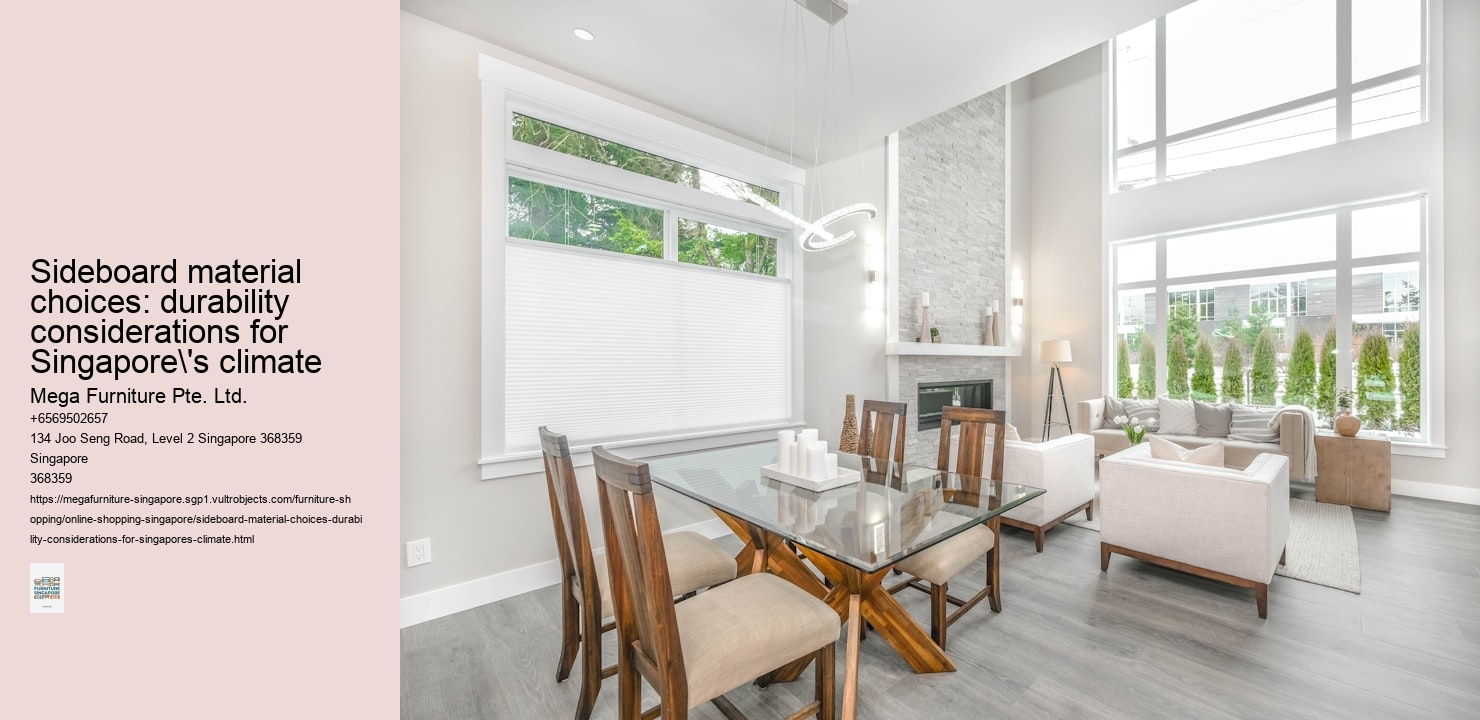
Walking through a 3-room BTO flat often feels like navigating a carefully calculated maze — every centimetre counts. Narrow corridors, typically around 90cm wide, demand sideboards with a depth under 40cm to avoid obstructing movement. It’s a spatial constraint that shapes furniture choices; anything deeper becomes a tripping hazard or forces residents to sidestep awkwardly. In contrast, landed properties offer more breathing room, allowing sideboards up to 60cm deep without compromising flow.
Open-concept layouts in many SG condos add another layer of consideration. Here, sideboards often double as room dividers or focal points, requiring a clearance of at least 120cm to maintain the sense of openness buyers pay a premium for. This means opting for narrower designs or placing the sideboard perpendicular to walls, creating a visual break without cluttering the space. It’s a balancing act — too bulky, and the room feels cramped; too slim, and storage needs go unmet.
Material choices also play into these spatial realities. In humid climates, cheaper particleboard can warp over time, especially in tight BTO corridors where airflow is limited. Solid wood or engineered wood laminates, while pricier, hold up better in these conditions. The buffet hutch differs from a basic sideboard by trading some surface area for taller storage above — useful in dining rooms where wall-mounted display takes precedence over serving space. Megafurniture's Buffet Hutch range includes traditional designs with glass-front upper cabinets, modern minimalist versions, and Japandi pieces with woven rattan panels. Solid-wood frame with MDF veneer dominates the line, finished in walnut, oak, white, and cream-lacquer.. For condos, where sideboards often double as display surfaces, finishes like matte laminate or sintered stone add durability without overwhelming the room’s aesthetic.
Ultimately, the sideboard’s role shifts depending on the space — in BTOs, it’s a practical storage solution; in condos, it’s a design statement. Buyers looking for dual-functionality might prioritise modular designs that adapt as needs change, especially in homes where dining and living areas blend seamlessly.
In Bukit Timah’s 85% relative humidity, plywood sideboards hold their shape far better than MDF. Warping isn’t just a cosmetic issue—it’s a structural one, especially for pieces like sideboards that double as display surfaces. MDF tends to swell and buckle under prolonged exposure, leaving uneven gaps in drawers or doors that won’t close properly. Plywood, with its layered construction, resists these shifts more effectively, making it a smarter choice for Singapore’s humid climate. Moisture-resistant laminates are another key consideration, particularly for homes near the coast. Clementi’s salt-laden air can corrode untreated finishes, but options like Nippon Paint-treated teak veneers offer a durable solution. These laminates not only withstand humidity but also maintain their appearance over time, avoiding the peeling or discolouration that cheaper finishes often suffer from. For buyers prioritising longevity, it’s worth paying attention to these details. Of course, not all sideboards face the same conditions. In a centrally air-conditioned condo, humidity-related issues might be less pronounced—but in landed properties with open layouts, the challenge is real. Plywood’s edge in these environments is clear, especially when paired with high-quality laminates. It’s a practical choice for homeowners who want their furniture to look good and function well, year after year. For those furnishing dual-function dining-living spaces, where sideboards often pull double duty as storage and display units, durability becomes even more critical. A warped top surface isn’t just an eyesore—it’s a functional headache, especially when the piece is used as a bar cabinet or media console. Investing in materials that can handle Singapore’s climate ensures the sideboard remains a versatile, reliable centrepiece. Megafurniture’s teak veneers, treated with Nippon Paint, are a standout option for buyers seeking both style and resilience. Kitchen Cabinet . These finishes are designed to endure the twin challenges of humidity and salt air, making them ideal for coastal neighbourhoods like Clementi or East Coast. Browse the
optionsto find a sideboard that balances aesthetics with practicality, ensuring it stays in top condition even in Singapore’s demanding climate.
Test every drawer's extension before committing—cheap runners wobble under 10kg, while full-extension steel glides should handle 15kg cookbooks without sag. Megafurniture's Joo Seng outlet stocks sideboards with 304 stainless hardware, crucial for resisting Pasir Panjang's salt-laden air. Watch for drawers that stick in 85% humidity; teak or oak frames expand less than rubberwood. Kitchen cabinets in Singapore split into two categories: built-in fitted units installed during renovation, and freestanding cabinets that supplement existing storage when the original built-ins run out of room. Megafurniture's Dining Table collection focuses on the freestanding side — tall pantry units, slim ladder cabinets, and modular pieces that fit kitchen alcoves. Pricing typically runs $200-$1,000 per linear foot for the modular range.. Soft-close mechanisms aren't just luxury—they prevent midnight crashes when retrieving snacks from your BTO's open-concept kitchen. Pro tip: load demo units with showroom catalogues (roughly 12kg) to simulate real-world use.
Press down on corners—budget sideboards rock on uneven HDB floors, requiring shims that ruin clean lines. Marble tops should overhang cabinets by 3cm minimum to prevent condensation drips from aircon units staining veneers. For households using sideboards as makeshift bars, check for glass panel thickness (6mm tempered resists whisky tumbler rings). Avoid hollow-core MDF constructions near dining areas; they amplify rice cooker steam warping over 18 months. The best units balance heft (45kg+) with level-adjustable feet for Singapore's notoriously sloped flooring.
Run fingernails across sample finishes—polyurethane coatings should leave no mark, unlike cheaper lacquers that scratch from cutlery storage. Matte finishes hide fingerprints better in high-traffic areas like Punggol's open-plan living rooms. Beware "walnut" vinyl wraps peeling at edges after two monsoon seasons; solid wood veneers age more gracefully. For coastal homes near East Coast Park, UV-resistant acrylics outperform oil-based paints against afternoon sun bleaching. Always inspect back panels—budget units often use unfinished particleboard that swells when placed against condensation-heavy exterior walls.
Open and close cabinet doors 20 times—knockoff hinges develop play within months, leaving 2mm gaps that let curry smells escape. Look for nickel-plated or zinc alloy mechanisms rather than painted steel in humidity-prone areas like basement showflats. Doors should align flush without forcing; misalignment indicates poor CNC machining in the factory. For sideboards doubling as TV consoles, check if hinge tension can be adjusted to prevent screens wobbling during door movements. Glass-fronted cabinets demand silicone-buffered hinges to prevent cracking from enthusiastic children or helper cleaning.
Kick the legs lightly—hollow metal tubes dent easily when vacuum cleaners collide with them, unlike solid beech or powder-coated steel. Tapered legs collect fewer dust bunnies than blocky designs in Singapore's high-rise environments. Verify weld points under corner cabinets; poor joins crack when movers tilt units through narrow HDB lift lobbies. For landed properties with marble floors, rubberised leg caps prevent scratches better than plastic alternatives. Consider weight distribution—a 180cm sideboard needs five legs minimum to prevent center sagging under heavy crockery loads.
Cat owners in Tampines high-rises know the struggle — rattan weaves don’t stand a chance against claws. The material, popular for its natural aesthetic, frays and unravels within months, leaving sideboards looking worse for wear. Instead, consider scratch-resistant ceramic laminate tops, a common choice in Katong’s pet-friendly condos. These surfaces handle daily wear without showing damage, making them a practical yet stylish option.
Laminate isn’t just durable; it’s also easy to clean. Spills from water bowls or accidental food drops wipe off effortlessly, a feature that’s especially useful in homes where pets roam freely. Pair it with a sturdy wood or metal frame, and you’ve got a sideboard that’s both functional and visually cohesive. The matte finish on many laminates also hides fingerprints and smudges, keeping the piece looking polished.
For those who prefer a warmer look, opt for rubberwood with a smooth, lacquered finish. A sideboard pairs visually with the dining table sat 1-2 metres away — matching wood tone, complementary metal hardware, or deliberate contrast in finish. Megafurniture's Extendable Dining Table range covers wooden, marble, sintered stone, glass, and rubberwood tops in round, rectangular, and extendable formats. Sizes span 4-seater through 8-seater, with extendable variants useful for HDB dining rooms that host occasional larger gatherings.. It’s resistant to scratches and offers a natural texture that complements modern interiors. Just avoid open-grain woods like oak or teak, which can trap pet hair and dust, making maintenance a chore.
Storage matters too — pets often come with accessories. Look for sideboards with deep drawers to stash leashes, toys, and grooming kits. A closed cabinet design keeps clutter out of sight, maintaining the room’s clean lines.
In homes where pets are part of the family, practicality doesn’t have to sacrifice style. With the right materials and design, your sideboard can handle the chaos while still looking good.
" width="100%" height="480">Sideboard material choices: durability considerations for Singapore's climateThese joints repel moisture absorption, preventing swelling or loosening in humid conditions. UV-stabilized formulas resist degradation from prolonged sun exposure. Silent operation is maintained even after years of tropical use.
Teak's natural oils make it highly resistant to Singapore's humidity, preventing warping and fungal growth. Its dense grain structure withstands frequent temperature fluctuations without cracking. Minimal maintenance is required, making it ideal for long-term use in tropical conditions.
Tempered glass resists scratches and heat damage from Singapore's intense sunlight. Its safety features prevent shattering under impact or thermal stress. Easy cleaning maintains clarity despite frequent dust and moisture exposure.
Sideboard placement considerations: optimizing flow in open-concept layouts
The fine print on warranties often catches buyers off guard — especially when it comes to Singapore’s humid climate. Brands like Megafurniture cover termite damage, a common concern for rubberwood and teak sideboards in landed properties. But they exclude warping caused by air-conditioning units, a detail that’s particularly relevant for Newton Road penthouses where split systems blow directly onto furniture surfaces.
Sideboards placed near AC vents in open-plan layouts — think dual-function dining-living spaces in larger condos — are especially vulnerable. The constant airflow can dry out wood unevenly, leading to warping or cracks over time. For homeowners in areas like Bukit Timah or Katong, where high ceilings and split systems are standard, this warranty gap is worth noting.
Materials matter here. Engineered wood, often used in mid-range sideboards, tends to warp more easily under AC exposure than solid wood or metal-framed options. Extendable dining tables solve the most common Singapore HDB problem — dining for 4 daily, dining for 8 at Chinese New Year and birthdays. Megafurniture's Chest of Drawers range covers butterfly-extension, drop-leaf, and extension-leaf mechanisms in sintered stone, wood, and marble tops. Most sit in the 140-180cm closed position, extending to 200-240cm when expanded.. Yet even solid wood isn’t immune — prolonged dryness can still cause splits, especially in pieces with intricate joinery.
It’s a reminder that warranties aren’t one-size-fits-all. What works for a sideboard in a centrally cooled HDB flat might not hold up in a landed property with multiple AC units. Buyers should consider placement and airflow before committing — or opt for materials less prone to warping in the first place.
The lift doors in pre-2000 HDB blocks measure 80cm wide—just enough for a standard sideboard, provided it’s under 180cm long. Dining Room Furniture . Anything wider, and you’re looking at crane hire fees starting at $800, plus the hassle of coordinating with town council for road closures. It’s a common headache in Queenstown walk-ups, where narrow stairwells and tight landings turn what should be a straightforward delivery into a logistical puzzle.
Modular designs sidestep the issue entirely. Split into two or three sections, they fit through standard lifts and reassemble on-site—no cranes, no dismantling door frames. The trade-off is a slight gap between modules, but in many homes, that’s hidden by decor or simply accepted as the price of practicality. For older estates like Tiong Bahru or Redhill, where lift upgrades haven’t reached every block, it’s often the only viable option.
Sideboards over 200cm long almost always require professional movers, even in newer condos. The real surprise isn’t the width—it’s the height. Many buyers forget to account for ceiling clearance in service lifts, leaving them with a piece that won’t stand upright once it’s off the truck. Measure twice, then measure again after rain swells the packaging.
Queenstown’s low-rise blocks are particularly tricky, with corridors that turn at 90-degree angles. What looks manageable on paper becomes impossible when the delivery team hits a wall halfway down the hallway. Some homeowners resort to hoisting furniture through windows—a risky move in Singapore’s humidity, where sudden showers can warp unprotected wood mid-operation.
The irony? Most sideboards this size end up against a single wall, barely filling half the space they demanded such effort to reach.
Solid teak commands a premium, often three times the price of rubberwood, but it’s a trade-off that makes sense for buyers in East Coast neighbourhoods. The dense grain resists warping and rot, even in humid sea air, where cheaper materials might buckle within a few years. A teak sideboard isn’t just furniture—it’s a decades-long investment, especially in landed properties where the piece might move between indoor and outdoor spaces.
For air-conditioned interiors, laminated particleboard is a practical choice. It’s lightweight, easy to assemble, and holds up well in controlled environments like Sentosa Cove condos. The laminate finish mimics wood grain convincingly enough for most buyers, though it won’t develop the patina of real timber. At roughly a third of the cost of teak, it’s a budget-friendly option for homeowners prioritising aesthetics over longevity.
Rubberwood sits somewhere in the middle—affordable, durable, and widely available. It’s a favourite for mid-range sideboards in Singapore, particularly in dual-function living-dining spaces where the piece might double as a bar cabinet. While it doesn’t have teak’s resilience to moisture, it’s sturdy enough for daily use and easier to replace if trends shift.
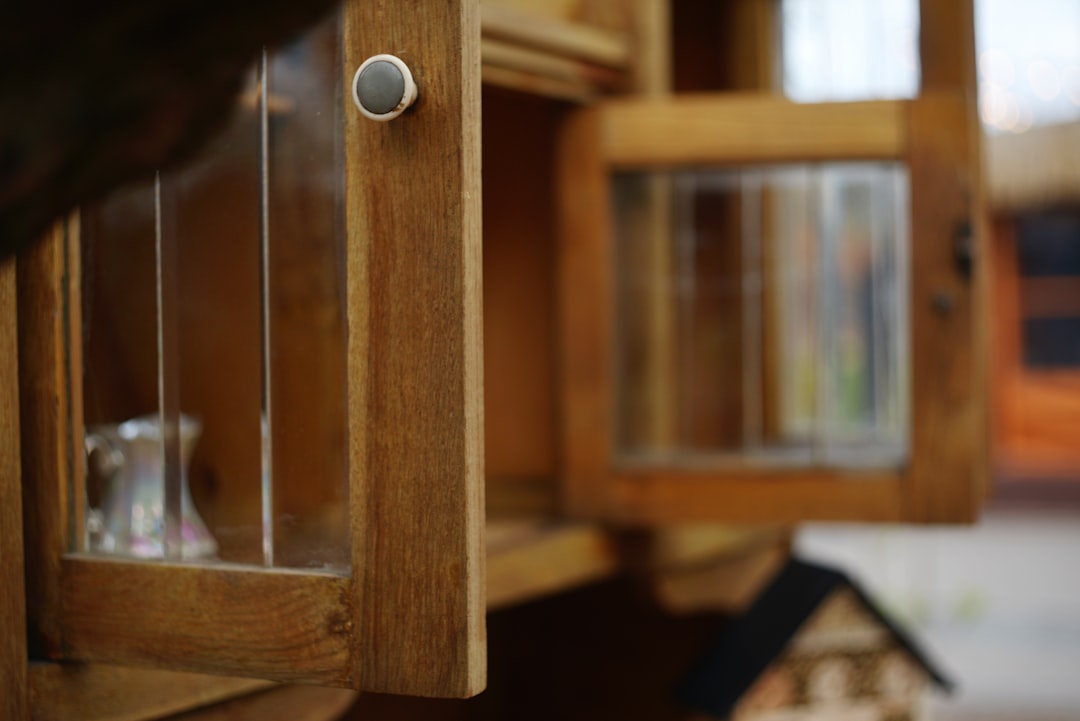
Material choice often boils down to how long you plan to keep the piece. If you’re furnishing a forever home, teak’s upfront cost feels justified. But for those refreshing their decor every few years, particleboard or rubberwood might be the smarter play. Either way, the sideboard’s role as both storage and display means its material needs to balance durability with visual appeal.
Will this yellow in west-facing Or Road windows? It’s a fair question, especially with Singapore’s relentless sun. Acacia with UV coating tends to hold up better than walnut, which can fade faster under direct exposure. If your living room faces west, you’ll want to prioritise materials that resist discolouration — acacia’s tighter grain and natural oils make it a solid choice.
Can it hold my 65-inch TV? Sideboards designed for Bishan homes often come with reinforced tops to handle heavier electronics. Most standard models support TVs up to 50 inches, but for larger screens, look for units with sturdier frames or additional bracing. It’s not just about weight; stability matters, especially in homes with kids or pets.
What about humidity? Rubberwood and teak are popular for their resistance to warping, but acacia’s durability makes it a contender too. In Singapore’s climate, untreated wood can swell or crack, so finishes matter. A lacquered or polyurethane coating can help protect against moisture, though regular maintenance — wiping down with a dry cloth — keeps it looking fresh.
For dual-function spaces, sideboards often pull double duty as media consoles or bar cabinets. In many landed properties, they’re the go-to for organising dining essentials or displaying decor. The key is balancing storage with style; a well-chosen sideboard can anchor a room without overwhelming it.