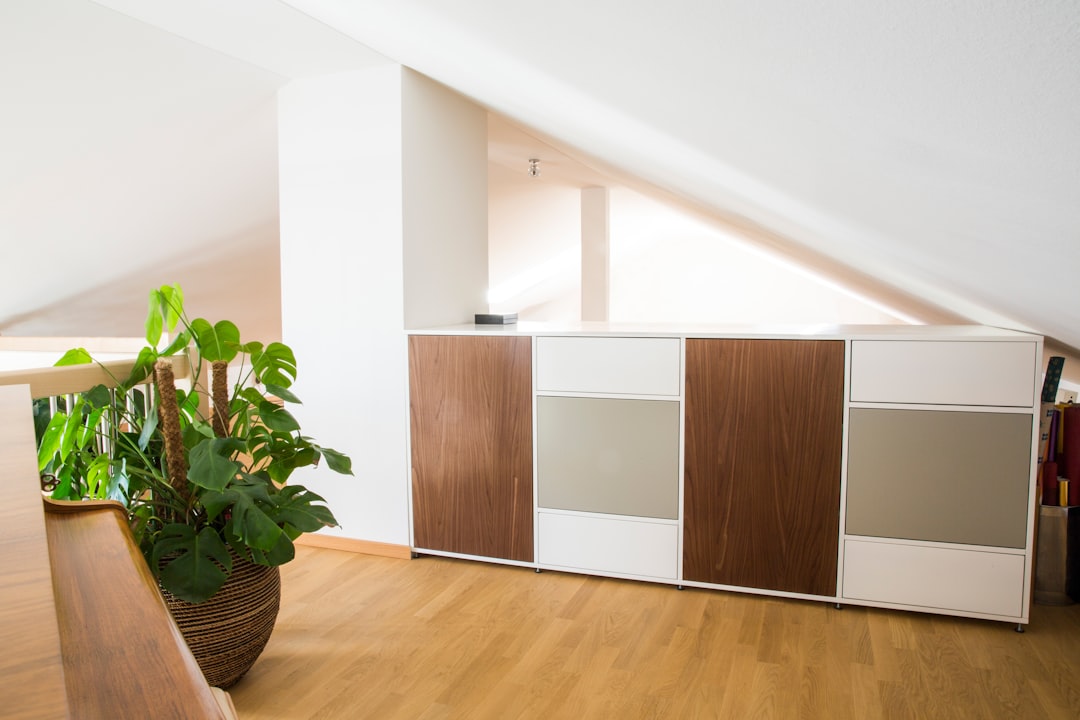
In many HDB flats, the sideboard’s placement isn’t just about storage — it’s about balancing function and flow. Take a typical 4-room BTO layout: the dining area often bleeds into the living room, creating a dual-purpose space that demands careful furniture arrangement. A sideboard here needs to anchor the dining zone without disrupting sightlines to the TV or cluttering the walkway. In resale flats, where layouts can be less predictable, sideboards often double as room dividers — a practical solution for open-plan living areas that lack clear separation.
Condo layouts, especially those in newer developments, tend to favour open-concept designs with compact footprints. A sideboard in these spaces often serves as a multi-functional piece: storage for dining essentials, a display surface for decor, and occasionally, a makeshift bar cabinet. In landed properties, where rooms are larger and layouts more flexible, sideboards can anchor grander dining spaces or even transition into the living room as a media console alternative.
The challenge in smaller spaces — think 12–15 sqm dual-function rooms — is avoiding visual clutter. A sideboard that’s too tall or bulky can overwhelm the room, while one that’s too shallow might sacrifice storage. Opting for a piece around 75cm tall and 150cm wide typically strikes the right balance, providing ample storage without dominating the space.
Glare from sideboard surfaces is a common pitfall, especially in rooms with large windows or bright lighting. Positioning the sideboard perpendicular to the TV or choosing a matte finish can mitigate this issue. In many homes, the sideboard’s top surface becomes a focal point — a place for curated decor or family photos — so it’s worth considering how it complements the room’s overall aesthetic.
For those furnishing larger condos or landed properties, sideboards offer a sophisticated alternative to standard TV consoles. Their versatility makes them a favourite among design-forward buyers, particularly in neighbourhoods like Bukit Timah or East Coast, where open-plan layouts are prevalent. The trick is finding a piece that blends seamlessly into the room’s flow — not just physically, but visually too.
Singapore’s humidity doesn’t just frizz hair—it warps particleboard drawers and blisters laminate surfaces within months. The sideboard you bought for its sleek lines now has edges peeling like sunburnt skin. Solid rubberwood or acacia withstand the damp better than most; their tight grain resists swelling even when the monsoon air hangs thick enough to taste. Lacquered finishes work harder here than elsewhere. A high-gloss piano black sideboard in Toronto might only need dusting, but the same piece in Punggol needs a polyurethane topcoat thick enough to repel condensation beading up daily. Look for UV-resistant variants—afternoon sun through condo windows fades untreated veneers unevenly, leaving tiger stripes across drawer fronts. Veneered MDF isn’t inherently bad if the adhesive is waterproof. Cheaper brands use glues that dissolve into sticky smears when placed near kitchen steam or balcony humidity. Test by pressing a damp cloth against an inconspicuous corner in the showroom—if the edge lifts within minutes, imagine what three years of wet umbrellas dripping beside it will do. The best performers combine materials strategically: teak legs that won’t wick moisture from mopped floors, powder-coated metal handles that won’t corrode, and ceramic tile insets that won’t stain when someone inevitably sets a sweating kopi glass directly on the surface.
Megafurniture’s lacquered oak optionsget this right—the edges are routered to create expansion gaps disguised as decorative detailing. Pet owners should skip rattan entirely. Those charming woven fronts become claw-sharpening canvases for determined cats, while the gaps trap enough fur to knit a sweater. Go for smooth, wipeable surfaces instead—a spilled bowl of ikan bilis broth wipes off melamine faster than you can say "bad dog."
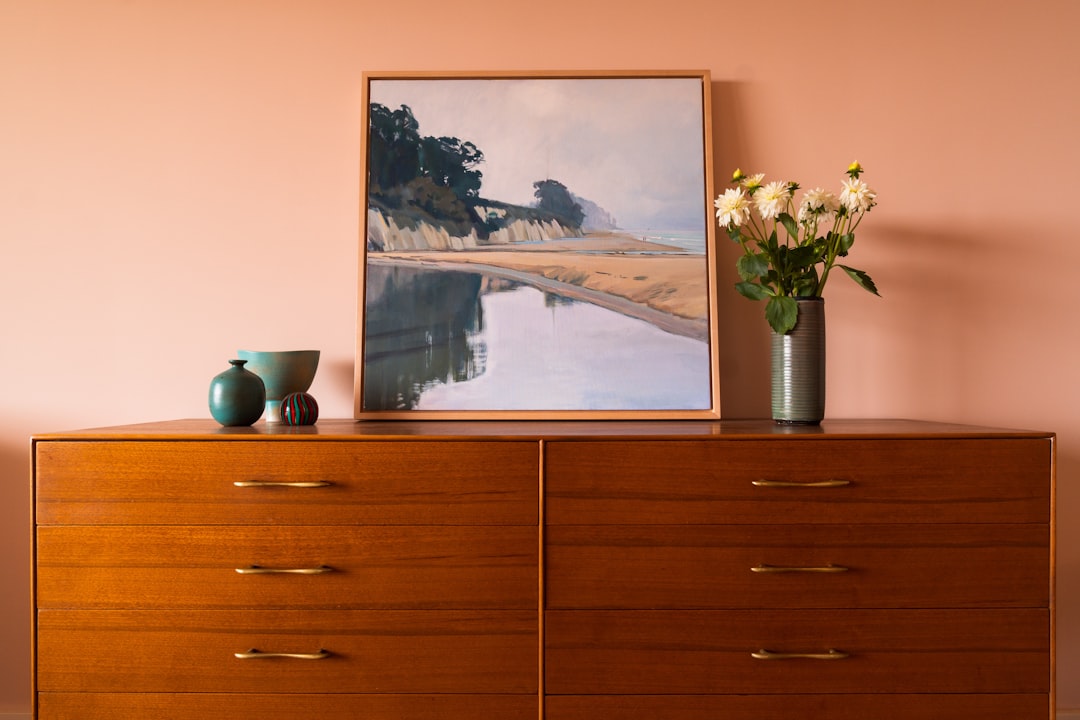
Glossy or reflective sideboard surfaces amplify glare, disrupting TV visibility. Matte or textured finishes diffuse light more effectively, reducing unwanted reflections. Positioning non-reflective decor items on the surface can further minimize glare interference.
Placing the sideboard perpendicular to windows or light sources worsens glare on the TV. Angling it slightly away from direct light paths helps mitigate reflections. Testing different angles during daylight hours ensures optimal placement.
A TV mounted too low increases glare from sideboard surfaces. Elevating it slightly above eye level minimizes reflective interference. Ensuring the screen tilts downward slightly can further counteract residual glare.
Sideboards between 75–90cm tall align with seated eye level, yet buyers often grab whatever fits their wall space. A 110cm sideboard forces neck craning during TV viewing — worse when wall-mounted screens sit higher than recommended 42 inches from floor. Measure existing furniture first; that vintage teak sideboard from Grandma’s terrace house might wreck sightlines in your Tampines BTO. Low-profile designs under 70cm work for projectors but leave awkward gaps above soundbars. Mid-century legs add visual height without functional lift.
Lacquered finishes reflect sunlight from balcony doors straight into evening Netflix sessions — a brutal discovery in north-facing Eunos condos. Matte walnut or textured rattan surfaces diffuse light better near floor-to-ceiling windows. East-coast homes need particular care with morning glare patterns across open-concept living areas. Test placements by laying a mirror where the sideboard would go; if it catches the 5pm sun from your Bedok kitchen window, so will that glossy white finish.
A 180cm sideboard squeezed between sofa and dining table creates a bottleneck in 4-room HDB layouts. Leave 90cm clearance for walking paths — critical when the unit’s only toilet access routes behind it. Corner units in Pinnacle@Duxton can get away with deeper storage, but most Queenstown flats need slimline profiles under 45cm depth. Watch for drawer clearance too; full-extension hardware requires extra space nobody accounts for.
That sleek sideboard becomes a rat’s nest when all your AV equipment gets shoved inside with zero ventilation. Perforated back panels or open-grille designs prevent PlayStation meltdowns in enclosed spaces. Budget for cable management clips or drill grommets before assembly — nobody wants to see dangling HDMI cords against their $3,000 solid oak piece. Pro tip: smart home hubs need 15cm clearance from solid surfaces for reliable signal penetration.
Engineered wood warps within months when parked beside humidifier-dependent orchid collections in Bukit Timah landed homes. Marine-grade ply withstands equatorial moisture but lacks the heft for crystal decanter displays. Glass tops require constant wiping in Singapore’s dust-heavy neighborhoods like Jurong West. For high-use households, scratch-resistant sintered stone outperforms veneers at similar price points — though nothing beats stainless steel for longevity near wet bars.
Walking into Megafurniture’s Joo Seng showroom, you’ll notice how the light hits differently. Floor-to-ceiling windows mimic the glare common in Singapore’s east-facing living rooms — a detail that makes testing finishes here more practical than scrolling online. Their Tampines location, just minutes from the MRT, offers a similar setup with a focus on materials suited for dual-function spaces. Sideboards, in particular, benefit from in-person inspection. The top surface, typically 75–90cm tall, catches light differently depending on the finish — matte laminate reduces glare but shows fingerprints, while polished wood reflects more but feels warmer. At Megafurniture, you can see how each option behaves under LED downlights or afternoon sun, crucial for homeowners pairing sideboards with TVs in open-concept layouts. Bring your room dimensions — especially if you’re working with larger condos or landed properties. Megafurniture’s showrooms let you visualise how a 150–200cm sideboard fits alongside dining tables or sofas, avoiding the common pitfall of overcrowding. Their staff can also suggest glare-reducing placements, like angling the piece away from windows or opting for darker finishes that absorb light. For those considering dual-purpose designs — sideboards doubling as bar cabinets or media consoles — the showrooms let you test drawer mechanisms and door hinges. A smooth glide matters when you’re accessing wine glasses or tech gadgets daily. Don’t rush the visit. Spend time comparing materials like rubberwood and sintered stone, noting how they hold up to Singapore’s humidity and frequent cleaning. It’s a chance to see if that bouclé-upholstered drawer front feels as luxe as it looks, or if a minimalist design suits your aesthetic better than a traditional hutch. Browse the options at
Megafurniture’s collectionbefore heading in — it’ll help narrow down your choices.
Securing a sideboard against toppling in landed Singapore homes: how_to
Delivery timelines for sideboards hover around 2–4 weeks in Singapore — just long enough for buyers to forget they ordered one, then panic when the truck arrives during peak congestion at their condo loading bay. Most retailers won’t schedule specific time slots; you’ll get a “morning” or “afternoon” window that inevitably clashes with school pickup. Assembly complexity varies wildly. Rubberwood frames with pre-drilled holes take 45 minutes with an Allen key, while lacquered MDF units demand two people to avoid scratching the veneer. The real test comes when levelling the feet on uneven HDB floors — that’s when you’ll notice if the manufacturer skimped on adjustable hardware. Warranties here tend to cover structural defects for 1–3 years, but exclude “cosmetic wear” like fading from sunlight streaming through floor-to-ceiling windows in Bukit Timah condos. Water damage claims get rejected if you can’t prove the teak was properly sealed before someone spilled lychee martinis on it during CNY. One quirk of Singaporean warranties: they often void coverage if you attempt DIY repairs. That rattling drawer might need a 50-cent felt pad, but calling the technician costs $120 and requires taking leave to wait for them. For buyers prioritising hassle-free delivery, it’s worth checking if the retailer offers white-glove service — though that usually adds $150–$300 to the bill. The crew will haul the piece up private lift landings in Sentosa Cove, unwrap every cushion, and even position it to avoid glare from your recessed lighting.
Megafurniture’s collectionincludes this option for their solid wood models.
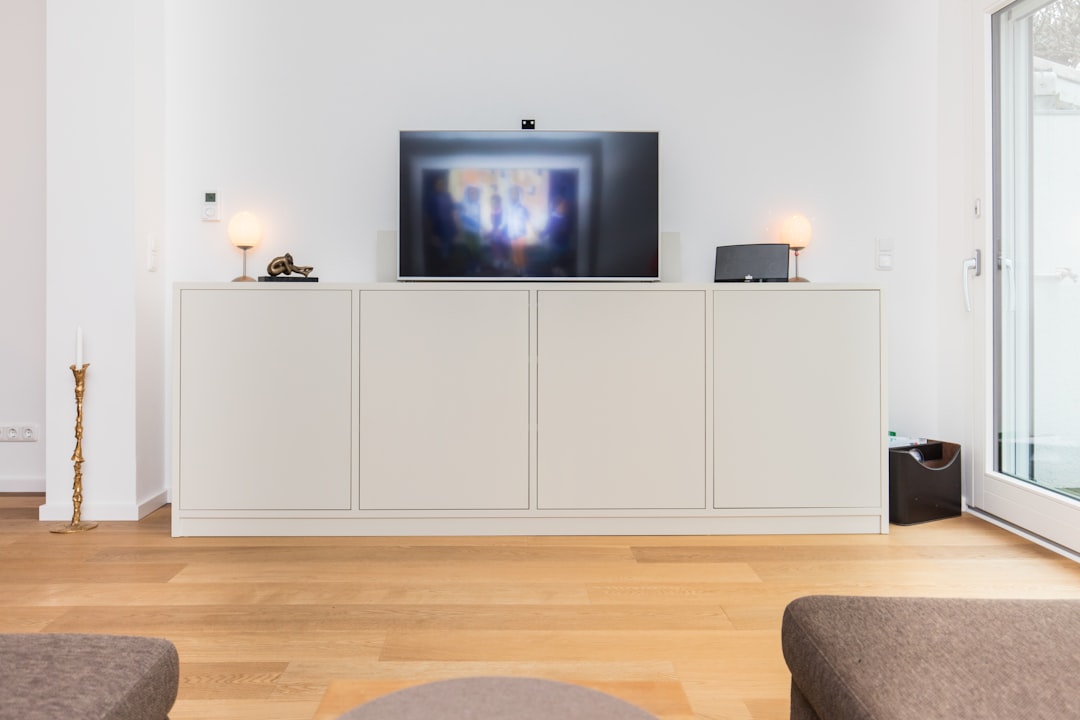
Sideboards in Singapore homes often double as TV consoles — a practical solution in dual-function dining-living layouts, but one that introduces glare issues. Matte finishes or textured surfaces like sintered stone or reclaimed wood help diffuse light, especially in east-facing rooms where morning sun hits hardest. Positioning the sideboard at a 45-degree angle to windows, rather than parallel, can also minimise reflections on the screen.
Humidity’s impact on materials is a perennial concern. Solid rubberwood or teak, treated with a moisture-resistant sealant, holds up better than MDF or particleboard in Singapore’s climate. Avoid veneers that peel or warp; opt for full-grain finishes that age gracefully even in high humidity. Regular maintenance — wiping down with a dry cloth and avoiding direct AC airflow — extends the lifespan.
In compact spaces, the choice between a sideboard and a TV console often comes down to storage needs. Sideboards, typically 75–90cm tall and 150–200cm wide, offer more concealed storage than most consoles, making them ideal for homes with limited built-in cabinetry. Their deeper drawers can organise everything from tableware to board games, freeing up space elsewhere.
The height of a sideboard’s surface is another consideration. For comfortable TV viewing, the screen’s centre should be at eye level when seated — around 110cm from the floor. If the sideboard is too tall, wall-mounting the TV or using a low-profile stand can adjust the viewing angle without sacrificing storage.
A sideboard that wobbles when you set down a wineglass is one thing—but discovering its lacquer yellows under Singapore’s afternoon sun six months later is another. Durability tests start with the basics: knock on solid wood panels (rubberwood or acacia for mid-range budgets), check drawer joinery for metal runners, and avoid MDF cores in humid areas like Katong or Pasir Ris. Glare matters more than most buyers realise—positioning near floor-to-ceiling windows in Tiong Bahru loft conversions demands matte finishes, while high-gloss works only if perpendicular to light sources. For dual-purpose spaces—say, a Punggol BTO living-dining area—measure not just wall length but clearance. A 180cm sideboard fits most 4-room layouts, but leave 90cm walkway space if it doubles as a buffet during gatherings. Glass-fronted cabinets show off ceramics but collect dust; textured laminates hide fingerprints better in homes with kids or cats. The best showroom test? Bring your phone’s torchlight. Angle it at 45 degrees to spot surface reflections where your TV might go, then open and close every drawer three times—that’s how you’ll hear loose fittings long before they fail. For those near Megafurniture’s Joo Seng showroom, their
sideboard collectionincludes depth options under 40cm for narrow HDB corridors. Weight distribution trips up more buyers than expected. A teak sideboard packed with crockery needs wider legs than the same piece holding table linens—check for reinforced corners if loading it heavily. And always account for door swing: a left-hinged cabinet beside a Serangoon Gardens dining nook’s entrance can block traffic flow.