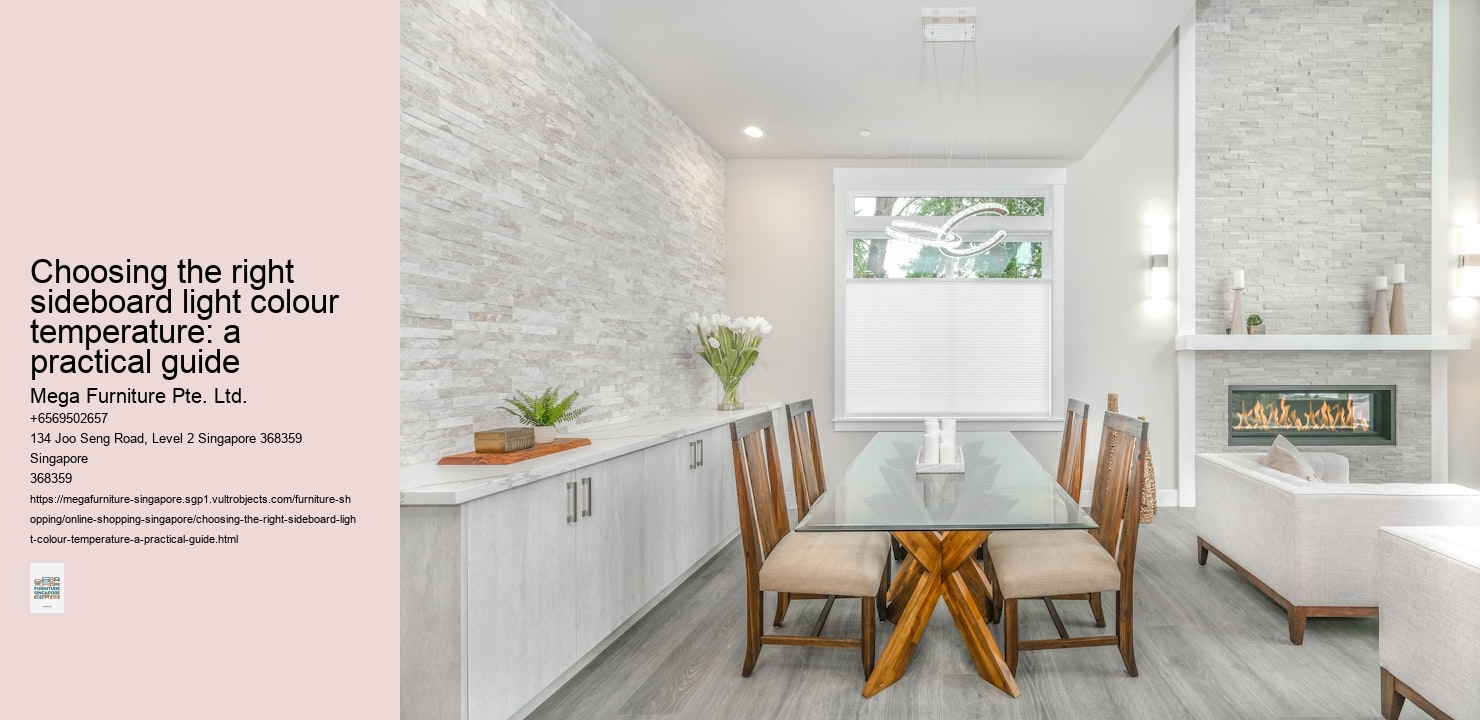
In Singapore’s compact HDB flats, sideboards often double as both storage and display surfaces—especially in open-concept living-dining layouts where every centimetre counts. A typical 4-room BTO allocates just 1.2m of wall space for sideboards in dining areas, forcing buyers toward slimmer profiles (45–50cm depth) with vertical storage. Contrast that with landed properties, where sideboards stretch to 2m widths in formal dining rooms, their surfaces cluttered with heirloom porcelain or whisky decanters under warm 2700K lighting.
Condos split the difference. A 900sqft unit might wedge a sideboard between balcony doors and a sofa—meaning glare control matters as much as storage. You’ll see more matte finishes here, fewer glass-fronted cabinets that amplify afternoon sun from floor-to-ceiling windows.
Landed homes play by different rules. Terraces and bungalows use sideboards as statement pieces, often opting for darker woods (mahogany, walnut) paired with directional spotlights. The irony? These grander spaces frequently waste the storage capacity—drawers sit half-empty while daily clutter migrates to the kitchen island.
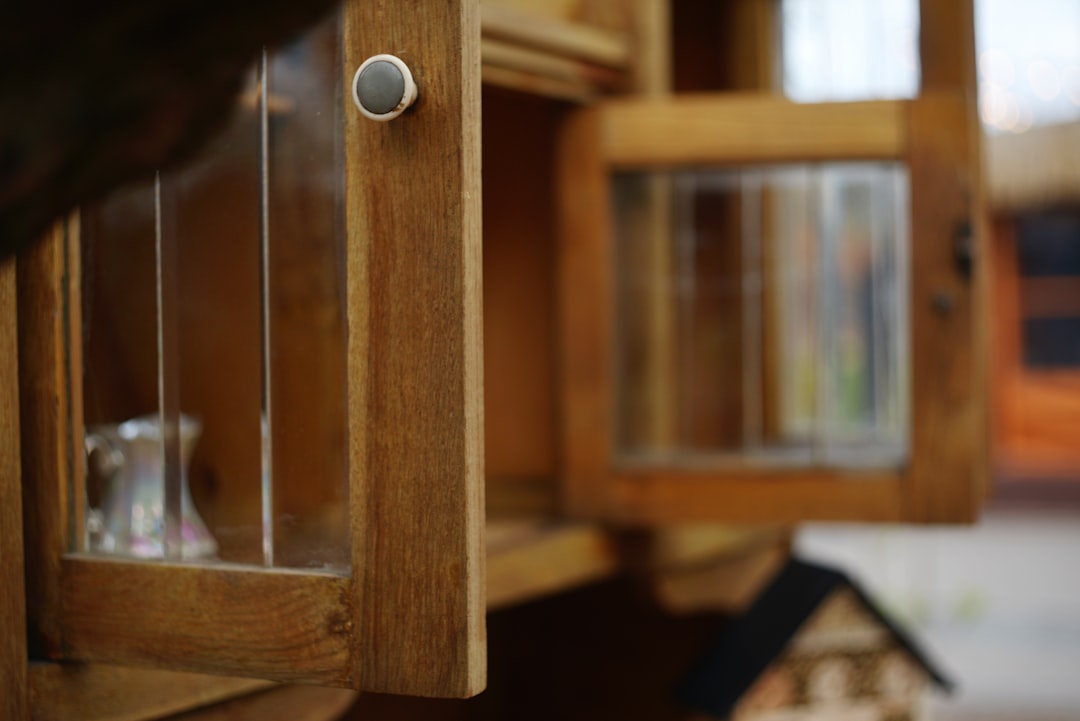
For resale flats with awkward niches—those leftover 80cm gaps beside bomb shelters—modular sideboards from Megafurniture’s collection solve the puzzle. Their shorter 140cm widths fit where standard units won’t, though you’ll sacrifice display real estate.
Lighting choices follow function. HDB dwellers lean toward 3000K LED strips for task lighting inside glass cabinets (better visibility for stacked bowls), while condo owners prefer 2700K pendant lights dangling 60cm above the surface—close enough to spotlight a vase, far enough to avoid glare during Netflix sessions.
Warm white lighting creates a cozy, inviting atmosphere for sideboards, ideal for traditional or rustic decor. This temperature range enhances wood tones and adds a soft glow to displayed items. It works well in low-light areas where ambiance is prioritized over task lighting.
Cool white delivers crisp illumination, emphasizing clean lines and contemporary sideboard designs. It enhances visibility for intricate decor pieces or metallic finishes. Best for high-traffic areas where a bright, energetic feel is desired.
Neutral white offers a balanced tone, suitable for transitional spaces blending modern and classic styles. It provides clarity for functional use while maintaining warmth, making it perfect for sideboards doubling as serving areas. This range minimizes color distortion for artwork or decor.
Align sideboard lighting with adjacent fixtures—warm for dining rooms, neutral for living spaces, cool for entryways. Consider natural light exposure; cooler tones compensate for dim areas. Avoid mixing temperatures to maintain visual harmony.
Singapore’s humidity doesn’t just frizz hair — it shifts how light hits surfaces. In a landed property’s dining-living layout, a sideboard’s finish can look starkly different under cooler tones, especially when humidity hovers above 80%. Warmer colour temperatures, around 2700K to 3000K, soften metallic finishes and reduce glare, making them a practical choice for humid climates.
Modern minimalist setups often lean toward cooler tones, typically 4000K and above. These temperatures enhance clean lines and neutral palettes, but they can amplify reflections on glossy surfaces — a common issue in Singapore’s high-humidity environment. For sideboards with glass tops or polished finishes, warmer lighting helps tone down the harshness, creating a more inviting display area.
In a 4-room BTO living room, where a sideboard doubles as a media console, lighting choice becomes crucial. Cooler tones might suit a sleek, minimalist aesthetic, but they risk making the space feel clinical. Warmer lighting, on the other hand, adds a cosy touch, especially when paired with textured materials like bouclé or performance velvet. It’s a subtle shift that can transform the room’s ambience.
Sideboards often serve dual purposes — storage and display — and lighting should complement both. Warmer tones highlight decorative items without overemphasising dust or smudges, which cooler lights can inadvertently do. In a humid climate, where dust particles tend to cling, this becomes even more practical. A 3000K LED strip, for instance, can showcase ceramics or books without drawing attention to imperfections.
For those leaning toward warmer tones, placement matters. Downlighting directly above a sideboard can create shadows, while indirect lighting from wall sconces or floor lamps offers a more balanced effect. In a humid environment, softer, diffused light helps maintain the sideboard’s appeal without overwhelming the space.
Teak wood stands out in Singapore’s humid climate due to its natural resistance to moisture and pests. Its tight grain structure prevents warping, making it ideal for sideboards exposed to varying humidity levels. While teak tends to be pricier, it’s a long-term investment — pieces often last decades with minimal maintenance. For buyers prioritising durability over cost, teak’s rich, warm tones also add a timeless elegance to living spaces. It’s particularly suited for landed properties where humidity levels fluctuate more noticeably than in condominiums.
Engineered MDF offers a budget-friendly alternative for homeowners seeking quality without breaking the bank. When coated with melamine, it resists scratches and moisture better than untreated MDF, making it practical for high-use areas like living rooms. It’s also versatile — available in a range of finishes that mimic more expensive materials like wood or marble. While it may not have the same longevity as solid wood, MDF’s affordability makes it a popular choice for modern sideboards in HDB flats. Its smooth surface also provides a sleek, contemporary look that appeals to design-conscious buyers.
Laminates are often marketed as a cost-effective option, but they come with drawbacks in Singapore’s tropical climate. Poor-quality laminates can peel or warp over time, especially when exposed to humidity or heat. This makes them less suitable for sideboards placed near windows or in open-concept living-dining spaces. While high-pressure laminates offer better durability, they still can’t match the resilience of solid wood or engineered MDF. For buyers prioritising longevity, laminates may end up costing more in replacements and repairs.
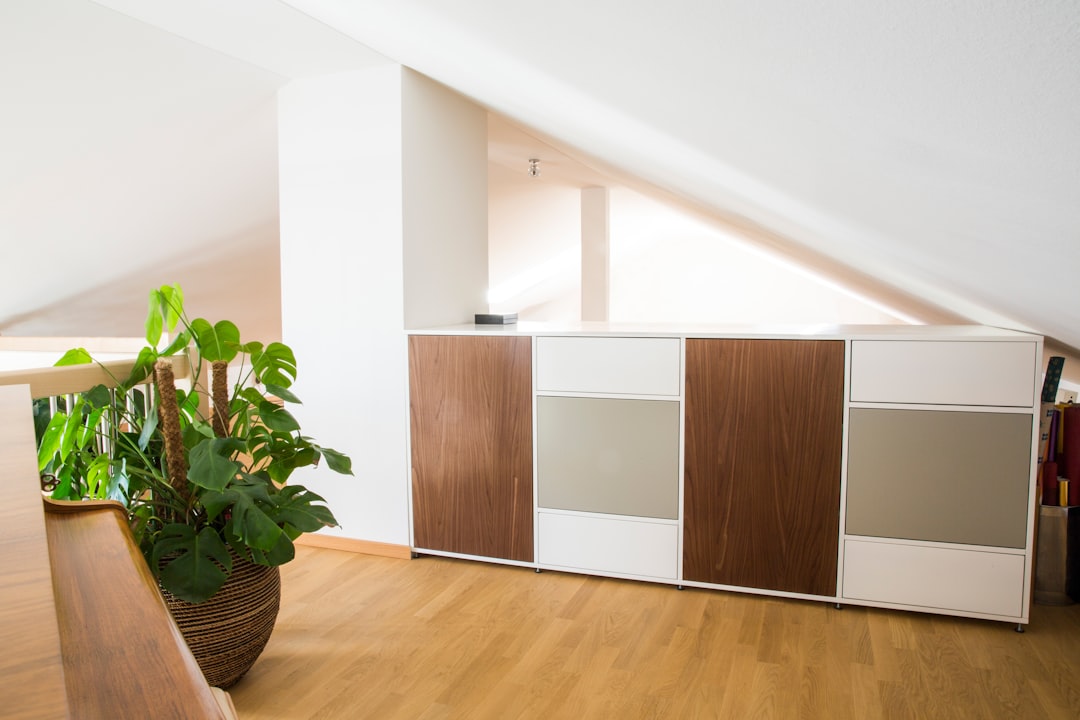
The finish of a sideboard plays a crucial role in its durability and aesthetic appeal. Matte finishes hide fingerprints and scratches better, making them practical for households with children or pets. Glossy finishes, while striking, require frequent cleaning to maintain their shine and are more prone to visible smudges. Textured finishes, like brushed wood or stone-effect, add depth and character but can be harder to clean. Choosing the right finish depends on both the sideboard’s material and its intended use in the home.
Singapore’s humid climate demands materials that can withstand moisture without compromising on style. Sideboards placed in air-conditioned spaces fare better with materials like MDF or laminates, while those in naturally ventilated areas benefit from solid wood or treated surfaces. Humidity-resistant coatings, such as polyurethane or melamine, add an extra layer of protection. Buyers should also consider ventilation around the sideboard — placing it too close to walls or windows can trap moisture and accelerate wear. In many homes, balancing aesthetics with practicality means opting for materials that adapt to Singapore’s unique weather conditions.
In many Singapore homes, the sideboard doubles as a TV console — a practical choice, but one that often leads to overlooked ventilation needs. Buyers cram electronics into cabinets designed for crockery, then wonder why the TV overheats; it’s a common oversight in compact layouts where every centimetre counts. Sideboards with solid backs or narrow gaps between shelves trap heat, especially in humid climates — opting for perforated designs or leaving the back panel open can make all the difference.
Storage miscalculations are another frequent pitfall. Buyers gravitate toward sleek designs, only to realise they’ve underestimated how much they need to stash — think board games, extra crockery, or even barware in dual-function spaces. A sideboard with a mix of drawers and cupboards typically works better than one with uniform compartments; it’s easier to organise and access items without turning the cabinet into a clutter magnet.
Height mismatches with dining tables are subtler but equally frustrating. A sideboard that’s too tall or too short can throw off the visual balance in open-plan dining-living layouts, especially in condos where proportions matter. The rule of thumb is to align the sideboard’s height with the table’s surface or slightly lower — it keeps sightlines clean and ensures the space feels cohesive, not disjointed.
Material choice also trips up buyers. Rubberwood and MDF are popular for their affordability, but in humid Singapore, they’re prone to warping if not treated properly. Sintered stone or engineered wood tops are sturdier options, especially for sideboards that double as display surfaces — they’re easier to wipe down after accidental spills during family dinners or gatherings.
Finally, there’s the temptation to prioritise aesthetics over functionality. Sideboards with glass doors or open shelves look stylish, but they’re not always practical for hiding everyday clutter. In homes where storage trumps display, opting for solid doors or frosted glass might save buyers from constant tidying — a small adjustment that pays off in the long run.
" width="100%" height="480">Choosing the right sideboard light colour temperature: a practical guideA sideboard’s lighting can make or break its presence in a room — too warm, and it feels dated; too cool, it clashes with the rest of the décor. At Megafurniture’s Joo Seng and Tampines showrooms, you’ll find full-scale room simulations where you can test different lighting setups in real-world conditions. These setups mimic typical layouts in Singapore homes, from open-concept living-dining spaces to compact HDB bedrooms doubling as study areas. It’s the kind of detail that’s easy to overlook online or in a catalogue, but it’s crucial when you’re investing in a piece that’s both functional and decorative.
The showrooms let you experiment with adjustable LED strips, puck lights, and even downlights to see how they interact with the sideboard’s finish. A walnut veneer, for example, absorbs light differently than a lacquered white surface — something you’ll only notice when you’re standing in front of it. This hands-on approach helps avoid costly mistakes, especially if you’re pairing the sideboard with other furniture like a dining table or media console.
For buyers in landed properties or larger condos, the showrooms also offer insights into scaling lighting for bigger spaces. A sideboard in a 4-room BTO might only need subtle accent lighting, but in a 2,500 sqft penthouse, it might require bolder fixtures to anchor the room. The ability to see these differences firsthand — and tweak them on the spot — is a practical advantage you won’t get from online shopping.
Design-forward shoppers will appreciate the chance to test finishes and lighting combinations side by side. It’s one thing to imagine a brushed brass trim complementing a marble top; it’s another to see it under realistic room lighting. The showrooms take the guesswork out of these decisions, ensuring your sideboard doesn’t just fit your space — it elevates it.
Delivery trucks navigating HDB estates often face tighter schedules than landed properties — a sideboard arriving late might mean rescheduling for next week. Confirm delivery slots early, especially if you’re in a 4-room BTO with limited lift access or a landed home with narrow gates. Most furniture retailers, including Megafurniture, offer professional assembly; it’s worth considering for larger pieces like sideboards, where even a slight misalignment can throw off the entire room’s balance.
High humidity in Singapore can warp cheaper materials over time, so warranties matter. Look for coverage that includes moisture-related damage, particularly if your sideboard will sit in a dual-function dining-living space where temperature and humidity fluctuate. Megafurniture’s warranties often account for this, making them a practical choice for buyers in neighbourhoods like Tampines or Eunos, where humidity levels are higher.
Assembly isn’t just about convenience — it’s about precision. A sideboard’s drawers and doors need to align perfectly for smooth operation, something DIY efforts can struggle with. Professional assembly ensures everything fits snugly, from the rubberwood frame to the sintered stone top. It’s a small investment that saves hours of frustration and potential damage to your new piece.
Warranties also cover wear and tear, which is crucial for sideboards doubling as media consoles or bar cabinets. Scratches, dents, or finish issues can crop up over time, especially in homes with kids or pets. Check the fine print; some warranties exclude accidental damage, while others offer more comprehensive protection. It’s one of those details that feels minor until you need it.
Can sideboards double as TV consoles in Singapore homes? Absolutely — and they often do. In many landed properties and larger condos with dual-function layouts, sideboards offer a sleeker alternative to bulky TV consoles. Their height, typically between 75–90cm, aligns perfectly with wall-mounted TVs, while the top surface accommodates soundbars or decorative accents. Just ensure there’s enough ventilation for electronics — solid wood backs might need vents cut into them.
How do you clean wooden surfaces in Singapore’s humidity? Humidity here can warp untreated wood, so regular maintenance is key. Wipe down surfaces weekly with a microfiber cloth dampened with water or a mild wood cleaner; avoid soaking the surface. For deeper cleaning, use a wood-specific polish every two months — it’ll help seal the surface against moisture. Keep sideboards away from direct sunlight or aircon vents, as sudden temperature changes can cause cracking.
What’s the ideal material for a sideboard in humid conditions? Solid wood looks stunning but requires more upkeep; engineered wood or laminates are more forgiving in Singapore’s climate. Rubberwood, a common choice here, offers durability and affordability, while teak resists humidity better but comes at a higher price point. If you’re set on solid wood, consider treating it with a moisture-resistant sealant — it’s a small investment that’ll save headaches down the line.
Any tips for organising a sideboard that doubles as a TV console? Stick to closed storage for unsightly cables and routers — drawers or cabinets keep clutter hidden. Open shelves can display books or decor, but avoid overcrowding; a minimalist approach works best in compact spaces like 4-room BTO living rooms. If you’re storing media equipment, measure the interior depth to ensure everything fits comfortably.
In many landed properties across Bukit Timah, homeowners measure twice and buy once — but even then, they often underestimate how much space a sideboard really occupies. A typical 180cm unit might fit perfectly along a wall in a showroom, only to overwhelm a 4-room BTO dining area with its bulk. Measure not just the wall length but also the clearance needed for drawers and doors to open fully — around 60cm is safe, though compact layouts might manage with 45cm if you’re careful.
Light temperature is another detail that’s easy to overlook until it’s too late. Warm white (2700K–3000K) works well in dining areas, casting a cosy glow over meals, but it can clash with cooler LED strips in modern living rooms. Test bulbs or LED strips in the actual space before committing; what looks neutral in a showroom might skew yellow or blue under your existing lighting.
Material quality is where buyers often compromise, but it’s worth inspecting closely. Rubberwood sideboards are affordable and durable, but they’re prone to warping in Singapore’s humidity if the finish isn’t properly sealed. Solid wood options like teak or oak are sturdier but come with a higher price tag, typically around $1,200 to $2,400 for a mid-range piece. Run your hand along the edges and corners — rough spots or uneven seams are red flags.
Finally, consider how the sideboard will age in your space. A glossy finish might look striking under showroom lights, but it’ll show every fingerprint in a busy household. Matte finishes hide wear better, though they can look dull in dimly lit rooms. Take your time with these details — rushing the final decision is how you end up with a piece that’s functional but falls short of elevating your space.