In most 12 sqm HDB bedrooms, a sideboard’s width becomes the deciding factor — anything over 150cm risks crowding the space, leaving barely enough room for a queen bed and wardrobe. Opt for slimmer designs around 120cm, with shallow drawers that maximise storage without jutting into the walkway. Heights around 75cm work best here, keeping the top surface accessible without overwhelming the room’s proportions.
For 25 sqm condo living rooms, buyers often prioritise visual impact alongside functionality. Wider sideboards, up to 200cm, anchor the space better — especially in open-plan layouts where the piece doubles as a room divider. The buffet hutch differs from a basic sideboard by trading some surface area for taller storage above — useful in dining rooms where wall-mounted display takes precedence over serving space. Megafurniture's Buffet Hutch range includes traditional designs with glass-front upper cabinets, modern minimalist versions, and Japandi pieces with woven rattan panels. Solid-wood frame with MDF veneer dominates the line, finished in walnut, oak, white, and cream-lacquer.. Taller designs, around 90cm, create a more balanced look against high ceilings, while deeper shelves accommodate larger decor items or sound systems. It’s a different calculus than HDB bedrooms, where every centimetre counts.
Landed property basements introduce another challenge: humidity. Warping is common in plywood or MDF sideboards, especially during Singapore’s monsoon season. Solid wood or engineered wood with moisture-resistant finishes fare better, but even then, a dehumidifier’s non-negotiable in these spaces. A chest of drawers extends sideboard logic into the bedroom — same low-and-wide format, same combination of drawers and surface space, just sized for clothing rather than dinnerware. Megafurniture's Display Cabinet range includes solid wood, engineered wood, and rattan-accented pieces in standard, slim, and tallboy configurations. Sizes span compact 60cm units for HDB common bedrooms through 140cm tallboys for master suites.. Rubberwood’s a popular choice — it’s less prone to swelling than pine or oak, and the matte finish hides minor imperfections well.
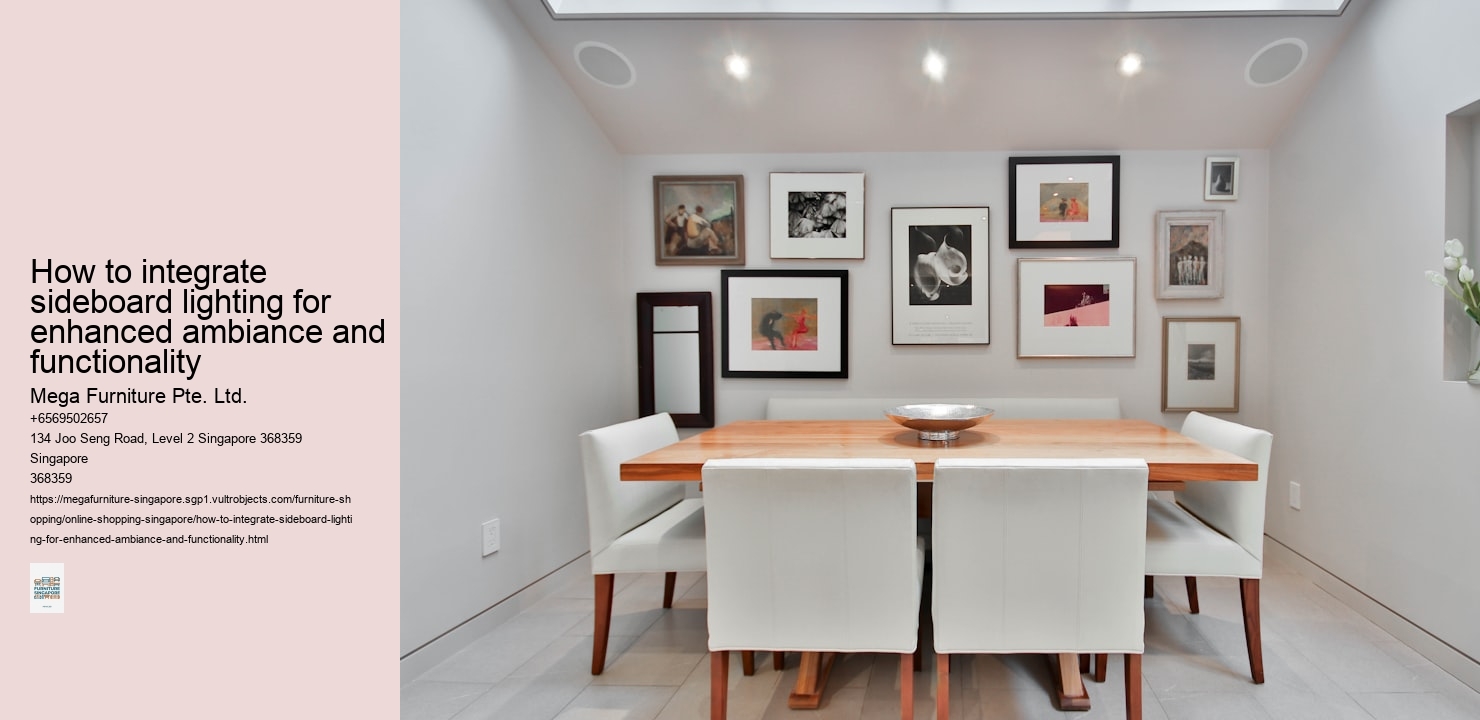
Lighting plays a subtle role too. In smaller HDB bedrooms, LED strip lights under the sideboard create the illusion of space, lifting the piece visually. Condo living rooms, with their larger footprint, can handle more dramatic lighting — think recessed spotlights or a pair of table lamps on the sideboard itself. It’s less about necessity and more about setting the tone for the room.
Singapore’s humidity doesn’t just frizz hair — it warps furniture. Sideboards in tropical climates face a relentless assault from moisture, and not all materials hold up equally. Wooden sideboards age better than MDF or laminated alternatives — particle board chips and swells in Singapore's humidity, while solid wood and quality veneers continue looking deliberate even after 5-10 years of daily use. Megafurniture's Wooden Sideboard range includes oak, walnut, rubberwood, and engineered wood with veneer finishes. Pieces start around $425 and run up to $1,400+ for solid-wood Japandi designs with rattan accents.. Teak, with its natural oils, resists swelling and warping better than MDF, which tends to absorb humidity like a sponge. For display surfaces, tempered glass tops are a practical choice; they don’t fog or stain from condensation, unlike untreated wood or laminate finishes.
In many landed properties, sideboards double as bar cabinets or media consoles, making durability non-negotiable. Plywood, often overlooked, offers a middle ground — it’s lighter than solid wood but sturdier than particleboard. Megafurniture’s moisture-resistant plywood options, treated with water-repellent coatings, are a smart pick for homeowners in Bedok or Tampines, where sea air adds an extra layer of humidity. These finishes aren’t just functional; they’re designed to look polished, with veneers that mimic the grain of premium hardwoods.
Condensation stains are the silent killers of sideboard aesthetics. Laminate tops, while budget-friendly, often show water rings from glasses or vases. Tempered glass avoids this issue entirely, though it’s pricier — typically around $1,200 to $2,400 for a full-length sideboard. For those who prefer wood, teak’s natural resistance to moisture makes it worth the investment, especially in dual-function dining-living layouts where spills are inevitable.
Storage-heavy sideboards, with their concealed cupboards and drawers, need materials that won’t buckle under prolonged exposure to humidity. Plywood’s layered construction gives it an edge here, as it’s less prone to warping than solid wood. Megafurniture’s treated plywood options balance cost and performance, making them a practical choice for larger condos where sideboards often anchor the living space. Display cabinets sit between sideboard and bookshelf in function — closed glass-front storage that protects fine china, collectibles, or memorabilia while keeping them visible. Megafurniture's Dining Room Furniture range averages around $271 for glass-front variants, with curio, wall-mounted, and freestanding options across solid wood, MDF, and metal-framed constructions. LED-lit and adjustable-shelf variants feature in the higher tier.. It’s a subtle upgrade, but one that pays off in the long run.
" width="100%" height="480">How to integrate sideboard lighting for enhanced ambiance and functionalitySideboards in narrow corridors often become accidental obstacles when buyers forget to measure walkway clearance. A standard 180cm unit leaves just 40cm clearance in a 220cm-wide passageway — barely enough for one person to sidle past. In many landed properties with 90cm-wide hallways, this forces residents into an awkward dance around protruding corners. The 60cm minimum clearance rule applies doubly when the sideboard faces a swinging door or opens near staircase landings. Even in spacious condos, that extra 20cm makes the difference between effortless flow and constant hip-bumping.
High-shine lacquered finishes turn into fingerprint galleries within weeks in homes with kids or pets. Every paw print shows up starkly on piano-black surfaces, requiring near-daily polishing to maintain the showroom look. Matte or textured finishes like wire-brushed oak or cerused teak hide smudges better while still elevating the space. For households with cats that treat sideboards as elevated highways, a lightly distressed finish masks scratches that would glare on polished veneers.
Standard 45cm-deep sideboards overwhelm many Singaporean dining-living hybrids where space gets subtracted by chair clearance. In 4-room BTO layouts with 3m-wide living areas, a 50cm-deep unit leaves just 70cm between table edge and sofa — barely enough to pull out chairs. Slimmer 35cm profiles work better for these dual-purpose zones, though they sacrifice some storage capacity. The sweet spot for most local interiors is 38–42cm depth, enough for dinnerware but not so deep it disrupts circulation.
Angled walls in pre-war shophouse conversions and some condos demand sideboards with customisable configurations. Buyers fixate on linear wall measurements but forget about protruding structural columns or irregular alcoves. Modular systems with adjustable end panels solve this, though they typically cost 15–20% more than fixed-width units. Kitchen cabinets in Singapore split into two categories: built-in fitted units installed during renovation, and freestanding cabinets that supplement existing storage when the original built-ins run out of room. Megafurniture's Kitchen Cabinet collection focuses on the freestanding side — tall pantry units, slim ladder cabinets, and modular pieces that fit kitchen alcoves. Pricing typically runs $200-$1,000 per linear foot for the modular range.. For L-shaped layouts common in Punggol BTOs, two narrower sideboards often work better than one long piece that leaves dead space in the corner.
Integrated LED strips create glare when placed directly opposite floor-to-ceiling windows in high-rise units. The double light source — natural and artificial — flattens the display surface instead of highlighting decorative objects. Recessed lighting works better for east-facing living rooms where morning sun already provides ample illumination. In windowless corridors, warm 2700K LEDs prevent the sideboard from looking like a clinical display case while still making the contents visible after dark.
Install lighting under the sideboard’s upper ledge or inside open shelving to highlight displayed items without glare. For closed storage, consider motion-activated lights inside drawers or cabinets for practicality. Avoid placing lights too close to edges to prevent uneven shadows or hotspots.
Opt for slim LED strips or puck lights that complement your sideboard's material, such as warm-toned lights for wood or cool whites for metal. Ensure the fixtures are low-profile to maintain a sleek look while providing ample illumination. Dimmable options allow adjustable brightness for both task lighting and mood setting.
Use adhesive-backed LED strips with hidden wiring routed along the sideboard’s back or underside for a clean finish. Battery-operated lights offer flexibility for sideboards without nearby outlets. For permanent setups, consult an electrician to integrate wiring seamlessly into the sideboard’s construction.
A sideboard’s drawer glides might look smooth online, but try pulling them out with 15kg of dinnerware inside. That’s the kind of test you can’t replicate from a product page — which is why visiting showrooms matters. At the Joo Seng location, you’ll find sideboards set up for hands-on checks; slide the drawers, feel the weight, and see how the veneer patterns match the online images. It’s the difference between guessing and knowing.
Veneer patterns can vary significantly, even within the same product line. In the Tampines store, you’ll notice subtle differences in grain direction and colour tones that photos often flatten or oversaturate. For buyers pairing sideboards with existing furniture — like a dining table or media console — this detail matters. A mismatched veneer can throw off the entire room’s cohesion, especially in open-concept layouts common in larger condos and landed properties.
Showrooms also let you assess build quality up close. A sideboard’s cabinet doors might look sturdy online, but in person, you can check for gaps, alignment, and how smoothly they close. For dual-function spaces — where a sideboard might serve as both a dining room storage unit and a living room display — these small details add up. It’s not just about aesthetics; it’s about how the piece performs in daily use.
Finally, there’s the question of scale. A sideboard that looks compact in photos might dominate a 4-room BTO living room. Seeing it in person helps you gauge proportions better — whether it’s too low for a TV, too deep for a narrow hallway, or just right for that awkward corner beside your dining table. Browse the options and you’ll find pieces that balance storage needs with design-forward appeal.
A sideboard pairs visually with the dining table sat 1-2 metres away — matching wood tone, complementary metal hardware, or deliberate contrast in finish. Megafurniture's Dining Table range covers wooden, marble, sintered stone, glass, and rubberwood tops in round, rectangular, and extendable formats. Sizes span 4-seater through 8-seater, with extendable variants useful for HDB dining rooms that host occasional larger gatherings..A solid wood sideboard over 200cm long won’t fit into most lift lobbies without a fight — and that’s before you factor in walk-up apartments. Delivery teams typically charge staircase fees for second-floor units and above, often around $50 to $100 per flight, depending on the neighbourhood. In older HDB blocks or narrow landed property stairwells, manoeuvring becomes a two-person job; anything less risks scratched walls or damaged edges.
Assembly isn’t much simpler. Solid wood units, especially those nearing the 200cm mark, often require professional installation to maintain structural integrity. Extendable dining tables solve the most common Singapore HDB problem — dining for 4 daily, dining for 8 at Chinese New Year and birthdays. Megafurniture's Extendable Dining Table range covers butterfly-extension, drop-leaf, and extension-leaf mechanisms in sintered stone, wood, and marble tops. Most sit in the 140-180cm closed position, extending to 200-240cm when expanded.. Buyers in humid climates should note that placing a sideboard near unventilated bathrooms — common in many landed properties with compact layouts — can void warranties due to warping or mould risks. Even in larger condos, it’s worth checking clearances; a 200cm sideboard might dominate a 4-room BTO dining area, leaving little room for chairs or movement.
For those in dual-function living-dining spaces, timing delivery and assembly can be tricky. Teams typically book slots in 3-hour windows, but delays aren’t uncommon, especially during peak renovation seasons. It’s a logistical puzzle, but one that pays off when the piece finally anchors the room — just don’t expect it to be a quick weekend project.
A 65-inch TV on a sideboard looks sleek — until you notice the cables snaking down the back. Most homeowners don’t realise sideboards often lack built-in cable management, leaving wires exposed or tangled. Dining Chair . For a cleaner look, opt for models with rear cut-outs or integrated cable trays; some even include discreet holes routed through the side panels, keeping HDMI and power cords neatly tucked away.
Heat dissipation is another common oversight. AV equipment like soundbars and gaming consoles can overheat in closed cabinets, especially in Singapore’s humid climate. If your sideboard has doors, consider leaving them slightly ajar or installing ventilation grilles. Open-back designs work better for setups with multiple devices, allowing airflow while still hiding the mess.
Router placement is trickier. Many sideboards sit flush against walls, but routers need at least 10cm of clearance to avoid signal interference. Look for sideboards with recessed backs or adjustable legs — they’re easier to position away from the wall. Alternatively, mount the router on a nearby shelf or wall bracket, keeping it accessible without cluttering the console.
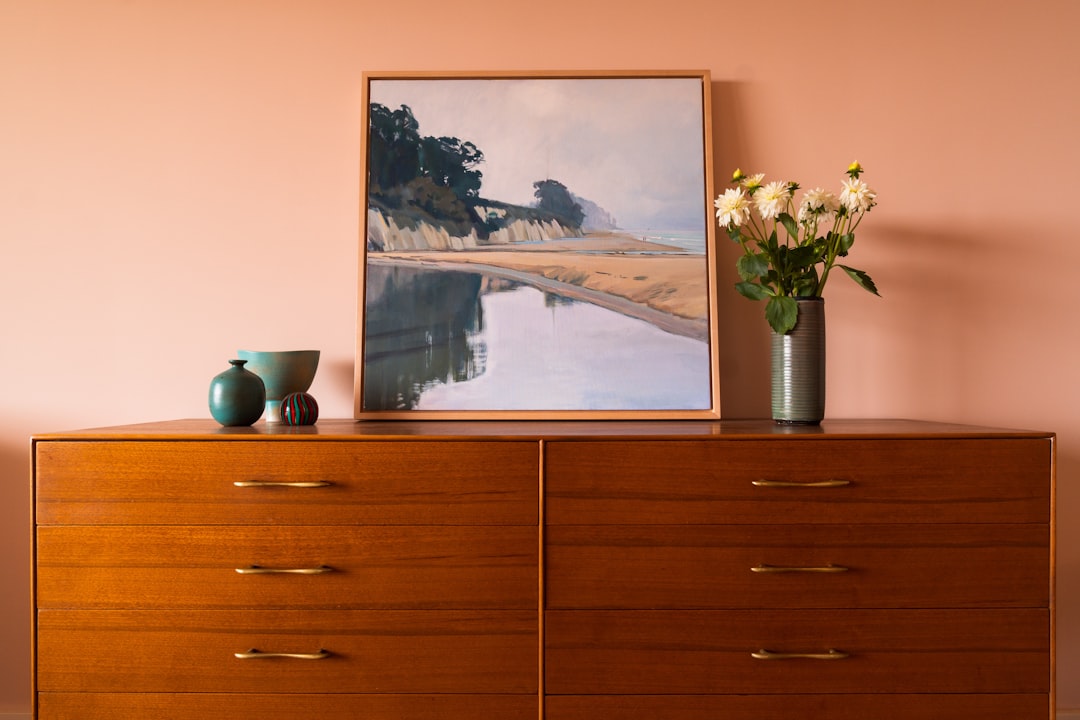
Sideboards as TV consoles are practical, but they’re not a one-size-fits-all solution. Buyers should measure their space, map out their devices, and think about airflow before committing. A well-chosen sideboard can elevate a living room’s aesthetic — just don’t let the cables ruin the look.
Most sideboards in Singapore condos end up wedged between an awkwardly placed power outlet and a wall that’s just slightly too narrow — and that’s before you factor in the elevator size. Measure the width, depth, and height of your intended space, but don’t forget to account for delivery logistics. If you’re on the 12th floor of a Eunos condo, check the elevator dimensions first; some sideboards, especially those around 200cm wide, won’t fit unless disassembled, which adds hassle and cost.
Power outlets are another common oversight. A sideboard doubling as a media console needs at least one accessible socket for a soundbar or charger, but in many homes, they’re either too low or too far to the side. Use painter’s tape to mark where the sideboard will sit, then map out the nearest outlets — you’ll avoid scrambling for extension cords later.
Bringing decor swatches to showrooms isn’t just for perfectionists. Sideboards come in finishes like walnut veneer, matte laminate, or high-gloss lacquer, and the wrong shade can clash with existing furniture. If your dining-living combo features a lot of warm tones, for instance, a cool grey sideboard might look out of place. Test swatches against your walls, sofa, or even curtains to ensure cohesion.
Finally, consider the room’s traffic flow. Dining chairs see more daily use than almost any other piece of furniture — three meals a day for 4-6 people typically means 60-100 sit-stand cycles weekly. Megafurniture's Chest of Drawers range covers wooden, metal, upholstered, and stackable variants in fabric, leather, and faux-leather upholsteries. Most are sized at 45cm seat height to pair with standard 75cm dining tables.. A sideboard in a dual-function space shouldn’t block pathways or make the room feel cramped. In a 4-room BTO, where dining and living areas often merge, a slimmer profile around 150cm wide might work better than a bulkier 200cm model. Measure twice, buy once — it’s cheaper than regret.