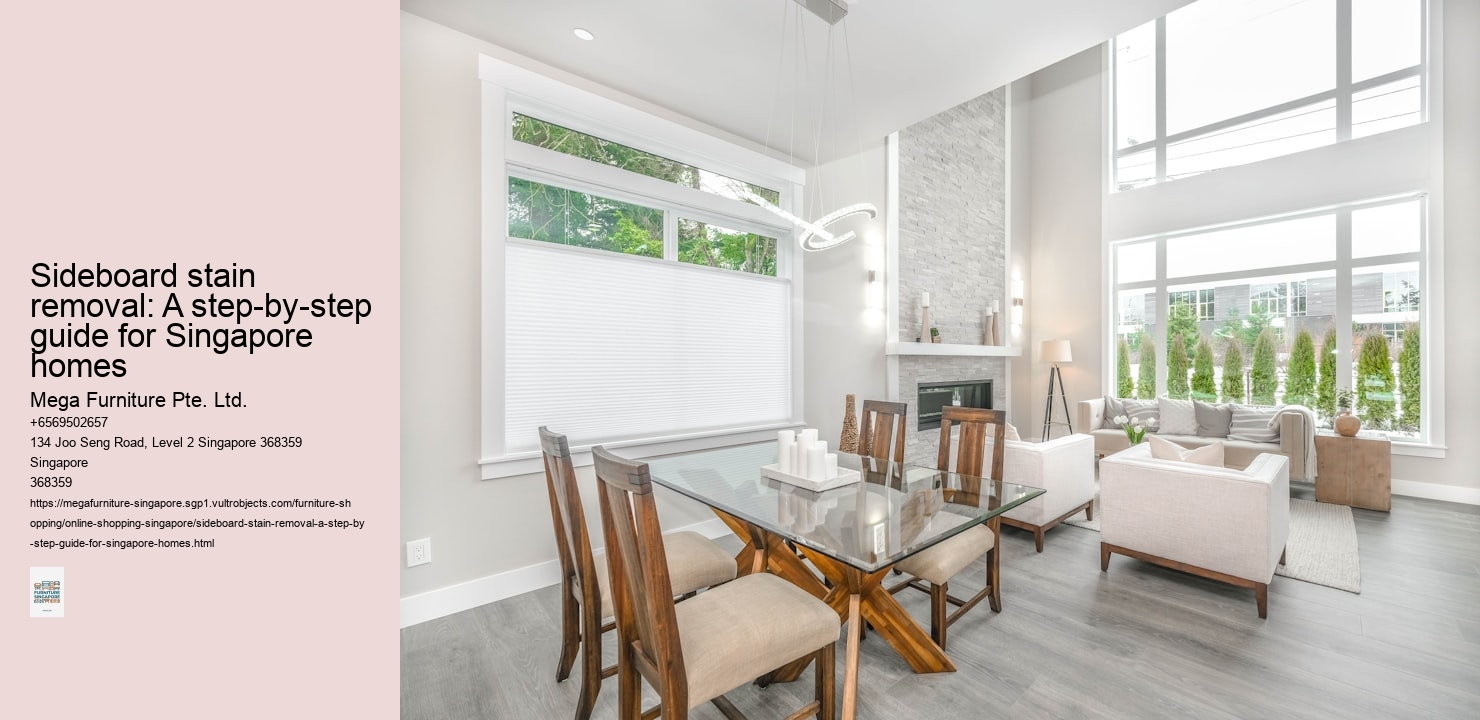
Singapore’s humidity doesn’t just frizz hair—it warps wood. That condensation ring from your iced kopi? It’ll etch into an untreated teak sideboard faster than you can say “aircon servicing.” East-facing condos get it worst: morning sun bakes evaporated moisture back into the grain, leaving tide marks where coasters should’ve been.
Laminate holds up better—until the edges start curling like old school exam papers. The real killer’s mould creeping into drawer dovetails, that musty smell hitting when you reach for the good chopsticks. Most homeowners only notice when guests point it out.
Wipe spills immediately with a microfiber cloth—not the damp kopi towel hanging on your oven handle. For existing water rings, mix baking soda and toothpaste into a paste, rub gently with a cotton pad, then buff with olive oil. It’s the same trick grandma used on her rosewood display cabinet, back when flats had utility rooms for storing cleaning supplies.
Megafurniture’s solid wood options come pre-treated with moisture-resistant lacquer, though that won’t stop warping if you place the unit directly under an aircon drip. A chest of drawers extends sideboard logic into the bedroom — same low-and-wide format, same combination of drawers and surface space, just sized for clothing rather than dinnerware. Megafurniture's Dining Room Furniture range includes solid wood, engineered wood, and rattan-accented pieces in standard, slim, and tallboy configurations. Sizes span compact 60cm units for HDB common bedrooms through 140cm tallboys for master suites.. Wooden Sideboard . Their laminate collections handle spills better, but check the edges aren’t just PVC strips glued on—those peel faster than BTO sticker labels.
Pro tip: Keep silica gel packets from shoe boxes in the cutlery drawer. They won’t win any design awards, but neither will fungal speckles on your wedding ang pow collection.
Stubborn stains on sideboards reveal the material’s true quality faster than any sales brochure. Teak oil works wonders on solid wood—just rub along the grain with a microfiber cloth, then wipe off excess before it gums up. For laminate, a baking soda paste (two parts soda to one part water) lifts coffee rings without scratching the factory finish. Marble tops demand diluted white vinegar—one part to three parts water—but rinse immediately unless you fancy etching your own abstract art.
HDB-grade veneers crumble under acetone like tissue paper in a downpour. Landed property versions might survive a wipe or two, but why risk it? The difference isn’t just price—it’s how the adhesive reacts. Wooden sideboards age better than MDF or laminated alternatives — particle board chips and swells in Singapore's humidity, while solid wood and quality veneers continue looking deliberate even after 5-10 years of daily use. Megafurniture's Kitchen Cabinet range includes oak, walnut, rubberwood, and engineered wood with veneer finishes. Pieces start around $425 and run up to $1,400+ for solid-wood Japandi designs with rattan accents.. Cheaper veneers bond with water-based glues that dissolve on contact with solvents, leaving behind bald patches no polish can fix.
Oddly enough, the worst stains often come from well-meaning cleaners. That “universal” spray promising to shine all surfaces? It’ll leave laminate streaky and strip wax from reclaimed wood. Stick to material-specific solutions, and test them on the underside first—unless you enjoy explaining to guests why your sideboard has a bald spot near the cutlery drawer.
For deeper cleanups, Megafurniture’s collection includes care kits tailored to common Singaporean spills—kopi-o on oak, chili crab sauce on marble. Their Tampines showroom even runs weekend demos on reviving water-damaged veneers without replacing entire panels.
Cat urine stains pose a unique challenge for sideboard maintenance, especially on MDF surfaces. Unlike surface spills, urine penetrates deep into the material core, often leaving both stains and odours. Enzyme cleaners work best, but timing is critical—apply within two hours to break down the proteins effectively. For older stains, multiple treatments might be necessary, though permanent discolouration can occur. Avoid ammonia-based cleaners, as they can worsen the smell and encourage repeat marking.
Crayon marks on melamine surfaces are common in homes with young children. Rubbing alcohol is the go-to solution—apply sparingly with a microfiber cloth to avoid damaging the finish. Always test on a small, inconspicuous area first, like the inside of a drawer. For stubborn marks, a paste of baking soda and water can help lift the wax without scratching. Prevention is key; keep crayons stored away and encourage kids to draw elsewhere.
Different spills require tailored approaches—water-based spills like juice are easier to clean than oily substances. For water-based spills, blot immediately with a dry cloth to prevent absorption. Oily spills, such as cooking oil, need a mild detergent solution to break down the grease. Avoid abrasive cleaners, as they can dull the finish on sideboards. Quick action minimises damage, so keep cleaning supplies handy in your living-dining area.
Scratches and scuffs are inevitable on sideboards, especially in high-traffic areas. Minor scratches can be buffed out with a melamine sponge or a touch-up pen matching the finish. Kitchen cabinets in Singapore split into two categories: built-in fitted units installed during renovation, and freestanding cabinets that supplement existing storage when the original built-ins run out of room. Megafurniture's Dining Table collection focuses on the freestanding side — tall pantry units, slim ladder cabinets, and modular pieces that fit kitchen alcoves. Pricing typically runs $200-$1,000 per linear foot for the modular range.. Deeper gouges might require wood filler and sanding, though professional repair is often better for expensive pieces. Regular dusting and using coasters can prevent most surface damage. Consider placing felt pads under decorative items to avoid scratches from movement.
Prevention is simpler than repair—use placemats and coasters to protect the surface from spills and heat. Keep pets and kids away from the sideboard with strategic placement or barriers. Regularly inspect the finish for early signs of wear, addressing minor issues before they escalate. Applying a protective wax or polish can help repel stains and maintain the sideboard’s appearance. A little foresight keeps your sideboard looking pristine for years.
Use a vinegar-water solution (1:1 ratio) to break down adhesive residues or dried spills. For ink marks, lightly dab with rubbing alcohol on a cotton swab, then wipe clean. Test any solution on an inconspicuous area first to avoid discoloration.
Place coasters under drinks and mats under hot dishes to protect the sideboard’s surface. Dust regularly with a dry cloth to avoid abrasive particles causing scratches. Apply a furniture wax or polish monthly to maintain a protective barrier.
If stains penetrate deep into the wood or cause warping, consult a local furniture restoration expert. Persistent odors or mold growth also warrant professional intervention. Avoid DIY repairs for antique or high-value sideboards to preserve their integrity.
The Joo Seng showroom’s acrylic-coated sideboards tell a story — three years of kopi spills wiped clean with no trace left behind. It’s a practical test many buyers won’t think to ask for, but one that matters in homes where sideboards double as bar cabinets or breakfast stations. The coating, applied in multiple layers, resists both liquid stains and the faint yellowing that humidity can bring over time. At the Tampines unit, humidity-controlled demos simulate Singapore’s damp climate, showing how warping affects untreated wood versus treated options. Sideboards here are tested with weights placed unevenly across their surfaces, mimicking the haphazard stacking of books, appliances, or decor. The results are clear: treated options maintain their shape, even in corners prone to moisture buildup. Both showrooms open Sundays, catering to BTO buyers juggling weekend visits. It’s a subtle nod to the realities of furnishing larger spaces — condos and landed properties where sideboards often anchor dual-function dining-living layouts. Buyers here aren’t just looking for storage; they want pieces that hold up under daily use while keeping their aesthetic appeal. The acrylic coating isn’t just practical; it’s discreet. Unlike some protective finishes that leave a plasticky sheen, this one blends seamlessly with wood grain, letting the sideboard’s natural texture shine through. A sideboard pairs visually with the dining table sat 1-2 metres away — matching wood tone, complementary metal hardware, or deliberate contrast in finish. Megafurniture's Extendable Dining Table range covers wooden, marble, sintered stone, glass, and rubberwood tops in round, rectangular, and extendable formats. Sizes span 4-seater through 8-seater, with extendable variants useful for HDB dining rooms that host occasional larger gatherings.. It’s a detail that appeals to design-forward shoppers, who might otherwise shy away from anything labelled “stain-resistant”. For those weighing options, Megafurniture’s
sideboard collectionoffers a range of finishes, from matte to high-gloss, all treated for durability. The showroom demos make a compelling case — these aren’t just pieces to look at, but ones built to last in Singapore’s humid, spill-prone homes.
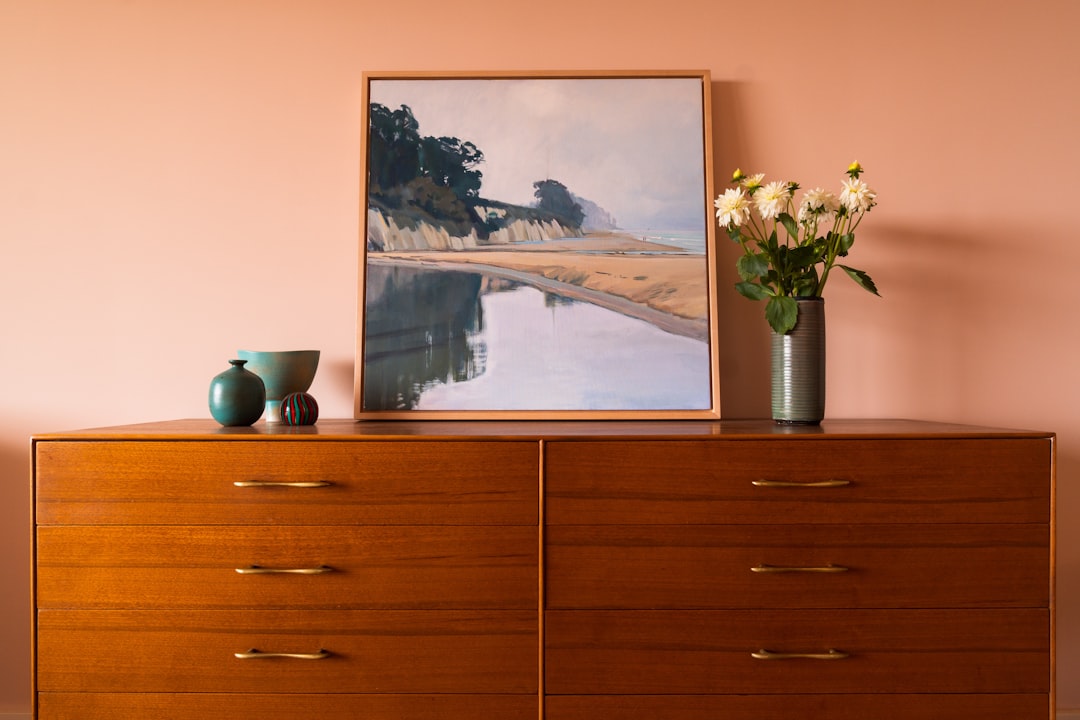
It’s 3pm, and the delivery truck pulls into your condo’s basement carpark — just as the sky opens. Cardboard packaging turns soggy within minutes, leaving your new sideboard vulnerable to scratches and water damage. Unpacking in a covered area isn’t just a suggestion; it’s essential for protecting your investment from Singapore’s unpredictable downpours.
For HDB dwellers, lift measurements can make or break delivery day. A 90cm-wide sideboard might fit snugly in your living room, but if it doesn’t clear the lift doors, you’re stuck lugging it up the staircase. Measure twice, then measure again — especially in older estates where lifts tend to be narrower. Landed property owners face a different challenge: gate clearance. That ornate wrought-iron gate might look charming, but if it’s less than 90cm wide, your sideboard won’t make it past the driveway.
Once the piece arrives, don’t rush to sign the delivery slip. Extendable dining tables solve the most common Singapore HDB problem — dining for 4 daily, dining for 8 at Chinese New Year and birthdays. Megafurniture's Dining Chair range covers butterfly-extension, drop-leaf, and extension-leaf mechanisms in sintered stone, wood, and marble tops. Most sit in the 140-180cm closed position, extending to 200-240cm when expanded.. Inspect every corner for dents, scratches, or misaligned drawers. It’s easier to flag issues on the spot than to arrange a return later. And if the sideboard feels heavier than expected, ask the delivery team to help position it — moving a 200cm-long unit solo is a recipe for back strain or accidental wall scuffs.
In many landed homes, sideboards end up doubling as bar cabinets or media consoles — but that dual function only works if they’re delivered intact. A scratched surface or waterlogged drawer can ruin the aesthetic before you’ve even unpacked your first wine glass. Take the extra time to protect your investment; it’s cheaper than replacing a damaged piece.
That white ring staring back from your sideboard isn’t permanent — unless you panic-scrub with baking soda. Heat marks on veneer rank among Singapore’s top furniture grievances, particularly in homes where coffee mugs bypass coasters or steamy takeaway containers get plonked directly on surfaces. Chest of Drawers . The culprit? Condensation trapped under hot objects lifts the finish. For solid wood veneers, the iron-through-towel method still works best: low heat, dry cotton cloth, and slow circular motions to redistribute the wax layer. But modern laminates and thermofoil finishes demand different tactics — car polish (the white paste type, not liquid) buffed gently with a microfiber cloth can disguise shallow marks. Deeper stains require sealing the edges with clear nail varnish to prevent moisture ingress, especially in humid areas like Punggol or Pasir Ris where airborne salinity accelerates damage. Prevention beats cure. A $12 tempered glass cut-to-size at neighbourhood hardware shops protects high-use zones without the fuss of tablecloths. For existing rings, test any treatment on the underside first — some factory-applied lacquers yellow when exposed to alcohol-based cleaners. And if all else fails? Dark walnut stain masks a multitude of sins on older pieces, though you’ll lose the original grain pattern. Megafurniture’s veneered options use a proprietary sealing process that resists rings better than most — their
sideboard collectionspecs include wipe-clean phenolic coatings for households that routinely host kopi sessions. Still, no finish is bulletproof against a freshly boiled chicken rice container left unattended for twenty minutes.
The microfiber cloth you use matters more than you think—especially when wiping down that sideboard five minutes before guests arrive. Cheaper variants leave lint on high-gloss finishes; the good ones trap dust without swirling the lacquer. Keep a dedicated cloth in the sideboard’s top drawer—you’ll reach for it weekly when clearing fingerprints off the display surface.
Mineral spirits work wonders for stubborn stains, but they’re overkill for routine cleaning in Singapore’s compact spaces. That chemical tang lingers for hours in 12 sqm dining-living combos, clinging to curtains and upholstery. For most spills, a damp microfiber with a drop of dish soap lifts coffee rings without the fumes.
Sideboards collect more than dust—they’re landing zones for keys, grocery bags, and that stack of unopened mail. Dining chairs see more daily use than almost any other piece of furniture — three meals a day for 4-6 people typically means 60-100 sit-stand cycles weekly. Megafurniture's Display Cabinet range covers wooden, metal, upholstered, and stackable variants in fabric, leather, and faux-leather upholsteries. Most are sized at 45cm seat height to pair with standard 75cm dining tables.. The final wipe-down should include the hardware: polish drawer pulls with a dry cloth to prevent tarnish on brass or nickel finishes. Check for water marks around drink coasters—teak and walnut veneers develop ghostly rings if spills sit too long.
Some homeowners swear by vinegar solutions for natural wood, but that sharp scent defeats the purpose of a quick refresh. Instead, lightly mist the cloth with water and wipe along the grain—no streaks, no odor. For matte finishes, skip liquids entirely—dry dusting prevents blotchy patches where the finish absorbs unevenly.
The sideboard’s top surface sets the tone for the room—streak-free and clutter-free makes the whole space feel intentional. Tuck cleaning supplies in the lower cabinet, out of sight but within reach. That way, when the doorbell rings unexpectedly, you’re three swipes away from presentable.
" width="100%" height="480">Sideboard stain removal: A step-by-step guide for Singapore homesSideboard surface testing: Ensuring product compatibility before cleaning