A sideboard wedged into a 12 sqm HDB master bedroom leaves exactly 55cm clearance along the bed—just enough to open drawers without bruising shins. That’s the tightrope walk of Singapore space planning: storage capacity versus walkway function. Modern builds compensate with thinner walls, but older flats still demand sideboards under 50cm depth unless you enjoy sidestepping like a crab.
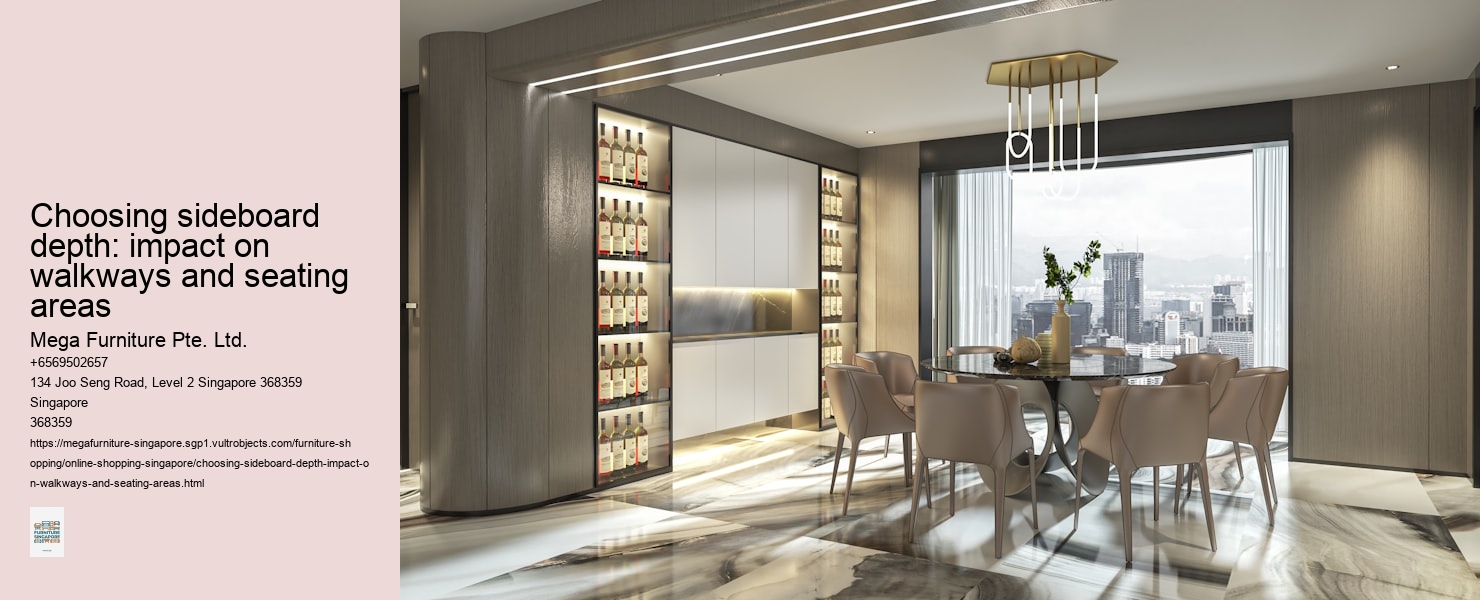
Condos fare better. Their 1.8m-wide dining zones allow 60cm-deep sideboards while keeping 90cm walkways—the minimum for two people to pass without turning sideways. Landed properties often squander this advantage by pushing sideboards against feature walls, creating dead space behind. Smart layouts float them between living and dining areas, turning what’s typically a backsplash into functional storage accessible from both sides.
Material choices heighten the effect. Glossy lacquer sideboards reflect light in narrow corridors, while open shelving versions disrupt sightlines less than solid cabinets. Rubberwood frames keep weights under 40kg—crucial for upstairs neighbours wary of structural loads.
The real test comes during festive seasons. That 45cm-deep sideboard holding everyday crockery suddenly needs to accommodate steamboat pots and tiered cake stands. Deep drawers help, but shallow cabinets with adjustable shelves adapt better to Singapore’s rhythm of compact daily living punctuated by occasional sprawl.
Megafurniture’s collection leans into this duality—sideboards with 42cm-deep upper cabinets over 55cm-deep bases. It’s a compromise that looks intentional rather than cramped, proving storage can coexist with circulation even in tight spaces.
Evaluating sideboard ventilation: preventing moisture damage in humid climates
Singapore’s humidity warps untreated wood within a year — that teak sideboard from the heritage furniture shop will start sticking to your floors by its second monsoon season. Moisture-resistant materials aren’t optional here; they’re the difference between a piece that lasts and one that becomes a breeding ground for mould along its seams.
Treated hardwoods like kiln-dried oak or sealed teak hold up better than raw timber, but check the finish isn’t just surface-level. Many laminates outperform solid wood in humid conditions — look for those with waterproof cores, though they’ll lack the grain variation buyers often want in a statement piece. MDF is common in budget options, but unless it’s sealed with melamine or lacquer, expect swelling around drawer joints within 18 months.
The real test is in the details. Run a finger along edges and corners — gaps in veneers or uneven sealing are red flags. Sideboards with metal legs fare better than full-wood bases; rust isn’t the issue here, but trapped moisture against flooring is. For open shelving units, powder-coated steel frames with glass shelves avoid the warping that plagues all-wood designs.
Some buyers assume tropical hardwoods are inherently safe, but even chengal needs proper treatment. That antique-style sideboard with intricate carvings? The crevices will collect condensation like a dehumidifier tray unless it’s been pre-sealed. Modern matte finishes tend to resist moisture better than glossy ones — another reason they’ve overtaken lacquered looks in newer developments.
For those prioritising longevity over aesthetics, marine-grade plywood sideboards exist, though they’re rare outside custom orders. More practical might be opting for modular designs where individual panels can be replaced if damage occurs — humidity rarely ruins an entire piece at once.
Standard 21-inch depths suit most layouts, but custom depths adapt to unique room shapes or furniture arrangements. Adjustments may be needed for open-concept spaces or narrow rooms. Always account for door swings and adjacent furnishings.
A depth of 16–20 inches works best near seating to avoid obstructing movement when chairs are pulled out. Deeper sideboards can overwhelm compact dining spaces, while slim profiles maintain accessibility. Prioritize legroom and visual harmony.
A sideboard depth of 18–24 inches ensures ample walkway space, preventing congestion in high-traffic areas. Deeper designs may encroach on pathways, while shallower units risk limited storage. Balance functionality with flow by measuring room dimensions beforehand.
A 22–26-inch depth accommodates serving dishes and drink stations without crowding guests. Ensure at least 36 inches of clearance between the sideboard and other furniture. Temporary layouts may allow deeper units for special occasions.
Many buyers underestimate the space needed for door swings — hinged doors typically require at least 50cm clearance. In compact layouts like 4-room BTO living rooms, this oversight can block walkways or limit furniture placement. Sideboards placed too close to doors often force awkward adjustments, like shifting dining chairs or narrowing pathways. Measuring door arcs before finalising sideboard depth ensures smooth movement and avoids costly rearrangements later. It’s a detail that’s easy to overlook but makes day-to-day living far more practical.
Sideboards positioned near seating areas can disrupt natural movement patterns in dual-function spaces. In many landed properties, sideboards placed between dining tables and sofas often force residents to navigate tight gaps. Optimal placement balances storage needs with clear pathways — typically 90cm to 120cm between furniture pieces. Buyers should test mock layouts with painter’s tape to visualise flow before committing. A well-planned sideboard enhances functionality without compromising accessibility.
Sideboards deeper than 50cm often intrude into walkways, especially in 12 sqm HDB common bedrooms. Shallow designs, around 35cm to 45cm, maintain storage capacity while preserving space. Buyers should prioritise vertical storage over depth — taller sideboards with multiple shelves maximise utility without encroaching on floor area. It’s a trade-off that requires careful consideration, particularly in homes where every centimetre counts.
Rubberwood and sintered stone are popular for sideboards, offering durability without excessive bulk. Lightweight materials like engineered wood reduce visual heaviness in smaller spaces, while performance finishes resist scratches and stains. Buyers should avoid overly ornate designs that dominate compact rooms — simpler profiles blend seamlessly into multifunctional layouts. The right material enhances both aesthetics and practicality.
Sideboard tops often double as display areas for decor or essentials, but overcrowding can make spaces feel cluttered. In dual-function dining-living layouts, keeping the top surface clear ensures it remains functional for daily use. Buyers should aim for a balance — enough space for a few curated items without sacrificing utility. Thoughtful styling transforms sideboards into both storage solutions and design statements.
The Megafurniture showrooms at Joo Seng and Tampines let you test-drive sideboards the way you’d actually use them — not just admire them in isolation. Walk around a display model with plates in hand to gauge if that 45cm depth leaves enough room to slide past dining chairs. Run fingers along the grain of rubberwood veneers or knock on sintered stone tops; online listings can’t convey whether a finish feels warm or clinical under Seng Kang’s afternoon light. Sideboards straddle the line between storage and display, so bring measuring tape and your clunkiest servingware. A 180cm width might fit perfectly along that empty wall in your Pasir Ris 5-room flat — until you account for the 60cm needed to fully open cabinet doors. Showroom lighting tends to be brighter than most HDB living rooms; squat down to check how the lower drawers look in shadow. Their Somnuz® mattresses get all the attention, but Megafurniture’s sideboard collection nails the practical details for Singaporean spaces. Look for models with recessed plinths that hide dust bunnies and toe-stubs in tight walkways. Some units include removable back panels — a lifesaver when routing TV cables through BTO drywalls. The Tampines location has a mock-up of a typical 4-room flat’s dining area, complete with a 90cm clearance zone around the table. Try sitting in the chairs while someone pretends to serve from the sideboard; you’ll quickly learn if 35cm is enough elbow room or if you’re constantly dodging swinging doors.
Their showroom staffwon’t hover, but they’ll fetch sample place settings if you ask. It’s the difference between imagining a wine rack’s capacity and watching them slot six actual bottles into the cubbies.
Delivery day for a sideboard often starts with the lift — or the stairs. In many HDB blocks, especially older ones built before 2000, lift doors measure around 80cm wide, which barely accommodates a standard 75–90cm tall sideboard. Narrower stairwells, particularly in corner units or landed properties, can complicate things further; it’s worth measuring both before committing to a purchase. Most retailers won’t refund or exchange for size-related delivery issues, so double-checking dimensions saves time and hassle.
Assembly services are typically included with larger furniture purchases, but it’s smart to confirm upfront. Some sideboards arrive flat-packed, requiring basic tools like a screwdriver and Allen key, while others come pre-assembled with only minor adjustments needed. If you’re opting for DIY assembly, clear space in the room beforehand — a 4-room BTO living room can feel cramped quickly when you’re manoeuvring around a 150cm-wide cabinet.
Humidity is a constant factor in Singapore, and it’s not just the air that’s damp. Floors, especially in ground-floor units or older HDB estates like Bedok or Tampines, can absorb moisture, affecting wooden furniture. Confirm warranty terms for humidity-related damage; some manufacturers cover warping or swelling within the first year, while others treat it as wear and tear. For peace of mind, consider sideboards made from treated rubberwood or engineered wood, which tend to withstand moisture better than untreated solid wood.
Delivery teams often work on tight schedules, so having a clear plan helps. If you’re coordinating multiple furniture deliveries, like a sideboard and dining set, aim for the same day to avoid multiple trips. And don’t forget the small details — a sideboard’s depth might fit your walkway, but its height could clash with ceiling-mounted lighting in tighter spaces. Measure twice, deliver once.
Does a 50cm depth sideboard fit HDB corridors? In most cases, yes — but it depends on the layout. Standard HDB corridors are around 90cm wide, leaving just enough clearance for walking past a 50cm sideboard. However, corner units or those with service yards might have narrower passages; measure before committing.
How to clean moisture-prone surfaces? In Singapore’s humidity, sideboards near windows or kitchens often develop mould or watermarks. For laminate finishes, wipe with a damp cloth and mild detergent weekly; avoid abrasive cleaners that strip the protective layer. Solid wood surfaces benefit from occasional polishing with a silicone-free product — it’s tedious, but it prevents warping.
What’s the ideal height for a sideboard in a dual-function dining-living space? Aim for 75cm to 85cm; it’s low enough to double as a serving surface during meals but tall enough to visually separate the dining and lounging areas. Anything higher risks feeling bulky in smaller layouts.
Should I prioritise drawers or cabinets? Drawers are better for organised storage — think cutlery, table linens, or tech accessories — while cabinets suit larger, irregularly shaped items. In many homes, a mix works best; just ensure the sideboard’s depth doesn’t overwhelm the room.
For homeowners with larger condos or landed properties, a 200cm-wide sideboard can anchor the space without crowding it. But in a 4-room BTO living room, stick to 150cm max — anything wider eats into seating areas or blocks natural light.
A sideboard that fits the walkway on paper might still catch sleeves when someone squeezes past the dining chairs — measure the clearance at hip height, not just floor level. Condo owners often forget to account for door swing; that 180cm sideboard won’t work if it blocks the balcony slider in your 4-room Punggol flat. Moisture resistance matters more than buyers think. Aircon condensation warps cheaper MDF boards within months, especially in humid east coast neighbourhoods like Bedok or Marine Parade. Look for rubberwood cores with proper sealing, or marine-grade ply if you’re placing it near a kitchen pass-through. Showroom lighting tricks the eye. What reads as “warm walnut” online might skew orange under your BTO’s cool LEDs — always inspect finishes in person. Megafurniture’s Tampines showroom keeps their sideboards staged with place settings and glassware, so you can judge how much depth you’ll actually lose to decorative objects. The best test? Bring a tape measure and your phone gallery. Photograph how 45cm of clearance looks behind dining chairs, then check the shots later when you’re not rushing. Sideboards linger in homes longer than sofas; it’s worth the extra trip to
verify proportionsbefore committing. Sales staff will nod at any measurement you quote. The ones worth trusting are those who ask about your flooring first — tile heights vary, and a 75cm sideboard on polished concrete becomes 77cm with underlayment.