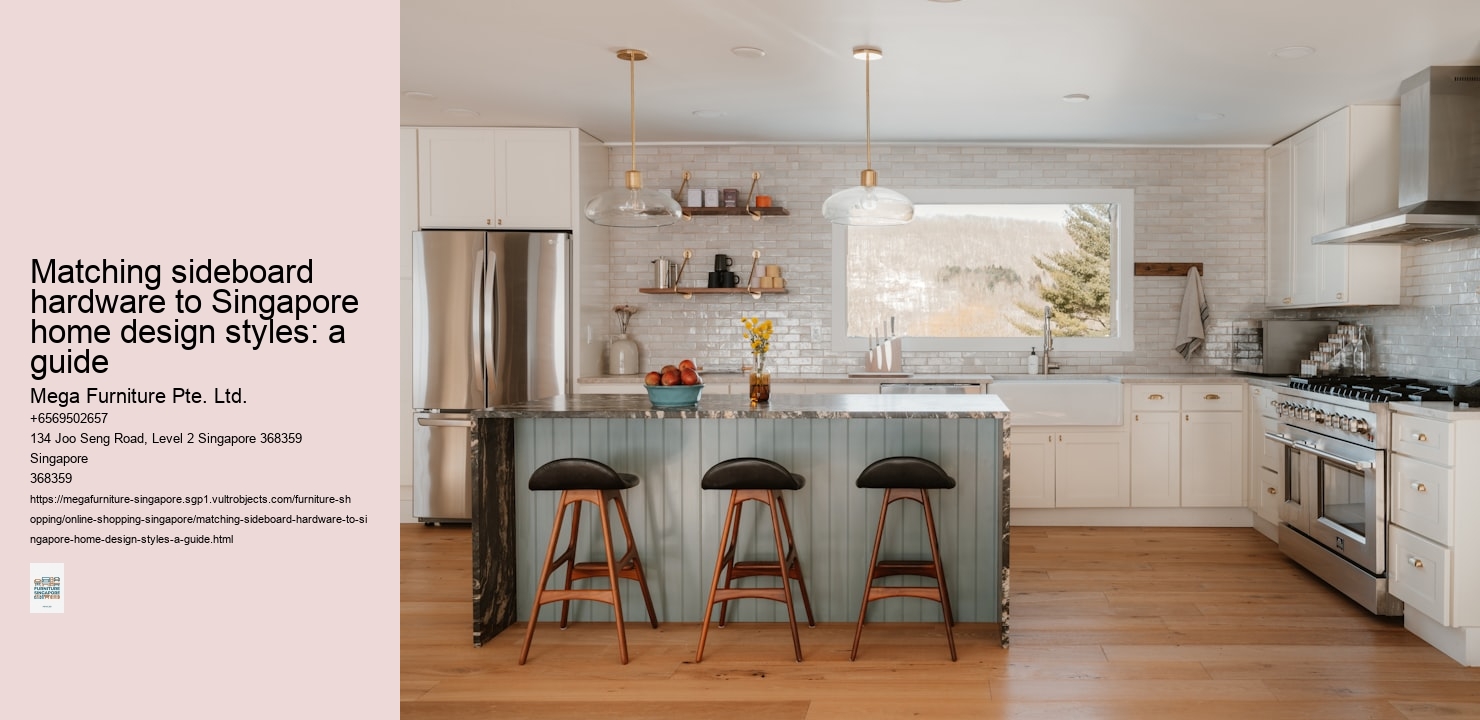
In a 4-room BTO flat with an open-plan layout, the sideboard often becomes the unsung hero — it’s where the wine glasses live, the router hides, and the PlayStation sits ready for a weekend marathon. These pieces, typically 150–200cm wide, fit neatly into 12–18 sqm living rooms, bridging the gap between dining and lounge areas with a practicality that’s hard to match. Surface heights of 75–90cm align perfectly with standard sofa arms, making them ideal for setting down drinks or displaying a few curated accents without disrupting sightlines.
Rubberwood and oak are common choices for sideboards in Singapore, offering durability and a warmth that complements the neutral palettes favoured in many condos. Hardware — think matte black handles or brushed brass knobs — can elevate a basic design, adding a touch of personality without overwhelming the space. For those leaning into a minimalist aesthetic, integrated handles or push-to-open mechanisms keep the look clean and streamlined.
Storage-wise, sideboards shine in dual-function layouts. Deep drawers can stash board games or extra table linens, while lower cabinets hide less photogenic essentials like charging cables or spare batteries. The top surface, often overlooked, is prime real estate for a bar tray or a small plant — a nod to form without sacrificing function.
In landed properties, where living rooms tend to be larger, sideboards can anchor the space visually, breaking up expansive walls without dominating the room. A well-chosen piece here might lean into bolder finishes — think walnut veneers or high-gloss lacquer — to make a statement without crowding the area. It’s a balancing act, but one that pays off in both style and utility.
Singapore’s humidity warps cheap plywood within a year—but that’s not the real problem. It’s the mould creeping into unfinished edges, the way drawer runners stick in August, the white crust blooming on bargain-bin handles. Synthetic wood laminates (think Wilsonart or Formica) hold up best here; they won’t bow like solid teak, though they’ll never develop that honeyed patina either.
Powder-coated steel handles are the quiet workhorses of sideboard hardware—matte black or brushed nickel finishes hide fingerprints while resisting the salt air drifting in from East Coast Park. Brass looks richer, sure, but only if you’re willing to polish it monthly; unlacquered versions tarnish to a murky green near windows. The real trap? MDF edges in homes with cats. One errant claw leaves a frayed crater no touch-up pen can fix.
Maintenance matters more than most buyers realise. That solid oak sideboard might look stately in a showroom, but it’ll need quarterly oiling to prevent cracks in our wet-dry cycles—fine for landed properties with live-in helpers, less so for condo dwellers who barely remember to water their snake plants. Laminates wipe clean with a damp cloth; their biggest flaw is the hollow sound when you knock on them, a dead giveaway they’re not the real thing.
Go for welded corners over glued joints—humidity loosens adhesive over time, leaving wobbly drawers. And skip the trendy rattan inserts unless you enjoy vacuuming mildew out of woven fibres every quarter. Some compromises are inevitable: what saves you from warping might lack warmth, what looks premium demands elbow grease. The trick is knowing which trade-offs you’ll actually live with.
Buyers often misjudge sideboard proportions, especially in compact spaces like 12 sqm HDB living rooms. A sideboard taller than 90cm overwhelms the room, making it feel cramped and cluttered. Conversely, narrower units under 150cm leave awkward gaps in larger condominium layouts, disrupting the flow. The trick is to measure twice—once for width, once for height—before committing. In dual-function dining-living spaces, a well-proportioned sideboard acts as a visual anchor without dominating the room.
Gloss laminate finishes might look sleek in showrooms, but they’re fingerprint magnets in high-traffic areas. In homes with kids or pets, matte or textured finishes hold up better and require less maintenance. Smooth surfaces also show scratches more easily, especially in humid Singapore climates where cleaning is frequent. For durability, consider finishes like powder-coated metal or solid wood veneers. They’re practical without sacrificing style, blending seamlessly with modern Singaporean interiors.
Sideboards without soft-close mechanisms are a daily nuisance, especially in open-plan layouts where noise carries. Drawers and cabinets that slam shut disrupt conversations or TV viewing, creating unnecessary tension. Soft-close hardware is a small upgrade that makes a big difference in daily usability. Look for sideboards with concealed hinges and smooth-gliding runners—they’re quieter and last longer. In homes with dual-function spaces, these details elevate both form and function.
Cheap particleboard might fit the budget, but it warps in Singapore’s humidity, leaving doors misaligned and drawers sticking. Solid wood or engineered wood options, like rubberwood or plywood, offer better durability and stability. They’re also easier to repair if scratched or damaged. For coastal homes in neighbourhoods like East Coast or Pasir Ris, moisture-resistant materials are essential. Investing in quality materials upfront saves headaches—and money—down the line.
A sideboard that clashes with the room’s aesthetic sticks out like a sore thumb. In modern Singapore homes, streamlined designs with clean lines work best, especially in dual-function spaces. Ornate handles or overly decorative details can feel dated and disrupt the flow. Stick to minimalist hardware and neutral finishes that complement existing furniture. A sideboard should enhance the room, not compete with it—subtlety is key.
Woven rattan or bamboo knobs bring organic warmth to sideboards in Singapore’s humid climate. These materials pair well with light wood finishes and indoor greenery. Choose hardware with textured surfaces to evoke a resort-like ambiance.
Bold iron or copper handles suit loft-style apartments with exposed brick or concrete. Look for distressed finishes or rivet details to emphasize raw aesthetics. These pieces anchor open-concept living spaces with urban edge.
Sleek stainless steel handles complement Singaporean homes with clean lines and neutral palettes. Opt for slim, geometric designs that enhance functionality without overwhelming the space. Matte black or brushed nickel finishes add subtle contrast to monochromatic interiors.
Intricately patterned ceramic knobs reflect Singapore’s heritage in colorful shophouse interiors. Hand-painted motifs in cobalt blue or emerald green add cultural flair. Pair with lacquered sideboards for a cohesive vintage look.
Singapore’s humidity warps particleboard sideboards within two years—unless they’re built for it. Megafurniture’s collections use rubberwood cores with moisture-resistant laminates, a practical choice for landed properties near coastal areas like Pasir Ris or Sentosa Cove where salt air accelerates wear. Their Tampines showroom displays units beside dehumidifiers running at 80% RH; after six months, drawer slides still operate without sticking. Pet owners know scratched legs ruin a sideboard’s lines. The textured oak and cerused walnut finishes hide claw marks better than high-gloss lacquers—a detail obvious when running a hand across samples at the Joo Seng location. For households with toddlers, the soft-close drawers (standard on over 80% of models) prevent pinched fingers during chaotic mealtimes. Space efficiency defines these designs. A 180cm unit fits standard 4-room BTO dining nooks while offering deeper drawers than most—28cm versus the typical 22cm—letting you stash placemats vertically. The lower profile (78cm tall) works under condo windowsills, leaving room for table lamps or trailing pothos plants. What you won’t find are flimsy back panels. Each piece uses 9mm ply rather than cardboard, crucial when loading servingware into corner units. Test this yourself: knock on any display model’s rear panel at the showroom—it echoes like a door, not a cereal box. Colour options skew practical. The taupe-grey stain disguises coffee splashes better than white oak, while the matte black hardware won’t show water spots in homes using these as bar cabinets. For serious buyers, it’s worth visiting to assess how the
brushed nickel handlescatch light at different angles—photos rarely do them justice.
Delivery teams will haul that 180cm solid wood sideboard up your landed property’s staircase—no extra charge, though they’ll pause at the third-floor landing to wipe their brows. HDB lifts must fit 200cm-long crates diagonally; if yours doesn’t, they’ll uncrate in the loading bay and hand-carry components. That’s why you’ll see delivery crews at Eunos and Bedok blocks at 7:30am, beating the lift queue.
On-site assembly isn’t just about screws—it’s aligning drawer glides so your cutlery doesn’t rattle during MRT pass-bys. DIY setups often leave 2–3mm gaps between cabinet doors; professional installers use laser levels to eliminate that telltale shadow line. They’ll also shim the legs if your Tampines flat’s 1980s flooring slopes more than 3 degrees.
Warranties cover 1 year for engineered wood, 3 for solid teak or oak. Extended plans add coverage for monsoon-related swelling—worth considering when your sideboard lives near a balcony or full-height window. Hardware like cup handles and drawer slides falls under the same terms; stripped screw holes get repaired, but wine stains on rattan webbing don’t.
Some buyers assume "free delivery" means midnight slots or Sunday arrivals. Trucks run 10am–6pm weekdays, with 2-hour SMS alerts. If you’re in a walk-up shophouse, they’ll call ahead to confirm parking—double-parking fines come out of your deposit.
That "assembly included" tag means they’ll dispose of packing materials too. Walk the crew to the trash chute; left in your corridor, those foam sheets become cat beds for the neighbourhood strays.
Measuring sideboard hardware performance: ease of use and longevity
Sideboards have quietly replaced TV consoles in many Singapore living rooms—but only the ones with proper cable cutouts avoid turning into a nest of tangled wires. Look for models with rear access panels or integrated channels; anything less and you’ll spend weekends wrestling with HDMI cables behind a half-tonne cabinet.
For bar setups, 85–90cm is the sweet spot—it aligns with standard counter stool heights while leaving room for decanters underneath. Go lower and you’ll hunch over cocktails; higher turns it into a awkward hybrid between bar and study desk.
HDB BTO owners often assume sideboards won’t fit, but units under 150cm wide slot neatly into 10–12 sqm living rooms. The trick is avoiding deep designs—45cm or less keeps walkways clear while still holding dinnerware or media gear.
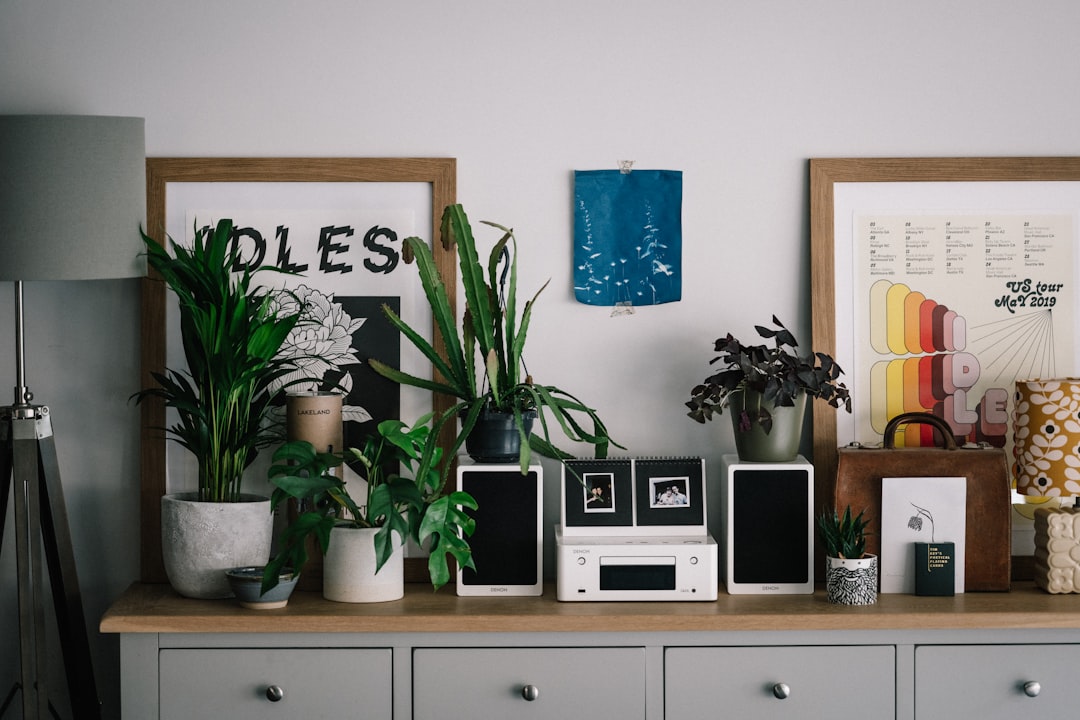
Humidity warps cheaper finishes within a season. Matte laminates handle moisture best, though some buyers swear by powder-coated metal legs for coastal areas like Pasir Ris or Sentosa Cove. Glossy surfaces show every fingerprint; textured woods collect dust in their grooves.
The right sideboard does double duty as storage and display—which is why so many end up crammed with mismatched photo frames and half-dead houseplants. A disciplined edit every few months keeps it from becoming a dumping ground.
In a typical 4-room BTO living room, buyers often underestimate how much wall space a sideboard will consume—until it arrives, dwarfing the sofa or crowding the TV console. Measure twice, buy once: aim for a sideboard that occupies 60–70% of the wall’s width, leaving enough breathing room for decor or a floor lamp. Too narrow, and it looks lost; too wide, and it dominates the space like an overbearing relative.
Storage needs should balance with display surface area. Families with kids or frequent entertainers might prioritise concealed cupboards for clutter, while design-forward buyers might opt for open shelving to showcase ceramics or books. Finishes matter, too: choose wood tones or lacquers that complement existing furniture, steering clear of trendy colours that’ll clash with long-term style. A sideboard isn’t just a functional piece—it’s a centrepiece.
Singapore’s humidity demands materials that withstand moisture without warping or discolouration. Rubberwood and engineered wood are popular choices, offering durability without breaking the budget. For pet-friendly households, skip delicate veneers or fabrics that’ll scratch or stain easily—opt for smoother finishes that can handle the occasional paw or claw.
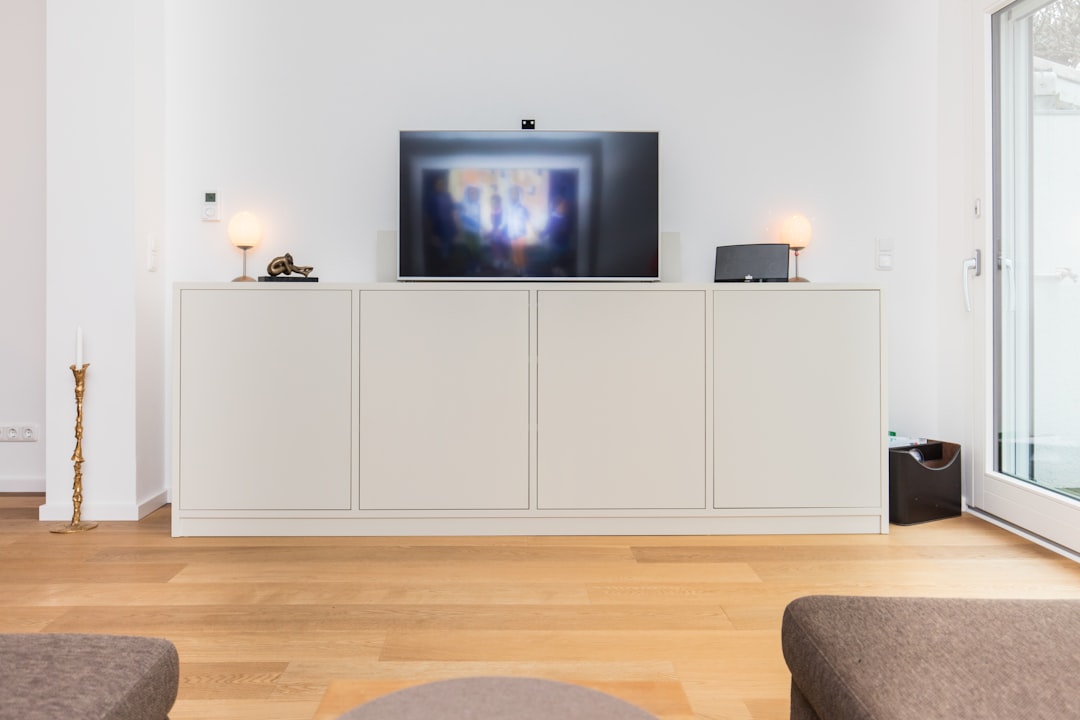
Finally, consider placement. In dual-function dining-living layouts, a sideboard can anchor the dining area while doubling as a bar cabinet for evening drinks. In smaller spaces, it might serve as a media console alternative, blending storage with style. Whatever the role, it’s worth taking the time to visualise how it’ll fit into daily life—before committing to the purchase.